By Nur Abdullah | Project Staff
Successful forest conservation depends not only on protecting ecosystems but also on ensuring that local communities have sustainable and resilient livelihoods. In many forest-edge communities, economic vulnerability can become a major driver of land degradation, unsustainable resource use, and forest encroachment. As a result, conservation efforts are often more effective when they are accompanied by initiatives that strengthen local economies.
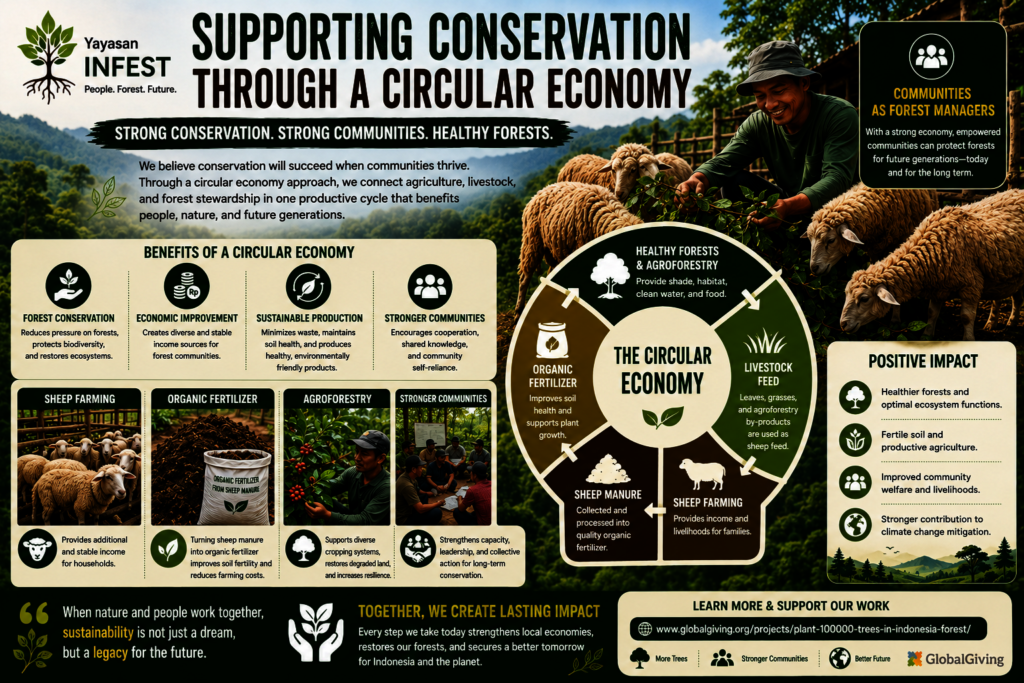
One promising approach is the development of a circular economy, where resources are continuously reused and transformed into new sources of value. By connecting agriculture, livestock, and forest restoration, communities can create economic systems that support both environmental conservation and household well-being.
Building Economic Resilience for Conservation
Forest conservation requires long-term commitment. However, communities can only sustain conservation efforts when they have reliable sources of income. Recognizing this reality, several forest farmer groups have begun integrating economic empowerment into their conservation strategies.
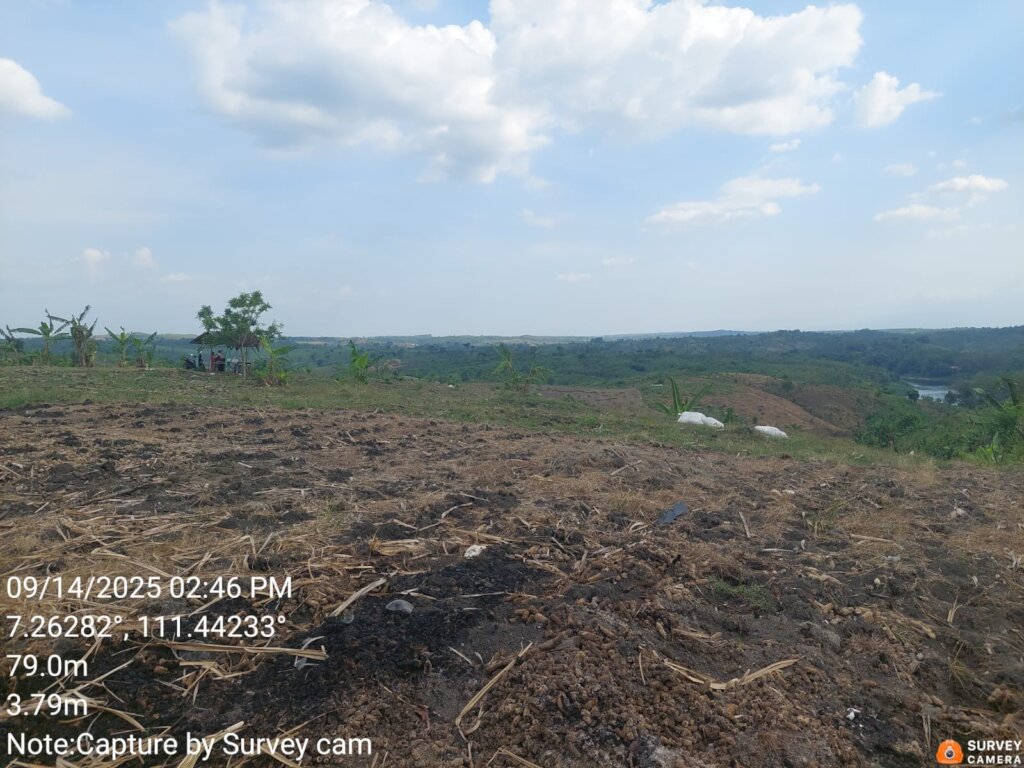
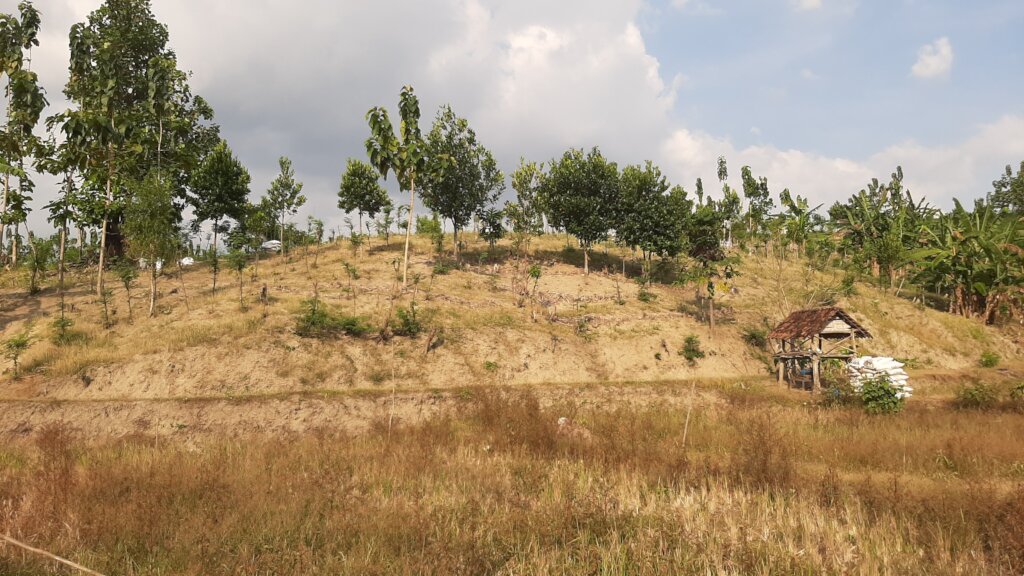
The objective is not simply to generate income, but to create economic activities that directly reinforce conservation outcomes. Through agroforestry, livestock development, and organic fertilizer production, communities can improve their livelihoods while contributing to the restoration and protection of forest landscapes.
This approach transforms conservation from a separate environmental activity into an integral part of local economic development.
Integrating Livestock into the Conservation Landscape
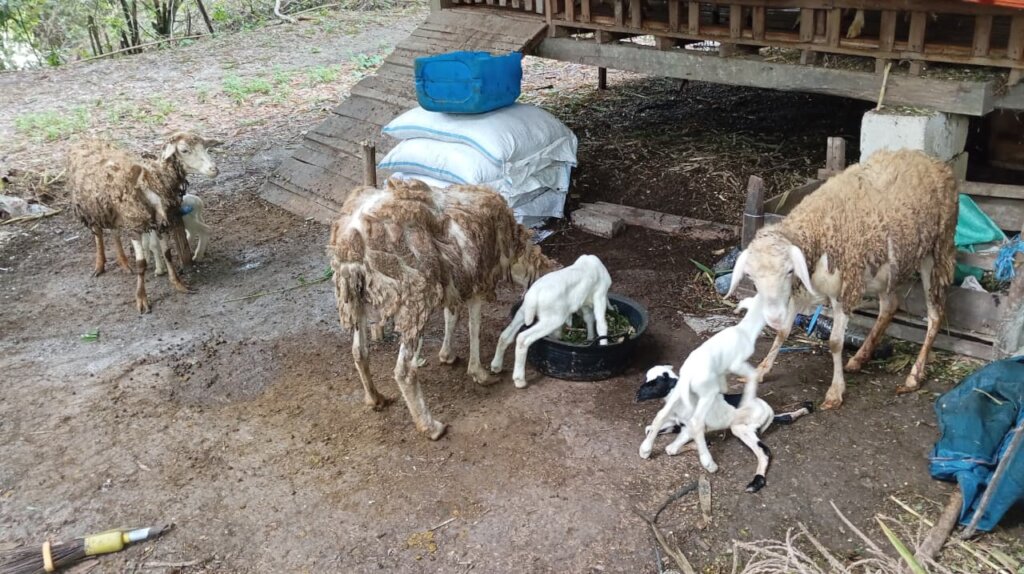
Community-based sheep farming has become an important component of the circular economy model. Livestock provide additional household income while utilizing locally available resources, including fodder collected from agroforestry and forest-edge areas.
More importantly, sheep farming generates valuable organic material that can be reinvested into conservation activities. Rather than becoming waste, livestock manure is processed into organic fertilizer that supports agricultural production and forest restoration efforts.
This creates a productive cycle in which economic activities contribute directly to environmental sustainability.
Organic Fertilizer as a Conservation Resource
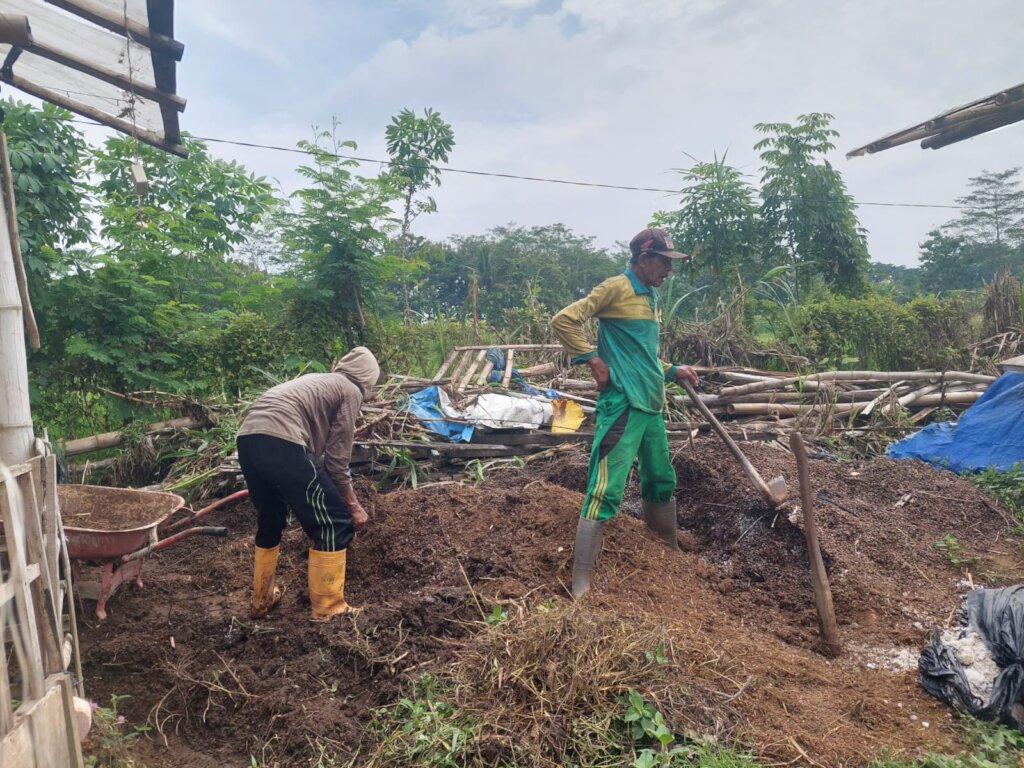
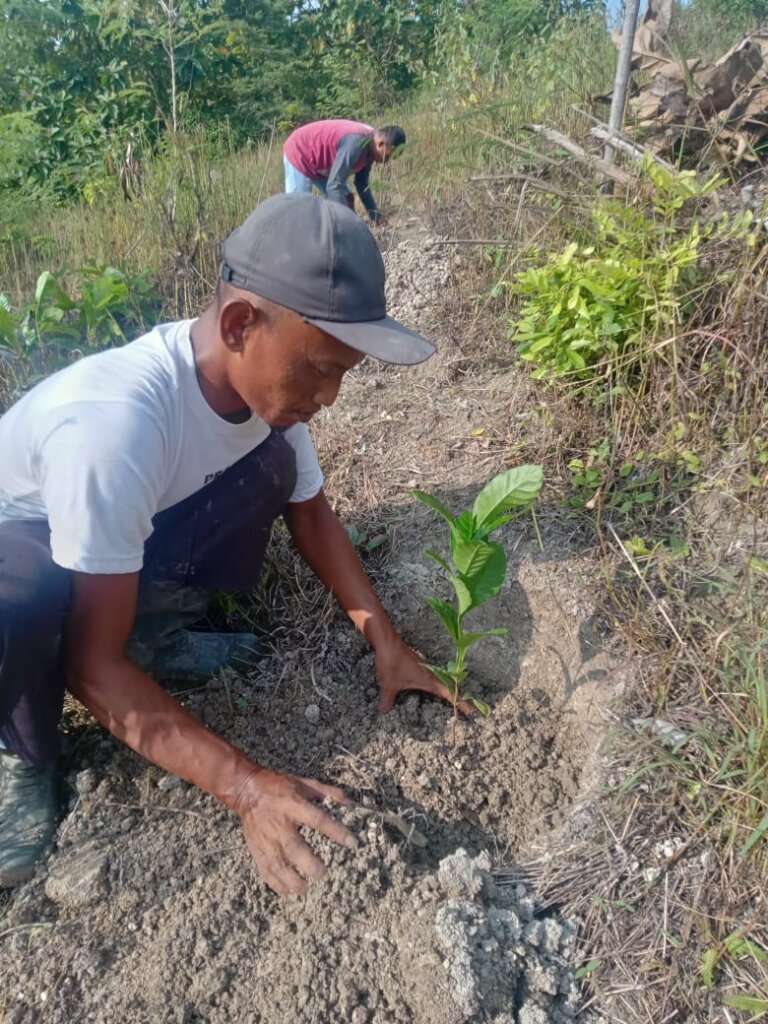
Organic fertilizer production represents one of the clearest examples of circular economy principles in action. Sheep manure is processed into high-quality organic fertilizer that can be used to improve soil fertility, increase agricultural productivity, and support conservation planting.
The benefits are multiple:
By converting livestock waste into a valuable product, communities generate economic benefits while reducing environmental impacts.
Connecting Agroforestry and Circular Economies
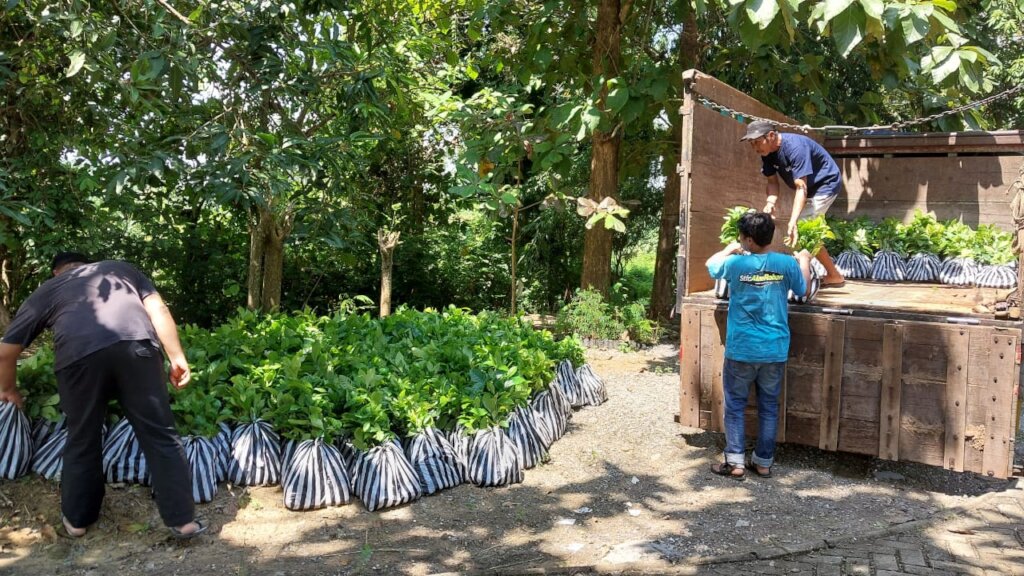
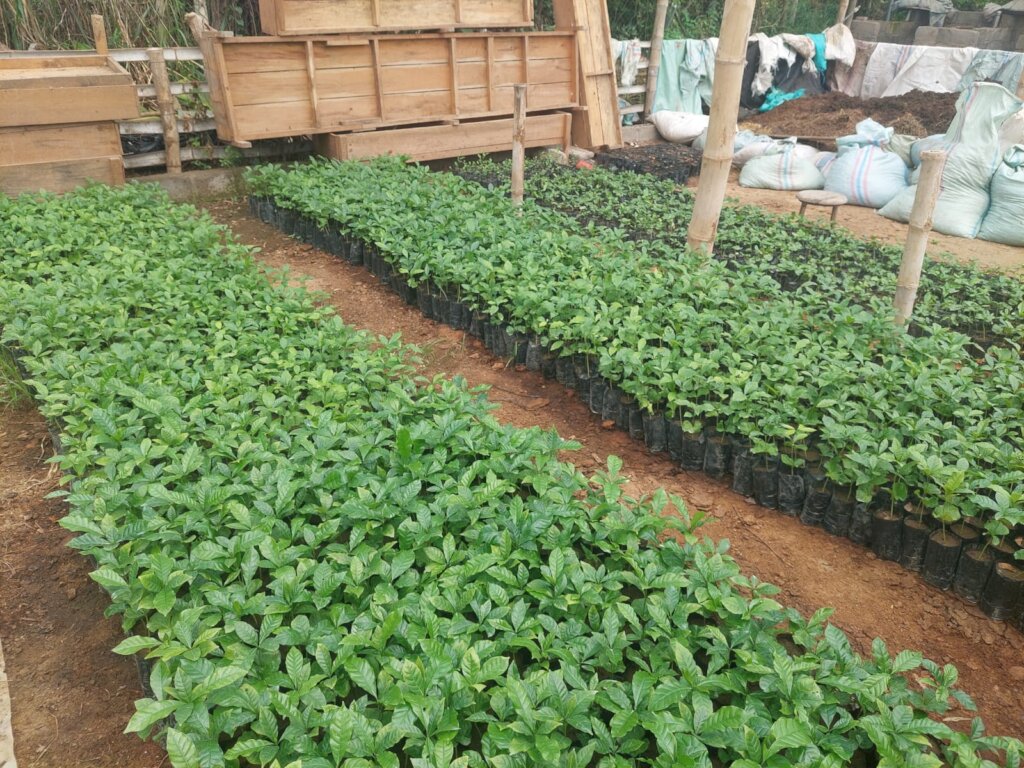
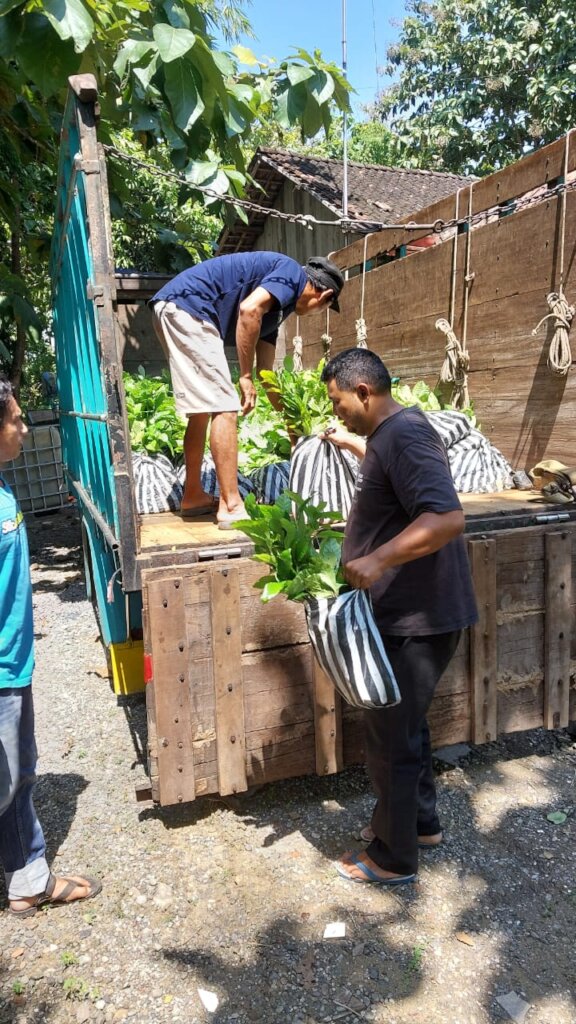
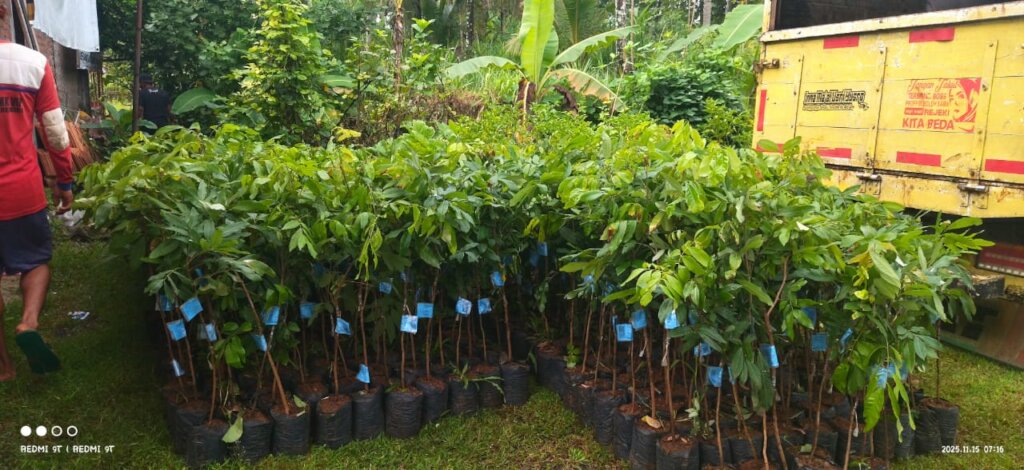
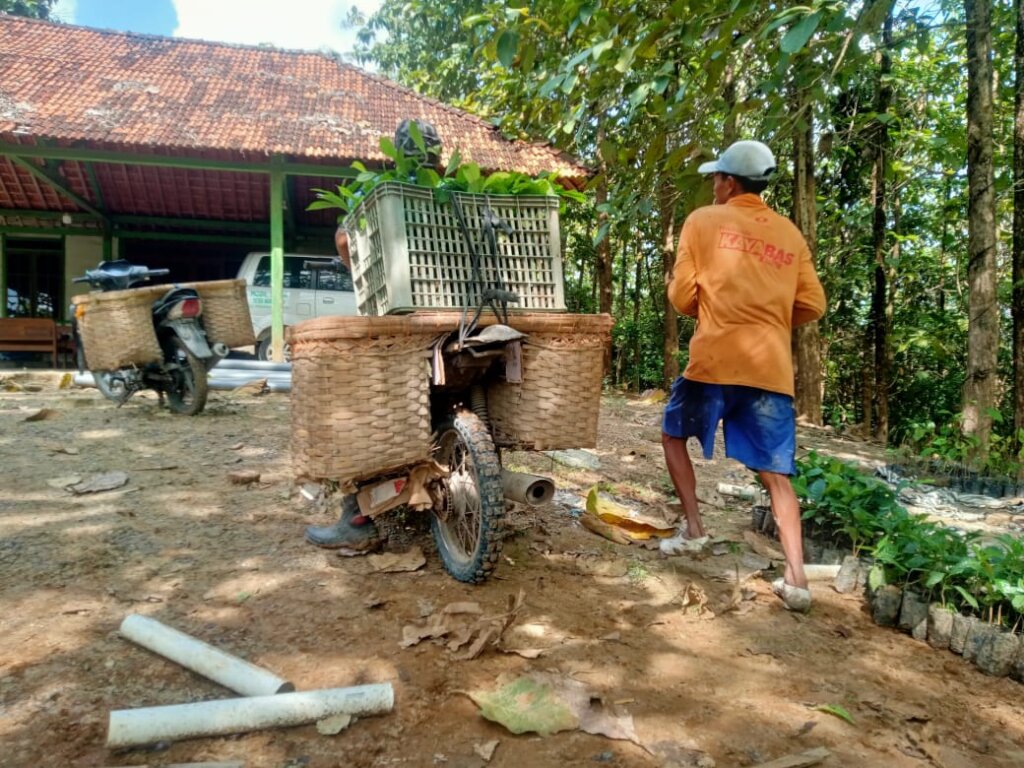
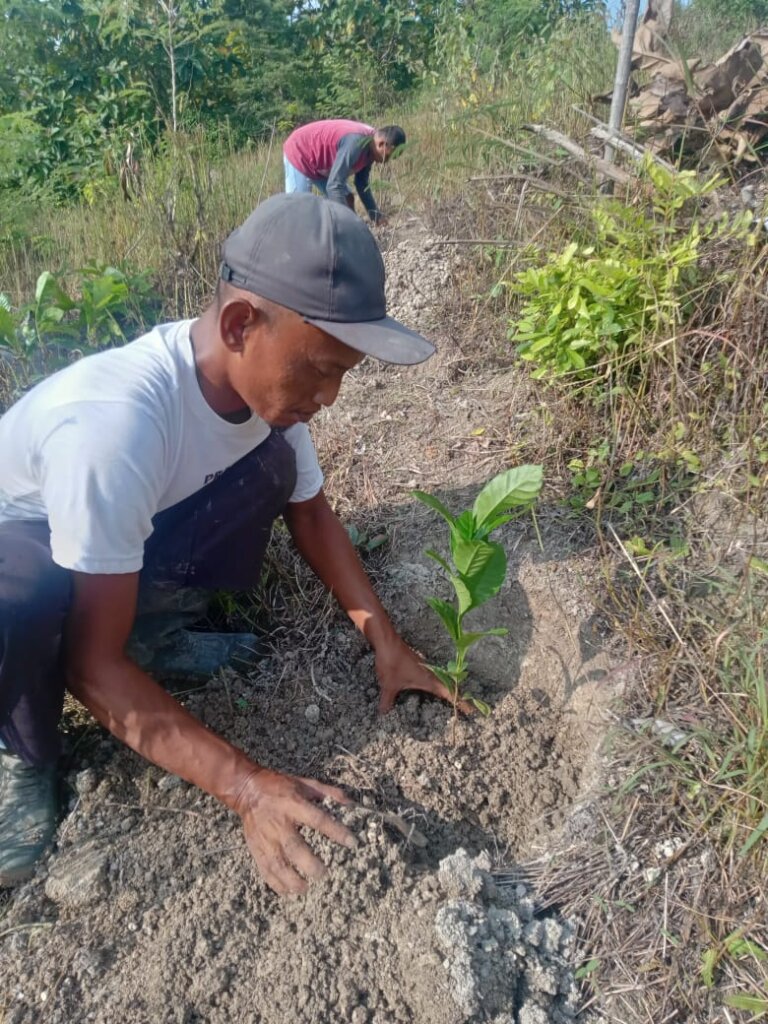
The circular economy approach becomes even stronger when linked with agroforestry systems. Organic fertilizer supports the growth of coffee, fruit trees, timber species, and conservation plants. In turn, agroforestry landscapes provide fodder resources, improve ecosystem functions, and create diversified income streams for farmers.
This interconnected system helps build landscapes that are both productive and ecologically resilient.
Instead of extracting resources from forests, communities become active managers of sustainable production systems that contribute to forest recovery and protection.
A Community-Led Conservation Model
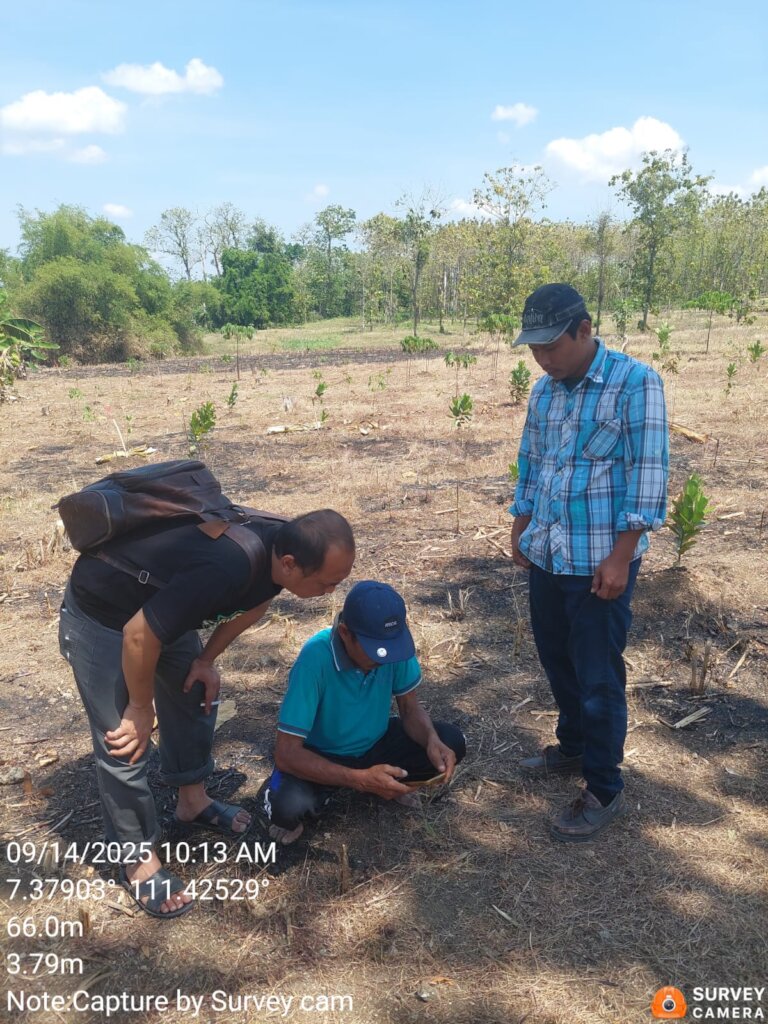
The integration of livestock, organic fertilizer production, and agroforestry demonstrates that conservation can generate tangible economic benefits for local people. When communities see direct value from sustainable land management, they are more likely to invest in long-term stewardship of forest resources.
This model strengthens:
Conclusion
Supporting forest conservation through a circular economy approach creates a powerful link between ecological restoration and community development. By transforming livestock waste into organic fertilizer and integrating it with agroforestry systems, communities can build self-reinforcing cycles that benefit both people and nature.
The experience of forest farmer communities in Indonesia demonstrates that conservation is most effective when it is supported by strong local economies and practical livelihood opportunities.
Project reports on GlobalGiving are posted directly to globalgiving.org by Project Leaders as they are completed, generally every 3-4 months. To protect the integrity of these documents, GlobalGiving does not alter them; therefore you may find some language or formatting issues.
If you donate to this project or have donated to this project, you can receive an email when this project posts a report. You can also subscribe for reports without donating.



Support this important cause by creating a personalized fundraising page.
Start a Fundraiser