By Amina Evangelista Swanepoel | Project Leader
Where We Work
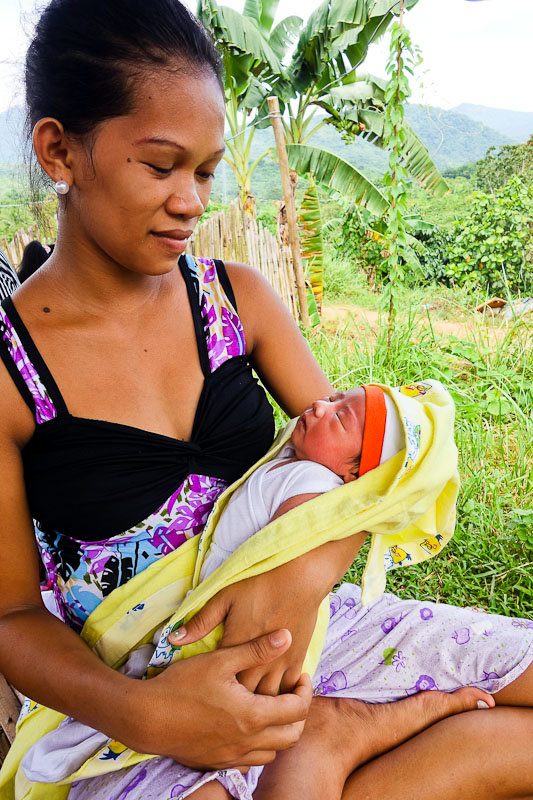
The age of consent in the Philippines is 12 years of age, yet adolescents are unable to obtain reproductive health services without parental consent until the age of 18; these policies have significant consequences. Currently, 25% of all Palawan births are attributed to adolescent pregnancies and HIV cases have increased five-fold over the last three years. Further, new cases disproportionately affect young people. Government health care is far from adequate, funding for contraception is especially limited, and stocks are often unavailable. In addition to all of this, maternal mortality remains an issue, as many women are unable to access prenatal screenings and at-home births are still common.
Roots of Health has been operating in rural Palawan as the only reproductive health organization for eight years. Given the lack of local government support for our issue areas, in large part due to religious conservatism and personal beliefs, ROH is providing the majority of the reproductive health services in the province. These are the realities that have fueled our work and programming. And this is why we need to do more.
Breaking the Cycle
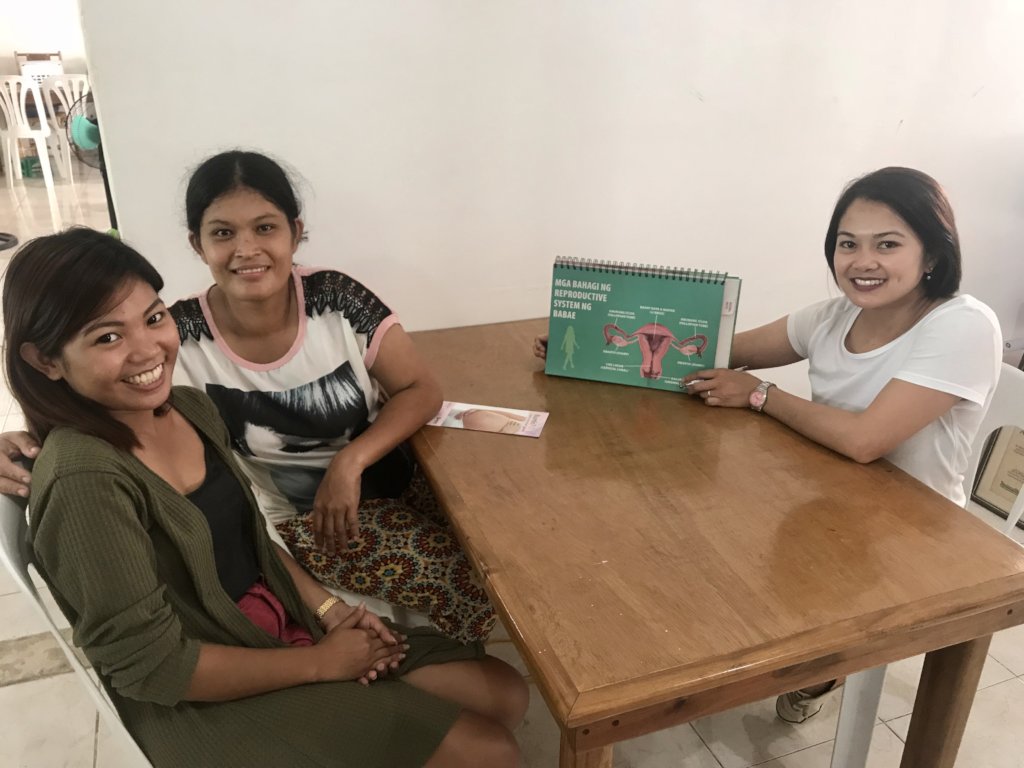
Palawan continues to have high rates of unplanned teen pregnancy. Not surprisingly, many young people do not communicate with their parents about their sexual behavior. So we're heartened to notice an increase in the number of mothers bringing their teenage daughters to our clinic in order to access contraception.
The Philippines remains a very conservative society, and many of the mothers who visit us are not happy their daughters are sexually active. But they recognize that while they cannot control their children's’ actions, they can help protect them from unplanned pregnancies and infections.
“I don't want my daughter to be like me, to have the same problems I had when I got pregnant at 14”, says Maria. “But she has a boyfriend and I can't make her stay home”. Our nurse talked to Maria and her daughter together, and Maria’s daughter opted to get an implant. We see this as progress in the right direction. Despite the challenging operating environment, we strive to ensure young people have supportive and enabling environments, so that they don’t find themselves in a situation similar to that of Maria's.
School-based Education
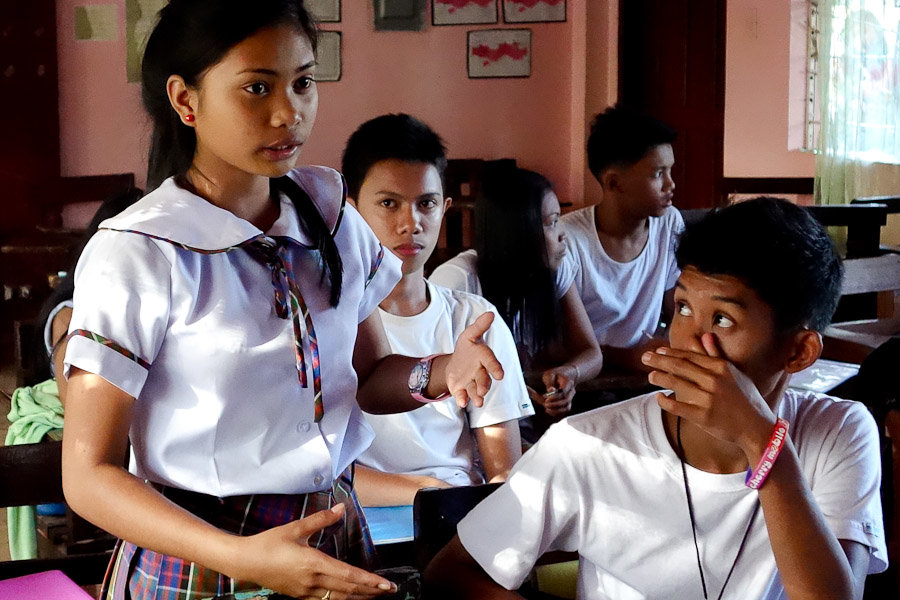
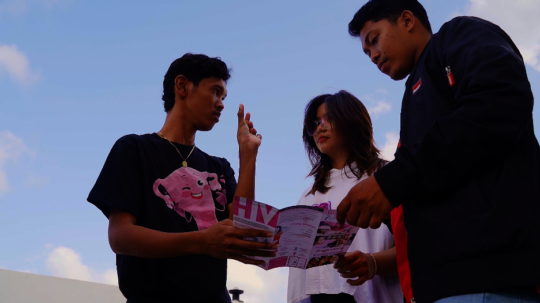
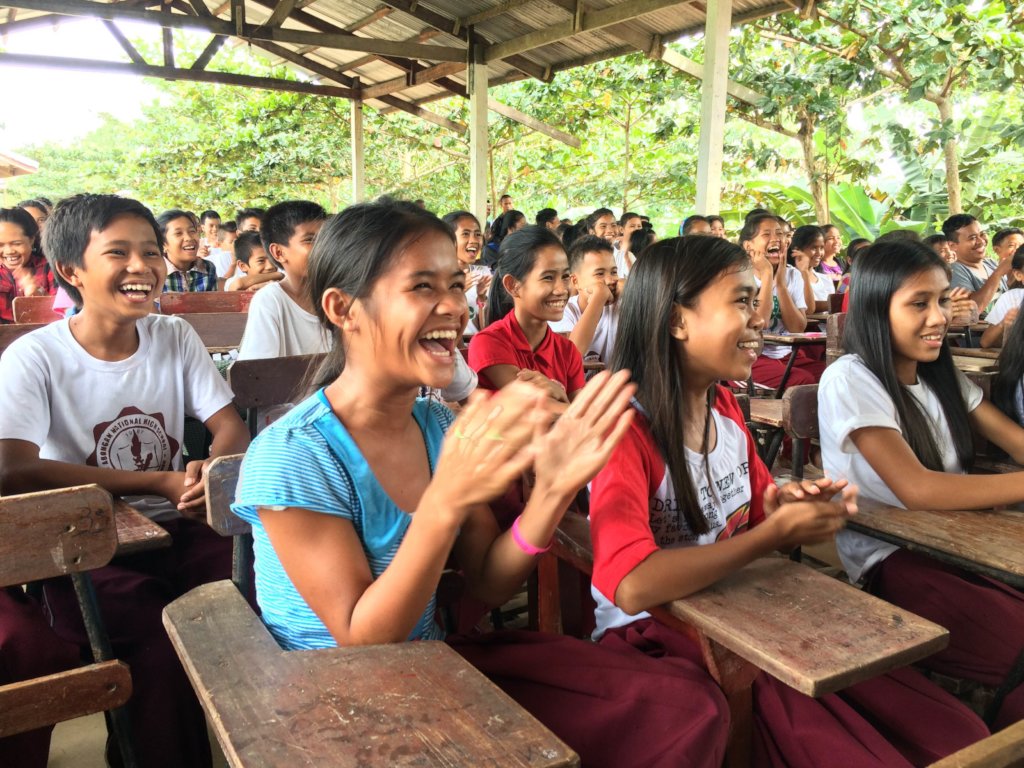
A major part of Roots of Health’s work is our Youth Program. This work can be broadly divided into two sub-portfolios: our comprehensive sexuality education (CSE) in high-schools and colleges, and our Youth Advocate (YA) program. We believe that education, and a focus on young people, is necessary to be able to reduce the reproductive health disparities in Palawan.
Despite the undeniable increases in adolescent pregnancy and incidences of HIV among young people, CSE remains a low priority among school administrators and decision-makers. Teachers report that providing sexuality education would encourage “risky behavior” and they prefer to teach less contentious topics like anatomy or abstinence-only lessons.
Our teacher and school principal trainings center around young people’s needs, empathy and scientifically-based facts on youth sexuality.
Similar to the CSE courses our Youth Team provides for students, a significant amount of time is equally spent debunking myths and misconceptions. We see attitude changes almost immediately through our pre and post-tests.
Our current modules are divided into three core lessons: puberty for 7th-8th graders; reproductive health for 9th-10th graders; and HIV/AIDS and STIs for 11th and 12th graders.
The stories that we hear from the students keep our team motivated. One of our key activities during our lessons is chismis or check (gossip or fact)? This is a true or false game that tests the students’ reproductive health knowledge. We believe this is important because we regularly hear information circulating amongst young people that is false, and oftentime dangerous.
Your Support
Thanks to your contribution to Roots of Health, we’re able to teach more students about puberty, reproductive health, contraception, STIs and HIV/AIDS than ever before. With your support, we’ve developed a new module of our comprehensive sexuality education for 5th and 6th graders and we’ll begin piloting this new piece when classes resume from summer vacation in June.
We’re expanding our reach, so that more young people understand their bodies and how to protect themselves. You are part of this change--we wouldn’t be able to do it without you.
A heartfelt thank you from all of us at Roots of Health. We hope you’ll continue to follow our journey and support our work!
Links:
Project reports on GlobalGiving are posted directly to globalgiving.org by Project Leaders as they are completed, generally every 3-4 months. To protect the integrity of these documents, GlobalGiving does not alter them; therefore you may find some language or formatting issues.
If you donate to this project or have donated to this project, you can receive an email when this project posts a report. You can also subscribe for reports without donating.