By Dale Robertson | Director
Over the past reporting period, our sanctuary programme has continued to evolve in both hopeful and challenging ways.
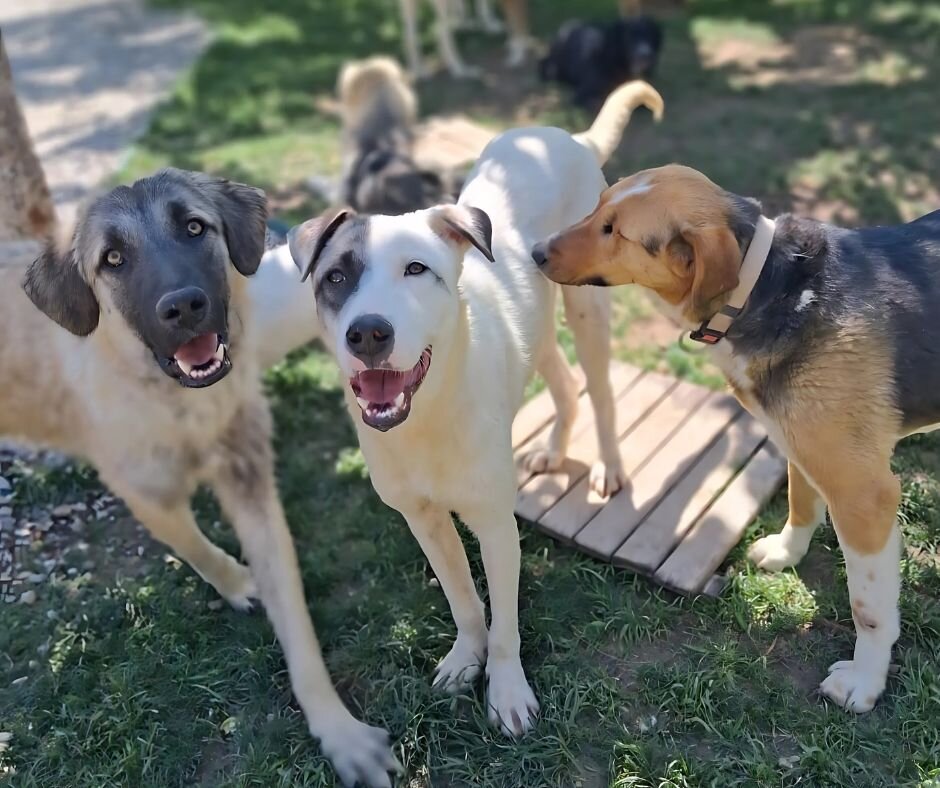
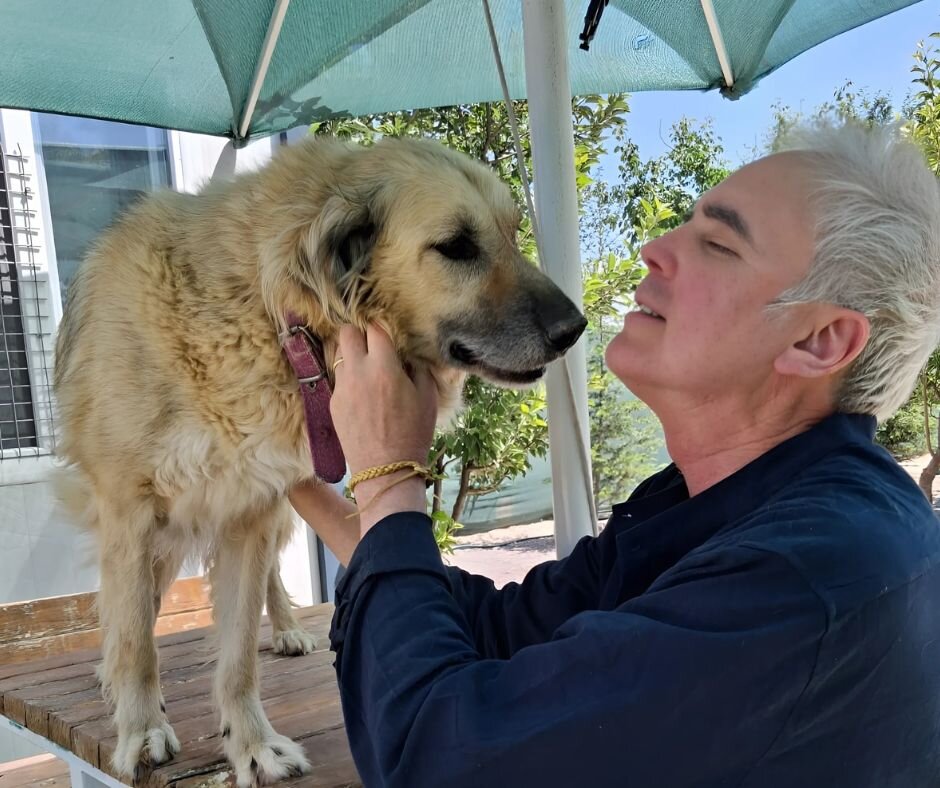
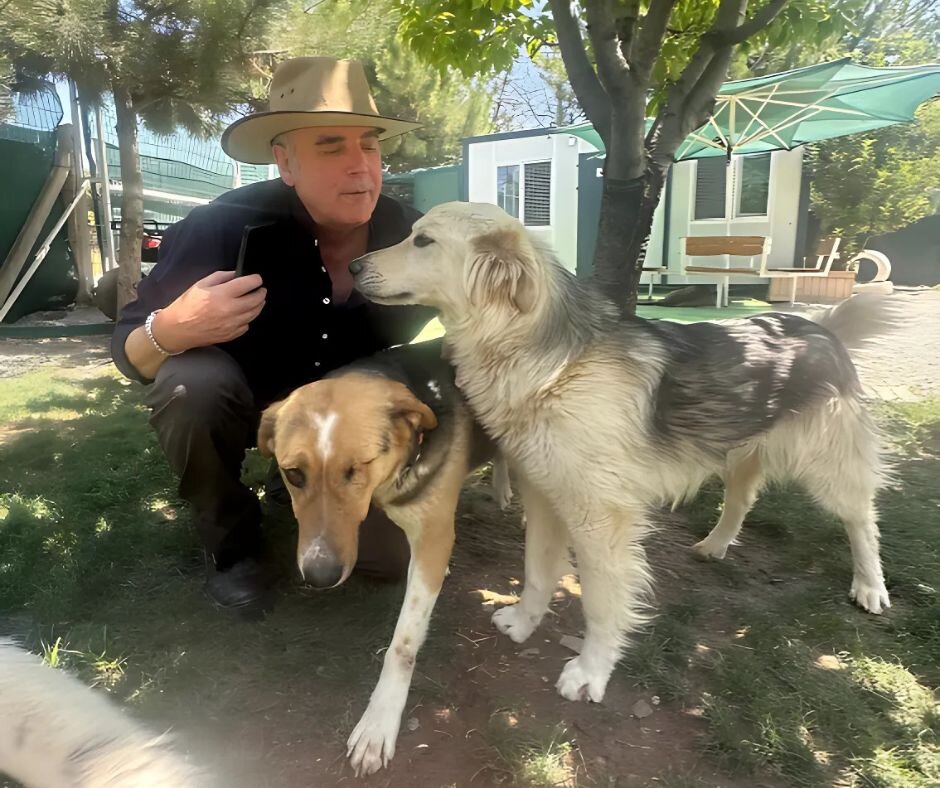
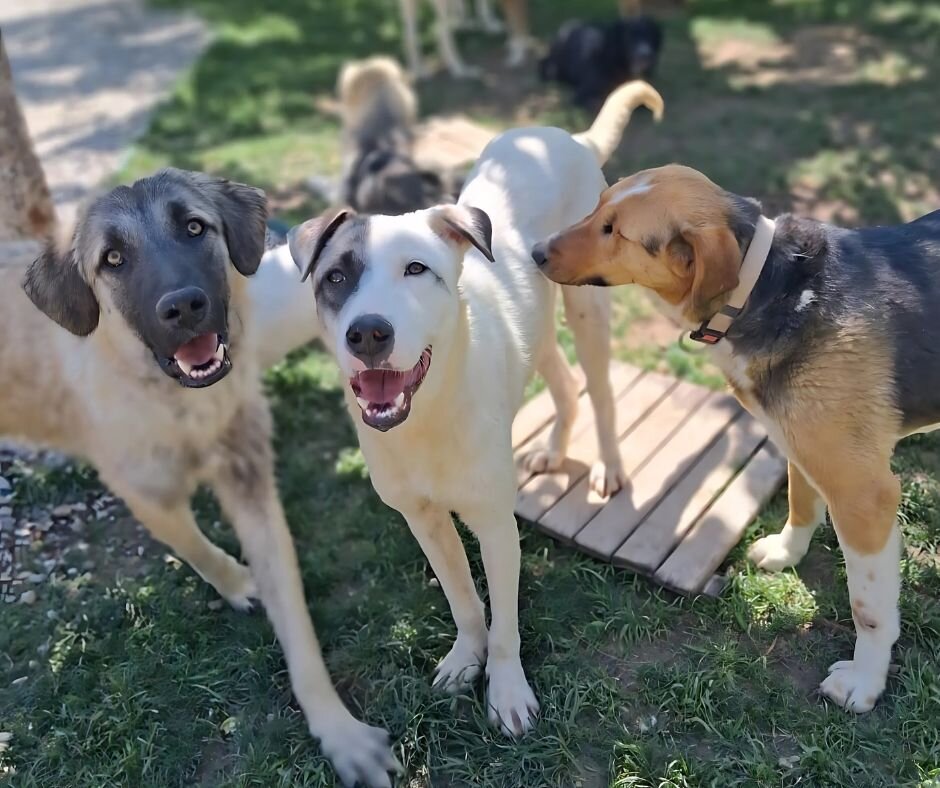
One of the most positive developments has been seeing six dogs move forward into adoption pathways. For dogs who have often spent years surviving instability, abandonment, injury, or prolonged street life, reaching the point where they are emotionally and physically ready to begin transitioning toward home environments is significant. It reflects the long-term work that goes into stabilisation, routine, medical care, trust building, and social rehabilitation within a kennel-free sanctuary environment.
At the same time, as some dogs move forward, new vulnerable animals continue to arrive needing support.
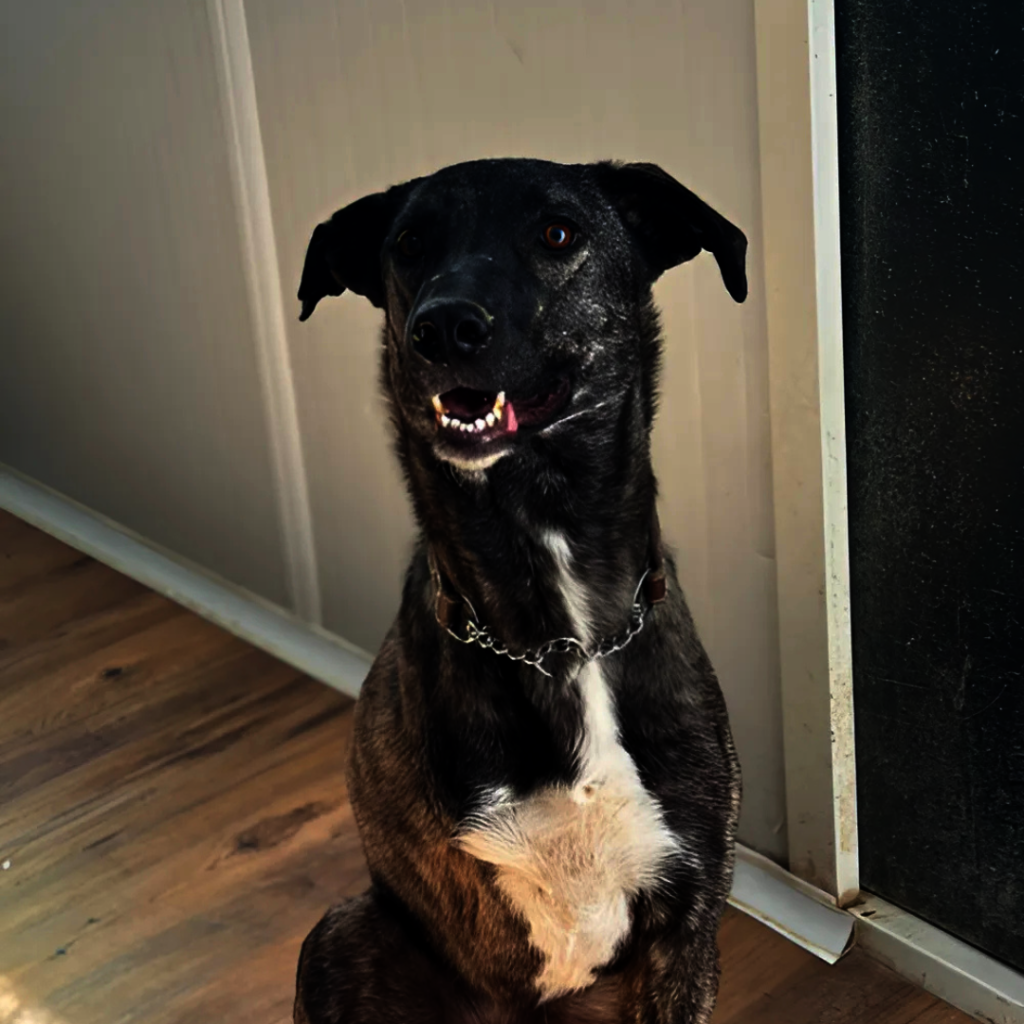
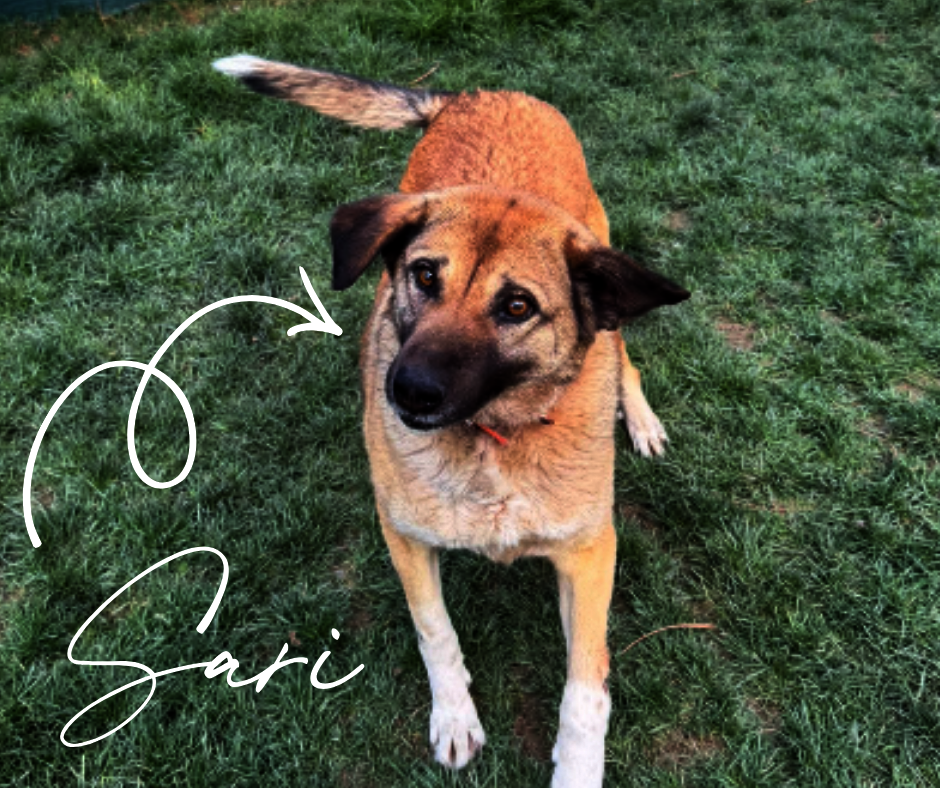
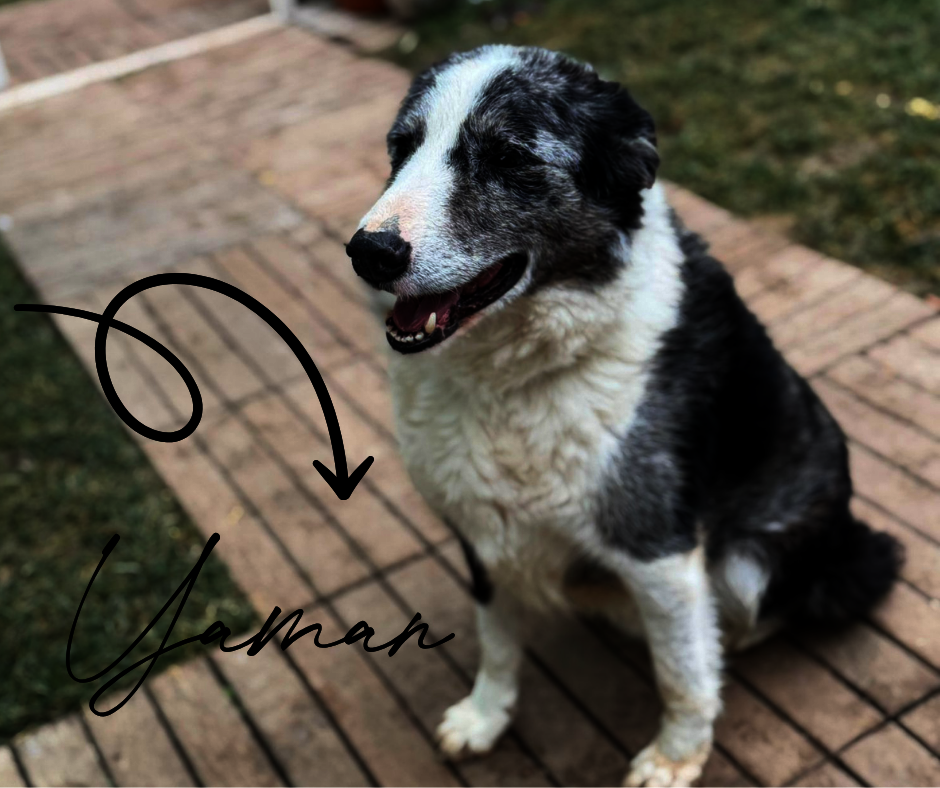
We have recently welcomed Yaman and Sari to the sanctuary. Both are abandoned dogs who were left without support or security. Sari is an older lady at approximately eight years old, making her especially vulnerable. Both dogs are currently settling into sanctuary life and learning that consistency, food, safety, and care are now part of their daily routine.
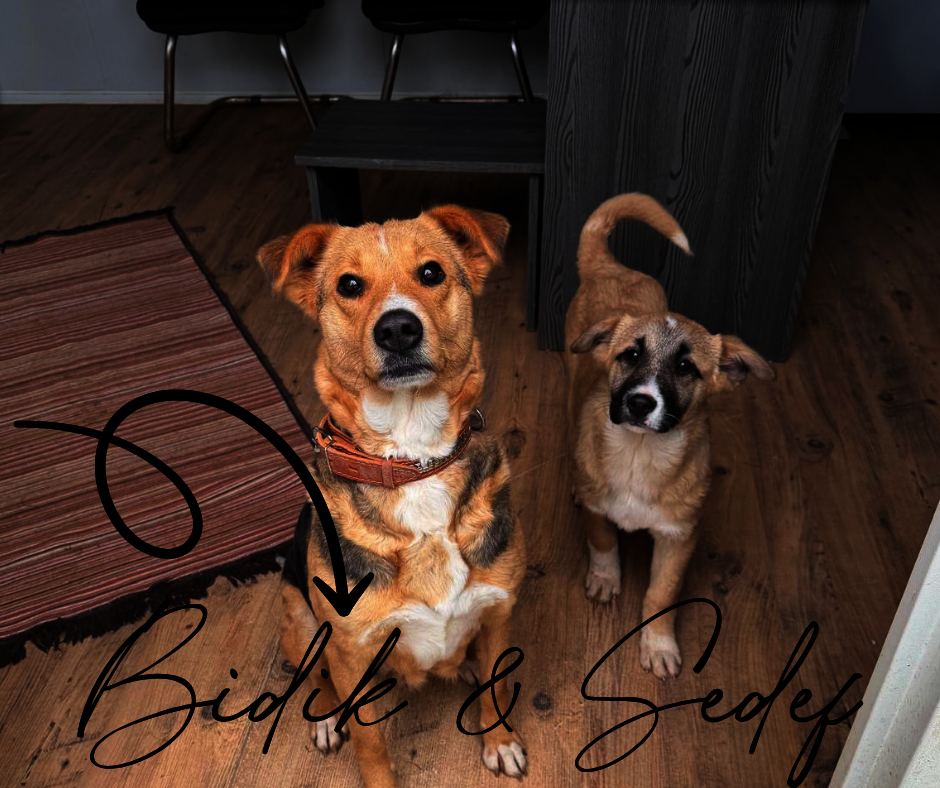
Bidik and her remaining puppy, Sedef, have also joined the programme. Bidik had been trying to survive while caring for her litter under extremely difficult circumstances. Tragically, Sedef is now her only surviving puppy. Cases like this reflect the ongoing consequences of uncontrolled breeding, which continue to place immense pressure on rescue systems.
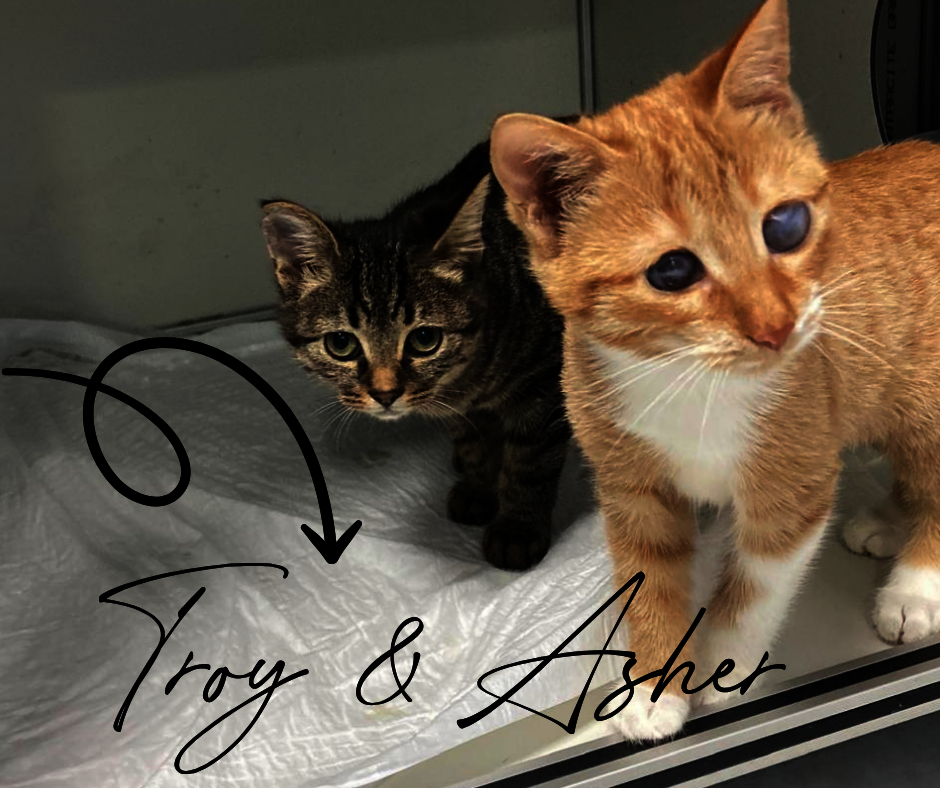
Alongside the dogs, two cats have also entered sanctuary care: Troy and Asher. Both are semi-feral and require a slower, quieter approach centred around patience and trust rather than forced handling. Troy is blind, adding an additional layer of vulnerability and care needs to his situation. Our focus with both cats is on creating stability and allowing them to adapt at their own pace within a safe environment.
The sanctuary remains a place not simply of shelter, but of long-term recovery, decompression, and management for animals who may never have previously experienced consistency or safety. Every new arrival brings additional medical, nutritional, and daily care demands, but also reinforces why this work remains so necessary.
We are deeply grateful to GlobalGiving supporters for helping us continue providing this lifeline to dogs and cats who otherwise would have nowhere safe to go.
Project reports on GlobalGiving are posted directly to globalgiving.org by Project Leaders as they are completed, generally every 3-4 months. To protect the integrity of these documents, GlobalGiving does not alter them; therefore you may find some language or formatting issues.
If you donate to this project or have donated to this project, you can receive an email when this project posts a report. You can also subscribe for reports without donating.



Support this important cause by creating a personalized fundraising page.
Start a Fundraiser