By Max Riley-Gould | Trusts and Major Donor Coordinator
It is now three months since a devestating earthquake struck the Hindu Kush region in South Asia. Almost 300 people were killed in the disaster, and over 2,300 people injured.
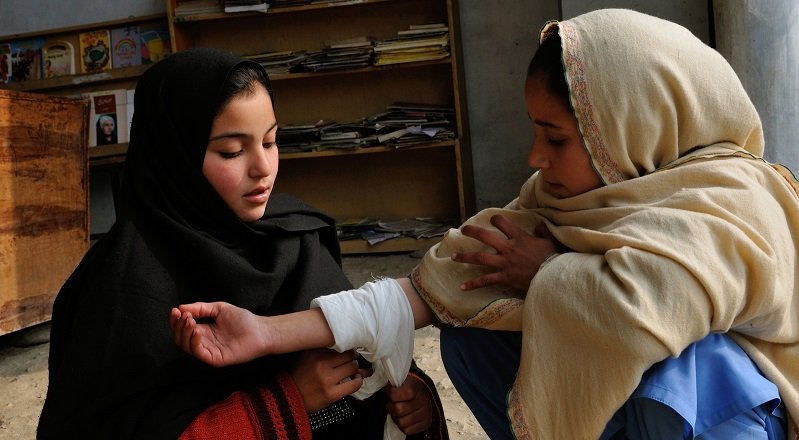
In Pakistan's northwest region of Khyber Pakhtunkhwa (KP), one of the main areas hit by the earthquake, RedR UK has been working with teachers and community-based organisations to train them to introduce disaster risk management techniques into local schools. This ensures that schoolchildren know how to respond safely when an earthquake like this happens, helping to save lives.
In December 2015, RedR UK's Pakistan Country Representative Mubashir Fida traveled to visit some of the districts where we have been delivering training to find out how our work helped them to respond to the recent disaster.
Education as a tool for peace
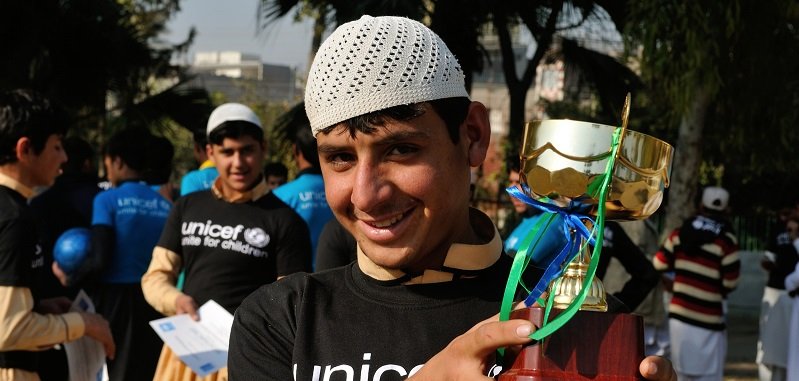
During his trip, Mubashir visited a sports day organised by the Peace Education and Development (PEAD) project, which aims to provide relief to local children who face the threat of both natural and man-made disasters. This is a joint initiative, organised in partnership with local public schools and Madrassas (religious schools). The aim is to bring children from different educational backgrounds together so they can exchange ideas and learn from each other.
Tariq Hayat, a Project Manager at PEAD, attended RedR's Safer Schools training in October 2015. Since then, he has been incorporating ideas on safety, security, and conflict-sensitive education into the curriculum of this project and ones simliar to it - which have so far been implimented in ten public schools and ten Madrasas in KP Province. He has been able to pass on knowledge gained through our training to a further 61 male teachers, and three additional female staff members, who have gone on to train 50 female teachers.
"This knowledge can save lives."
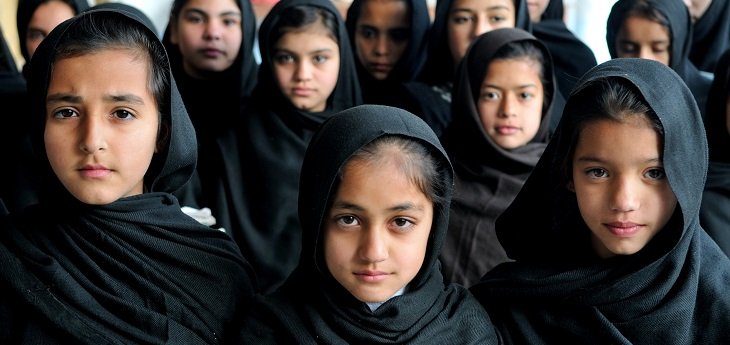
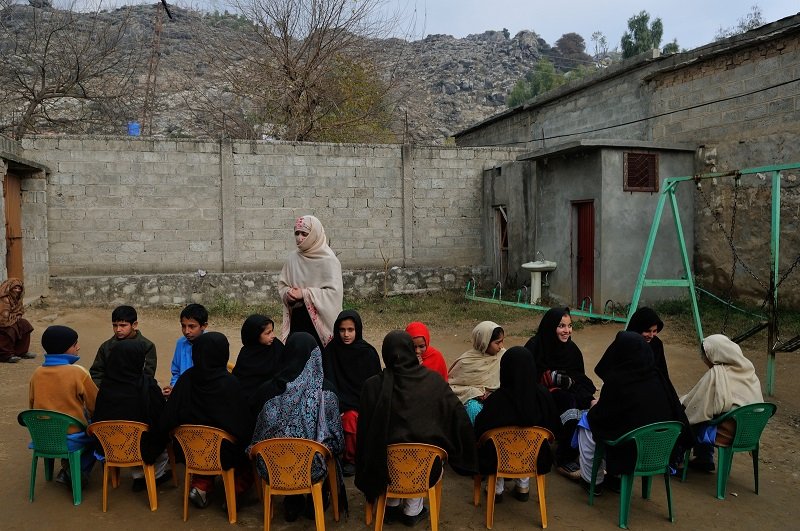
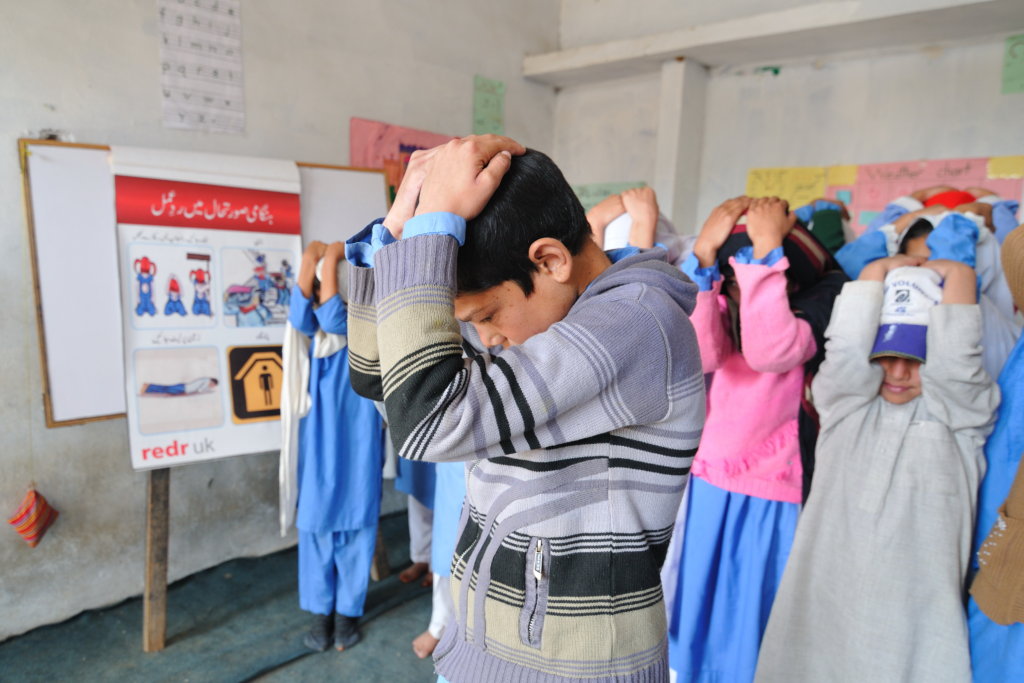
In Swat, another district in KP province, Mubashir visited local children who had been taught by their teachers what to do when an earthquake strikes, all of whom received training as part of the Safer School project. 15-year-old Rukhsana, who received training from her Headmaster who attended one of our courses, said:
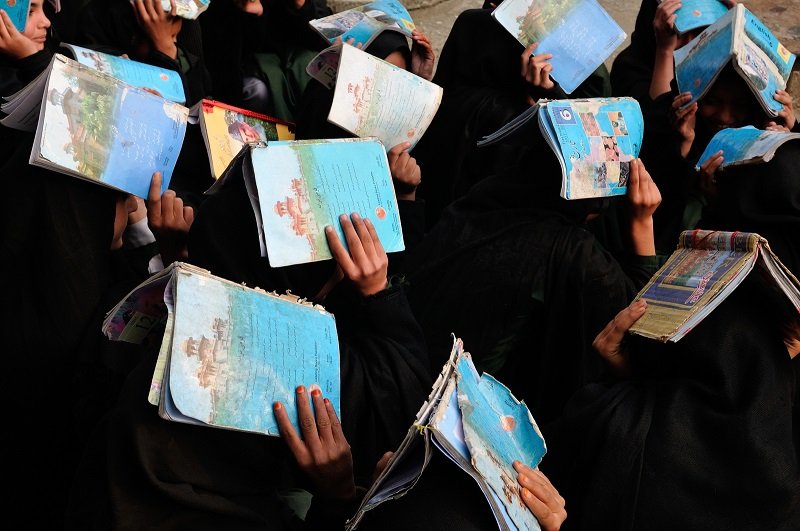
"I learnt that if an earthquake happens, we should get under a table, or keep book bags over our heads and walk slowly out of the building. Once we go into open ground we should do a headcount to check no-one is missing. we were taught not to panic and not to push others when evacuating the building: rather we should look out for our friends and help as much as we can.
I taught my sisters, nieces and nephews what to do if an earthquake happens. When the earthquake struck in October, we were having lunch. Some guests had come from the neighbouring village with small children. I instructed everybody to move slowly towards the exist and assemble in the garden.
We noticed that two elderly ladies were missing, and my younger nephew and I went back into the house and brought them out slowly. My mother is very proud and said that it is good to take care of each other in such situations. She said, 'If you had not learn all this at school, we should have had no clue. This knowlede can save lives.'"
Helping women take the lead in disaster preparedness and response
Mubashir also visited a school in Upper Badawan, another district in KP province. There he met with Bibi Rizwana, a school principle who attended RedR training in 2014 and 2015, and since then has passed on the skills she learnt to both students and fellow teachers. She said:
"The community we live in is a conflict area, and the men often go out to work during the day. This means the responsibility for keeping our houses and community safe often falls on women: we're the ones who have to take the lead. For me, the best of the training was when we learnt about safety and security management for the school. Now, when I walk to and from school, I look out for threats or suspicious things.
This training is very good for teachers. All of us are passing it on. I think every woman in the community should have the opportunity to take this training. It would help us keep the community safe and secure".
Safer Schools in 2016
The latest round of training took place between July-October 2015. RedR's staff in Pakistan are currently designing the next phase of the project to train more teachers like Bibi this year. This will ensure that when the next disaster strikes, be it natural or man-made, local children have the knowlege and confidence to respond in a way that will minimise its impact and save lives.
All photos © Usman Ghani for RedR UK.
Project reports on GlobalGiving are posted directly to globalgiving.org by Project Leaders as they are completed, generally every 3-4 months. To protect the integrity of these documents, GlobalGiving does not alter them; therefore you may find some language or formatting issues.
If you donate to this project or have donated to this project, you can receive an email when this project posts a report. You can also subscribe for reports without donating.