SEEN, BUT NOT SEEN
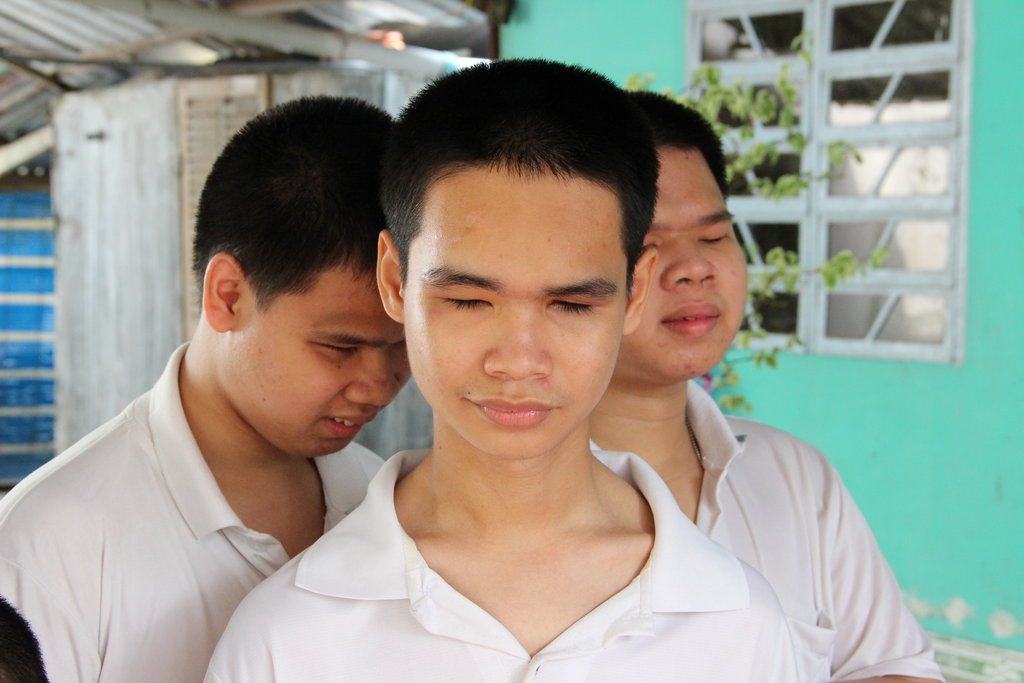
The blind children of Vietnam are looked down upon as disabled, and in the eyes of some, they are considered incapable of living normal lives. However, to me, they are talented individuals who add value to society. The blind children became my teachers, and taught me priceless lessons about their daily lives and the challenges they face.
A person’s values dictate their success and happiness in life. Their commitment, effort, discipline, and passion come from how much they want to achieve their goals, not whether they can. Values themselves cannot be seen. Most of the time, we are not even aware of them, but these factors determine our success or failure.
The roots of a tree are what hold it upright, not the trunk or branches. The nutrients are gathered by the roots and help the tree grow. What we can’t see helps us develop and grow as people, and different characteristics and values shape and mould us.
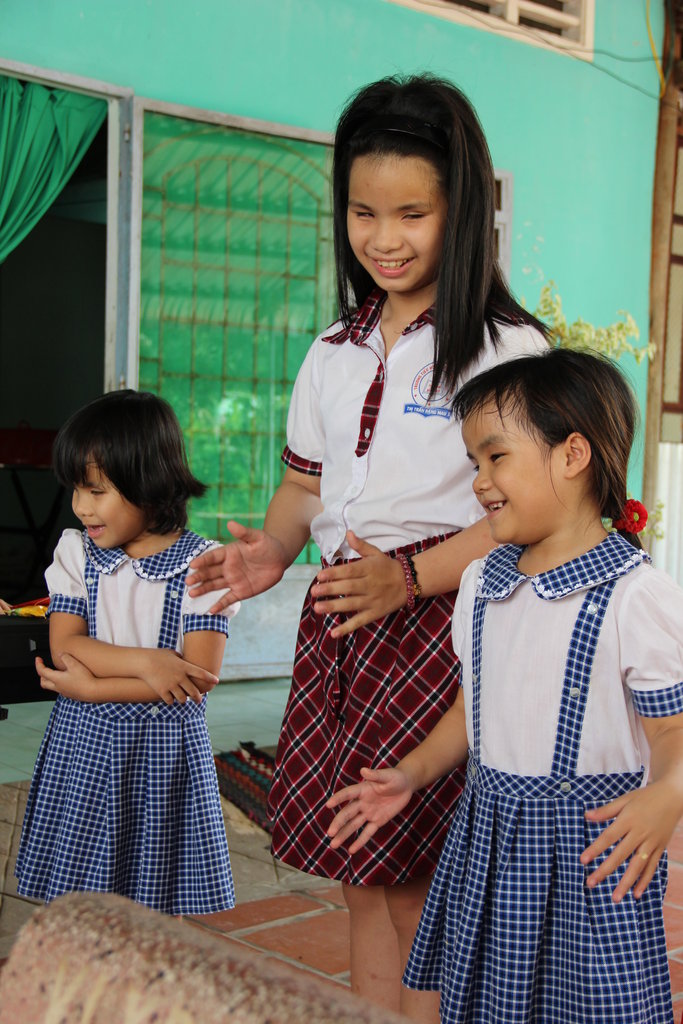
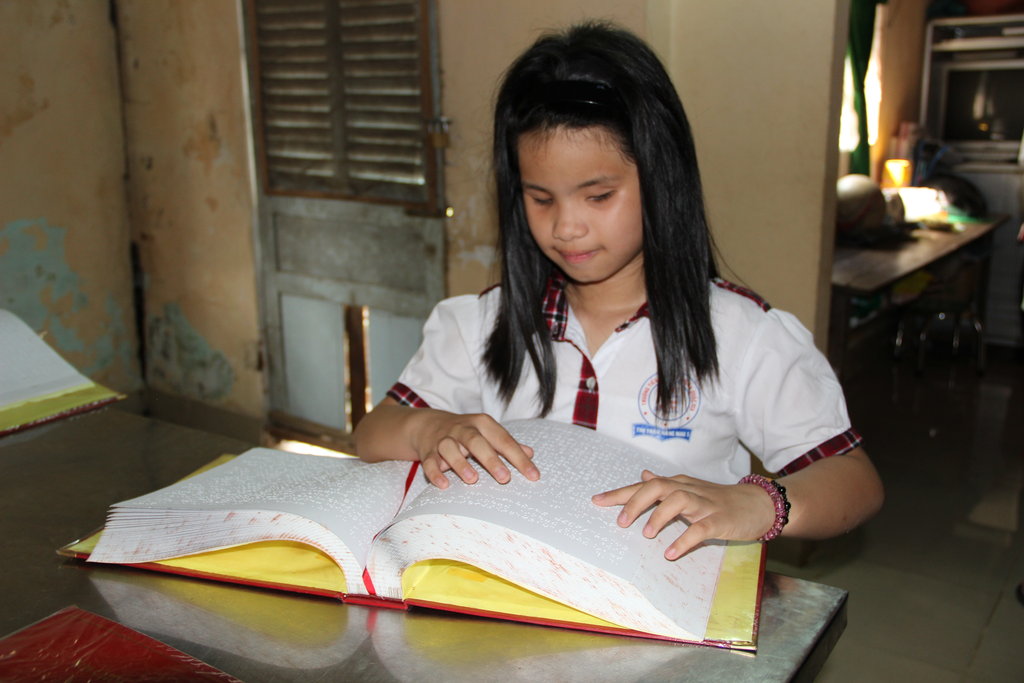
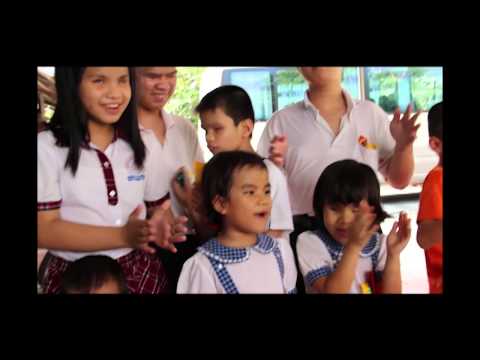
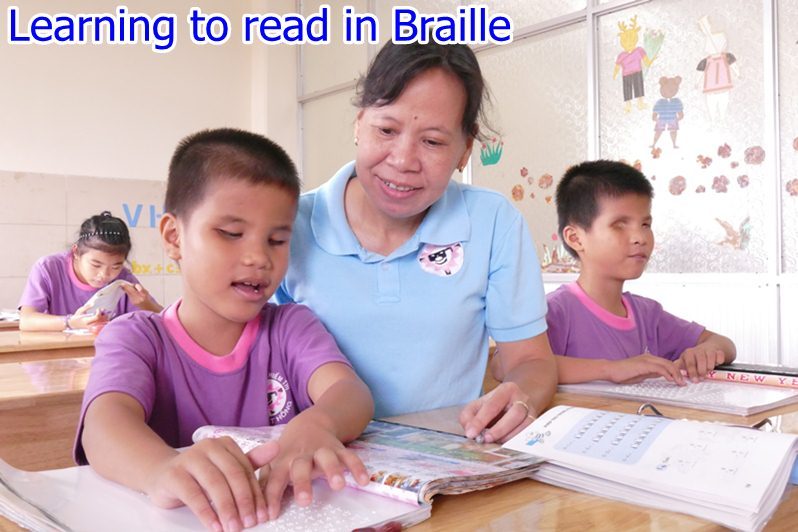
During my visits to the nine centers, I watched as many blind children sang, danced, and played various instruments, and I also visited some of their workplaces. During my time there, I observed how they studied, how they ate, and how they interacted with each other. Nevertheless, the biggest surprise to me was how they communicated. With only the five fingers on their hands, they could see the world around them. They could read, they could learn, and they could write their stories. Many children I saw communicated through language and experienced the world through their fingertips. They might not be able to see, but they can imagine and hope for a better life. It was an unforgettable experience, and one that I will treasure for the rest of my life.
The most important thing that others who are trying to help them must understand is how they learn and perceive. Some people believe that their habits, and how they act, are problems that need to be corrected; that their behavior is not normal and that we must discipline them to act. However, we do not see that their behavior, and how they learn, helps them cope with their greatest obstacle, their vision. Whether it’s their movements or their manners, people sometimes criticize them, but how do they know how to fix this? They were never taught, they were never led, and they were never educated. That’s why the first step in helping these children is to begin to understand them and to see the world from their perspective. This is the obstacle we must overcome to help them.
All of the children are so talented. All of their songs touched my heart and it was clear that they could do anything they set their minds to. During meals, they told me about their school life, their hobbies, and their lives at the centers. For the most part, they lived just as I did, except that they worked harder and put more effort into what they loved because they could not see. They are learning how to adapt to their lives and create a new lifestyle. Only then can they become members of society who can contribute their talents and live the way they want to. Most importantly, they were grateful for every chance they had to learn, to have fun, and to live.
Sometimes we judge those who are blind and don’t provide them with opportunities. We seem to forget them, or simply don’t include them. We think they don’t have the ability to do the things that sighted people do. However, it is our responsibility to recognize them, give them the opportunity to display their talents, and provide them with the resources and training necessary for them to succeed. We need to change our perspective and resist discrimination so that they can feel welcome and happy in our society. Our understanding can then lead to compassion and a change of heart.
During my visits, I saw only nine centers. Nonetheless, those centers represent over thousands blind children who need help. It is not only our obligation to help them, but it is our duty to do so. Together, as a community, we can make a change in their lives. However, that change must begin with observation, and the decision to make a difference; we must have the will to help those who need it and to create a new perspective and vision for others to follow.