By Ben Margetts | Director
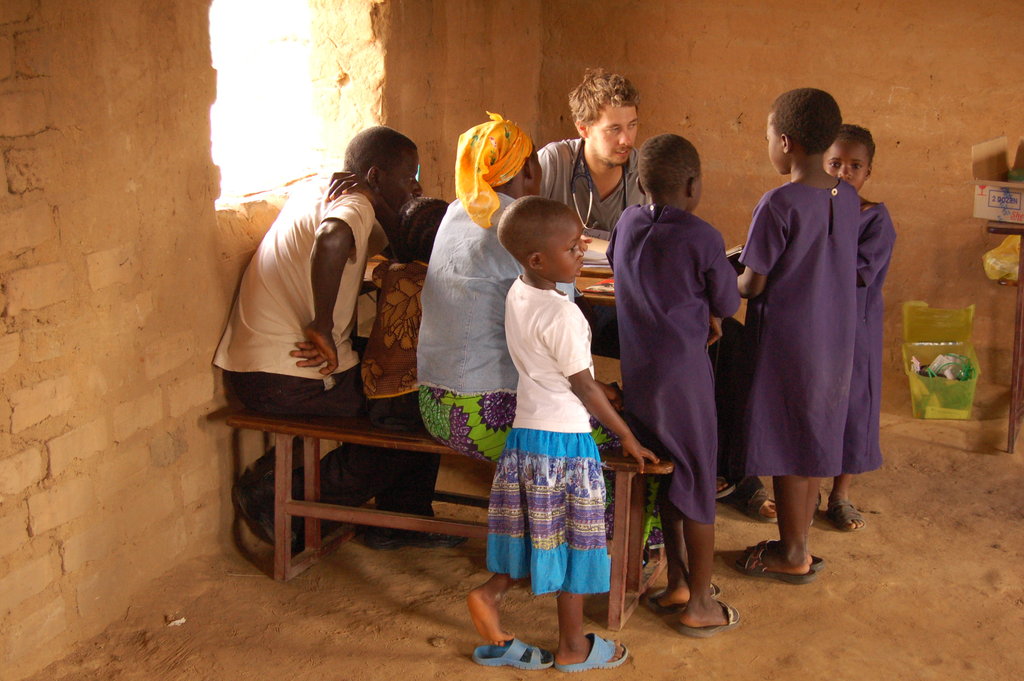
In March we made the difficult decision to send our volunteers home, and cancel clinics for the forseeable future. We felt that the risk of bringing doctors into Zambia, from the UK represented too great a risk. We also felt that the mobile nature of our clinics that transports people from urban areas into rural areas, where we bring together large groups of people, would represent a significant risk to rural populations where the health system is ill equipped to support them.
National level response
In order to ensure that we could continue to support our Community Health Workers (CHWs), and the communities that we support, we contacted the Ministry of Health (MoH) to better understand what response they had planned for rural communities and how we could contribute to this. It became apparent that the Ministry of Health was focussing its efforts on preventing the spread, and had not yet considered how it would protect and support rural communities. On Call Africa were asked to share our thoughts on how we intended to support our CHWs remotely, and whether this could be scaled nationally. After consulting with various partners and exploring options we put together a proposal for consideration by the community health unit at the MoH. The community health unit asked On Call Africa to join the units response to COVID-19, and asked us to present to partners on our activity, encouraging them to work through the MoH to ensure a co-ordinated response.
At the first meeting of the Community Health COVID-19 response network partners expressed concerns about the lack of standardised protocols and guidelines for all organisations to work towards. In response to this the MoH asked On Call Africa to develop protocols and guidelines for national use. We responded quickly, recruiting a team of virtual volunteers who were all working with COVID-19 in the UK, and had experience of working in rural Zambia. Working in partnership with MoH, CIDRZ and DfID, the team rapidly developed guidelines. Partner organisations were given the opportunity to contribute and feedback before the guidelines were finalised and adopted. We were later approached t support the develop of continuation of TB services protocols by MoH.
Southern Province
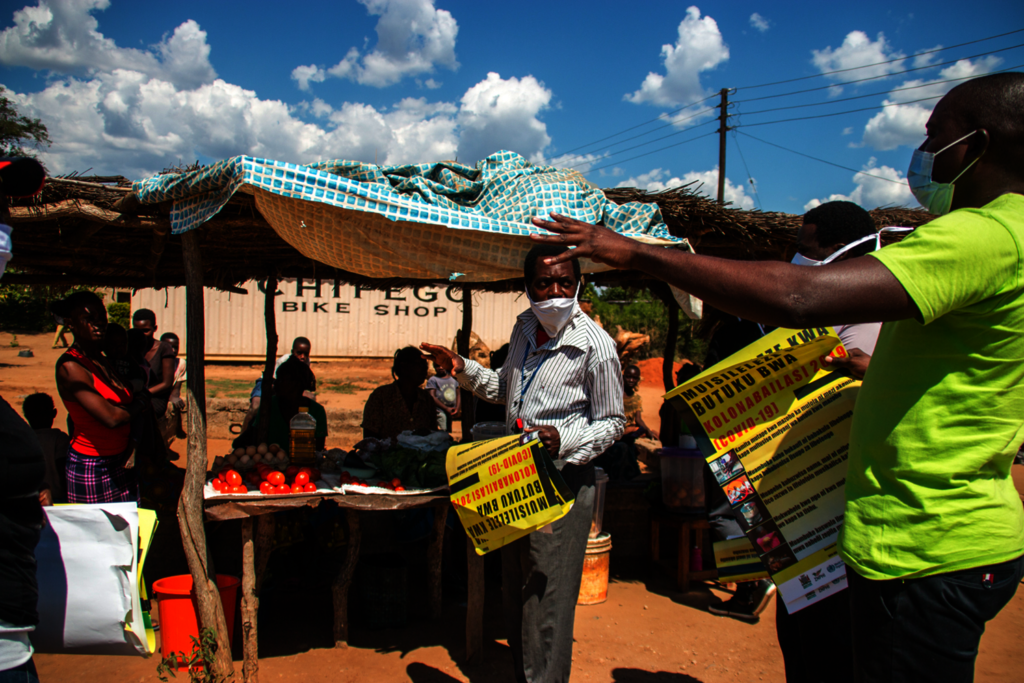
Within the Southern Province we have supported the response by acting as a link between the Provincial Health Office, NGO partners and the communities that we work in. Our efforts have been focussed in the following ways:
Over the next few months we will continue to support a co-ordinated response at a regional level, and support the adaptation of national guidelines as the situation evolves.
Project reports on GlobalGiving are posted directly to globalgiving.org by Project Leaders as they are completed, generally every 3-4 months. To protect the integrity of these documents, GlobalGiving does not alter them; therefore you may find some language or formatting issues.
If you donate to this project or have donated to this project, you can receive an email when this project posts a report. You can also subscribe for reports without donating.