By Yuko Okamura | Communications Associate
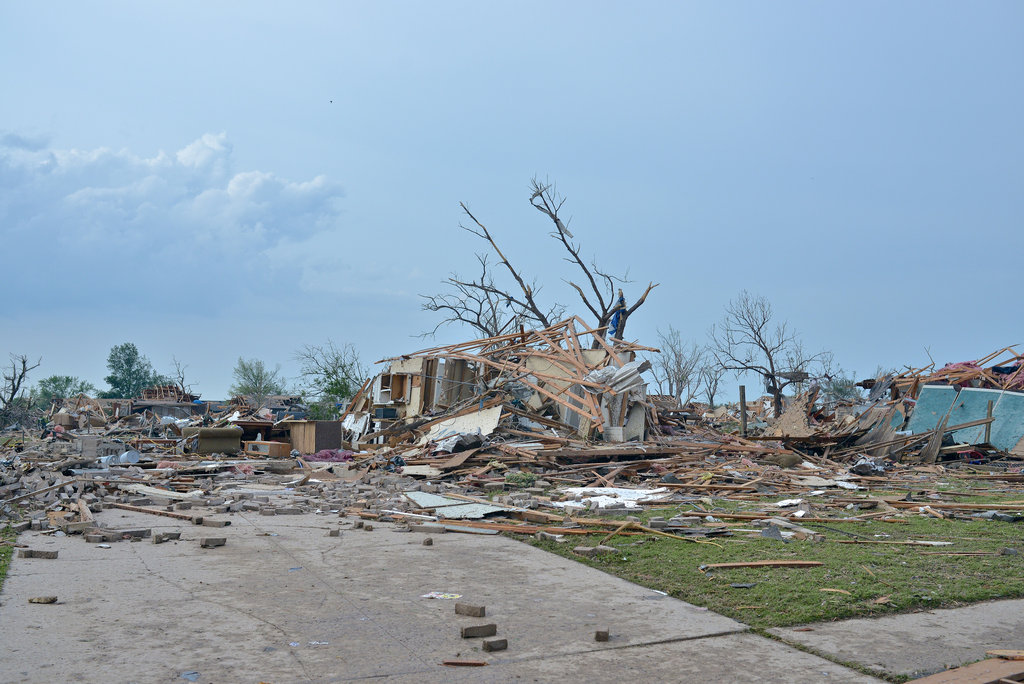
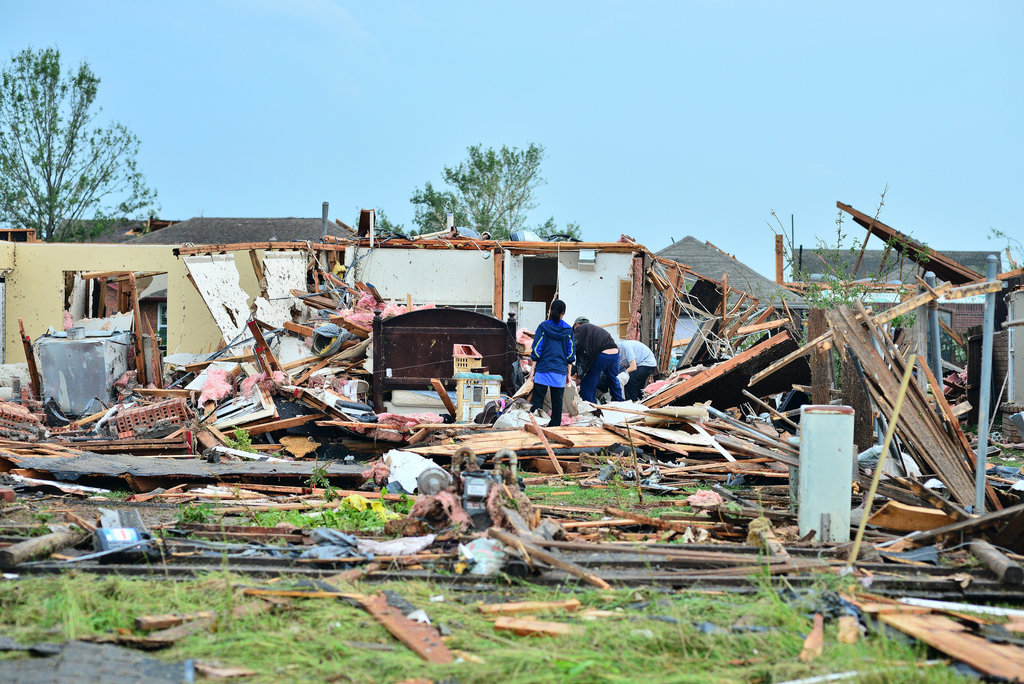
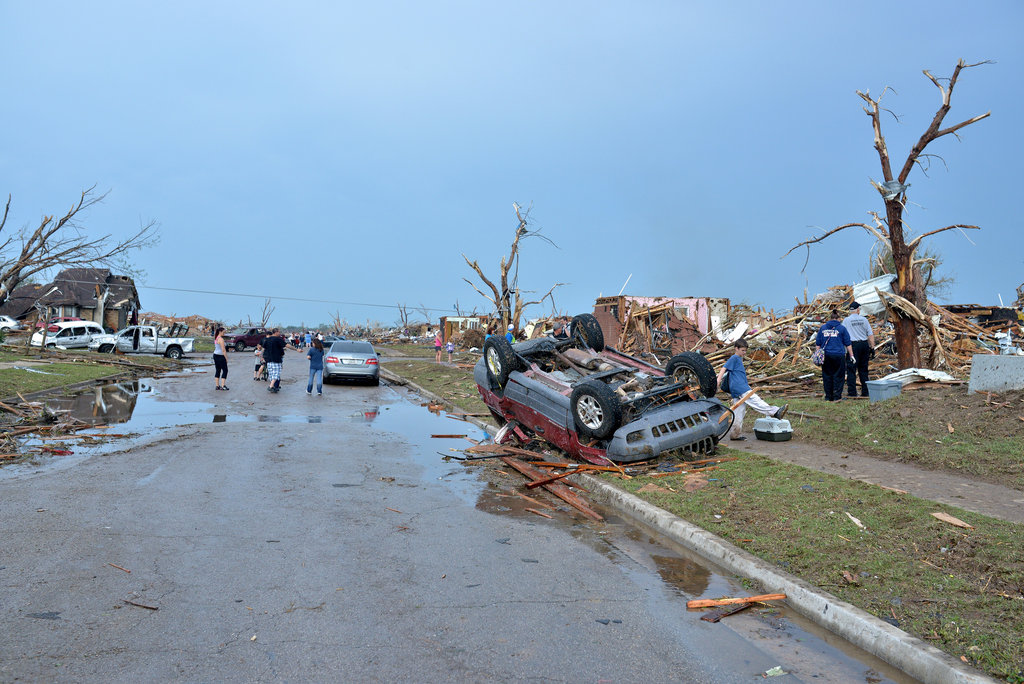
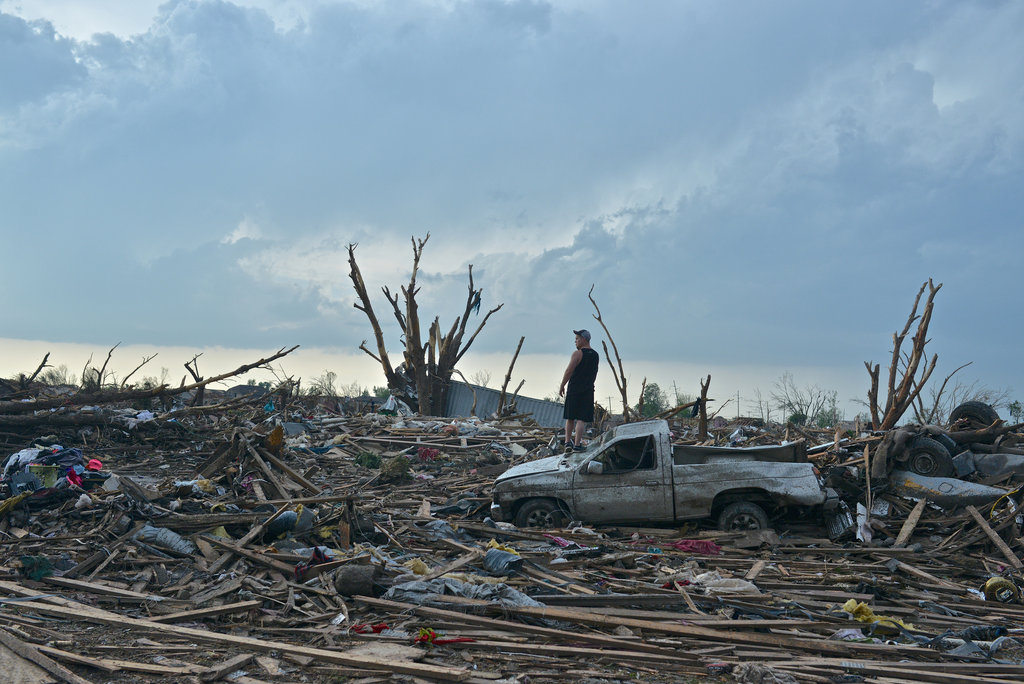
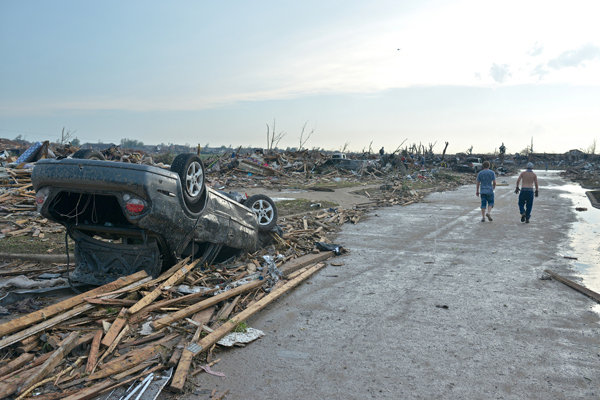
The destructive series of tornadoes that struck the city of Moore, Oklahoma and adjacent areas in 2013 brought to attention many of the region's vulnerabilities. Over 10,000 homes were damaged and more than 50 people lost their lives, in part due to inadequate preparation measures. Helping to address these needs, our Resilient Oklahoma program continues to move forward as Design Fellow Pearl Chen works with disaster management experts to support Oklahoma Emergency Management and FEMA in their Safe Schools 101 initiative.
With your and our partners' support, we're working to develop workshops and training programs that will work to lower the risk of disaster from future inevitable storms. We are grateful for every penny donated to help us get this program off the ground!
Please read an update from Pearl below for more information about the work we're doing there. We are closing this page on GlobalGiving, but our work will continue in Oklahoma. Stay tuned with us on our blog for future updates.
We hope you keep in touch with us at Architecture for Humanity as we continue to work at a local level to create, educate and promote effective building design that strengthens communities. Thank you for being a part of our team!
Update from the Field
You can be sure to find a deeply ingrained work ethic in a state whose motto is “Labor omnia vincit” – Labor conquers all things. Oklahoma is situated within an area of the Great Plains known colloquially as Tornado Alley, a region spanning from South Dakota to Central Texas with a disproportionately high frequency of tornadoes. In the face of the material and social struggles that emerge from the aftermath of severe natural disasters, the motto “Labor conquers all things,” begins to take on the form of a few important questions about what constitutes ‘Resilience’—questions we must continue to ask ourselves.
What kind of labor, or more simply put, hard work, needs to be undertaken in order to reduce risk and strengthen the communities that will inevitably bear the future storm? And, for any statement on ‘conquering’ to be valuable, the necessary question remains: What are the challenges we must collectively overcome?
Currently, as a Design Fellow in Oklahoma under the leadership of Architecture for Humanity, I am supporting Oklahoma Emergency Management and FEMA in their Safe Schools 101 initiative. This project was born out of the 2013 tornado that struck the city of Moore and adjacent areas. The EF5 tornado claimed the lives of many residents, seven of whom were third grade students taking shelter in a school hallway annex when a non-reinforced building wall within collapsed onto them. The purpose of Safe Schools 101 is to prevent, through risk analysis and information sharing, the future failure of school buildings that compromise the life-safety of students during violent storms.
Safe Schools 101: A Brief Overview
The state-sponsored program educates professionals in a 2-day workshop on components of storm hazards, risk assessment, and disaster mitigation. At the end of the training, students are assigned in groups to actual schools that have requested safety assessments. The site and building evaluation is guided by blueprints, digital assessment tools, and a detailed scoring sheet designed by Oklahoma Emergency Management to quantify and compare the safety of the school’s main evacuation areas. All of the information gathered is then compiled into a report letter to the school district explaining in detail the team’s findings and related recommendations. Schools are able to use this information to create more informed emergency plans and decide how to develop structurally. Solutions include installing storm shutters, constructing FEMA-standard safe rooms, or retrofitting entire school complexes.
Currently, I am working with Safe Schools 101 focused on content development for their training workshops. Based on my own observations and the feedback of previous students, the existing curriculum requires attention to consistency and clarity in its delivery to its audience. Improving the curriculum is important as ever, as cities across the Midwest have expressed interest in adopting the Safe Schools 101 program into their own state. I have been in regular contact with individuals in other related professions that can contribute meaningfully in what is oftentimes a complex organizational process. My hope is that this newly improved-upon material can serve as a solid foundation for Safe Schools 101 as they increase local training and assessment capacity, and potentially branch out nationwide through other innovative platforms.
I believe the next few months here will provide opportunities for deeper engagement with my earlier questions about the kind of work that needs to be done, and the challenges we must identify and overcome in our pursuit of a more resilient Oklahoma.
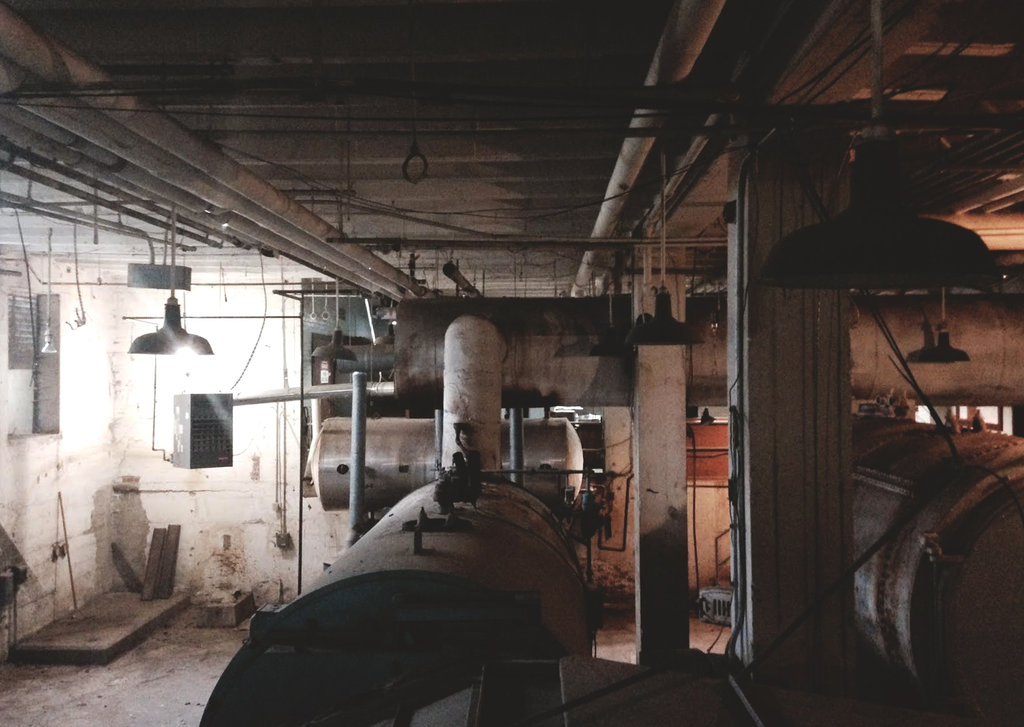
*Photo: Safe Schools 101 Site Assessment (Here is a 1937 boiler room under a school building being considered for a safe room retrofit). Tulsa, Oklahoma.
Meet Design Fellow, Pearl Chen
Pearl Grace is originally from Austin, Texas and is currently our Design Fellow focusing on Disaster Preparedness Planning & Resiliency for the Oklahoma City Region. Her work has previously dealt with vulnerable populations both in the US and abroad. Her international work has been dedicated to improving the quality of life in informal settlements by addressing critical needs related to public and environmental health, and community infrastructure. Back in Austin, she worked to promote educational equity within East Austin housing project developments. Pearl has an academic background in Geography, Architectural Studies, and Urban Planning.
Links:
Project reports on GlobalGiving are posted directly to globalgiving.org by Project Leaders as they are completed, generally every 3-4 months. To protect the integrity of these documents, GlobalGiving does not alter them; therefore you may find some language or formatting issues.
If you donate to this project or have donated to this project, you can receive an email when this project posts a report. You can also subscribe for reports without donating.