By Kimberly Chua | Development Officer
Thank you for your amazing support of the Wildlife Conservation Society's efforts to save our oceans! Some great conservation news from Belize:
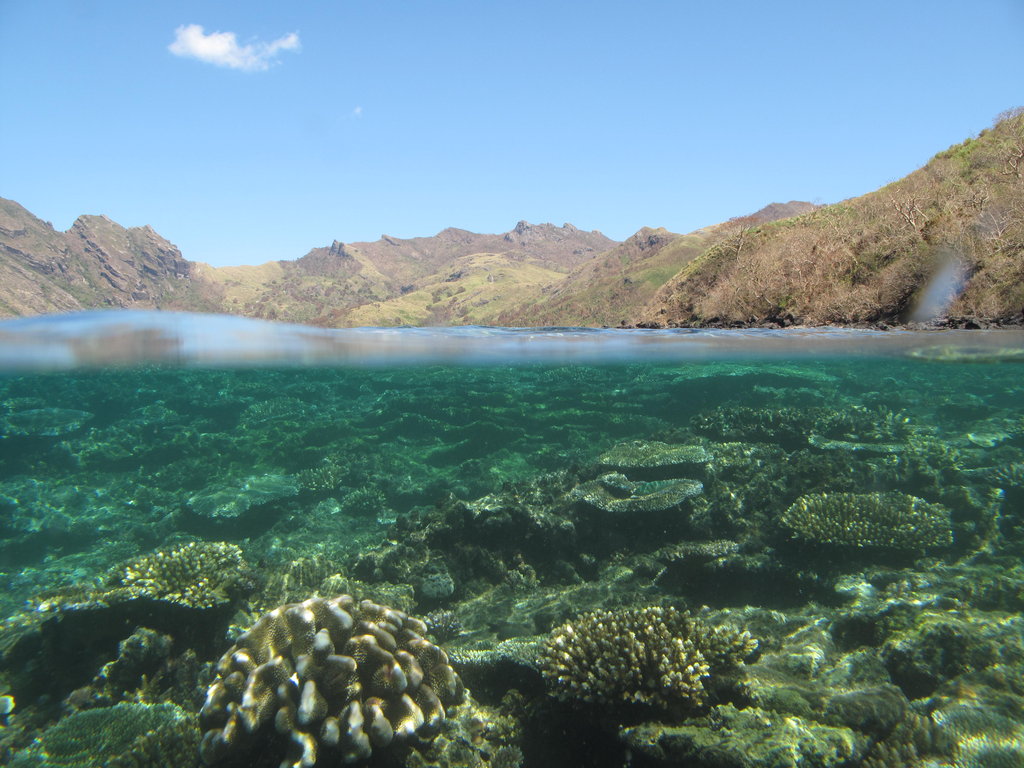
Seeking to gain a high-tech edge over illegal fishers, the Government of Belize will use “eyes in the sky” to enforce fishing regulations in the biodiverse Glover’s Reef Marine Reserve and other reef systems in what is the first use of conservation drones to monitor marine protected areas.
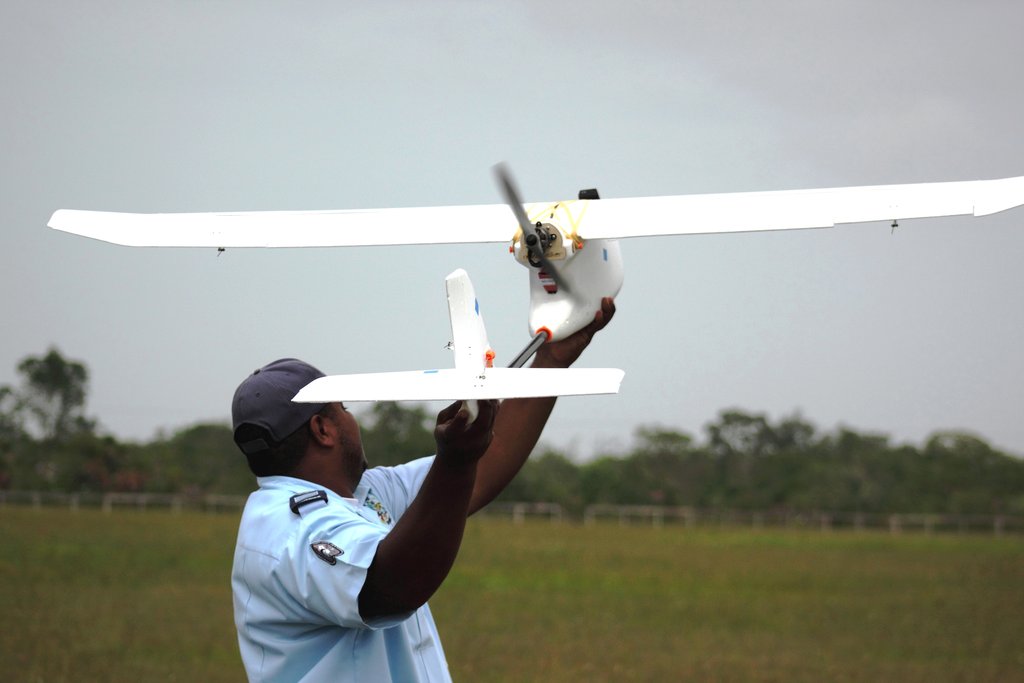
With technical assistance from WCS, the Belize Fisheries Department initiated a new monitoring program using unmanned aerial vehicles (i.e. conservation drones) to curtail unsustainable levels of illegal fishing. Besides coastal development, unregulated and unreported fishing are some of the largest threats to Belize’s fishing industry.
Conservation drones also are being used for wildlife monitoring and for support in the enforcement of terrestrial protected areas. The unmanned aerial vehicles can fly autonomously for over an hour at a time with a range of more than 50 kilometers, and are capable of taking high-resolution photographs and video.
Program participants from WCS, the Belize Fisheries Department, and Conservation Drones.org fully implemented the drone program in early June, following testing that began last July. The drones will enable government officials to remotely locate fishing vessels illegally operating in marine protected areas or in areas with seasonal closures. Once located, patrol vessels can conduct seagoing searches more efficiently.
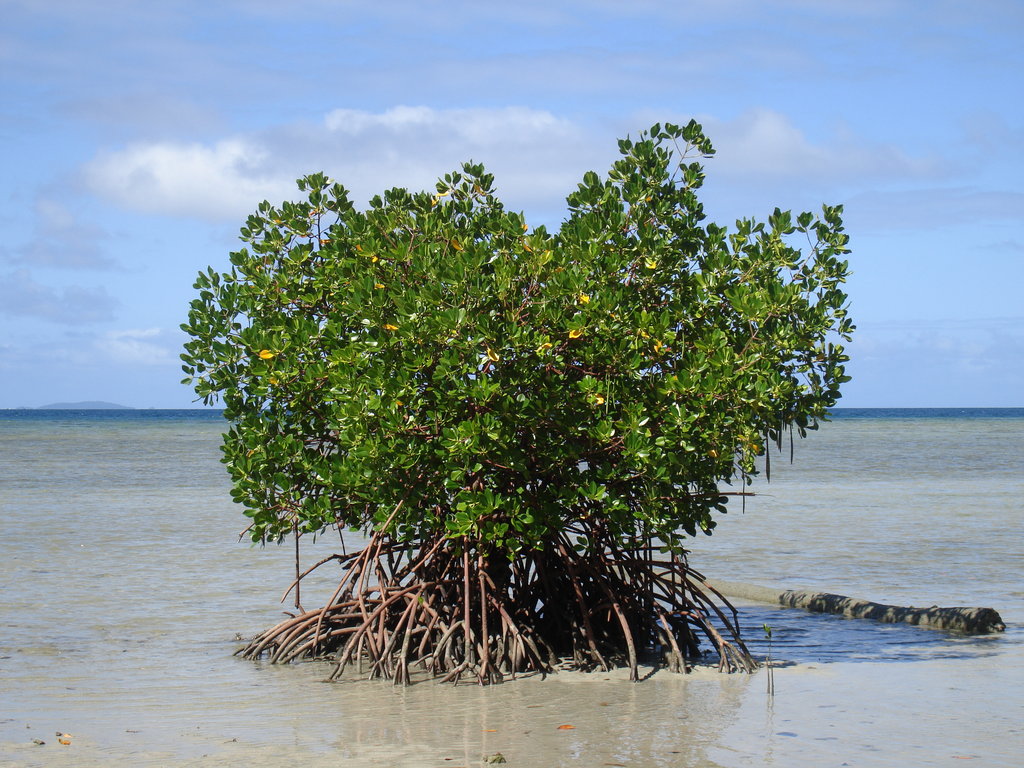
Drones will also allow government officials to monitor for illegal activities in coastal areas, which are often hidden from view by mangrove forests. Fishers have been known to hide illegal conch catches in these coastal forests.
“This exciting new enforcement tool will help the government and local communities protect their most valuable assets—the fisheries and coral reefs of Belize’s coastal waters,” said Dr. Caleb McClennen, Executive Director of WCS Marine Conservation. “The world’s oceans are in dire need of low cost innovations for improving the cost efficiency and effectiveness of enforcement efforts. This represents an exciting pilot program for Belize, the wider Caribbean, and nearshore marine parks and fisheries around the world.”
Photo credit: Julio Maaz/WCS
Project reports on GlobalGiving are posted directly to globalgiving.org by Project Leaders as they are completed, generally every 3-4 months. To protect the integrity of these documents, GlobalGiving does not alter them; therefore you may find some language or formatting issues.
If you donate to this project or have donated to this project, you can receive an email when this project posts a report. You can also subscribe for reports without donating.