By ALOYO INNOCENT JESSIE | Project Leader
1. Long Term Survival Skills Training.
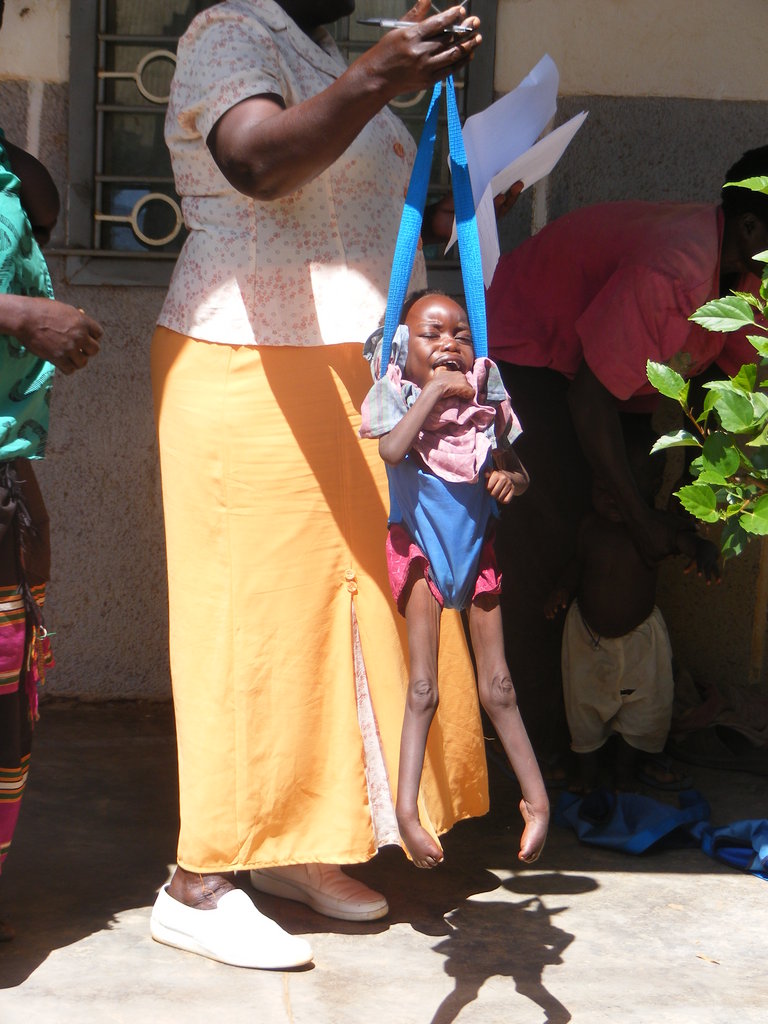
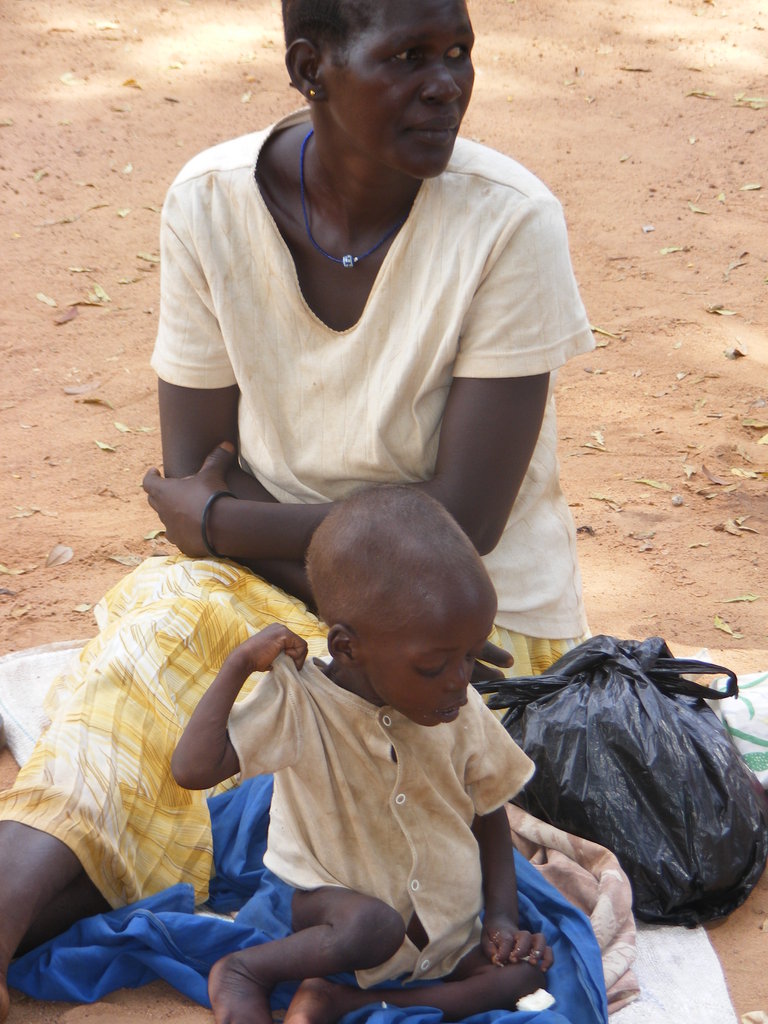
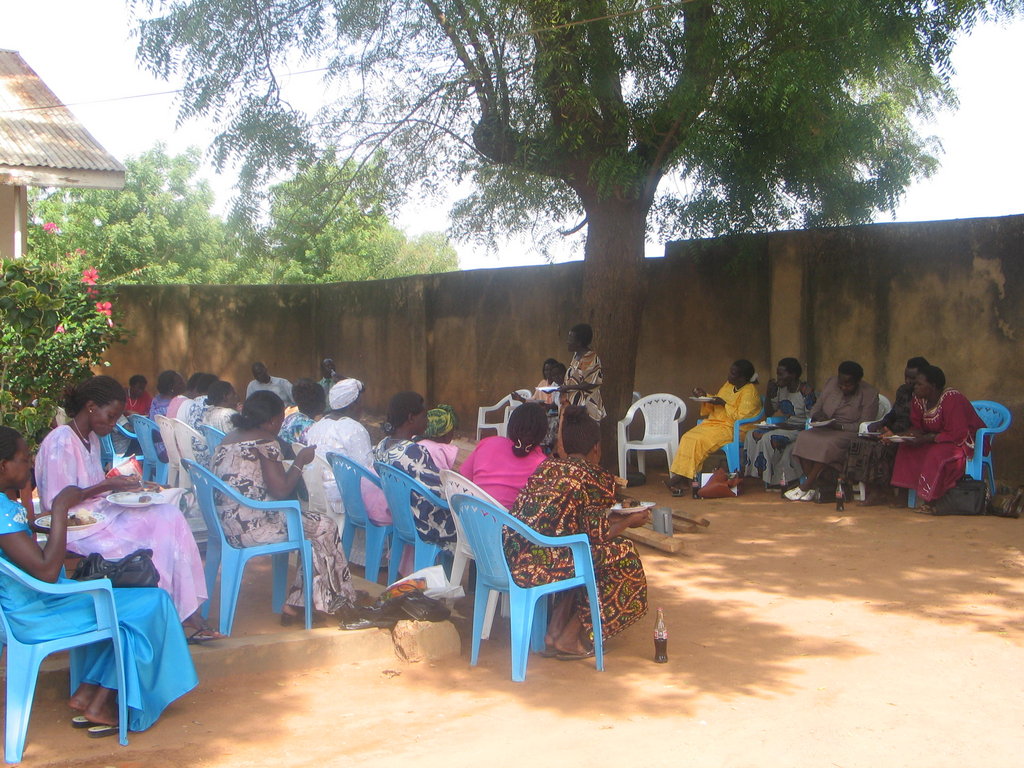
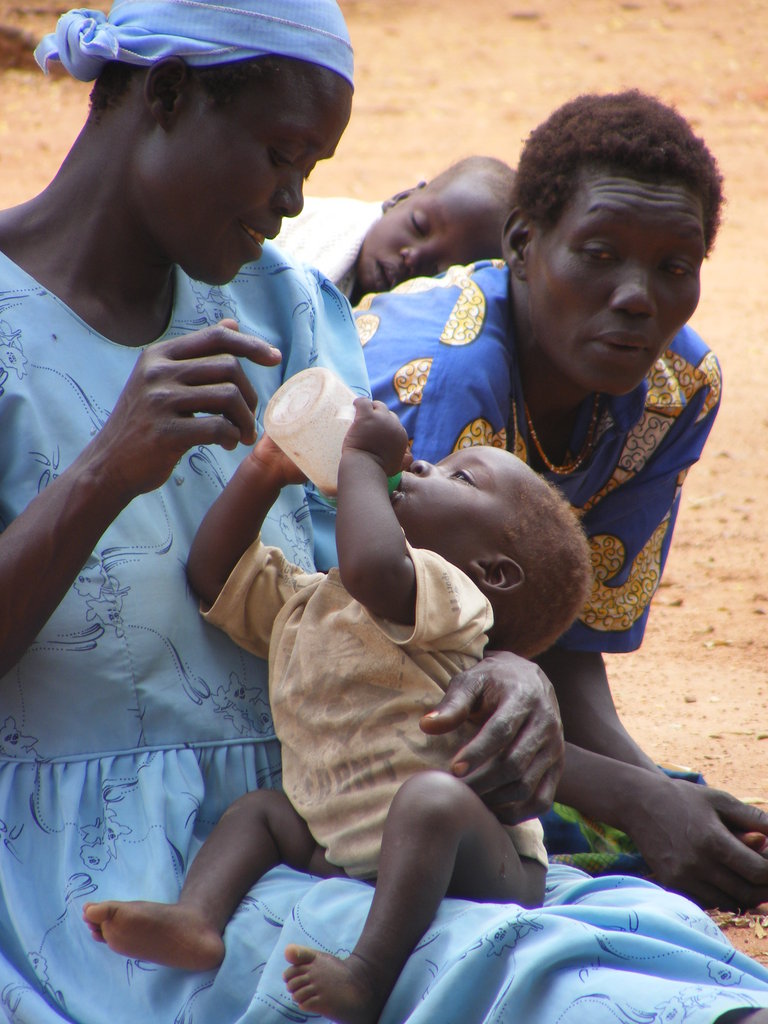
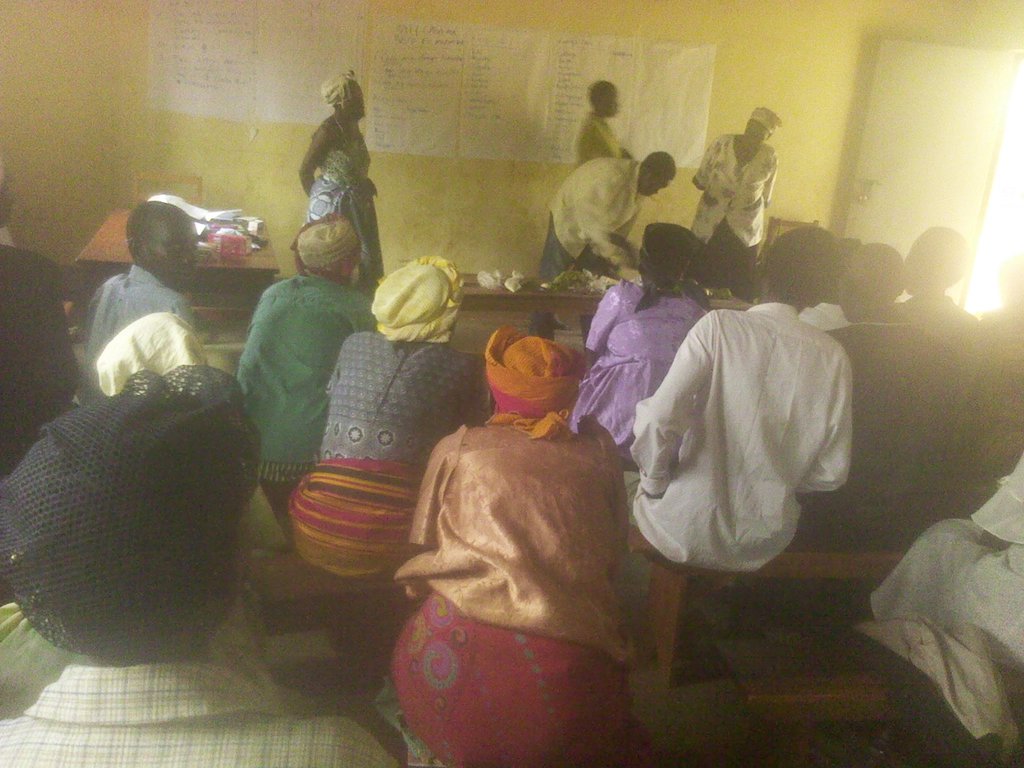
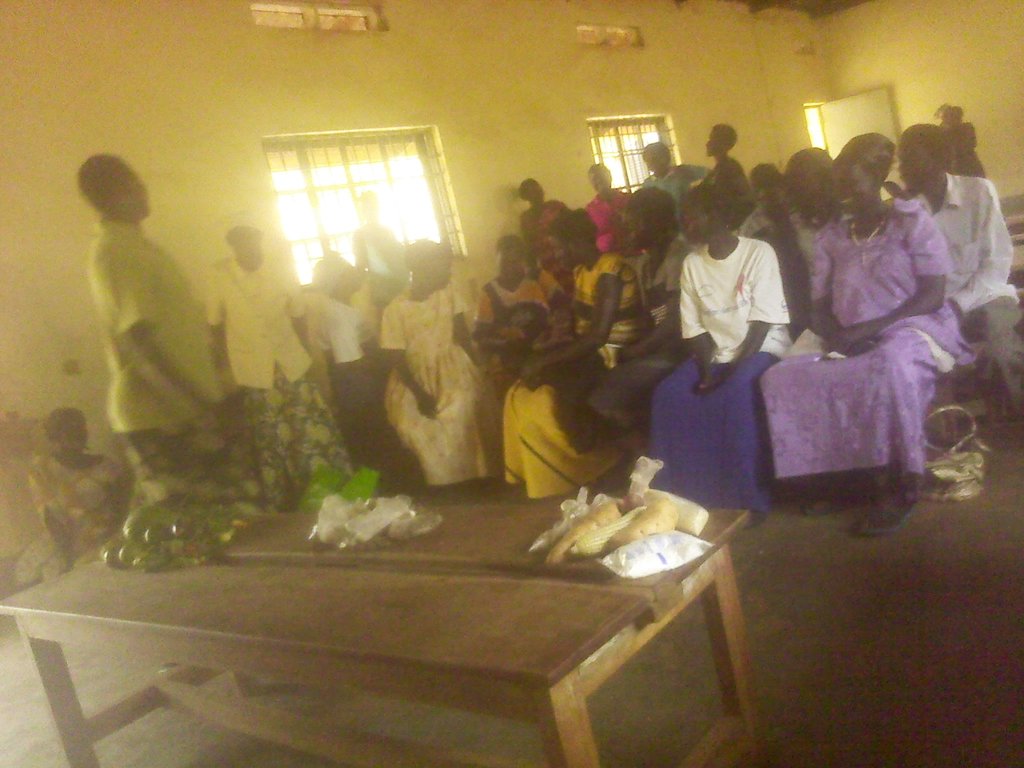
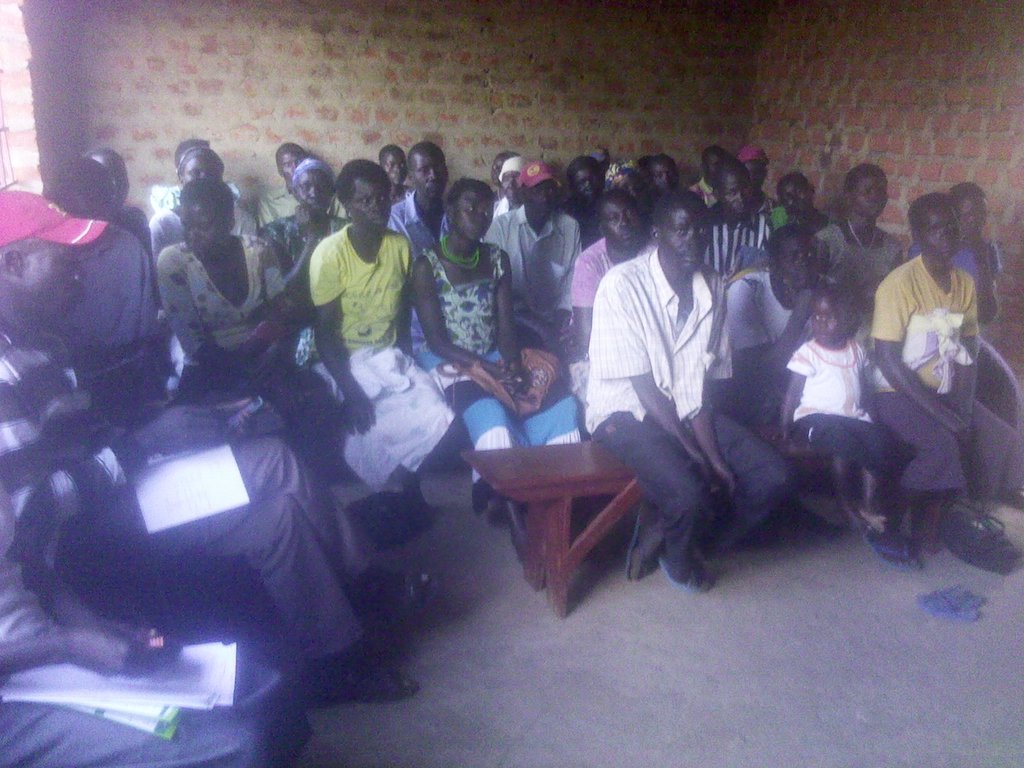
Recognizing that food insecurity and low nutritional status can be a causal factor as well as a consequence, deliberate programme for capacity building and empowerment of PLHA (People Living with HIV/AIDS) in terms of skills building for better feeding and positive living are urgent for self reliance and advocacy for their food and nutrition as well as treatment rights. In line with this, the River Fund Kitgum conducted training on long term survival skills and better feeding approaches for PLHA.The training participants were both men and women living positively as well as care givers and parents of HIV positive children who are being supported in education by the Association. The training looked at the table of health, and explained the food groups for wellbeing of a person. A total of 47 (Male 05: Female 42) Participants attended the training.
The Objectives of the training were
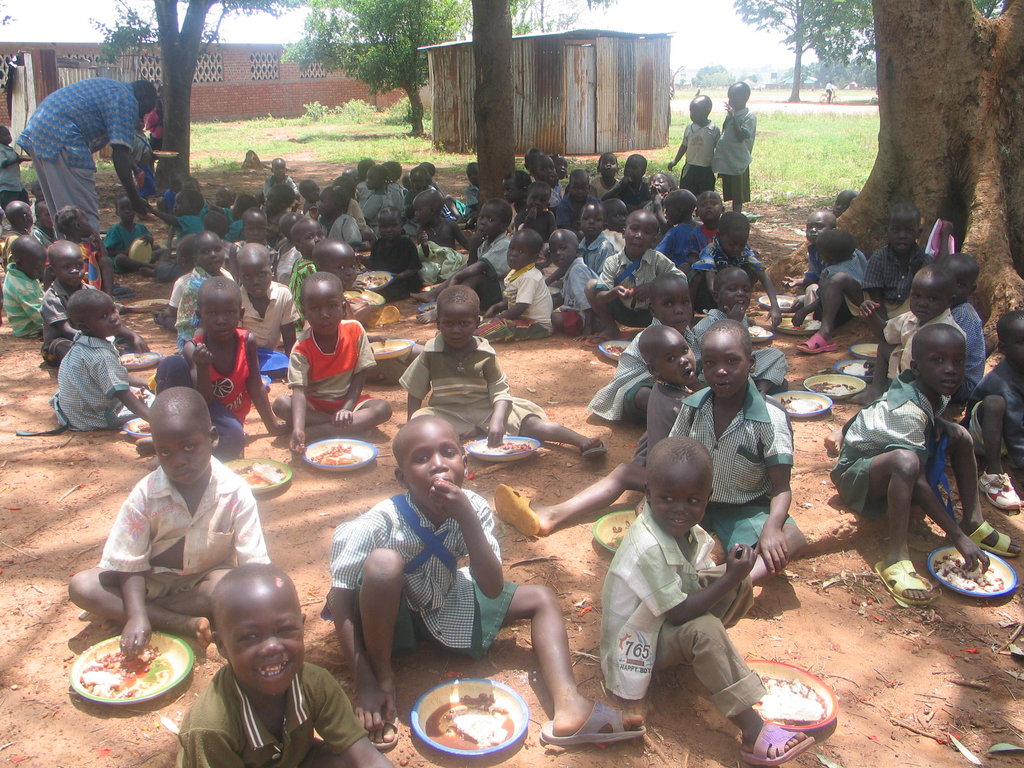
The training explained how one can provide a complete meal with the use of the local available foods that are grown in their backyard without spending any or much money to acquire them.
It further explained why as a PLHA it is important to live a fruitful and productive positive life. The illustration of table of health was used to enable the participants to understand the important aspect of health. The table of health explains the relationship and interdependence of health on the nutrition (top) to the four legs of the table (one representing the mental health, another the physical well being, spiritual life and the fourth the social relations and support a person has and gets).All the five aspects must be accorded equal consideration for one to have a longer life.
Findings:
Despite the many community education and sensitization carried out by government and other civil society organization implementing HIV/AIDs projects, many PLHAs still express wrong notions that one can get cured of HIV citing situations that some people have been tested to be negative after taking ARVs for many years. This thinking is reported to be encouraging behaviors that increase the spread of the HIV virus and behaviors that discourage positive living like excessive alcohol consumption, engaging in extra marital affairs/having multiple sexual partners, and failure to adhere to drug intake.
2. Community sensitization outreach programme.
With the need to reach more people, the group conducted sensitization and education to 8 chapels within Christ the King parish in Kitgum.A total of 624 people(Male 297: Female 327) were reached. This was purposely done to provide information and education the Christians on HIV/AIDs, Positive Living and proper feeding to revitalize their health. Being a group formed by women from within the church well aware that many people are getting infected and affected by the virus due to the lack of information on prevention and other educative messages in place in the parishes and chapels, the Association believes that with extensive engagement in community education and sensitization and with the use of referral mechanisms, many people will be able to receive better health services and attain improved health. The initiative must therefore be conducted at different levels to ensure that as many people as possible are reached.
Findings:
Challenges:
Transport to the chapels was a challenge due to distance and lack of transport means. The group members depended on hired transport means which was expensive.
Conclusion:
The findings from both the training and the outreach illustrates the need for further community engagement and education to encourage more people to come up and test for HIV and if one is positive to encourage adherence to treatment and doctor’s advice to promote positive living and long life.
We would like to thank our donor for the continued partnership in providing service to the needy community of Northern Uganda. Without this support, the activities mentioned would not have been carried out.It is our wish that the partnership continues to strengthen the approaches to contribute to the mitigation of the impact of HIV & AIDS on the people we work with and for.
Project reports on GlobalGiving are posted directly to globalgiving.org by Project Leaders as they are completed, generally every 3-4 months. To protect the integrity of these documents, GlobalGiving does not alter them; therefore you may find some language or formatting issues.
If you donate to this project or have donated to this project, you can receive an email when this project posts a report. You can also subscribe for reports without donating.