By Margaret Acayo | Program Coordinator
ACTIVITY REPORT FOR 1ST QUARTER 2019
INTRODUCTION
This is the first quarter report of 2019 for the project titled: Feed, Educate and Empower Women of Acholi Region sponsored by GlobalGiving.
The project is implemented by River Fund HIV/AIDS Family Support Women Association a registered Community Based Organization located in Kitgum district, Northern Uganda. The association founded in 2007 by a group of motivated and committed women, aims at improving the quality of life of persons infected and affected by HIV/AIDS and life threatening diseases, sponsorship and mentorship of vulnerable girls in schools.
Feed Educate Empower Women of Acholi has 3 target beneficiaries/components:
The River Fund USA through its executive Director provide Leadership to the project.
Support to families of children with nodding syndrome
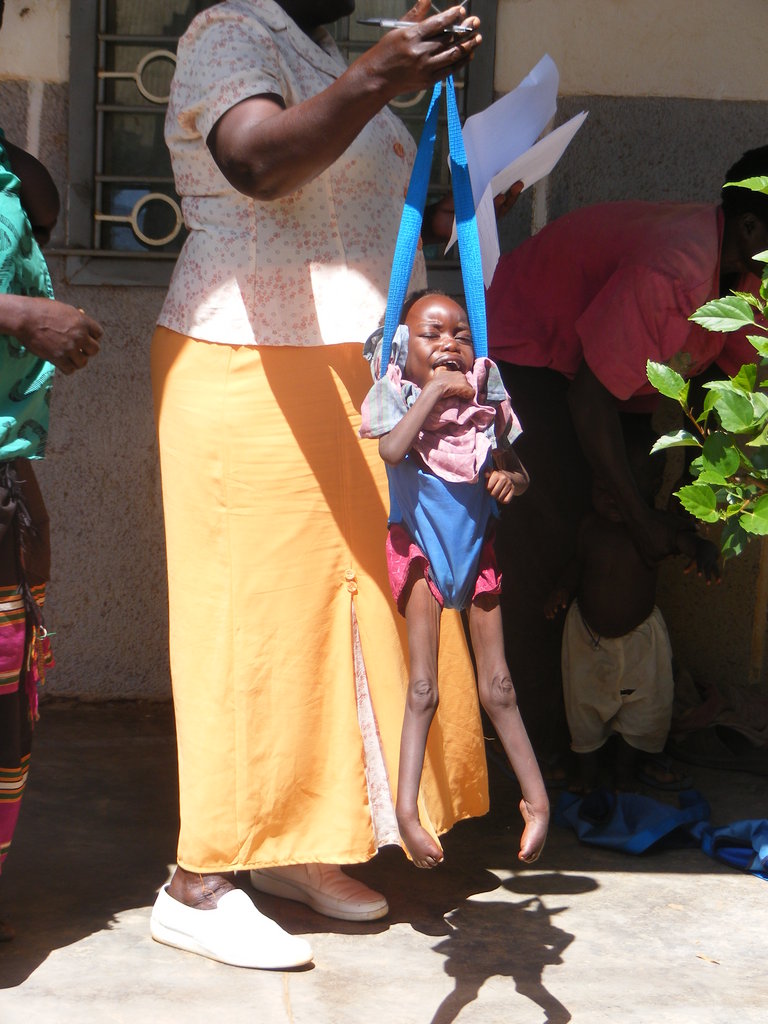
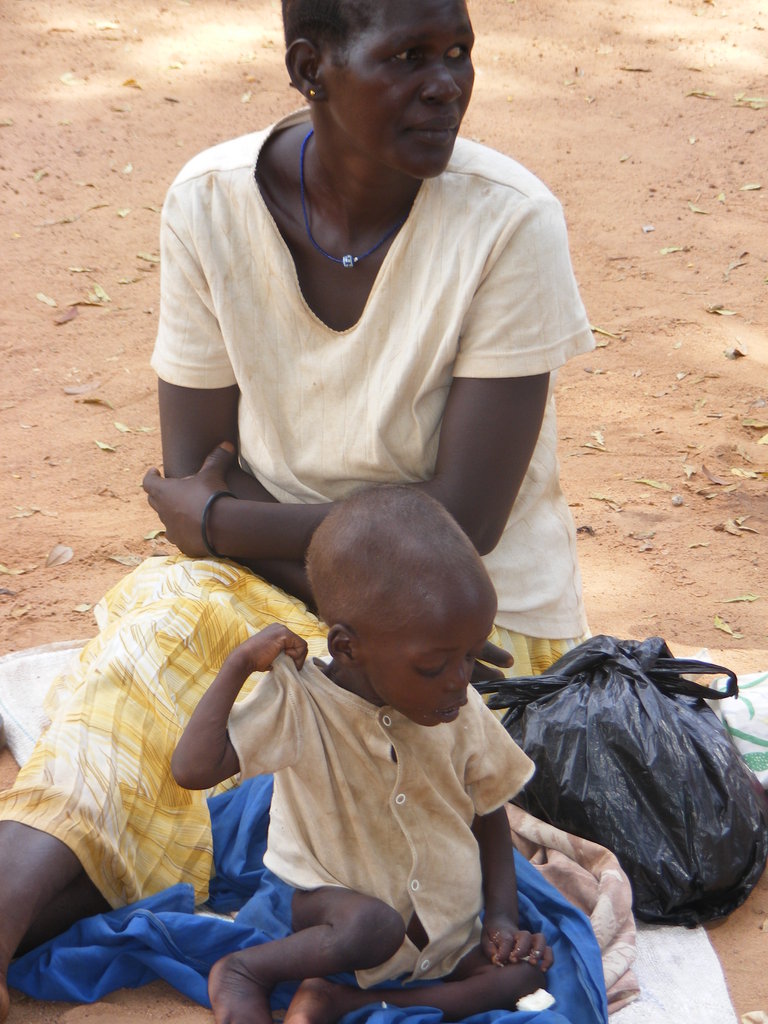
The nodding syndrome is a condition which first came to the notice of the authorities in 2009 as people of northern Uganda returned homes after years of living in squalid internally displaced people’s camps (IDPs) due to more than 20 years of the LRA war. The condition derives its name from its characteristic symptoms of head nodding often triggered by presence of food or exposure to cold. NS affects mainly children and is condition which leads to stunted growth, seizures, body weakness and emaciations.
Apart from the health consequences, families of victims suffer trauma with some turning to alcohol as coping mechanism. A lot of productive time is spent on minding the children from wandering, off getting drowned in rivers/ponds or falling in fires.
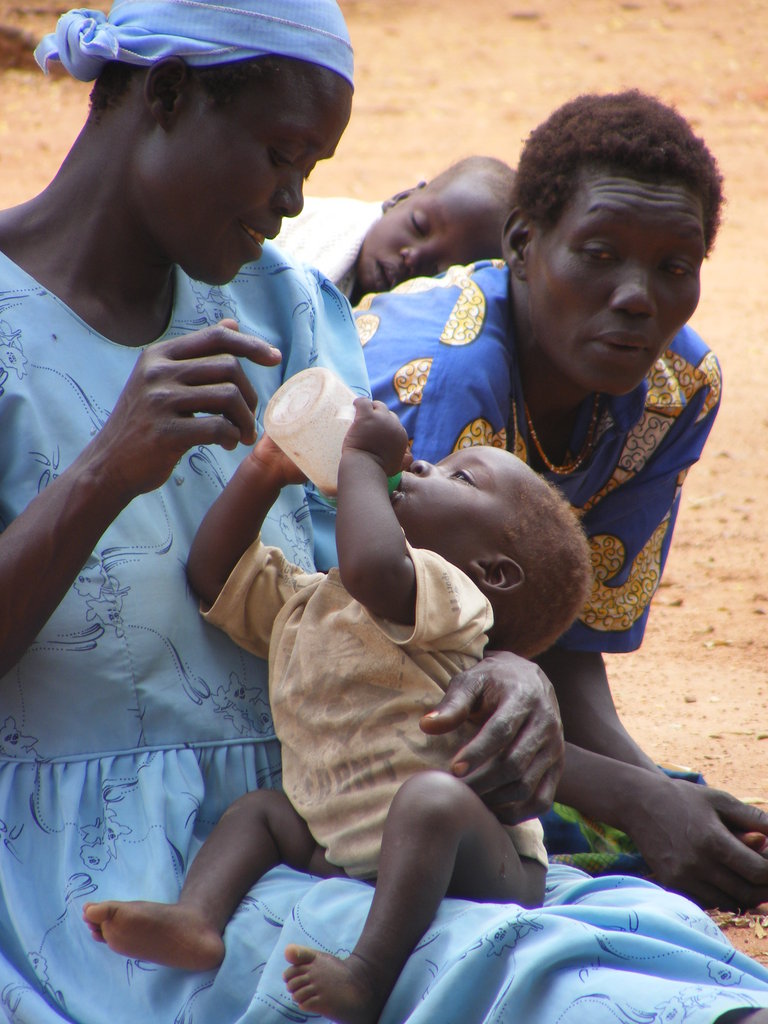
Women bear the heaviest burden of the disease as they struggle to provide food, and care for the children and the entire households.
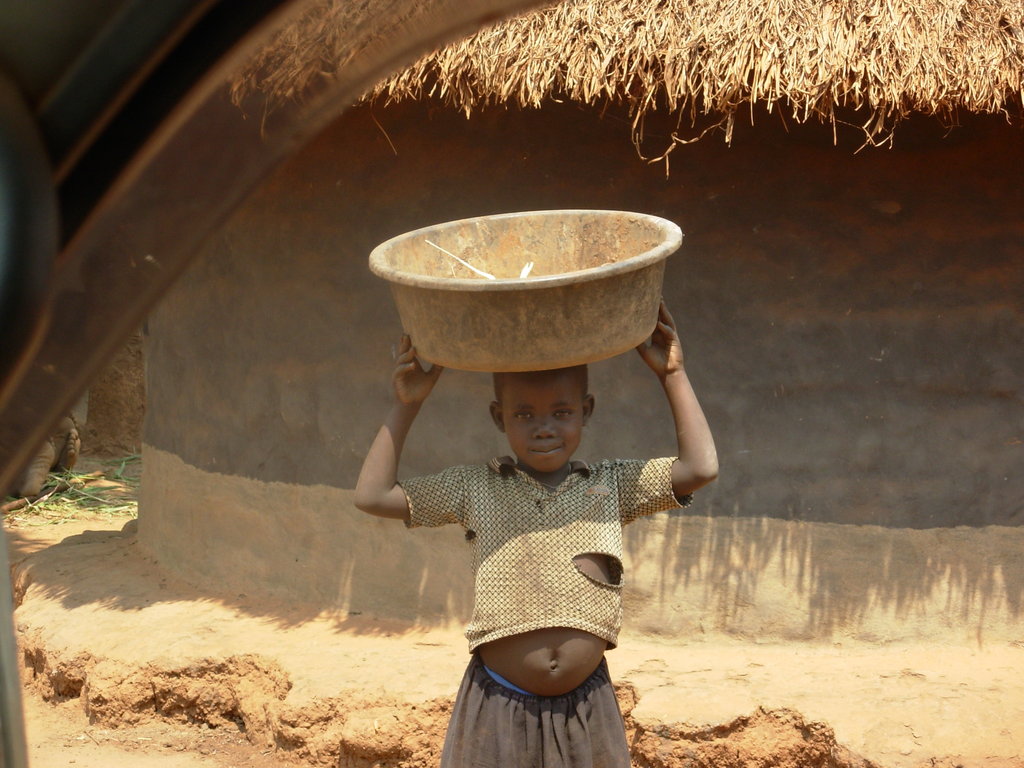
The Feed Educate and Empower Women and Girls of Acholi project provide much needed food and non food items and psychosocial support to victims their families in Okidi Parish, Labongo Amida sub county, Kitgum district. A total of 34 households are benefiting from the project with 51 children. On an average there are 7 persons per household. This translates to 238 people receiving support under the project. It should be noted that this is only a small portion of victims since it is estimated by authorities that there are about 535 victims in the area of Okidi and neighboring parish of Tumangur.
Activities carried out this quarter;
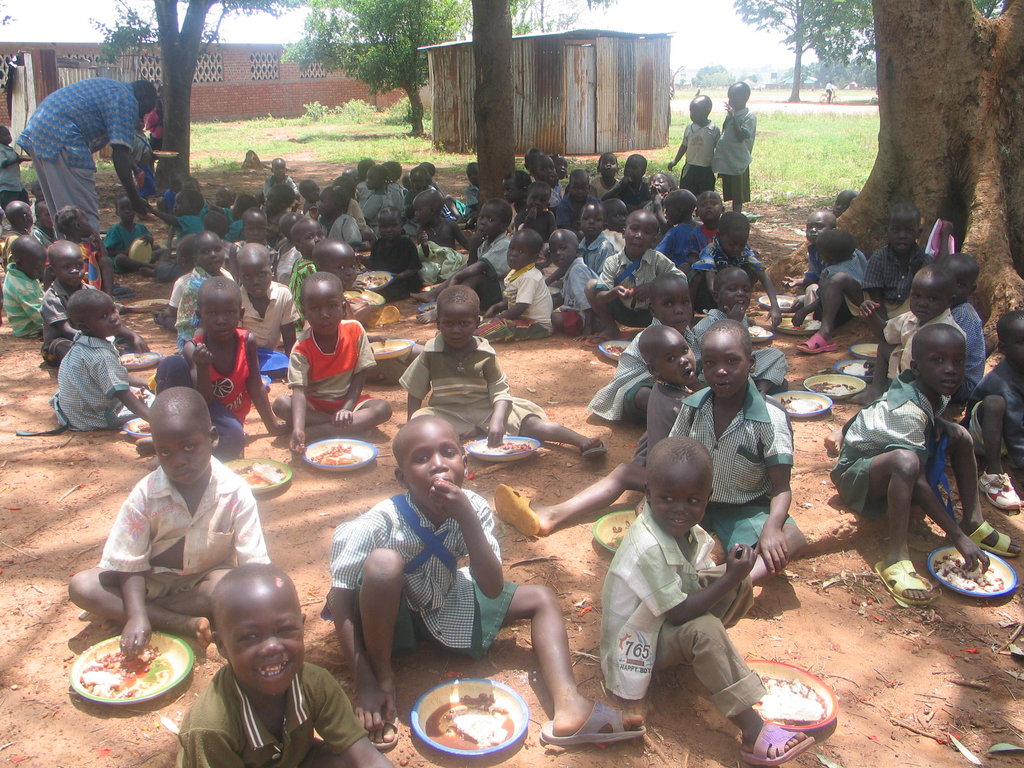
A total of 34 households received the following items each
Posho 25kgs
Beans 6kg
Cooking oil 3litres
Sugar 5kg
Salt 5packets
Silverfish 2 basins
Washing soap 5bars
3 packets of sanitary pads were provided each to 16 girls
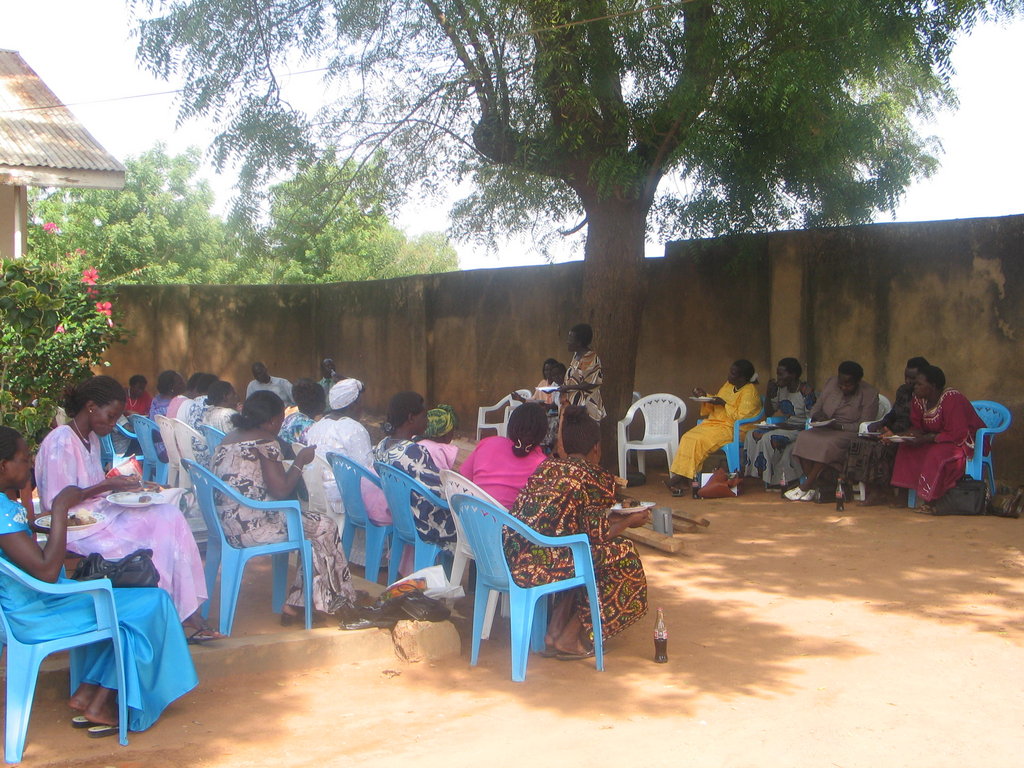
One session of group counseling was conducted for 43 parents and caregivers, discussing challenges and how to overcome them and generally showing them that out there, are people who care.
Challenges
Observations and recommendations
Conclusion
The general physical appearance of the children have improved and we thank the donors of GlobalGiving and The River Fund USA for their continued support
Girls’ Education - Activities carried out
A mentorship program where each girl under sponsorship has a mentor has been initiated. The mentors are drawn from members of the association. Mentors act as role model, guide and counsel. The girls on their studies and personal issues, two visits to the school took place this quarter
The performances of the girls are good except at Kitgum Comprehensive College who is doing poorly
Currently there are 12 girls under sponsorship in the following schools;
St. Bakhita Secondary School-5 girls all in S.3
Y.Y.Okot Girls’ Memorial; School-5 girls all in S.4
Kitgum Comprehensive College-2 girls in S.4
School fees have been paid for all the 12 girls
Sanitary pads were distributed to all the 12 girls each receiving 3 packets. This supports is to enable girls keep hygiene and reduced on absence from classes.
Challenges identified:
1) Failure by some parents to meet their contributions
2) Increase amount of school fees.
3) Inadequate skills in computer and documentation.
Future Plans and Recommendation
Conclusion
Performances of the girls are encouraging and we hope they keep it up. For the one ot to lagging behind special efforts will be made to help them pull up. We thank GlobalGiving and The River Fund for their support.
Project reports on GlobalGiving are posted directly to globalgiving.org by Project Leaders as they are completed, generally every 3-4 months. To protect the integrity of these documents, GlobalGiving does not alter them; therefore you may find some language or formatting issues.
If you donate to this project or have donated to this project, you can receive an email when this project posts a report. You can also subscribe for reports without donating.