By Virginia Talens | Project leader
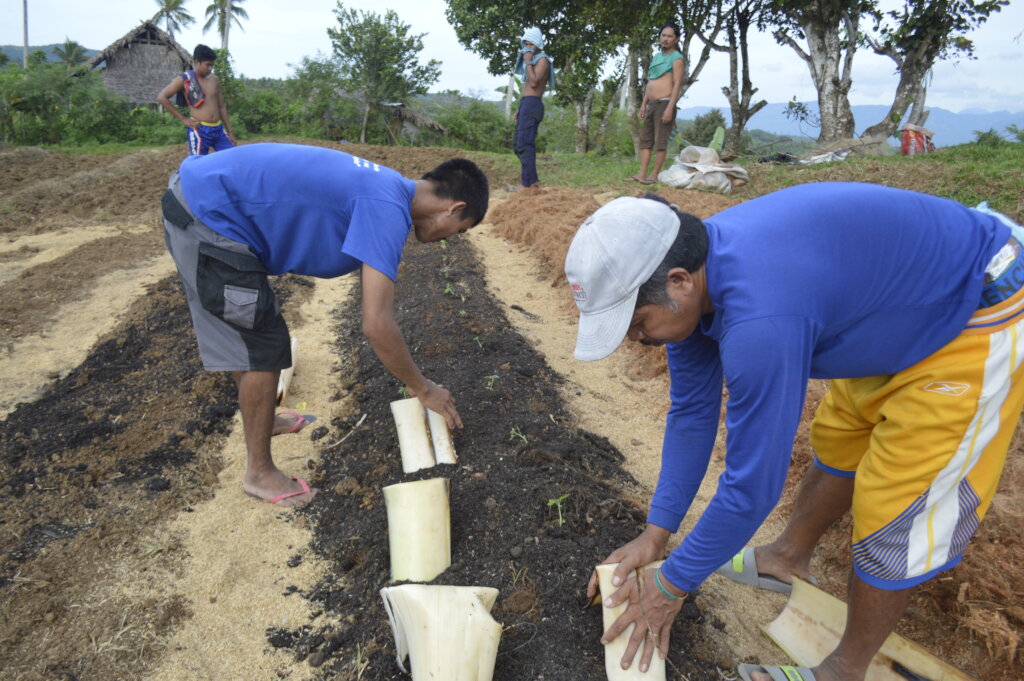
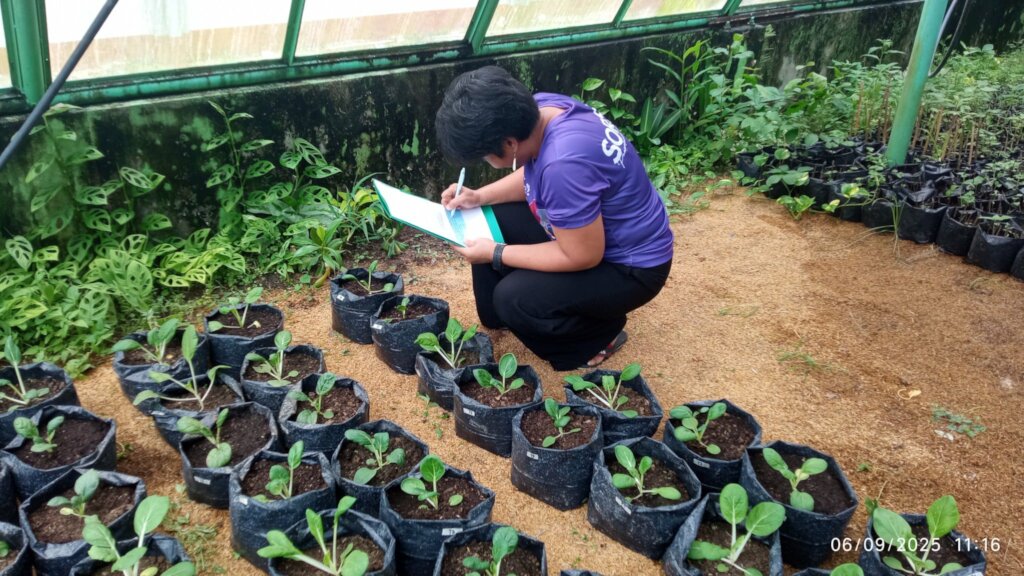
The El Nino has set in in the countryside with almost zero rainfall since February. Juniper(not his real name) a youth farmer from Albay, a farming province in the Bicol region practices agroecology using compost he makes himself to ensure safe and healthy food for his elderly kin , very young nephews and nieces and even neighbors who benefit from his shared produce of root vegetables, eggplant, okra, yard beans and corn. But the El Nino has set in. Julius is worried that he may not be able to plant the main crop of rice by June or July due to lack of rain. Not to be deterred, he proceeded to survey the soil which has tasted organic farming for three years now,chemical and erosion free. He planted corn and some vegetables which he waters from a nearby creek that has not yet dried up.Corn has started to flower, while the vegetables have been picked for the family table. Compost has rendered his soil resilient from the dry spell with its physical moisture more superior than soil from nearby farms. During this window period of mild El Nino (going towards severe by September ), Juniper was able to provide food for his family.
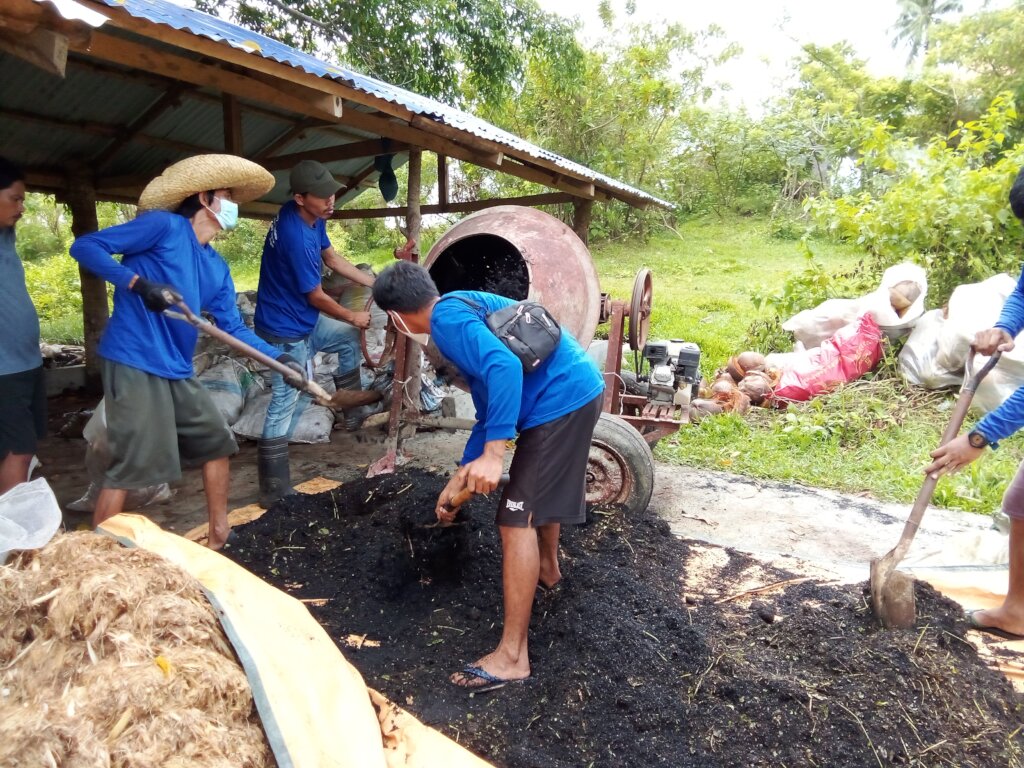
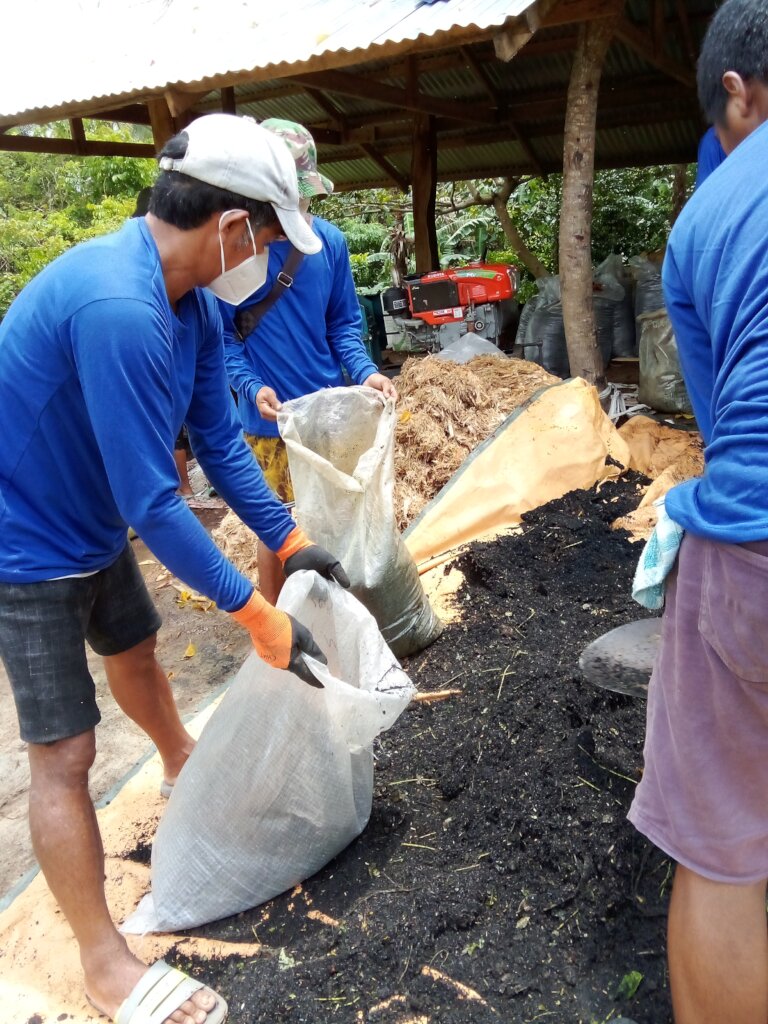
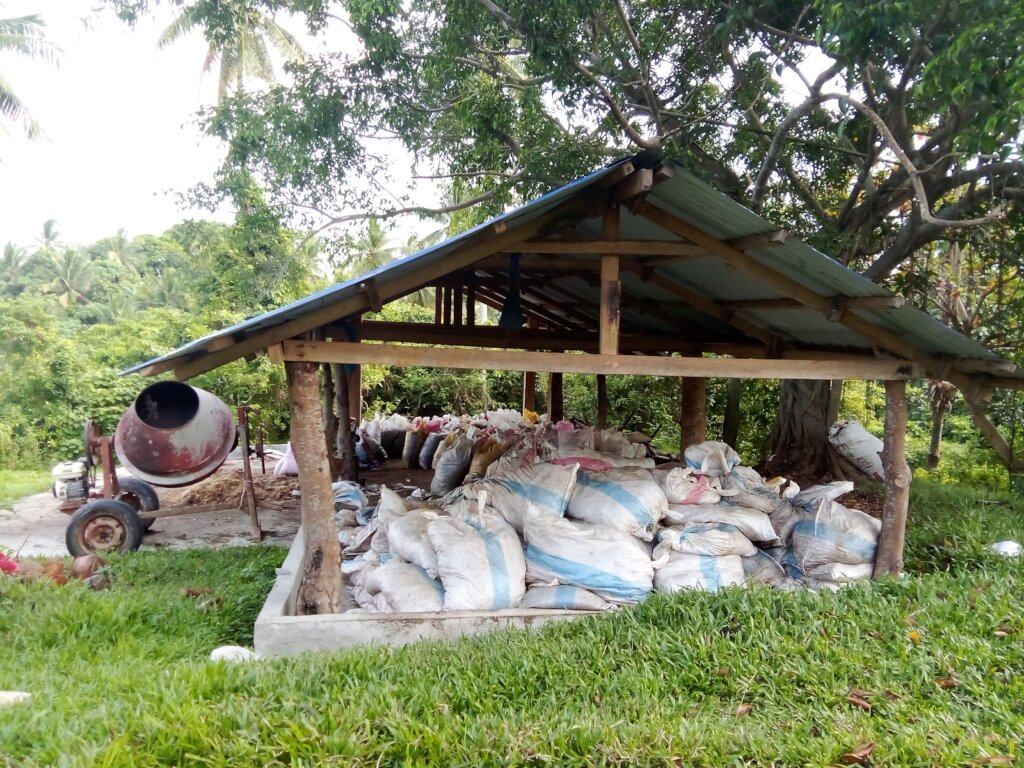
Juniper teaches compost making at the Bicol Farmer School or BFS a learning hub for youth farmers wanting to transition from conventional farming to one that is more in unity with nature called agroecology. He was able to teach several farmers in his area community how to make it using readily available materials at almost no cost.Laborious though , compost making has many advantages.
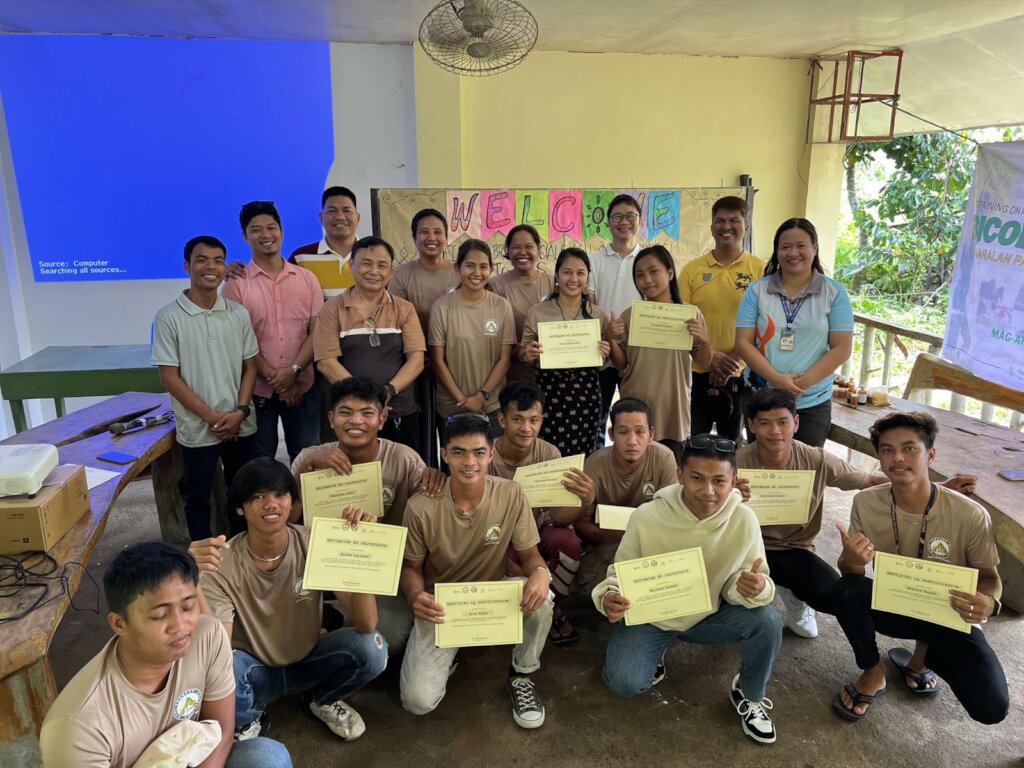
The Bicol farmer school has also held seven compost making trainings since the start of the year in different communities around the region.
The valuable contributions of our GlobalGiving donors were used to purchase teaching aids and materials during these knowledge exchange trainings on compost making, crop diversification and agroecology practices vital to addressing the El Nino.CCNCI and the Bicol farmer school continue to visit farms of the farm school students to monitor and document best practices for climate change adaptation and share these with the conventional farmers in informal discussions and engagements . Composting is life.It is nurturing, a wellspring of surprising possibilities for the farmer and his surroundings but an enabling environment is needed to scale this up--equipment, transport,land , trainings, laws and ordinances to ensure technical support. For now, we do it little by little, with results yes and hope . We keep on going because climate change is here and the crisis is real…
This is a continuing project.
Links:
Project reports on GlobalGiving are posted directly to globalgiving.org by Project Leaders as they are completed, generally every 3-4 months. To protect the integrity of these documents, GlobalGiving does not alter them; therefore you may find some language or formatting issues.
If you donate to this project or have donated to this project, you can receive an email when this project posts a report. You can also subscribe for reports without donating.



Support this important cause by creating a personalized fundraising page.
Start a Fundraiser