By Renee Leeuwner | Community Fundraiser
In 2006, a Learn-to-Swim teacher named Eoudia Erasmus walked into classrooms around Ceres with a simple but powerful mission: to teach children how to be safe around water. She had seen too many young lives at risk in communities where rivers, dams, and farm reservoirs became playgrounds for unsupervised children. That year, she reached 6 500 children with lessons in water safety.
Eoudia remembers those early days vividly. “The children, especially those from farm schools, showed great excitement and interest. They participated with enthusiasm, and teachers were so grateful for the lessons. These early experiences definitely confirmed the importance of continuing and growing the programme.”
But growth did not come easily. Funding and transport were constant challenges, particularly in rural areas where drowning risks were highest. What kept the programme alive was passion – hers, her fellow instructors’, and that of leaders like Andrew Ingram, who guided the team with unwavering belief in its potential.
Step by step, the programme expanded. Training new instructors, often from within the communities themselves, proved to be a turning point. These local instructors could speak the children’s home languages and build trust quickly. Partnerships with schools, municipalities, and community leaders helped anchor the programme across the country.
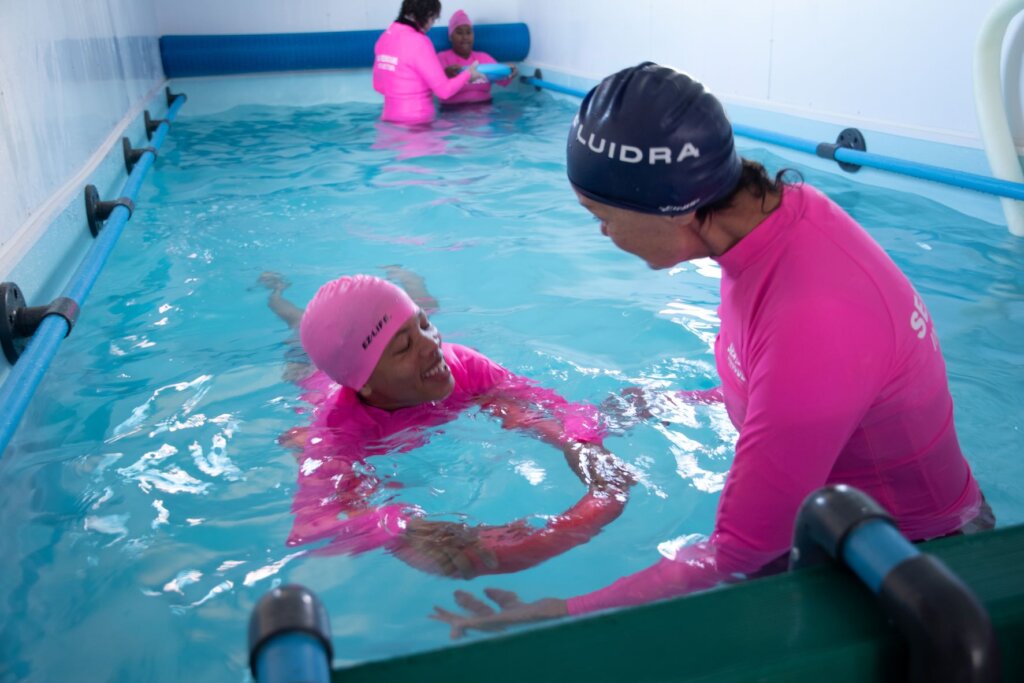
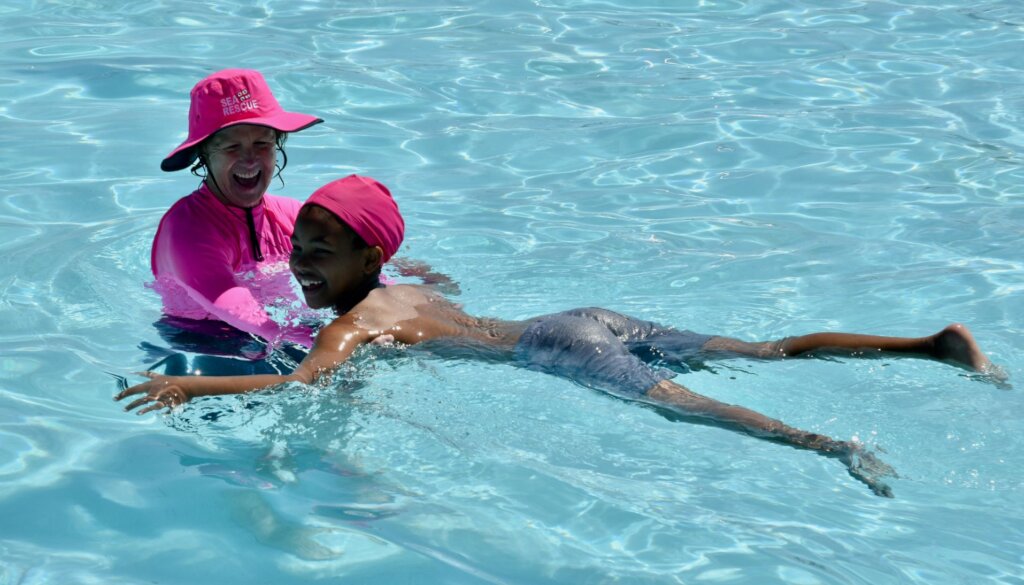
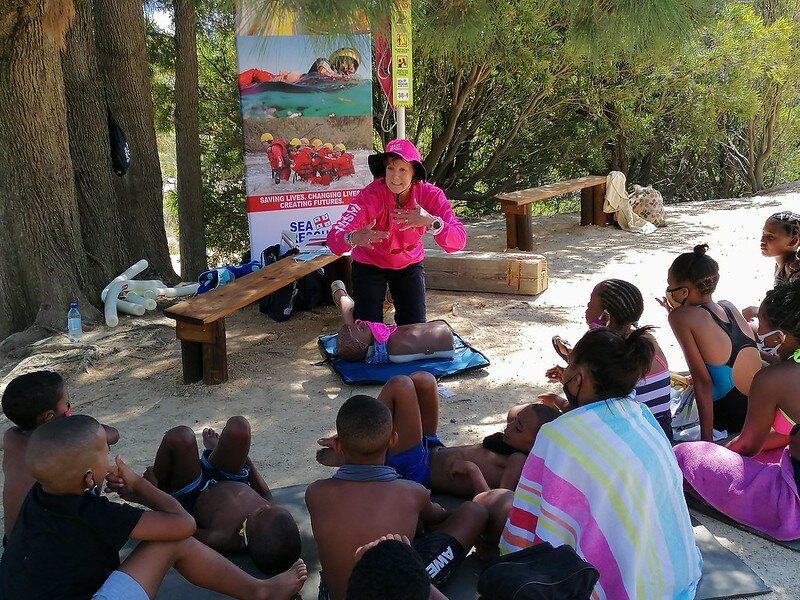
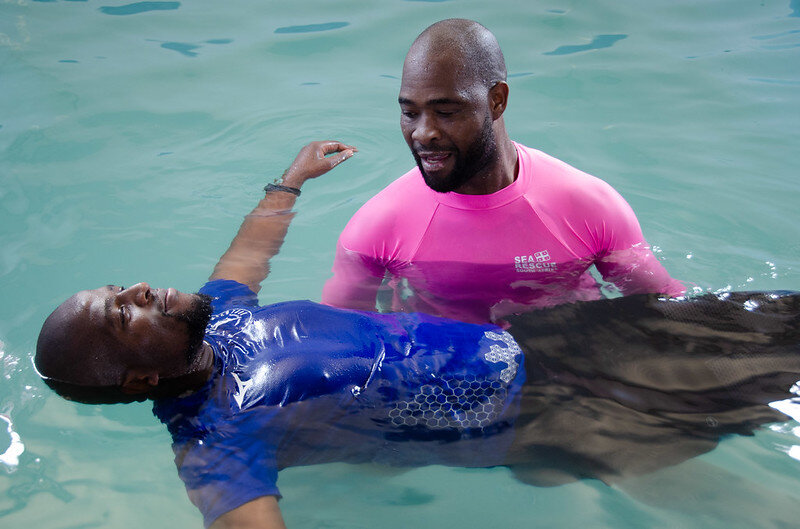
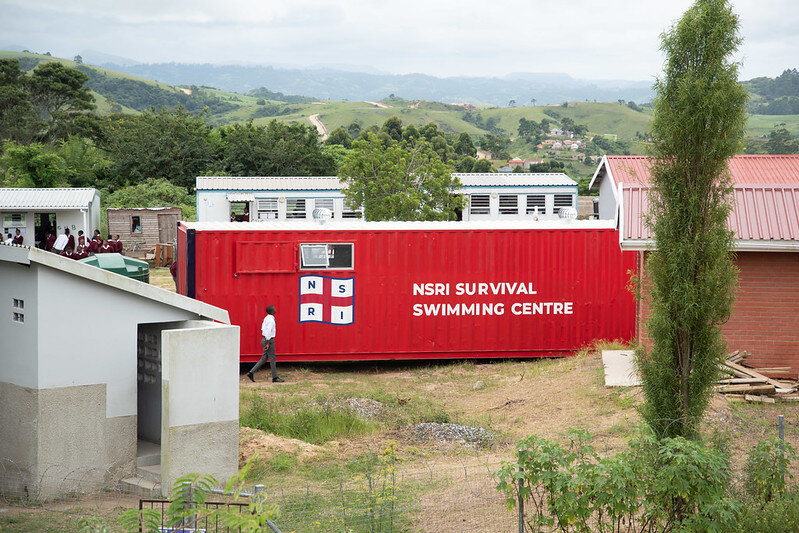
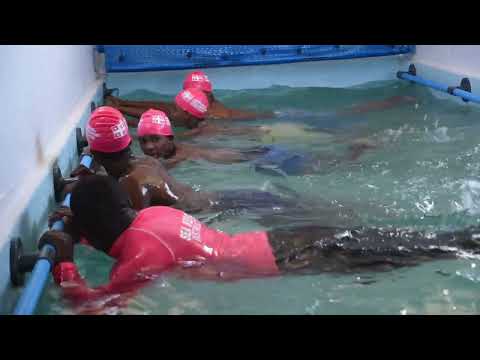
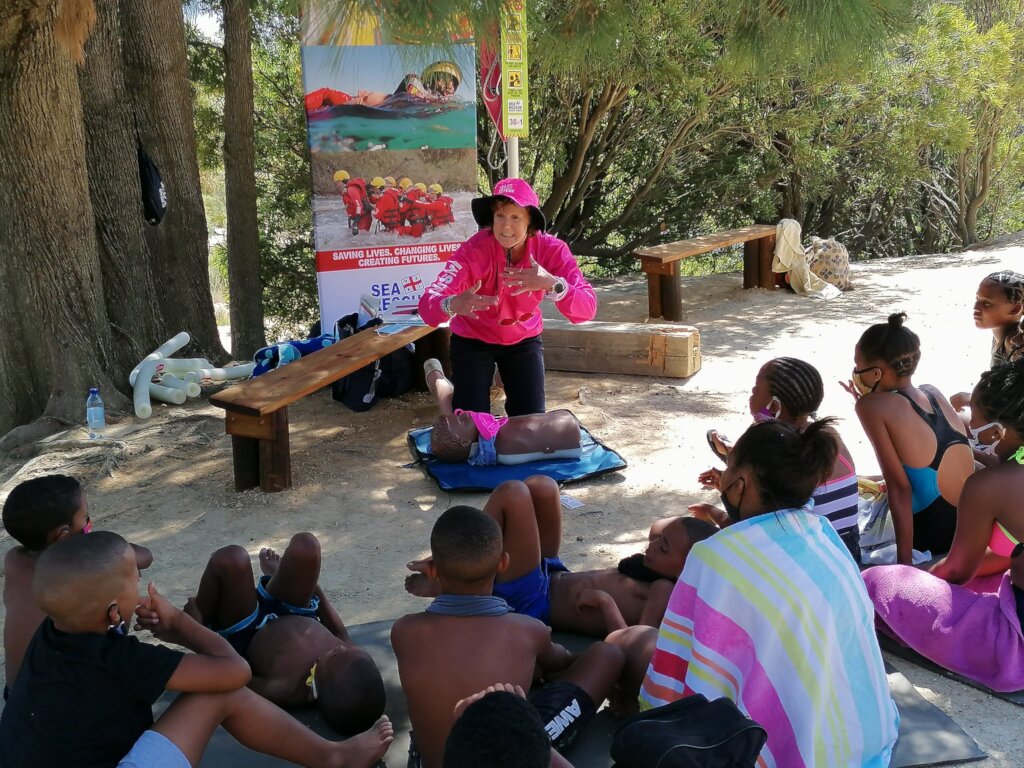
By 2024, the Water Safety Programme had grown beyond what anyone could have imagined in those first lessons in Ceres. Over 877 000 children were reached in a single year, each learning not just how to be safe but also how to respond in emergencies, hands-on CPR, and even take part in free Survival Swimming lessons.
For Eoudia, the numbers tell only part of the story. “The greatest joy for me is knowing that disadvantaged children, who are often the most at risk, now have the chance to learn to be safe in and around water. Together, we are not only teaching lessons, we are saving lives.”
The next generation of leadership now carries forward that sense of purpose. In 2025, the programme officially became part of the NSRI’s new Community Programmes department, headed by the newly appointed Mthe Kweyama. For him, the role is the culmination of a lifelong journey that began as a swimmer, then progressed to junior lifeguard, and ultimately became a lifeguard coordinator.
Mthe’s vision builds on the foundation Eoudia and her colleagues laid. He plans to expand the reach of Community Programmes through a stipend initiative and new volunteer system, ensuring that more instructors can reach more communities.
He wants survival swimming to become a life skill, not just a message. “Communities shouldn’t only hear about water safety,” he says. “They should actively learn it.”
He also sees the programme as a pathway, inspiring young people to become lifeguards, opening doors to careers in the water economy, and forging stronger partnerships with schools and local leaders.
Almost two decades after Eoudia taught her first class, the mission remains: protect children, prevent drownings, and save lives. What has changed is the scale and the vision. With Mthe leading the way, the NSRI’s Community Programmes stand ready to reach even further, carrying the baton into the future, one child, one community, one life at a time.
Project reports on GlobalGiving are posted directly to globalgiving.org by Project Leaders as they are completed, generally every 3-4 months. To protect the integrity of these documents, GlobalGiving does not alter them; therefore you may find some language or formatting issues.
If you donate to this project or have donated to this project, you can receive an email when this project posts a report. You can also subscribe for reports without donating.



Support this important cause by creating a personalized fundraising page.
Start a Fundraiser