By Lilli Cox | Vice President, Communications
Last month, alongside countless coastal communities, the U.S. Virgin Islands (USVI) officially entered the 2026 Hurricane Season. While preparations for storms begin, in just the past two weeks, the USVI received another reminder of the unpredictable nature of Mother Nature when we were briefly under a tsunami warning due to the Venezuelan earthquake. And, our fellow U.S. Territories are top of mind, with the Northern Mariana Islands and Guam facing a steep recovery after Super Typhoon Bavi. As we think of our Caribbean neighbors and the global landscape, the importance of a coordinated and deeply connected civic infrastructure is underscored.
This August 2026, St. Croix Foundation’s Nonprofit Consortium (NPC) will mark a decade of coordinated, coherent action. Over the past ten years, our NPC has become the island’s principal, most active civic infrastructure for aligning missions, pooling knowledge, and designing community-rooted responses to storms, both natural and otherwise. Today, we’re intentionally building the critical mass of community stakeholders who are armed with the skills and relationships needed to build sovereign, resilient systems that are adaptable and responsive.
Alliance in Action: Building Trust to Seed New Systems
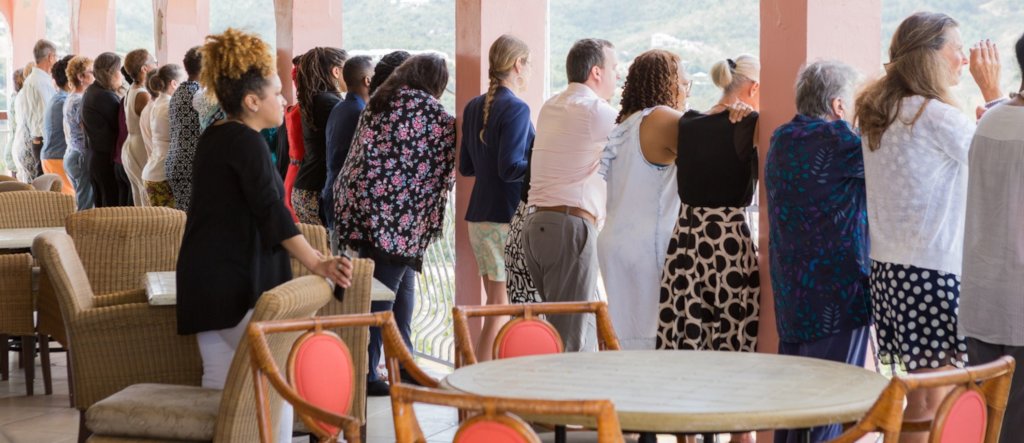
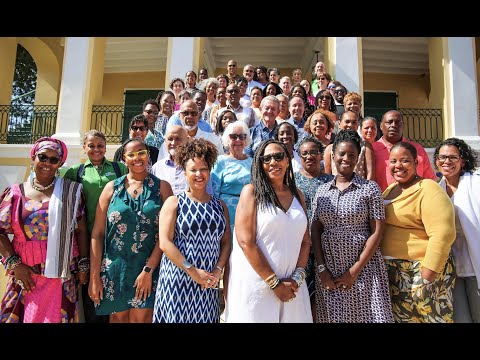
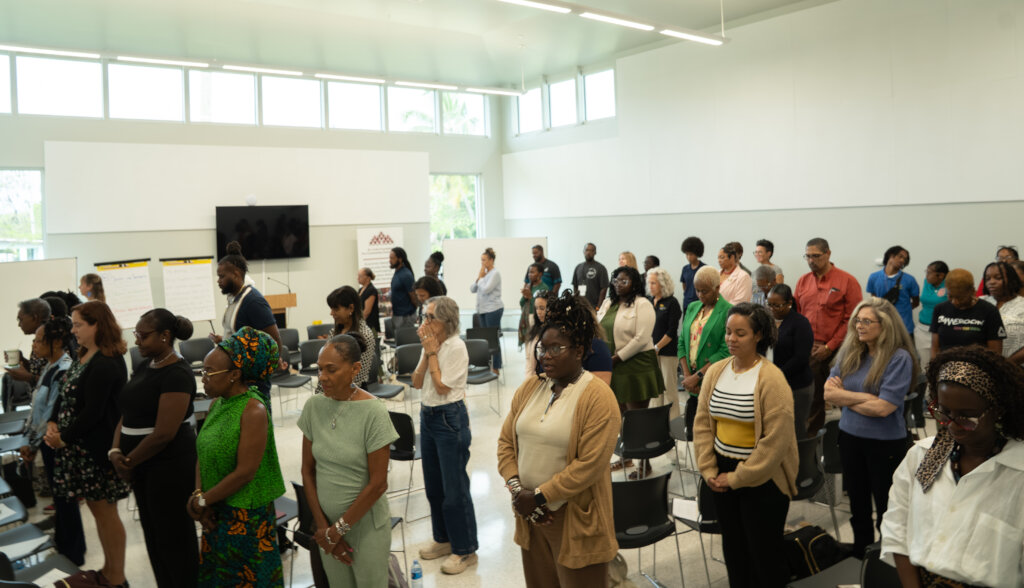
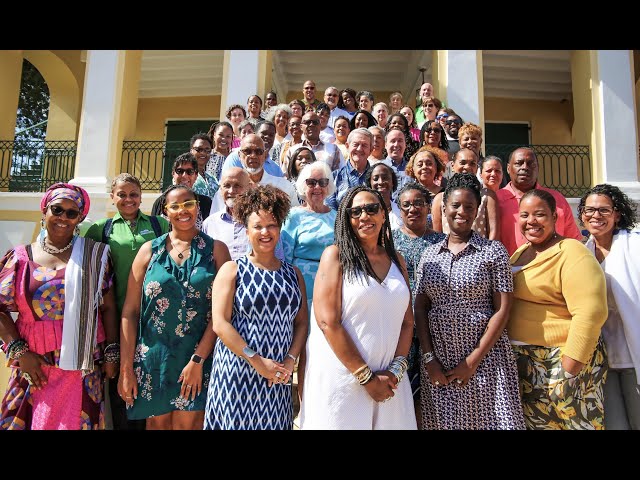
In midApril 2026, St. Croix Foundation, side-by-side with our Third Annual Nonprofit Consortium and KIDS COUNT USVI Team, gathered more than sixty community leaders, youth, educators, artists, and nonprofit staff for a three-day Alliance Summit designed to do one thing above all: build the relationships and skills needed for collective action. Over the course of the past three years, the skills that our Nonprofit Consortium has been honing have now been harnessed by over 150 community members, including activists, educators, media representatives, clergy, youth, and policymakers.
Our 2026 convening opened with the film Sankofa: A Story of Our Children and a KIDS COUNT session that braided history, data, and lived experience to show how past and present pressures (and supports) shape children’s lives — a grounding that set the tone for the work to follow.
Participants then moved from stories to practice. They explored the Two Systems Loop — how systems are born, peak, and decline — and leaned into the idea of “System Bypasses,” community-rooted pathways that can deliver results when dominant systems fail. A case study of Puerto Rico’s public Montessori movement showed how grassroots commitment, parent leadership, and sustained training can scale a viable system bypass across regions.
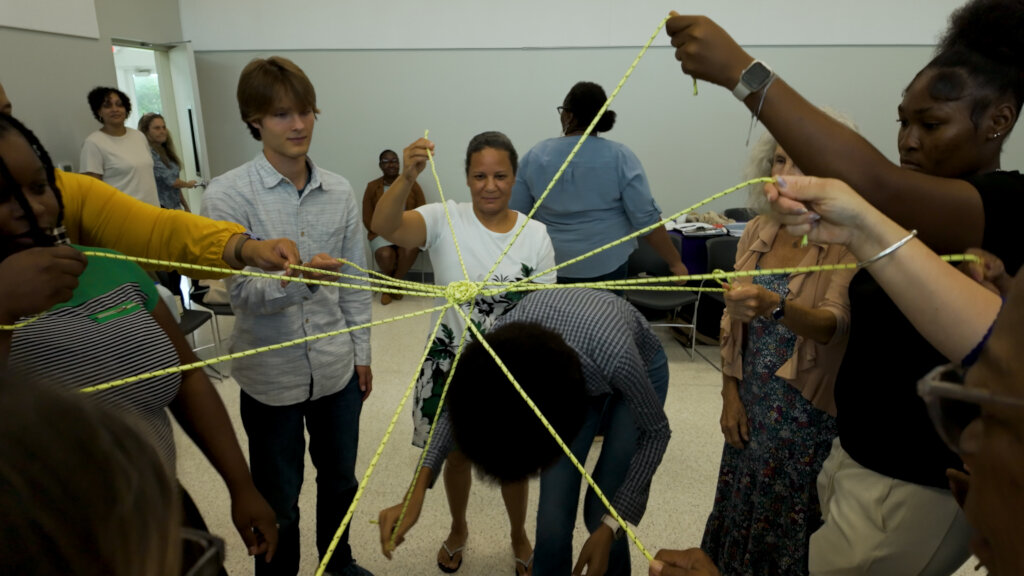
On Day 3, our Facilitator led a unique ropeknot exercise in which small groups of 6-8 guests had to tie a knot without speaking or switching hands. To reach this goal, some groups bullied or cheated while others moved in a seamless, cooperative dance. When groups were asked to untie another group’s knot under the same constraints, dynamics shifted again: some jumped into the fray, others stayed deliberately still. The activity vividly illustrated two points: (1) how people behave while building can profoundly shape what systems become and (2) the systems we build can become knots for others to untangle.
Results!
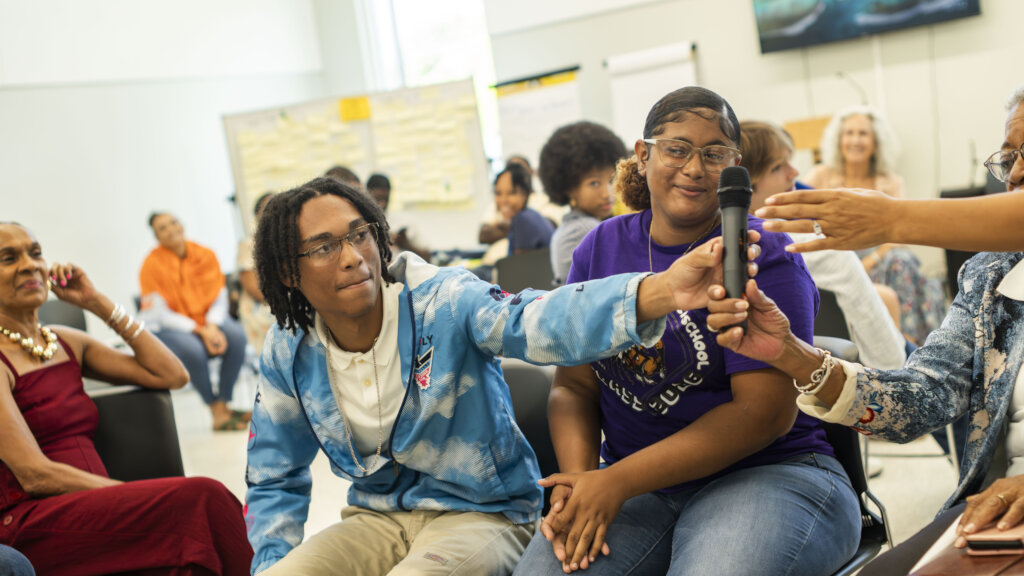
Workshops shifted theory into skill: generative listening exercises deepened empathy and made space for hard truths, and design labs invited teams to co-create eight projects addressing urgent needs — from youth transportation to health education and school repair as youth service. By the summit’s close, participants were not just inspired but equipped to act: 96% of respondents said they would share what they learned, and three-quarters named the KIDS COUNT session among their top takeaways. The event demonstrated a simple logic — when people invest in trust and shared practice, resilient new systems and collective solutions follow.
In the words of our guests:
The Summit made visible a simple but powerful affirmation of the work of the Nonprofit Consortium: deep, disciplined listening and shared frameworks for systems-thinking lead individual change, concrete project designs, and new relationships. When organizations invest in trust-building and shared language, they generate “critical mass” for community-rooted systems that are resilient and scalable.
Our Next Decade of Impact
Today, we are beginning a renewed onboarding cycle to refresh membership terms and clarify shared commitments, while expanding NPC coordination and technical assistance so organizations can move ideas into implementation. At the same time, the Consortium is actively pursuing funding and partnerships to seed collaborative projects and pilot “system bypass” initiatives with a priority on youth, food security, and housing stability.
As the Nonprofit Consortium embarks on its next decade, our focus remains clear: fortify the Consortium’s infrastructure so it can support a growing critical mass of organizations working in coherence. We continue to seek resources that strengthen shared operations, seed collaborative projects, and sustain the relational work that makes coordinated action possible. Thank you to GlobalGiving for your continued support — your investment helps turn the collective practice of coherence into durable community resilience.
Links:
Project reports on GlobalGiving are posted directly to globalgiving.org by Project Leaders as they are completed, generally every 3-4 months. To protect the integrity of these documents, GlobalGiving does not alter them; therefore you may find some language or formatting issues.
If you donate to this project or have donated to this project, you can receive an email when this project posts a report. You can also subscribe for reports without donating.



Support this important cause by creating a personalized fundraising page.
Start a Fundraiser