By Aloyo Innocent Jessie | Project Leader
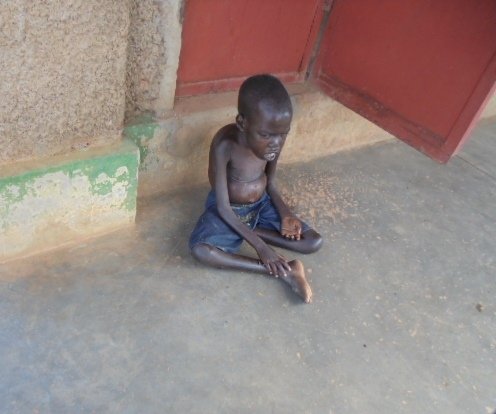
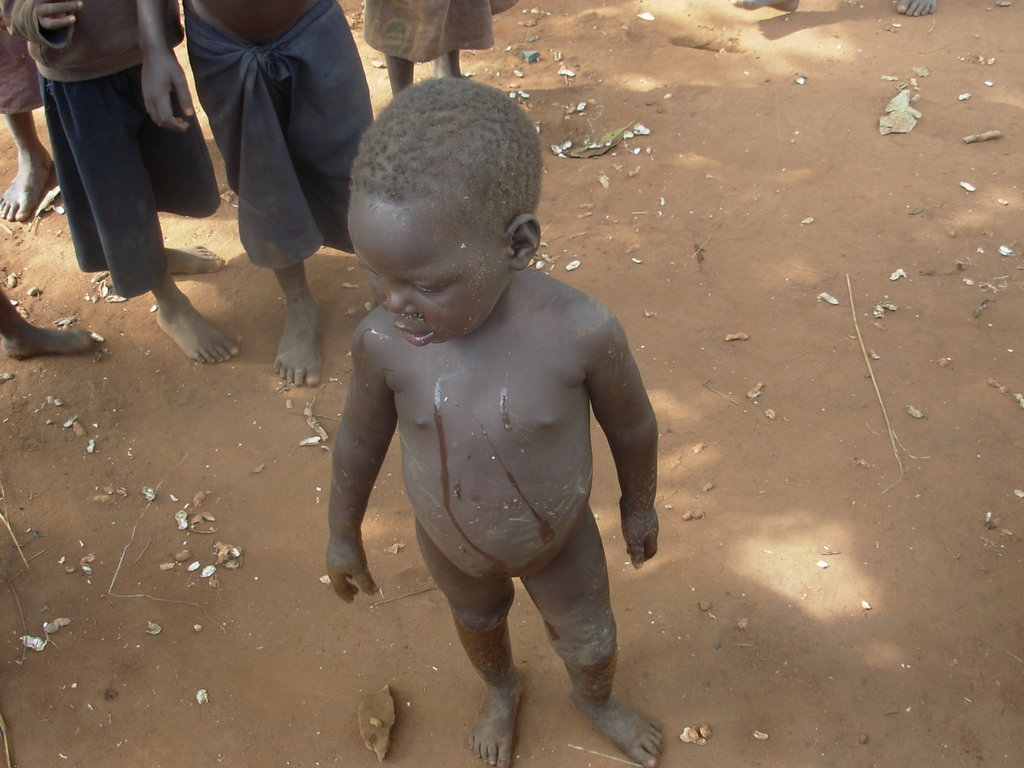
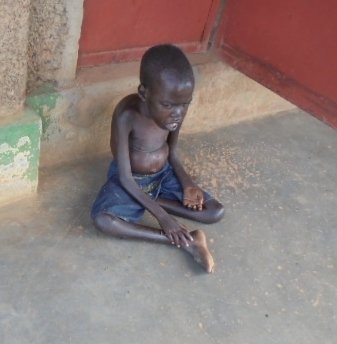
Supporting families of Children with Nodding Syndrome
www.riverfund.org
Report compiled by Aloyo Innocent Jessie, Project Leader: River Fund HIV/AIDs Family Support Women Association, Kitgum.
Background.
The River Fund HIV/AIDs Family Support Association is a Community Based Organization (CBO) founded in 2007 by committed and motivated women to contribute towards improving the quality of life of persons infected and affected by HIV/AIDS and life threatening diseases, through educating and empowering the women and girls on HIV/AIDs Long Term Survival Skills, sponsorship and mentorship of girls in schools, economic empowerment and livelihood enhancement for self-reliance through seeds provision, training in kitchen gardening and support to malnourished children through provision of trainings in nutrition, and provision of basic items like soap, sugar, cooking oil, salt.
The organisation envisions a just and caring society where people yearn to help one another and realize that every human being is connected to one another for a change in the world with values such as: sharing, Love, Non-Discrimination, Humility, Peace, Non Violence, Justice, Inclusiveness, Service, Dedication, Honesty, Transparency, and Compassion.
Activities carried out.
Training of caretakers on Long Term Survival Skills (LTSS) and feeding of HIV+ Children.
Training of the caretakers on LTSS and feeding of the children. The caretakers have been trained on LTSS by members of the River Fund HIV/AIDs family Support Association who have were trained as TOT and have rendered such trainings to other women and caretakers before. The objective of the training was to provide knowledge and skills on healthy living with emphasis on healthy eating through the consumption of traditionally micronutrient rich foods.
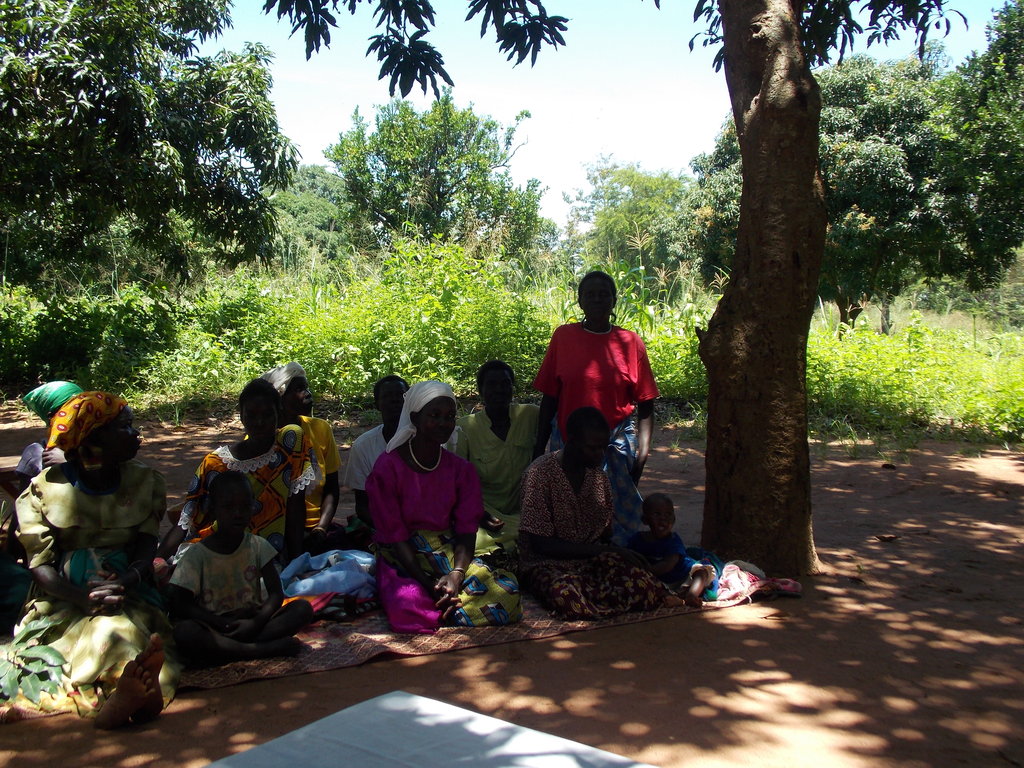
In Attendance were caretakers of the children identified for support (15 females). The training was at Okidi Central, Okidi Parish in Amida Sub-county in Kitgum, from 14-15 May 2016. The two days training objective was to empower the caretakers with different skills in providing proper feeding for the children with the use of the local available foods in the home.
They were trained on how to provide a balanced meal for the children without necessarily looking for help from outside the home or food supplement support. Focus was made on vegetable growing and the importance of serving vegetable in every meal looking at the benefits got from eating traditional vegetables such as mbuga (dodo), which are high in vitamin A, iron, zinc and other micro nutrients.
Focus was also made on the importance of growing oil rich seeds like soya beans, sunflower, groundnuts and simsim (Sesame) which provide natural proteins.
Support to the households
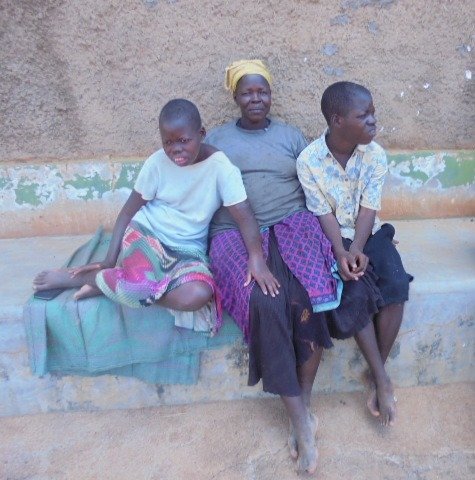
The entire 10 households identified have been bundled into a group for easy management and monitoring. In addition, the idea behind group formation is also to enable the beneficiaries to support each other in times of difficulties and emotionally. They shall be supported with food items such as sugar, cooking oil, salt, sardines to help supplement their household feeding as well as boost the body immunity of their children suffering from the Nodding syndrome.
The Association will support the households with seeds such as soya beans, sunflower to enable them produce food for themselves and that they can eat more than once.
Achievement
15 care givers were trained on proper feeding and care for children suffering from Nodding syndrome.
Challenge.
Funding received could not support more than 10 households despite the many households having children suffering from Nodding syndrome.
Conclusion.
We are so thankful to global Giving and the River Fund for this support. We could not have done this without all of your help!
Links:
Project reports on GlobalGiving are posted directly to globalgiving.org by Project Leaders as they are completed, generally every 3-4 months. To protect the integrity of these documents, GlobalGiving does not alter them; therefore you may find some language or formatting issues.
If you donate to this project or have donated to this project, you can receive an email when this project posts a report. You can also subscribe for reports without donating.