By Aloyo Innocent Jessie | Project Leader
Background
The River Fund HIV/AIDs Family Support Association is a Community Based Organization (CBO) founded in 2007 by committed and motivated women to contribute towards improving the quality of life of persons infected and affected by HIV/AIDS, through educating and empowering the women and girls on HIV/AIDs Long Term Survival Skills and sponsorship and mentorship of girls in schools, economic empowerment and livelihood food security enhancement for a sustainable development for self-reliance through seeds provision, training in kitchen gardening and support to malnourished children through provision of trainings in provision of nutritious meals, and provision of basic items like soap, sugar, cooking oil, salt.
The organisation envisions a just and caring society where people yearn to help one another and realize that every human being is connected to one another for a change in the world with values such as: sharing, Love, Non-Discrimination, Humility, Peace, Non Violence, Justice, Inclusiveness, Service, Dedication, Honesty, Transparency, and Compassion.
Activity. Follow Up of families of Children suffering from Nodding Syndrome.
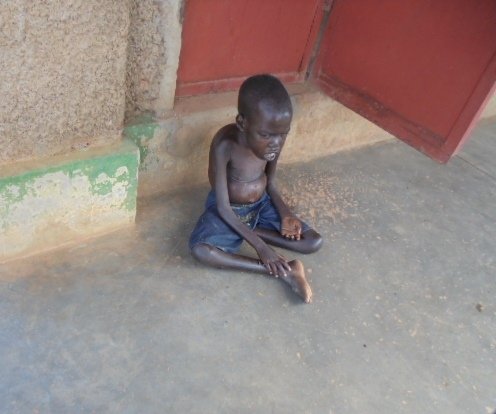
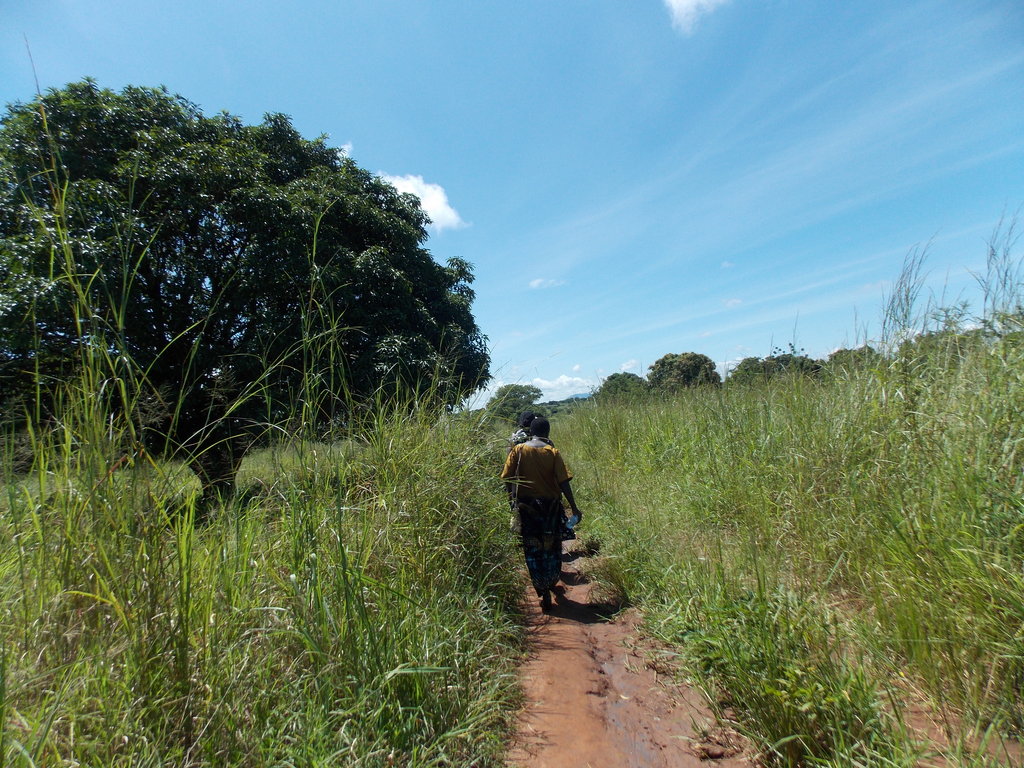
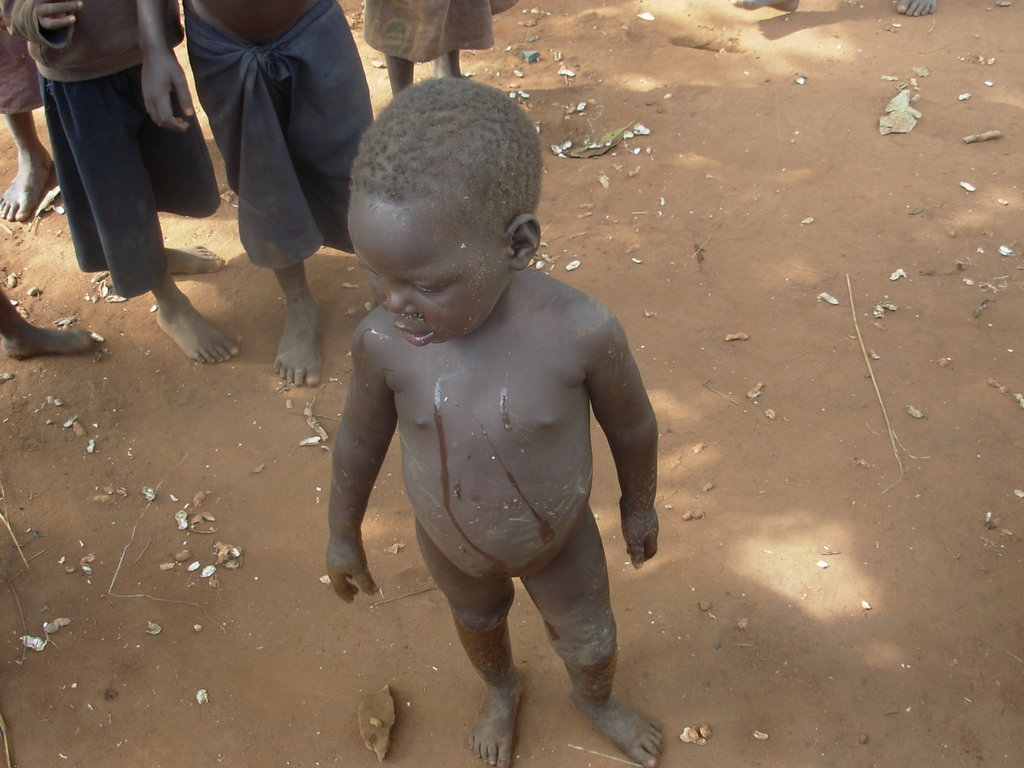
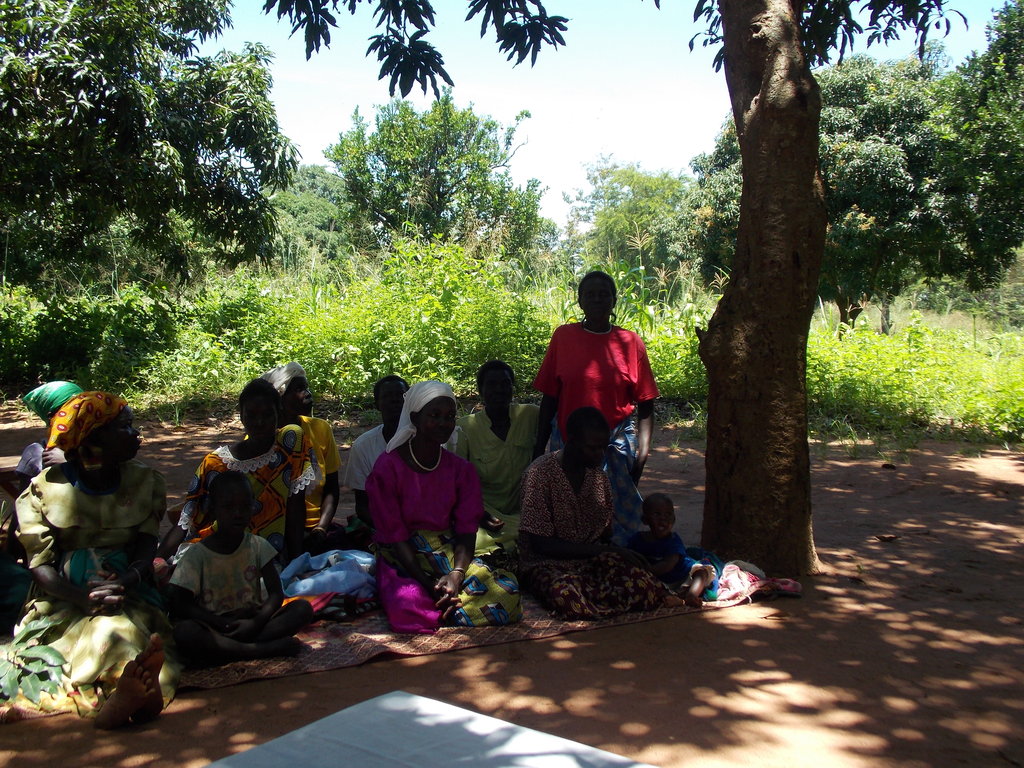
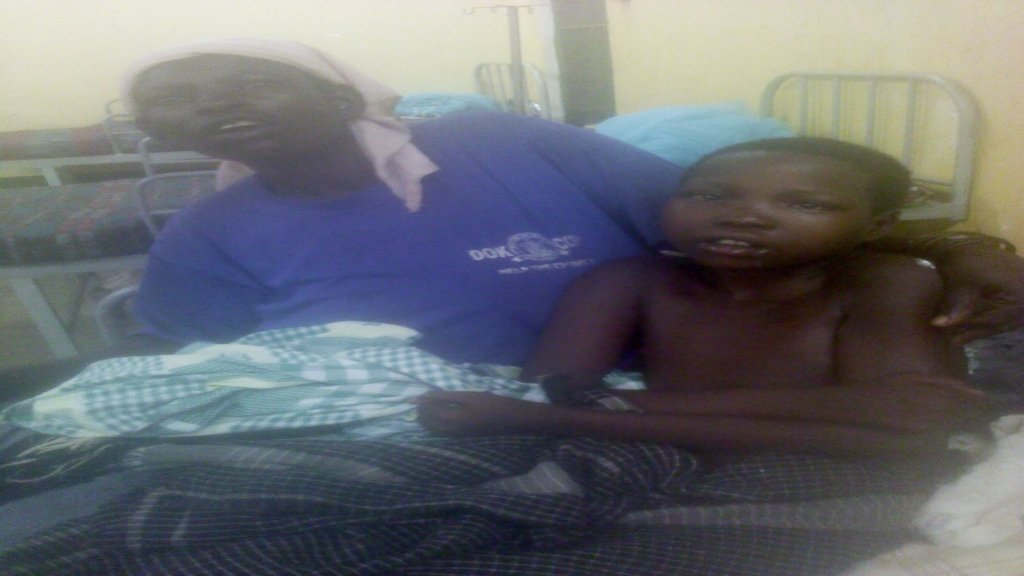
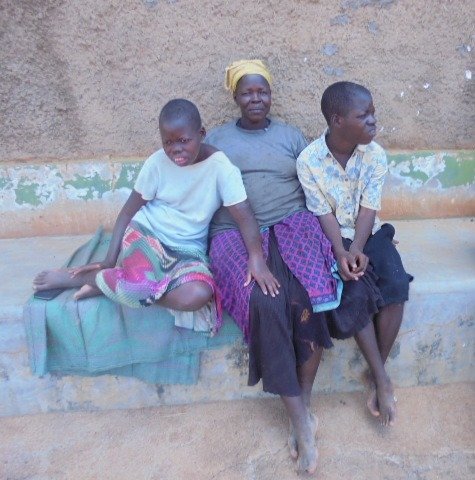
During the month, visits were made to families of children suffering from Nodding Syndrome. This was to provide counselling and emotional support to the families. During the visit, another of issues were raised by the parents as discussed in the body of the report.
The state of the children is still wanting due to the absence of mobile clinic which used to deliver of drugs to the parishes closer to the children, many are getting frequent attacks, wasting and very weak conditions which are made worst with the lack of adequate food in the household. As compared to those children at the center in odek who are well fed by the center management, the children at home are not improving due to poor nutrition and inadequate food where they usually have one meal a day.
With the cause of the syndrome not known to the community, there is stigma from families that do not have children suffering from the syndrome. This is evidenced by parents refusing their children from playing with children suffering from the syndrome and not touching them whenever they get attacks when they are together. This is one practice that is making it difficult for children who could engage themselves in games with healthy children to stimulate their brain development.
Due to enrolment in medication that was being provided by the government, there has been some slight improvement for the children who were constantly monitored by the health workers although there is always a relapse in cases where they miss out on drugs due to stock out from the health centers where they get treatment which forced the children to sometimes go without drugs for a month or for as long as there was still no drug. For example one Abapi died last month from Tumangu Village in Akwang Sub-county due to constant attacks (seizures). Many children’s conditions are worsening due to lack of drugs. The children have stayed for three months now without receiving drugs as there is no longer mobile Van distributing drugs as before at the distribution points. The last time they received drugs was in July and since then no medical worker has gone to see the children let alone tell the parents why there are no drugs. However, there are drugs at the Health Center e.g. in Akwang Sub-county where parents have to move with their children to the health Center which is 7 Miles from the Village. Due to this distance, some parents have stopped getting drugs for their children leaving them to go without drugs thus worsening their conditions. Despite their failure to get drugs from the health Centre and even provide for their children, some of the parents blame this on the government as one of the mothers had this to say.
‘’In the past, the government had promised to support parents whose children die due to the syndrome by providing for the burial arrangements but nowadays that is not happening. Even when your child is very ill, you have to transport the child to the health center on your own account despite the government giving an Ambulance for transporting these children to the Health Centers. Last week, one of the girls suffering from the syndrome was very ill and could not talk, her father had to hire a transport means to pick her from home to bring her to the treatment centre at Government hospital. This condition leaves us parents with no other alternative but rather pray that they get better even without drugs. We have lost hope and all we have to do is struggle since the child is yours not any body’s’’ laments a mother of a Nodding Syndrome victim from Tumangu.
If only we had enough food, we would at least try to feed them despite their condition but this is even difficult now with lack of food coupled with the bad weather this year that has not enabled us to have any good harvest to feed our families. These children are now moving around the village and with the rain, we are more worried of them falling in water and dying when we are out in the fields. Sometimes we are forced to lock them inside the huts but you cannot do this all the time. We pray the government supports these children with food like they used to do before as it would relieve us from so much work of providing for the families.’’ She laments.
Due to this thinking, some parents have abandoned their children. A case of one Akello note her real name from Tumangu Who got but when she fell in fire as she got an attack was deserted by her relatives only to be supported by a VHT member who took her to the treatment Center and nursed her till she was discharged recently. This is a sign that parents are tired of fending or supporting these children.
To enable proper care and support, the parents request for counselling services to be provided to the community especially those who live together with families of children suffering from the syndrome to enable them understand the mode of transmission and why they need to support such children.
There is further need for provision of food to the families of children suffering from the syndrome to improve on their nutrition which is very key to enhancing their growth and improvement.
Where possible there is need to set up a center like that in Odek in Gulu to help care for these children in providing education, medication, counselling, and food so as to give more time to their parents to work in the fields in order to provide enough food for their households. Hope for Humans had consulted with the community in Tumangu to identify four(4) parents (two males and two females) who would help in taking care of these children once the center is established but up until now, this has not yet been dome and even the constructed Health Center is not operational. There are structures but no drugs and health workers yet.
Challenges.
With no funding yet for this activity, it has not been possible for us to conduct any other activity rather than the one reported on.
We are so thankful to global Giving and the River Fund for their untiring support. We could not have done this without all of your help!"
Project reports on GlobalGiving are posted directly to globalgiving.org by Project Leaders as they are completed, generally every 3-4 months. To protect the integrity of these documents, GlobalGiving does not alter them; therefore you may find some language or formatting issues.
If you donate to this project or have donated to this project, you can receive an email when this project posts a report. You can also subscribe for reports without donating.