By Kirby Attwell | Development Associate
CFTH and our partners have been moving the vision of Equilibrium into action. Through data analysis and pilot programs, we continue to learn more about who is experiencing, or at risk of experiencing, homelessness, what it takes to help them regain stability, and refining our strategies to support that path.
One thing has become increasingly clear: not everyone needs the same housing intervention. Many individuals and families who have recently become homeless or are on the verge of homelessness may be able to regain stability with a small, immediate, and flexible intervention. Yet federal funding, which has historically supported much of our community’s homeless response, comes with significant eligibility and program restrictions that can limit who can be served and how resources can be used.
Over the past year, CFTH has piloted Rapid Resolution strategies with agencies across the community to better understand how flexible assistance can help address an immediate housing crisis. These interventions can look different for each person—from transportation or family reunification to resolving a short-term financial barrier—with the goal of connecting each individual or family to the right intervention at the right time.
For others, the path to stability requires more intensive support. Individuals experiencing complex, long-term homelessness may have interconnected physical health, mental health, substance use, and other needs that cannot be addressed by housing alone. Intensive, multidisciplinary street outreach can bring the right expertise directly to individuals, and deeper cross-sector engagement with healthcare, behavioral health, and the criminal justice system can facilitate collaborative care plans that support long-term stability, while addressing the circumstances that contribute to people entering and remaining in homelessness.
These lessons are now taking shape through Pathways to Independence, a regional initiative advancing the goals of Equilibrium through five areas: Rapid Resolution, Specialized Outreach, Front Doors, Stability Services, and Cross-Sector work. A new round of funding opportunities is making resources available for Houston-area agencies to implement programs across these pathways, expanding the range of solutions available beyond traditional housing interventions.
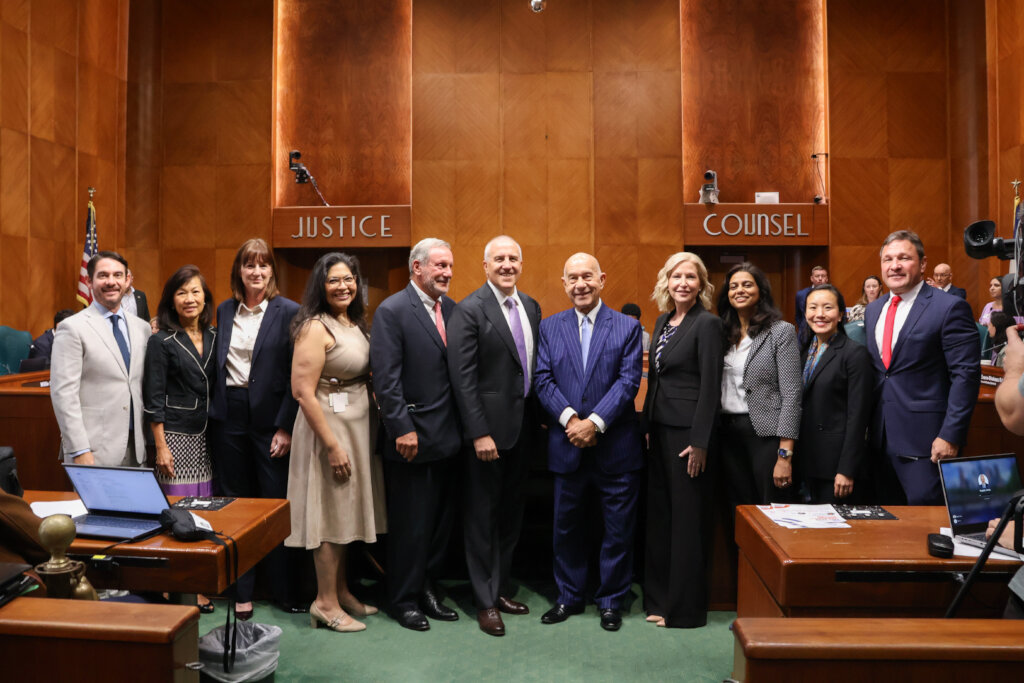
This effort is also bringing together partners in a new way. CFTH is working alongside philanthropic supporters, the City of Houston, and Harris County around one shared vision for our region. Together, we have already raised $34 million toward a $48 million goal to demonstrate this approach, measure its impact, and build the case for sustainable funding into the future.
Pathways to Independence brings the vision of Equilibrium closer to reality: a community where anyone who falls into homelessness has a pathway to resolve their homelessness within 90 days. By expanding the interventions available, responding earlier, and connecting people to the right support at the right time, Pathways to Independence is expanding the system needed to reach that goal. Your investment in Equilibrium helped create the foundation for this next phase of work, and we are grateful to have you with us as we turn that vision into action.
Preventing Homelessness on the First Day of High School
A mother arrived at Northwest Assistance Ministries (NAM) on the day she was scheduled to be evicted. Two months behind on rent, she had already packed her belongings into her car and believed she and her daughter would have to leave their home that day.
The timing made the crisis especially difficult: it was her daughter’s first day of freshman year of high school. While her daughter was beginning an important new chapter, she was trying to determine where they would sleep that night.
The mother was employed and had been maintaining her housing, but competing household expenses caused her to fall behind. Once she was two months in arrears, catching up without assistance became nearly impossible.
NAM staff worked quickly with the mother and her landlord to find a solution. By combining Rapid Resolution funding with other available resources, they were able to cover the outstanding rent and stop the eviction.
That afternoon, instead of returning from her first day of high school to discover that her family had lost their home, her daughter came home to the same place she had left that morning.
For this family, a temporary financial setback did not have to become homelessness. Rapid Resolution provided timely, flexible assistance at a critical moment, preserving their housing and giving a mother and daughter the stability to keep moving forward.
Links:
Project reports on GlobalGiving are posted directly to globalgiving.org by Project Leaders as they are completed, generally every 3-4 months. To protect the integrity of these documents, GlobalGiving does not alter them; therefore you may find some language or formatting issues.
If you donate to this project or have donated to this project, you can receive an email when this project posts a report. You can also subscribe for reports without donating.


Support this important cause by creating a personalized fundraising page.
Start a Fundraiser