By Hannah Sklar | Project Leader
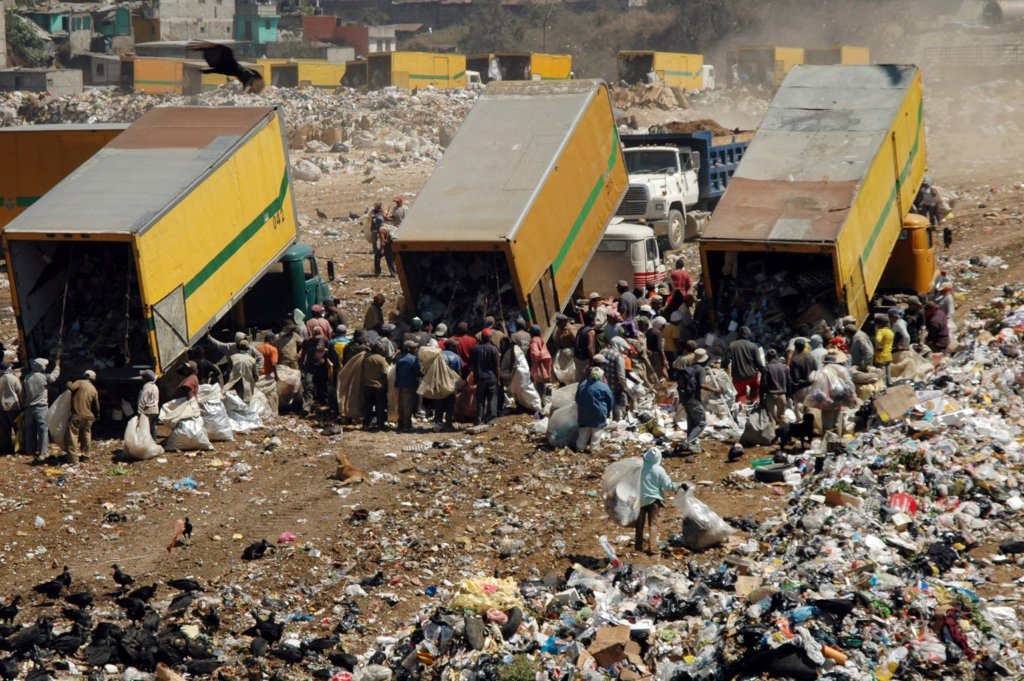
Living in an area as unstable and tumultuous as the community surrounding the Guatemala City garbage dump inevitably leads to loss for our participants. Since Creamos’ founding, we have sadly witnessed not only significant loss and bereavement, but an absence of the physical space and coping resources to support our grieving participants. This year, Creamos’ emotional support team (called Creamos Voces) identified several women in our program who were resorting to unhealthy habits to reduce the pain of loss. After recognizing this need, the organization developed a culturally appropriate, grief support group for those affected. Group participants were carefully selected and prepped for the dynamics and topics that were going to be covered.
The first few sessions of the group were dedicated to identifying and exploring current coping mechanisms that our participants were using. During these sessions, many participants disclosed engaging in unhealthy habits to reduce the pain of their loss, including substance use, and isolation. Many also noted that they carried profound feelings of guilt, while others expressed feeling as though they were “being punished.”
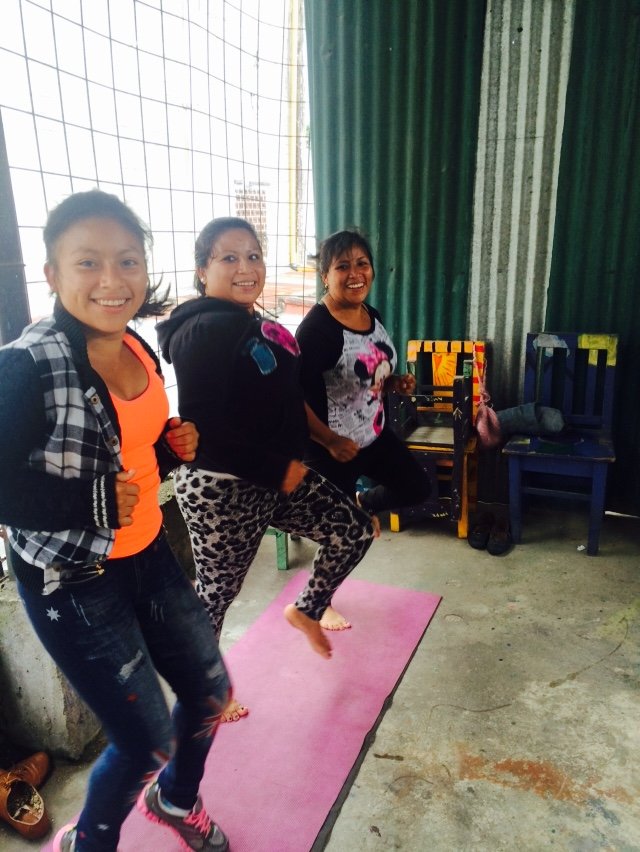
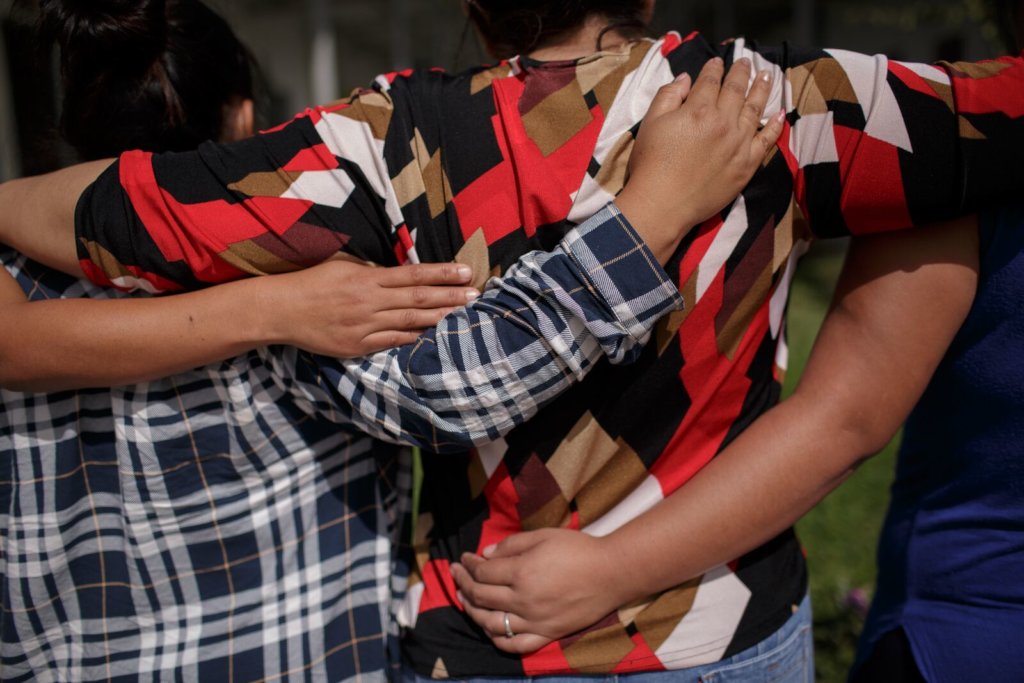
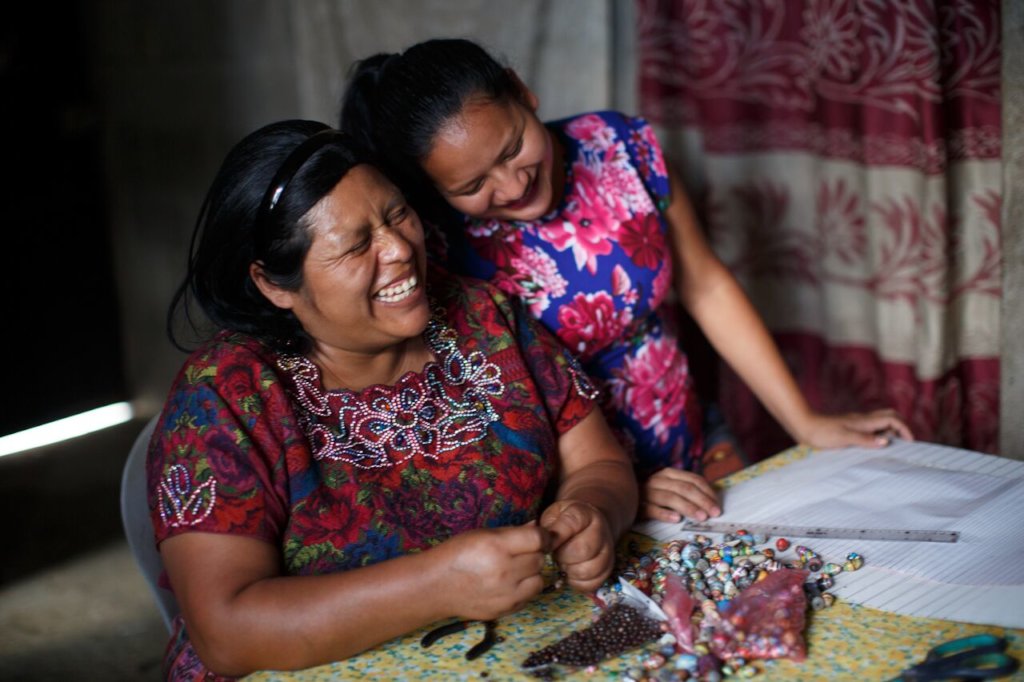
Although the atmosphere within the grief group was markedly morose and somber at the outset, the group produced some of the most beautiful and positive outcomes we’ve ever seen at Creamos throughout their eight week program. For the first time, our participants were able to validate the pain they had felt as a result of the death of a loved one, some of whom had been carrying this pain for more than ten years. With the guidance of our organization’s psychologist, the women learned about the stages of grief, and strategies for communicating their personal needs, anger and sadness in a way that doesn’t hurt others. As the group progressed, we began to see our participants’ pain shift and allow them to become present and compassionate mothers. We also saw them come to support each other without feeling judged in their own process.
One of the most impactful participants in the grief group was a woman who we’ll call “Momma X”. Although Momma X knew it was the right decision to leave her husband for the safety of her children, she always feared that leaving him would lead to his death due to the severity of his substance abuse. A week before the group started, Momma X’s husband died. She arrived to the first day of the grief group convinced that she was responsible for his death, along with other conflicting emotions. However, throughout the program, she found solace and comfort through the support of her peers. Her feelings of guilt began to morph into feelings of acceptance, and she was able to understand that his death was not tied to anything she did or didn’t do. Ultimately, Momma X stated that the group allowed her to move to a new chapter of her life, and made her feel confident that she had the tools to process future loss.
On the last day of the grief group, participants engaged in a group meditation during which they imagined what type of advice would they give to their future selves. The messages were filled with hope, including “You are going to be okay” and “I am loved and that is enough.”
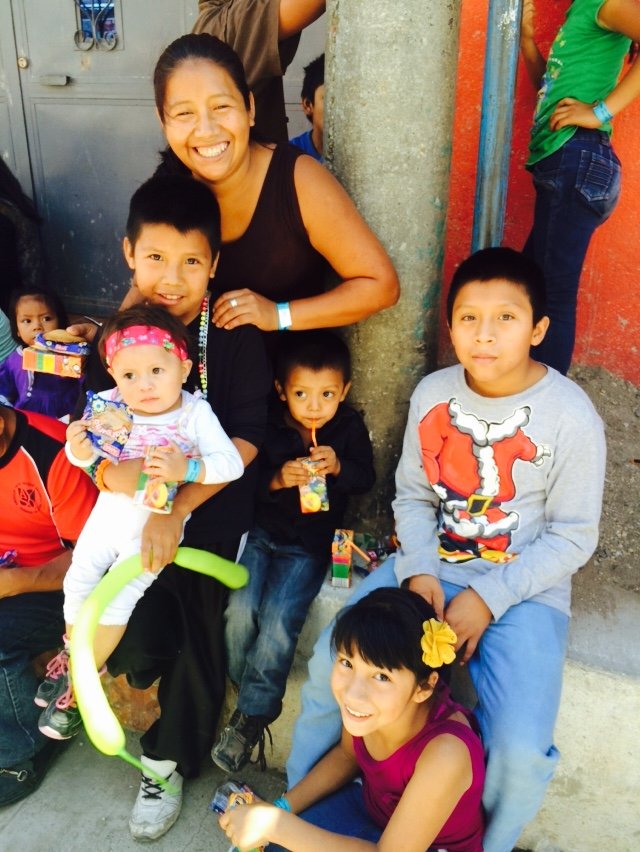
What we’ve learned through facilitating the pilot grief group is that our women are more resilient than we had ever imagined. Despite the loss that our participants experience, they continue to do the work to make themselves better. They continue to study, to work in jobs that challenge them, and to be the best mothers they can be for their children.
Project reports on GlobalGiving are posted directly to globalgiving.org by Project Leaders as they are completed, generally every 3-4 months. To protect the integrity of these documents, GlobalGiving does not alter them; therefore you may find some language or formatting issues.
If you donate to this project or have donated to this project, you can receive an email when this project posts a report. You can also subscribe for reports without donating.