By Nina Smith | Executive Director
Dear Global Giver,
It’s now been nearly ten months since the first massive earthquake hit Nepal, and international attention has largely moved on – so it’s quite likely you haven’t heard about a second national crisis that has recently been unfolding.
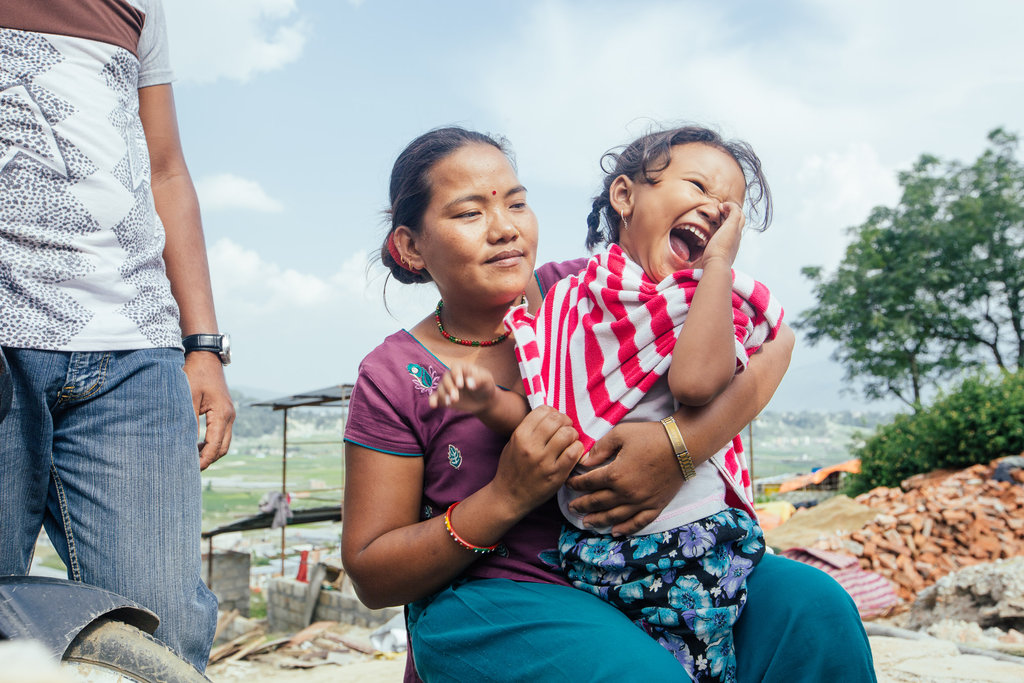
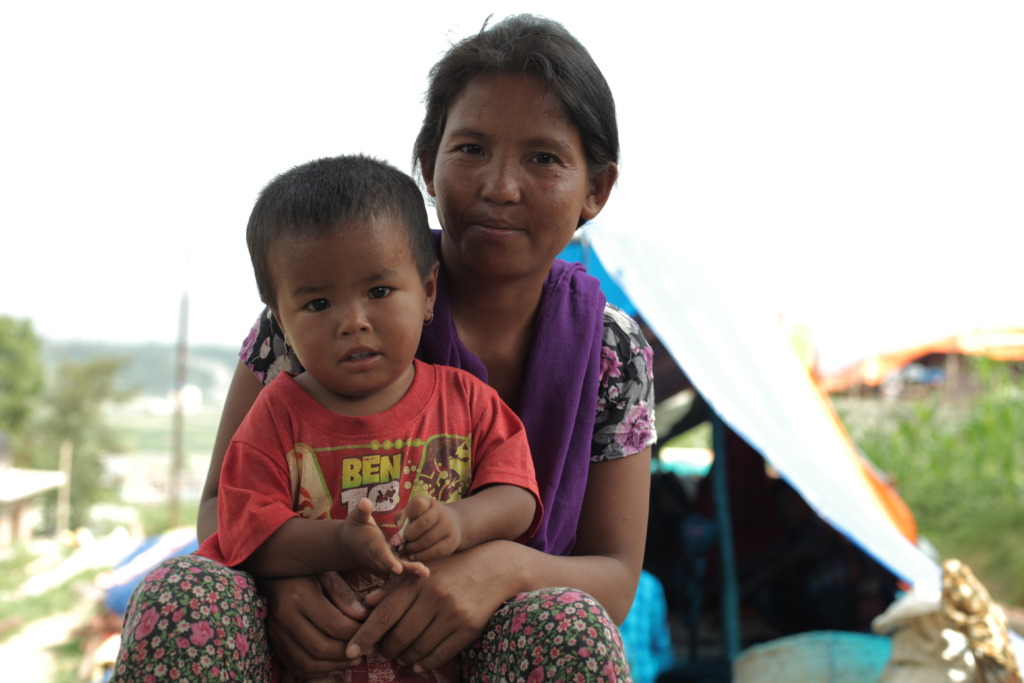
In September, a complicated political situation led to the start of a blockade at the India-Nepal border. Over the last several months, this blockade has prevented many essential goods – fuel, medicine, food, and other products – from entering the country. As a result, Nepal’s exports have fallen about 25.4% and an estimated 800,000 people, many of whom are still recovering from last spring’s earthquakes, have been pushed into extreme poverty. Those who lost homes and family members in the earthquakes have now experienced even more severe crisis, as fuel and food prices have surged, home rebuilding is at a standstill and entire villages are experiencing a cold winter without permanent housing.
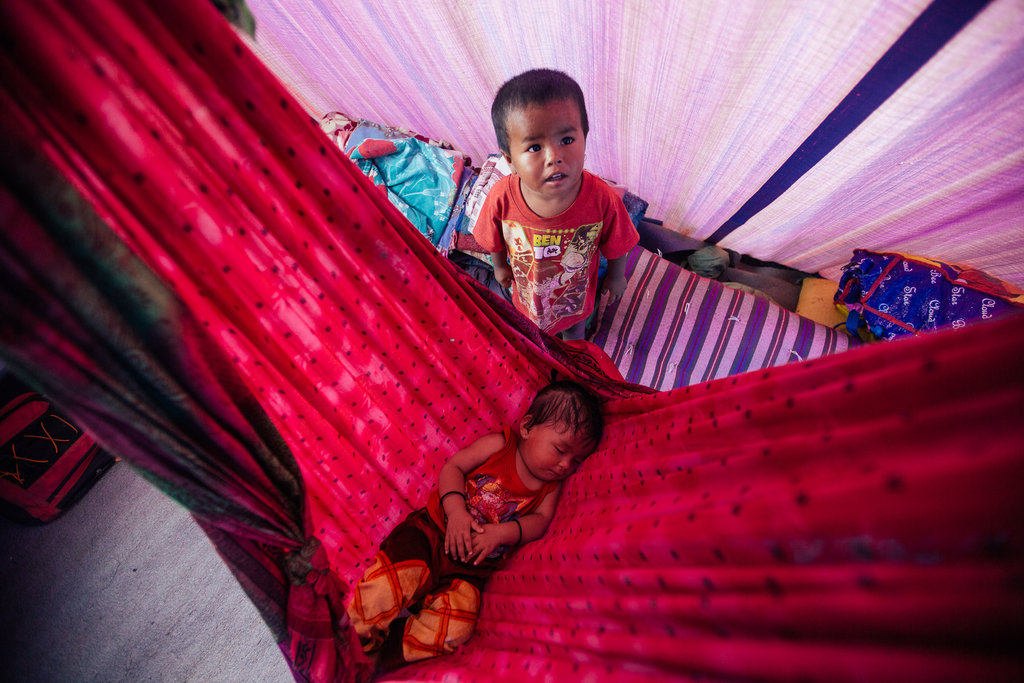
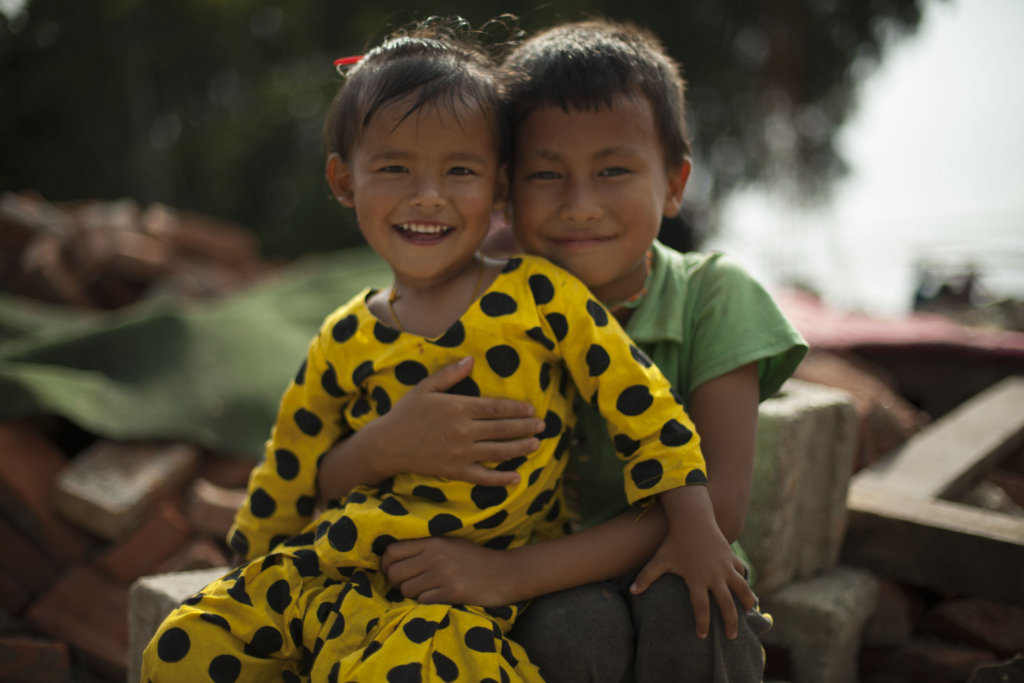
Hospitals have run out of drugs, social services have been disrupted and schools have been shuttered, with children bearing the brunt of the impact. As UNICEF has said, the blockade “threatens the future of the country itself.” GoodWeave remains deeply concerned that the stalled economy will have lasting impacts on vulnerable young people. The risk of death and disease among children has dramatically increased, as has the threat of exploitation – we worry that increased levels of poverty mean increased pressure for families to take risks in order to survive. Since the blockade began, GoodWeave staff have observed an increase in child labor cases in comparison to previous years, and our transit home in Kathmandu is now home to a higher number of rescued children than usual.
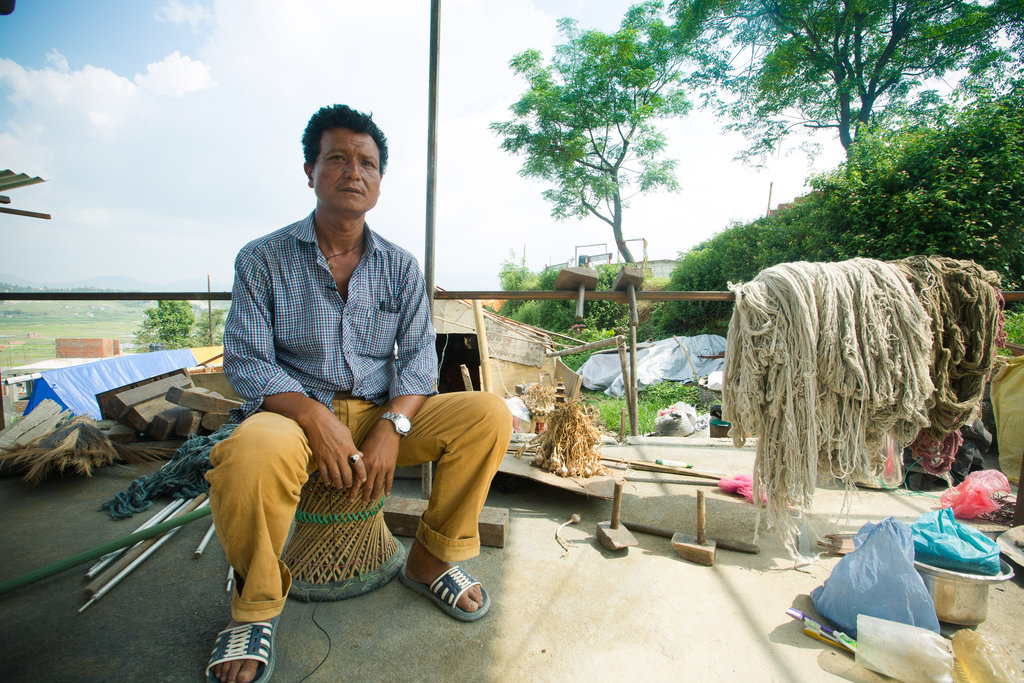
The carpet industry also continues to struggle. The weaving workforce has not fully recovered since the earthquakes, and while in the immediate aftermath of the disaster we estimated that approximately 30% of GoodWeave workers had left the factories, our team estimates that 15% of the workforce still has not returned. Many of these absent workers remain in home villages where destroyed houses have not been rebuilt and temporary shelters remain the norm. At the same time, the weavers who continue to work have to spend time waiting in lines for gas and collecting firewood, which means that they are weaving for fewer hours and earning lower incomes.
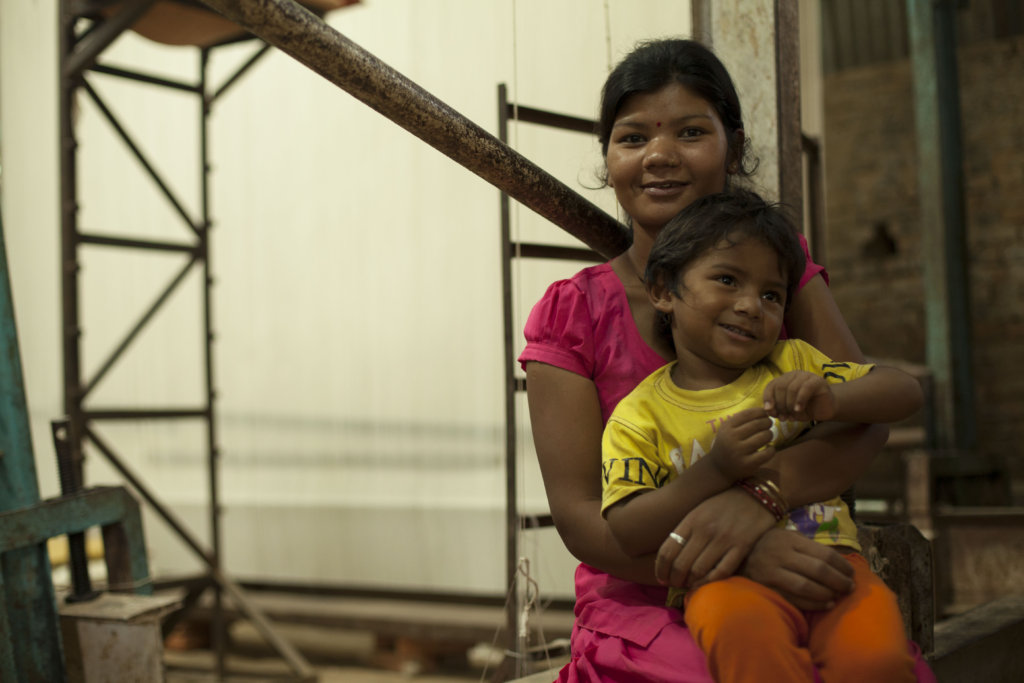
Because the materials for the planned home rebuilding come from India, the blockade has delayed this part of GoodWeave’s earthquake recovery efforts. Transportation, too, is extremely expensive because fuel prices have shot up. Due to this unexpected crisis, our team has spent the last few months making as many preparations as possible – planning, hiring and training additional staff – so that the home rebuilding process can begin as soon as materials can be transported to weavers’ home villages in Sindhupalchowk. In the meantime, with your support, GoodWeave has been working to provide school fees to more than 150 children of weavers so that they can remain in school and maintain a sense of safety and security.
The blockade is now ending and the flow of goods slowly resuming. However, the fuel shortage persists and we don’t expect things to return to “normal” for several months. GoodWeave remains committed to supporting vulnerable weaving families and former child laborers through the aftermath of multiple crises, and we are eager to move forward with home rebuilding so that families can regain stability. We plan to update you as soon as this work is feasible. Thank you for your generosity and understanding as our team faces such a difficult situation.
Gratefully,
Nina
Project reports on GlobalGiving are posted directly to globalgiving.org by Project Leaders as they are completed, generally every 3-4 months. To protect the integrity of these documents, GlobalGiving does not alter them; therefore you may find some language or formatting issues.
If you donate to this project or have donated to this project, you can receive an email when this project posts a report. You can also subscribe for reports without donating.