By Madeline Krasno | Project Leader
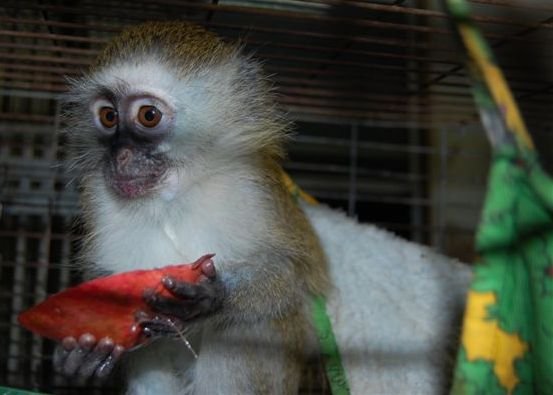
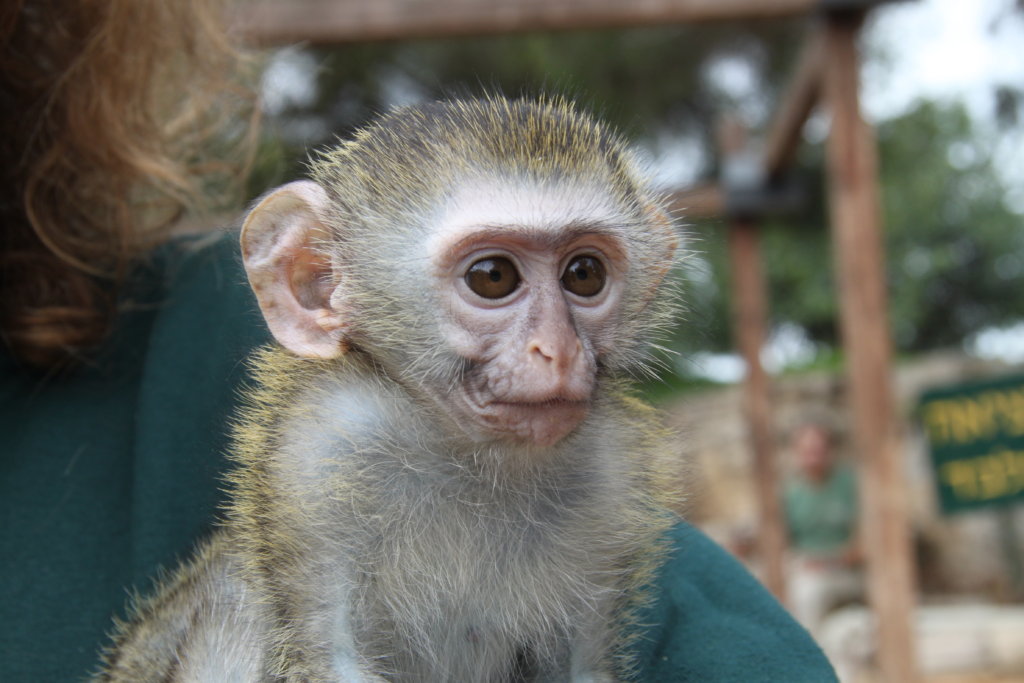
If you recall in our last update, we told the story of Mufajaa, our latest victim of the exotic pet trade. An extremely lucrative business, the exotic pet trade, second only to that of arms and drug smuggling, amounts to a roughly $10 billion industry worldwide every year. The wildlife trade, however, is not only detrimental to wild populations of these animals and our ecosystems, it is also devastating to the individual animals forced to live (and then die) an unnatural life. The wildlife trade has enormous public health implications, ranging from neighborhood safety concerns to the transfer of zoonotic diseases. Monkeys, being highly intelligent and social creatures suffer immensely in the exotic pet trade. Typically purchased as infants, these babies become aggressive when they reach sexual maturity, endangering the lives of those around them. In order to cope with the aggression, “owners” will have the monkey’s teeth removed, making it difficult for the monkey to eat properly. Overly frustrated with the wild animal's new aggression, these monkeys then end up discarded. If they are lucky, they will end up at a reputable sanctuary. Unfortunately, reputable sanctuaries are always at capacity, which means that most of these discarded "pets" end up in worse situations such as with backyard breeders or at petting zoos.
Just as a human baby requires the love and care of his or her own mother to thrive, so does an infant monkey. Being torn from one’s mother at this age is not only frustrating and heartbreaking for the baby and for his mother, it also negatively affects the baby’s development and mastering of normal social, physical, and cognitive behaviors typical of non-human primates. Human socialization is not the same as monkey socialization, and these brilliant animals do not enjoy human contact and being confined indoors. Monkeys thrive in family groups where they can learn from one another and exhibit natural behaviors. For this reason, our Global Giving Project establishing permanent homes for rescued monkeys is vital. Helpless babies like Mufajaa are given a second chance at a life as natural as can be provided for an animal born into captivity.
We are grateful that here in Israel, the keeping of monkeys as pets is illegal. Unfortunately, there are many countries and states in the world where this is not the case. Moreover, photo-ops and pay-to-play sessions with wild animals only perpetuate the idea that these animals make good pets, which is in fact wrong and negatively affects their conseravtion in the wild. We are forever grateful to the Israeli Authorities' for their diligent efforts to stay on top of this issue here in Israel.
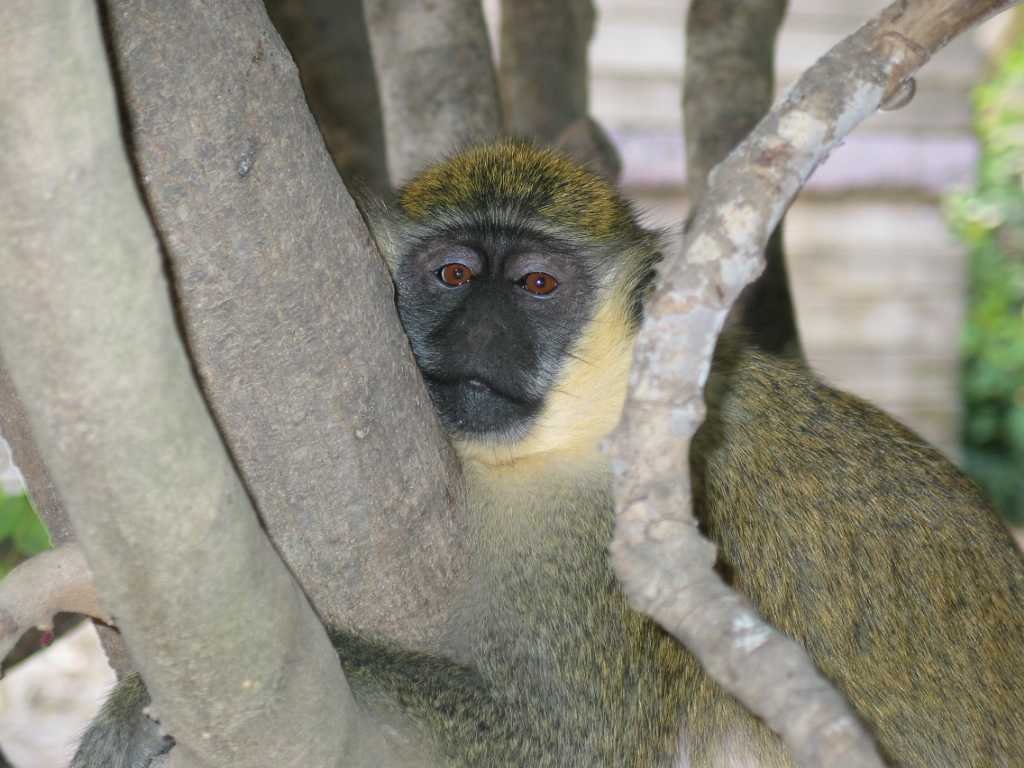
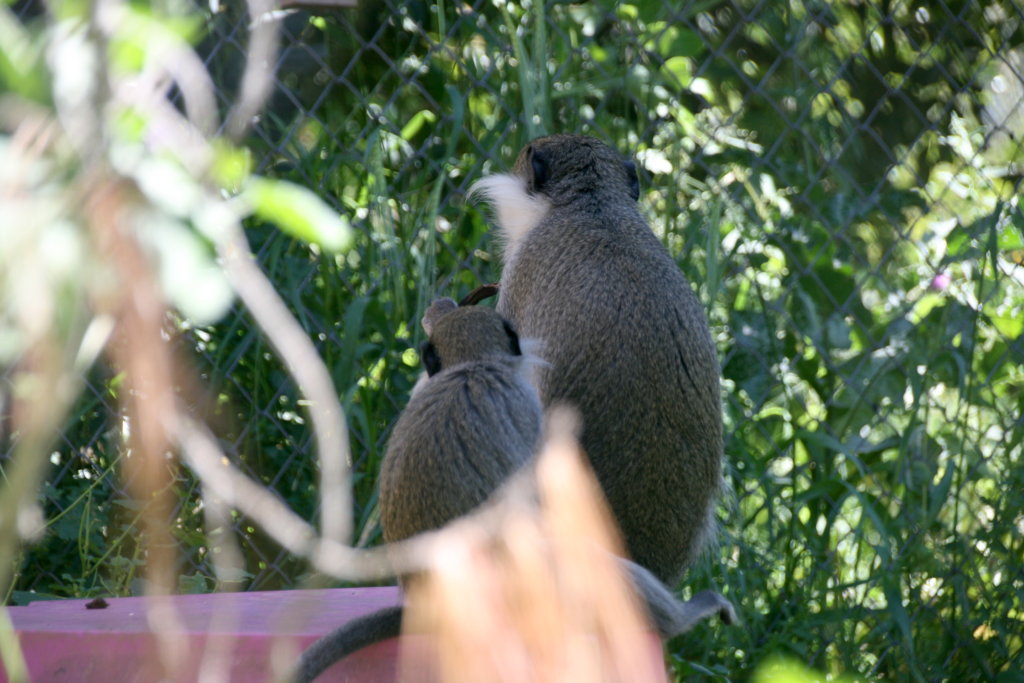
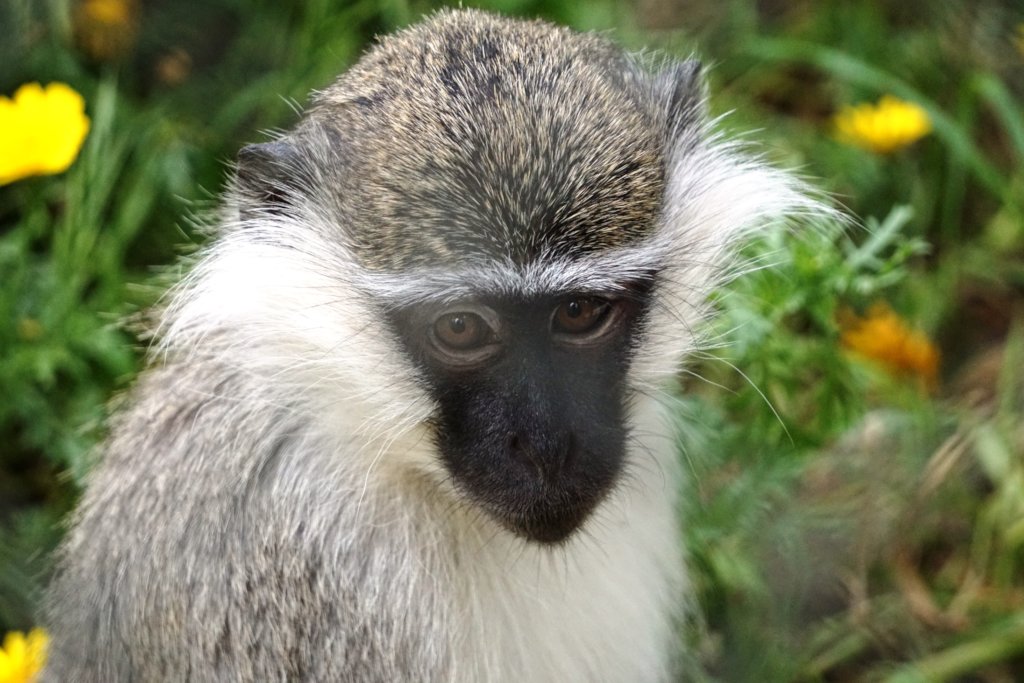
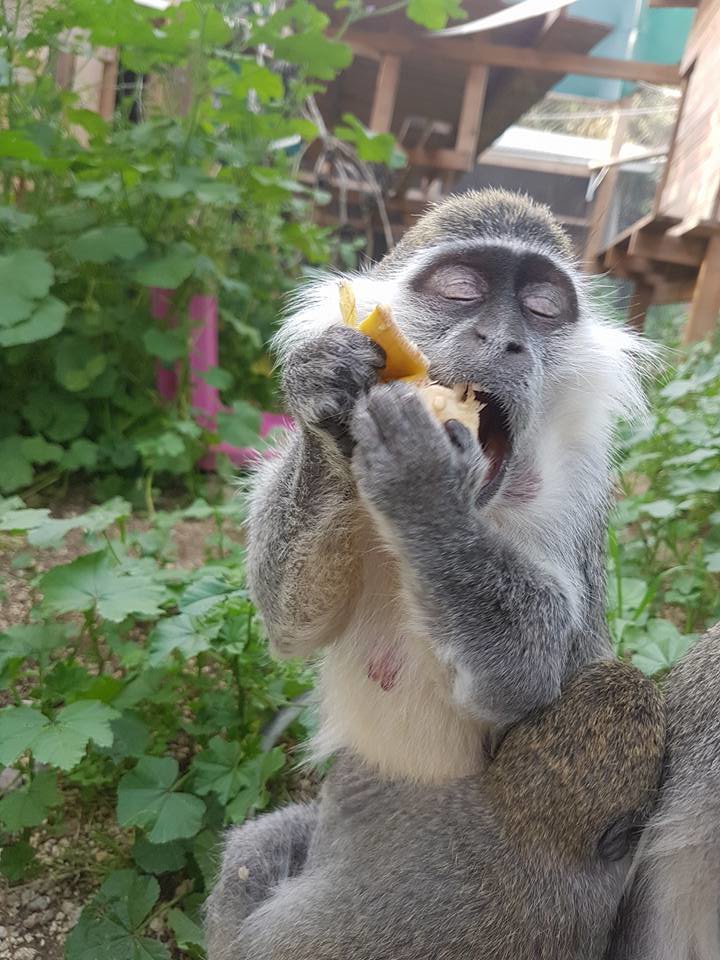
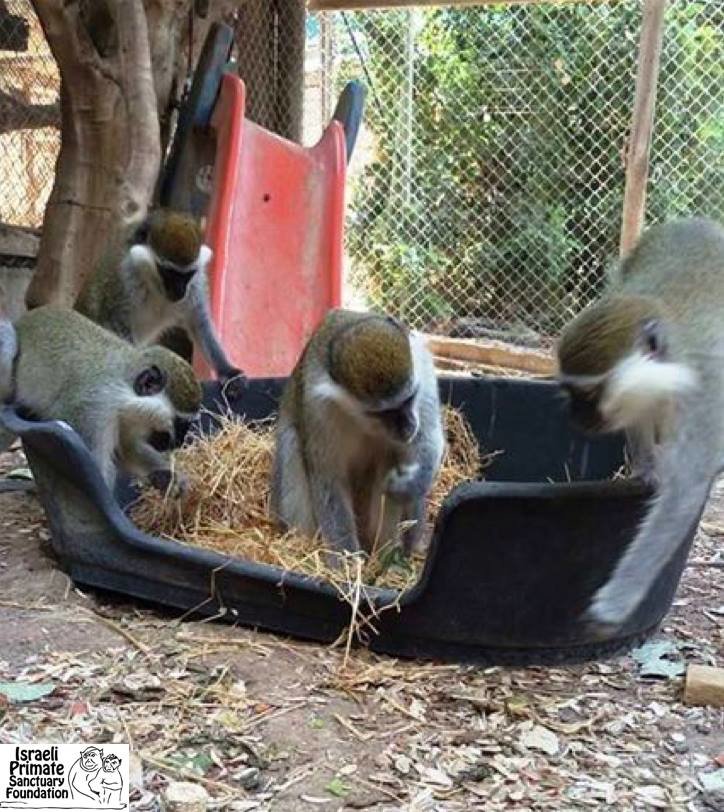
Mufajaa, now roughly 2.5 years old, was introduced to a monkey family of his own. This sweet boy has been very busy in our "monkey school" this past month, learning important behaviors which have helped him find his place in his new family. Pictured above are Mufajaa, Siman-tov, Kalansi, and Bussani foraging together. Bussani, if you recall, was another young vervet monkey seized from the exotic pet trade like her adoptive brother Mufajaa.
What else is happening? Save the date! Giving Tuesday begins at midnight EDT on Tuesday, November 28th. The Israeli Primate Sanctuary Foundation will be competing for a portion of $75,000 Incentive Fund as well as $25,000 in bonus prizes. In addition to these incentives, there will be a 100% match on all recurring donations (of up to $200) that begin on #GivingTuesday!
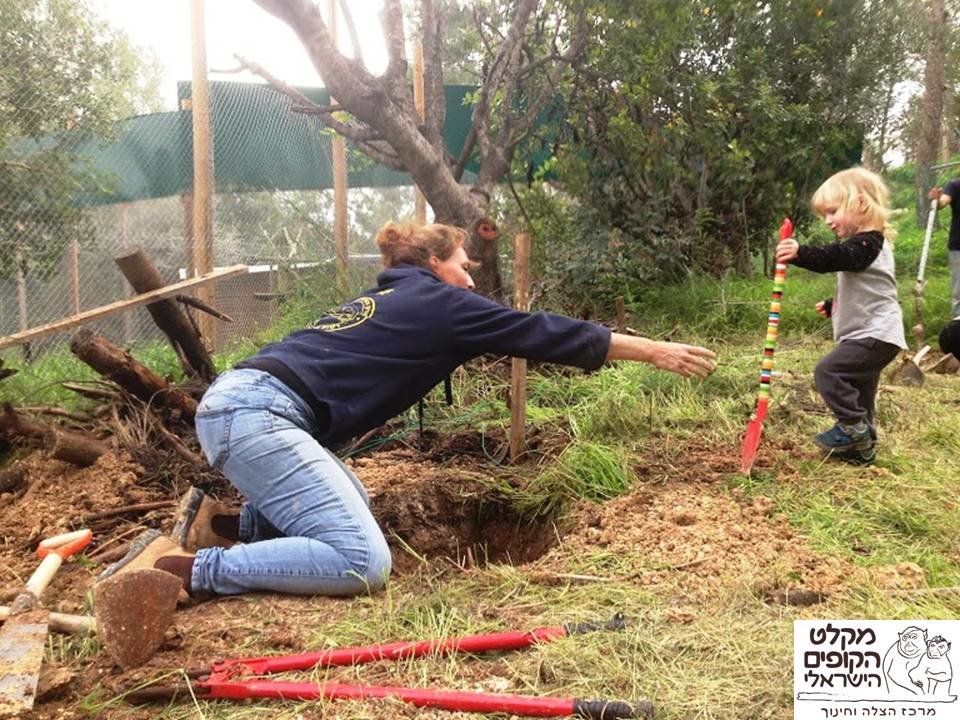
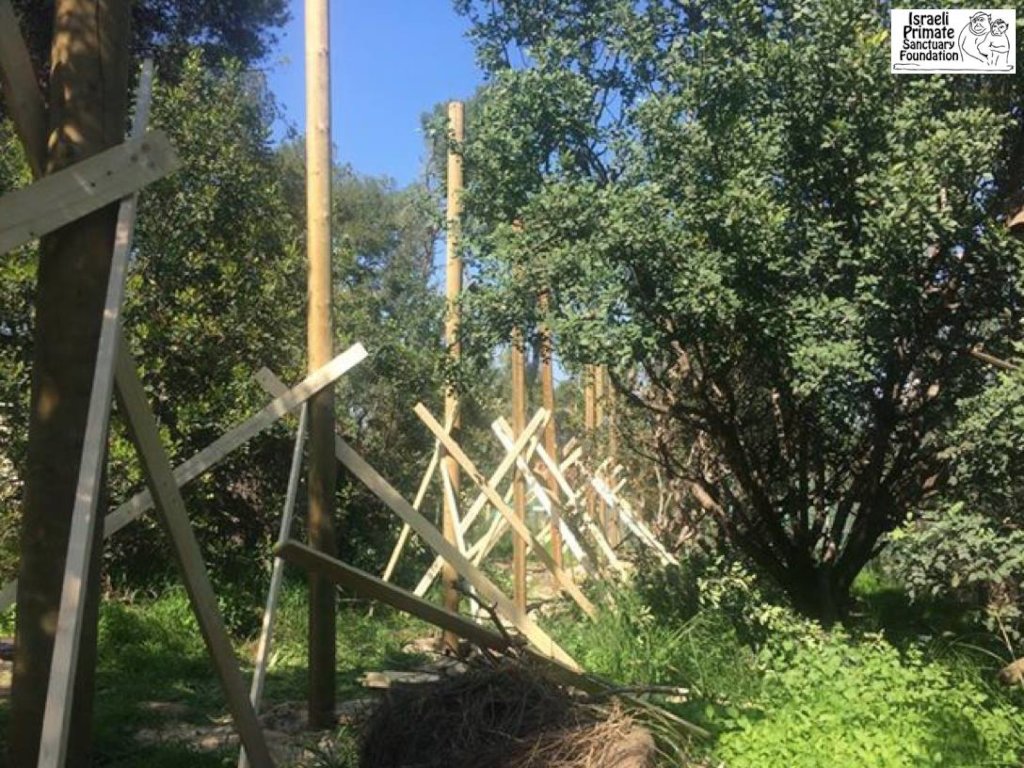
Thanks to your ongoing support, we continue to make progress on the monkeys’ permanent habitats.
We simply could not do this lifesaving work without you! Stay tuned for updates on Mufajaa, Bussani, Siman-tov, Kalansi, and the other vervet monkeys who, with your help, will call these state-of-the art enclosures home!
If you haven't already, follow IPSF on Facebook for more updates on the rest of the Sanctuary's monkeys!
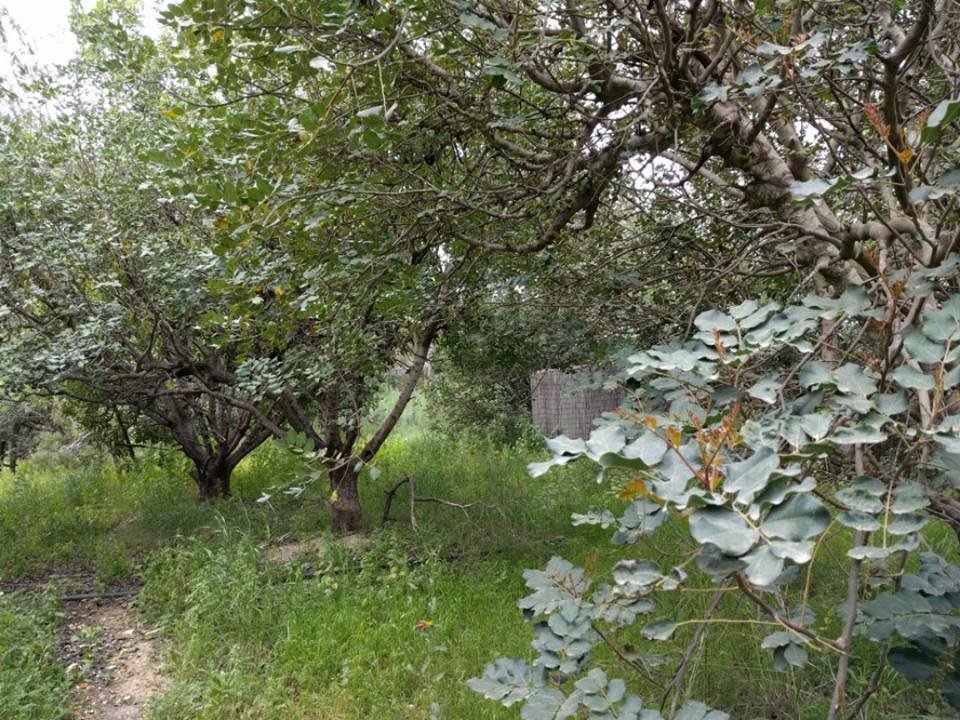
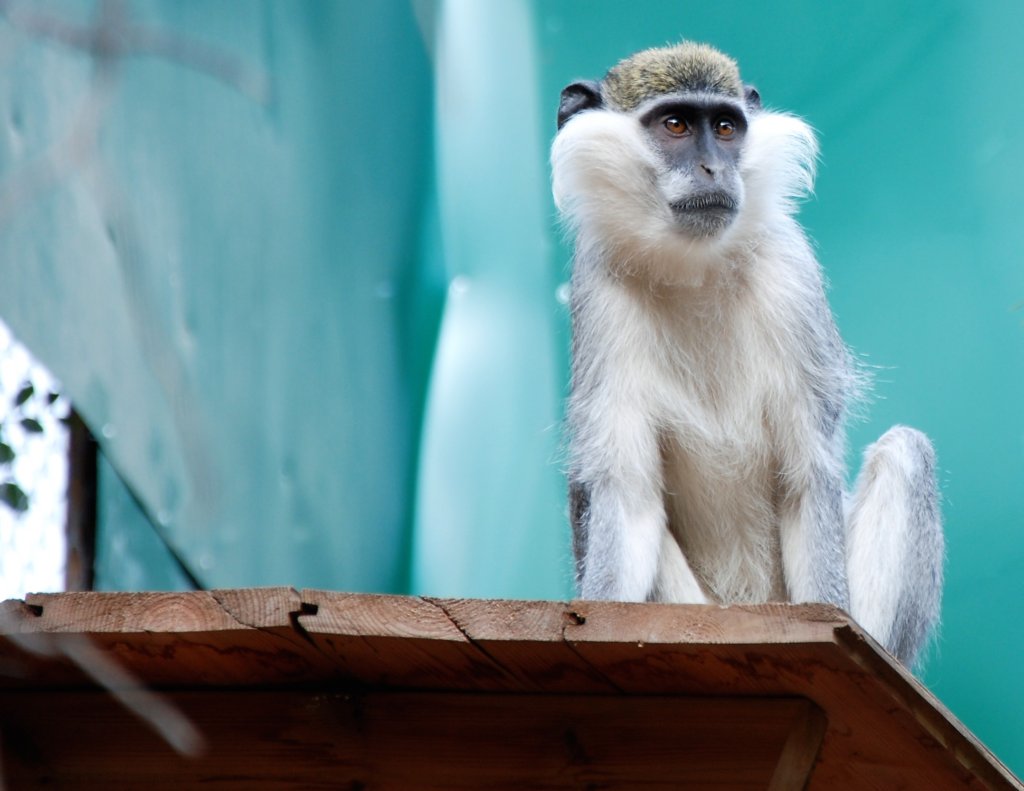
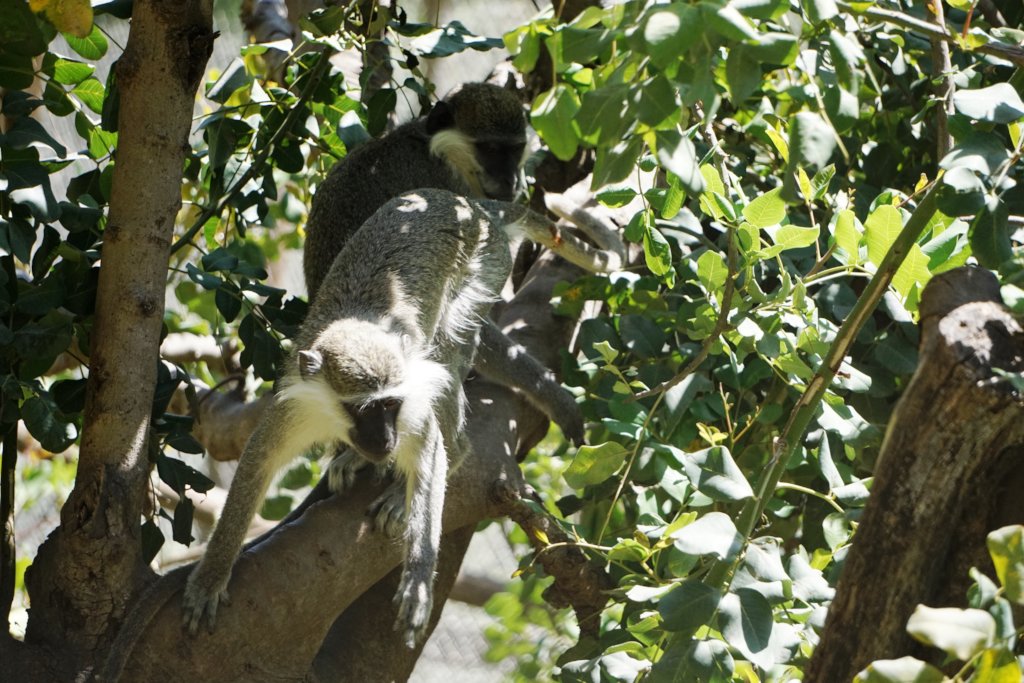
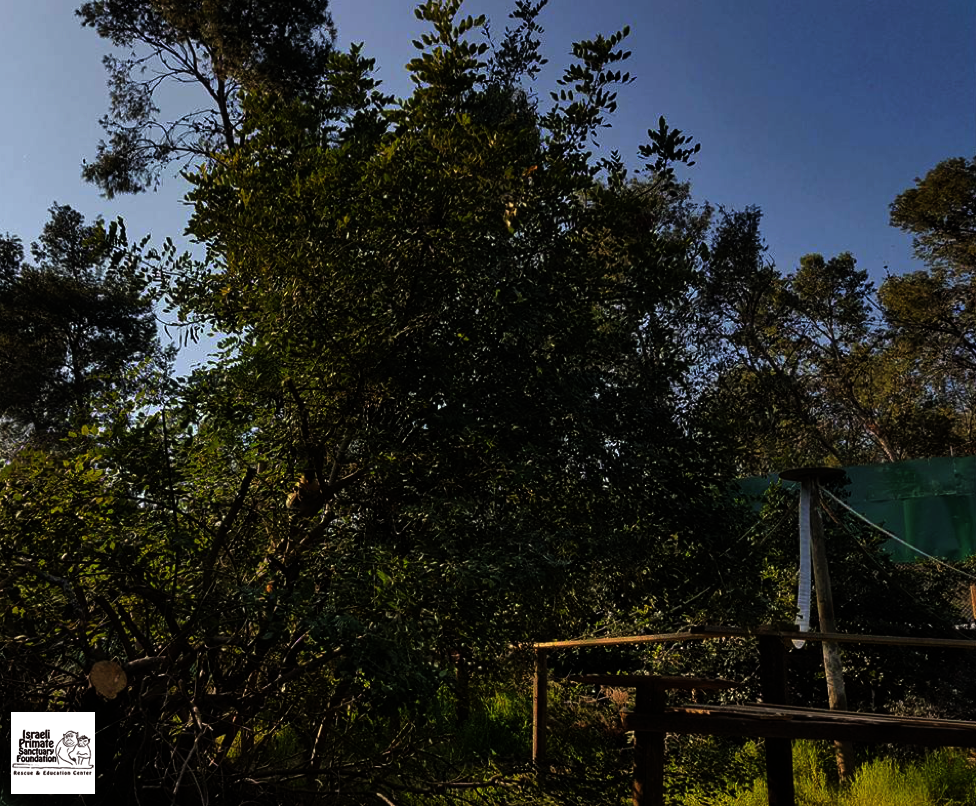
Take a look at the picture below of one of our completed habitats. Can you spot one of our vervet monkeys on the lookout in the trees?
Project reports on GlobalGiving are posted directly to globalgiving.org by Project Leaders as they are completed, generally every 3-4 months. To protect the integrity of these documents, GlobalGiving does not alter them; therefore you may find some language or formatting issues.
If you donate to this project or have donated to this project, you can receive an email when this project posts a report. You can also subscribe for reports without donating.