By Cheryl Bourassa | Program Manager
New American Africans works hard to ensure that immigrants succeed as they traverse a long and often difficult path to acculturation. There is so much to learn about life in their new home town, Concord, NH. Many of the changes that families face flow in one direction: they must learn how to live here. For example, if an immigrant learned to drive in a place where licenses are not required, and babies are held while driving, Concord is not going to meet immigrants half-way. Local laws must be learned and observed.
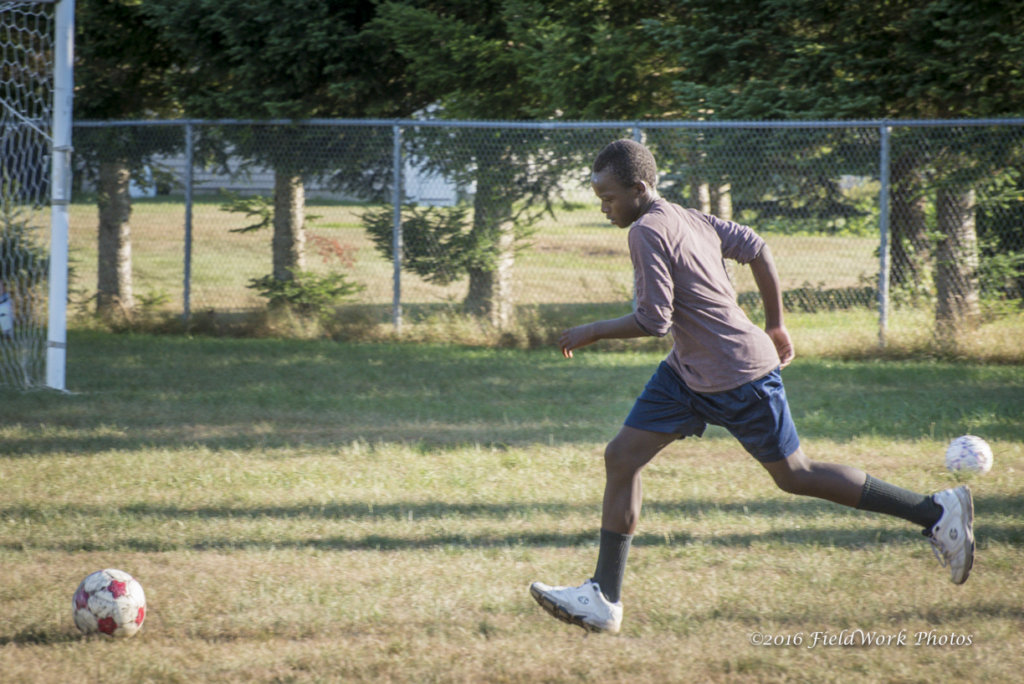
But, there are times when local understandings must evolve, allowing for acculturation to become more of a mutual process. School presents a myriad of opportunities for resettled youth, but also many, many challenges. Especially for young boys, the understanding that it is important to sit still, keeping their hands to themselves, can be hard to internalize. Once these youths are out of the classroom, and participating in after school programming, it is not uncommon for them to need to be physically active.
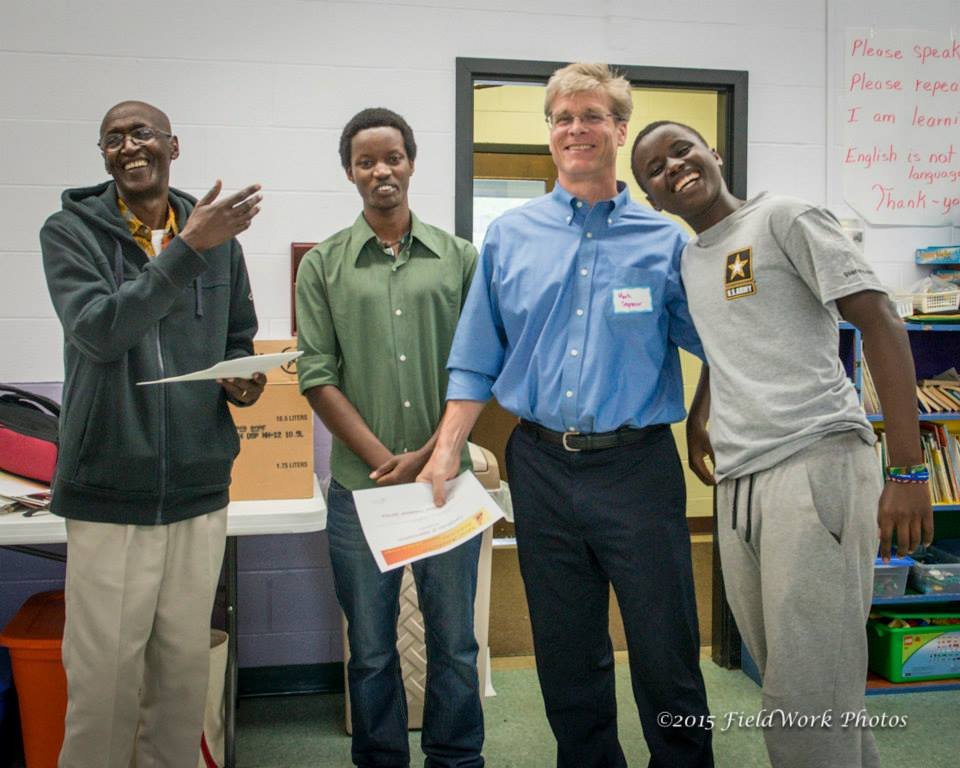
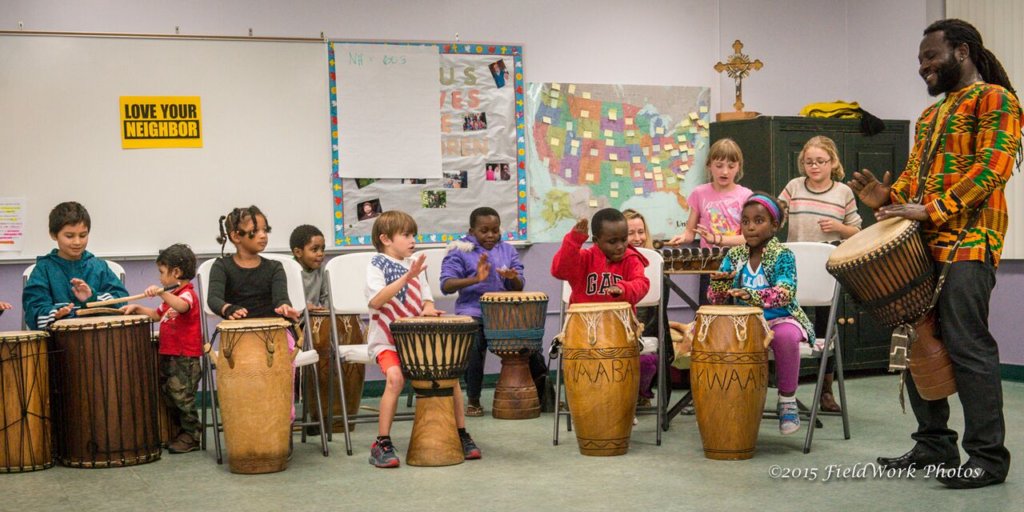
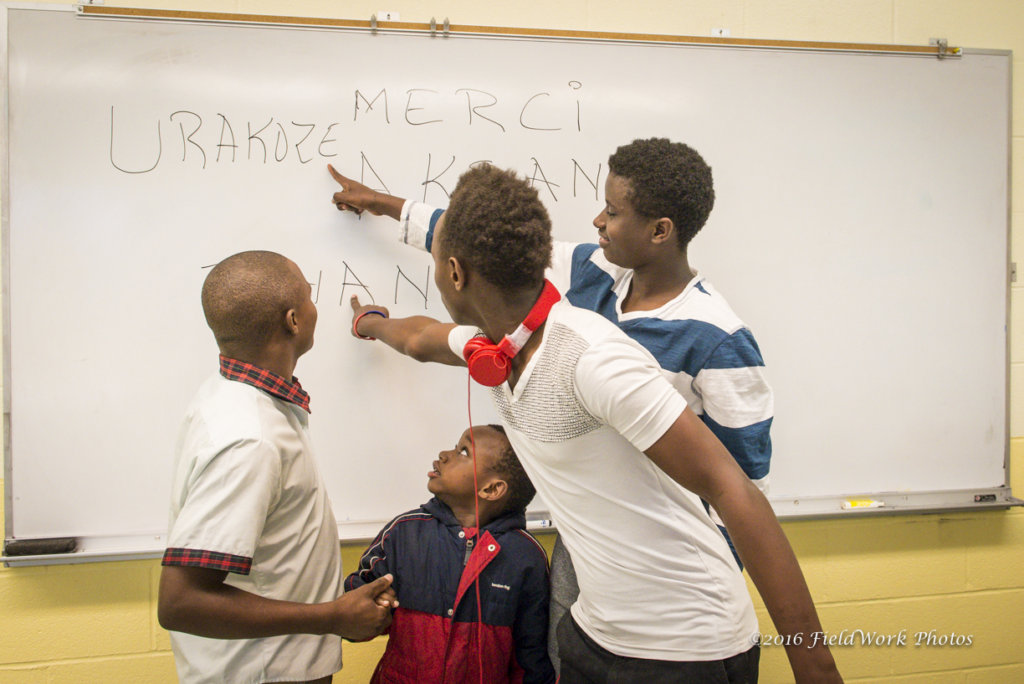
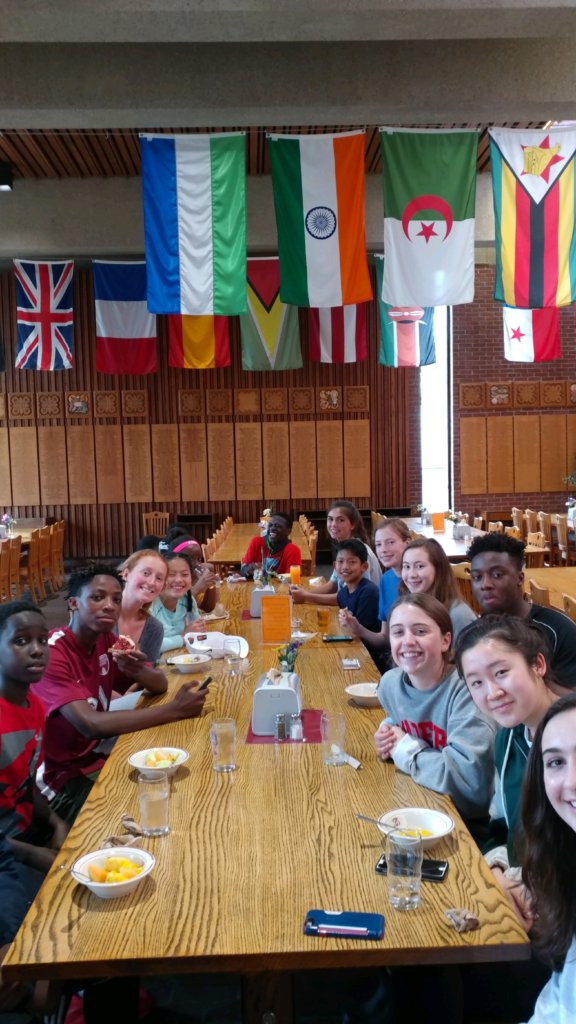
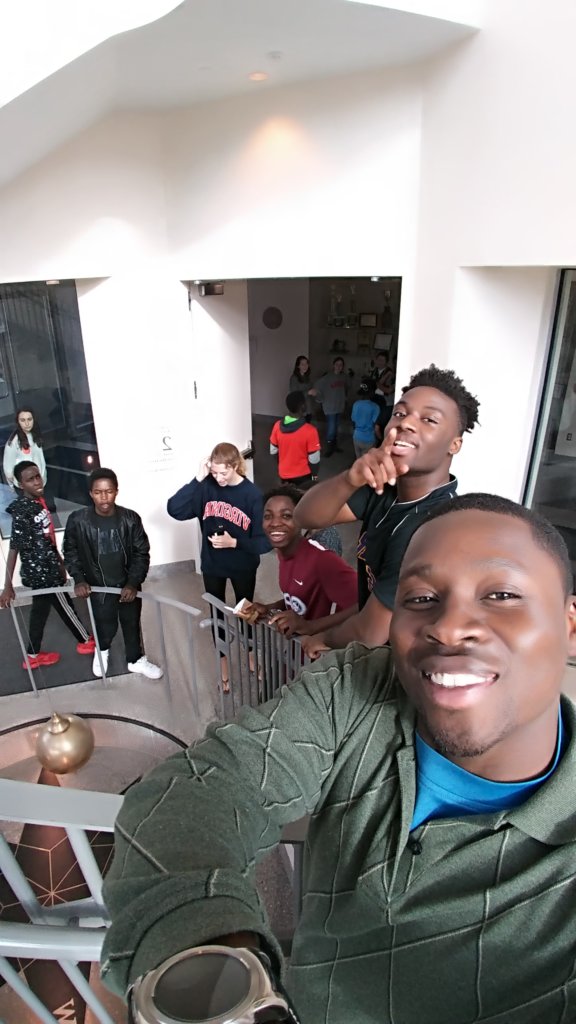
This school year, NAA has been able to partner with the Concord School District’s after school program. Our youth coordinator, Ayi, is in the middle school three afternoon a week. He brings in volunteers from St. Paul’s, a local boarding school, who offer academic support and friendship. New American youth find this partnership valuable. They get the homework help they need, they practice English and they have fun. Their parents can remain at work, knowing that their children are in a safe setting. So, when behavior threatens a student’s ability to continue to participate, that child needs an advocate.
Recently, Ayi was able to intervene on a student’s behalf. Joe (we are protecting his privacy; Joe is not his true name) was facing a two-week suspension from after school activities because of rough behavior. Joe is an excellent student, deeply committed to mastering English, doing well in school and fitting into his new home. But, he still also has norms that he learned in Africa that allow for a more physical kind of play than many American adults feel comfortable with. He and another boy were running in the hallway, bumping off each other on the way to the gym. Joe understands that running at school isn’t permitted, but after a long day of operating in a new culture, it seemed like such a normal way to interact with his friend, also from Africa. American adults were quick to assume that this was more than just a violation of the no running policy: this was unwarranted, unacceptable physical aggression.
Luckily for them, Ayi saw the interaction. He spent time working with the American adults, explaining how African boys play. He diffused the situation. A consequence that might have sent a very negative message to a very promising student was avoided. While the school still will intervene when students are running and pushing, the response will be more appropriate; the assumption will not be that serious trouble is brewing.
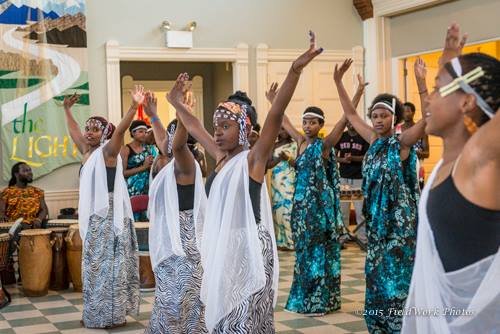
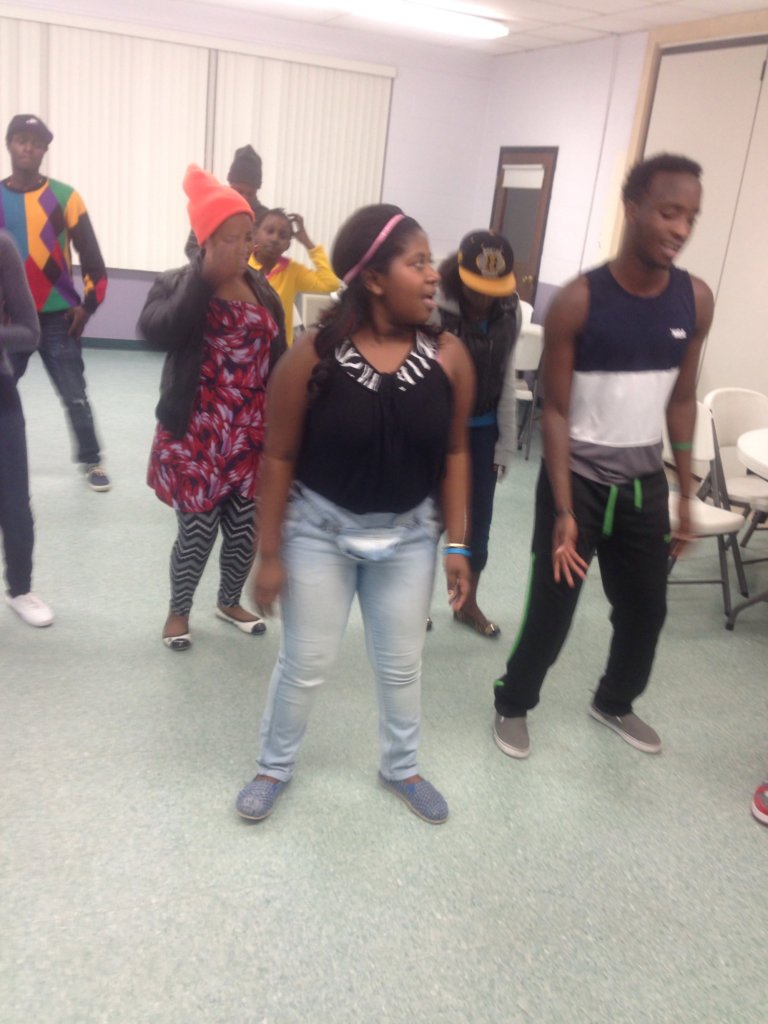
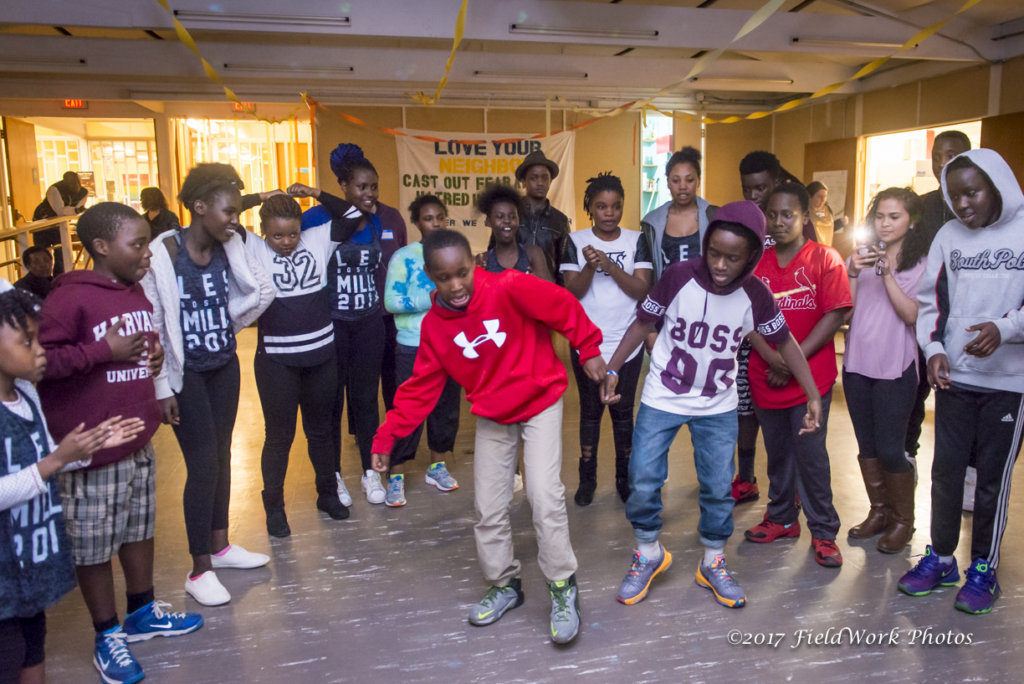
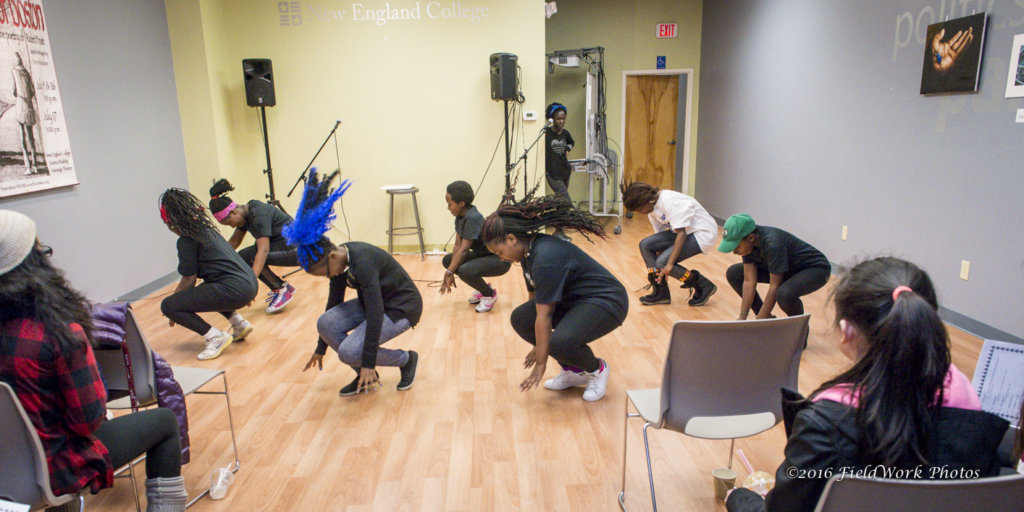
Ayi knows Joe well because he comes for academic support, and he participates in our dance program. It is during the evenings, when the dance class is scheduled, that all of our youth are free to be truly themselves. It is these rich relationships, fostered through dance, that allows Ayi to play a critical role in helping the school district to understand the culture of newcomers. Acculturation is always an easier path when the host community is willing to meet students halfway. We are so lucky to have Ayi serve as a cultural navigator, bringing both communities to a place of mutual understanding.
Project reports on GlobalGiving are posted directly to globalgiving.org by Project Leaders as they are completed, generally every 3-4 months. To protect the integrity of these documents, GlobalGiving does not alter them; therefore you may find some language or formatting issues.
If you donate to this project or have donated to this project, you can receive an email when this project posts a report. You can also subscribe for reports without donating.