A DISTRIBUTION UPDATE
I was in Uganda in 2011 when South Sudan gained its independence. For weeks preceding their independence day, the Sudanese could be seen packing their belongings, saying their goodbyes, and telling their friends that something good had come out of their suffering—the independent South Sudan they had always dreamed of having. They headed home to be present at the ceremony and build a new South Sudan. Those who stayed behind celebrated the day of their independence with celebrations that could be heard around Kampala city.
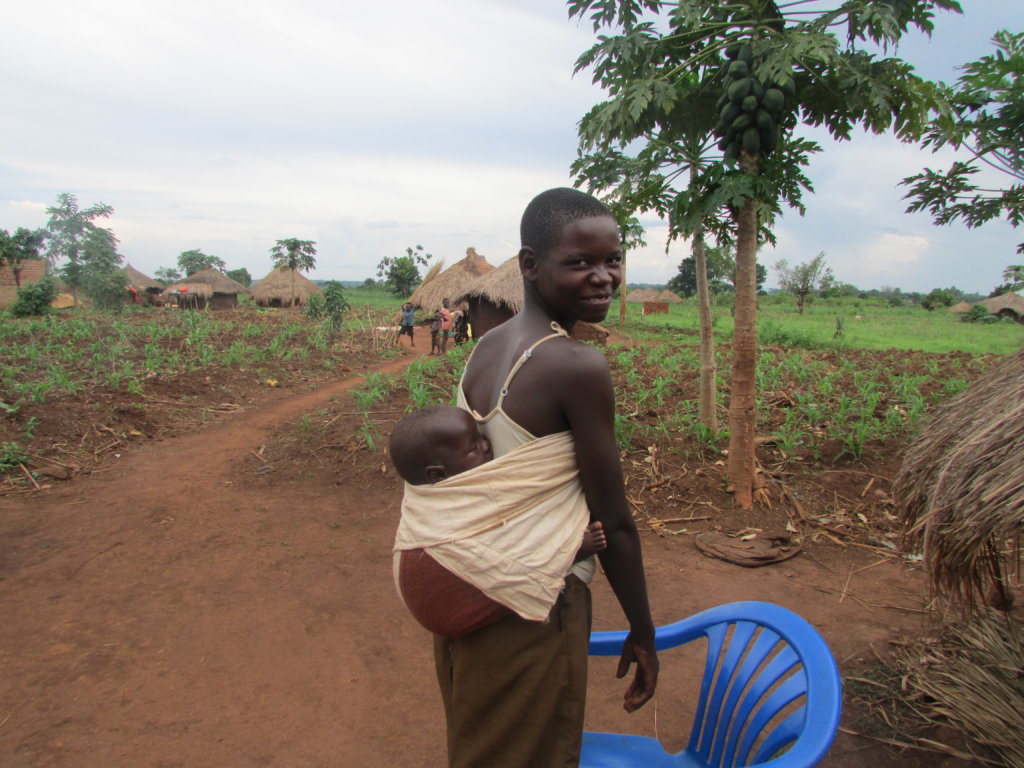
Two years later, the hope was quashed when a civil war broke out between the president and vice president of Sudan. People were divided along ethnic lines, and the suffering they had endured to bring about an independent South Sudan was repeated. Rival troops passed through the villages. Men and boys did not escape, women and girls bore other scars of war. By the time, I returned to Uganda in 2014 many South Sudanese had come back and hundreds were arriving each day. This time as women headed and children headed households.
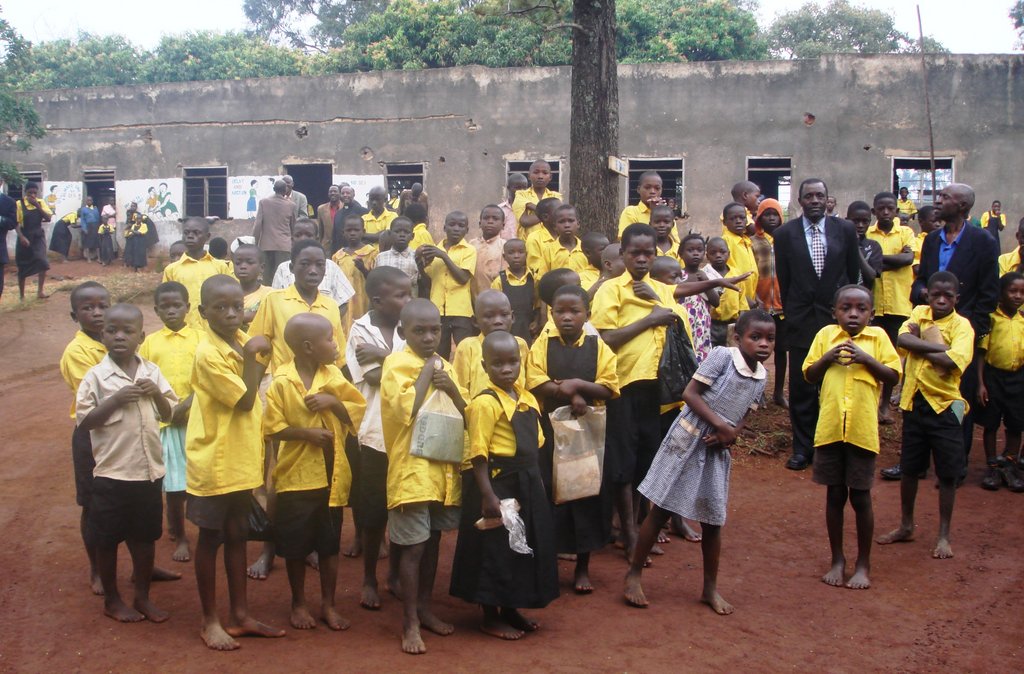
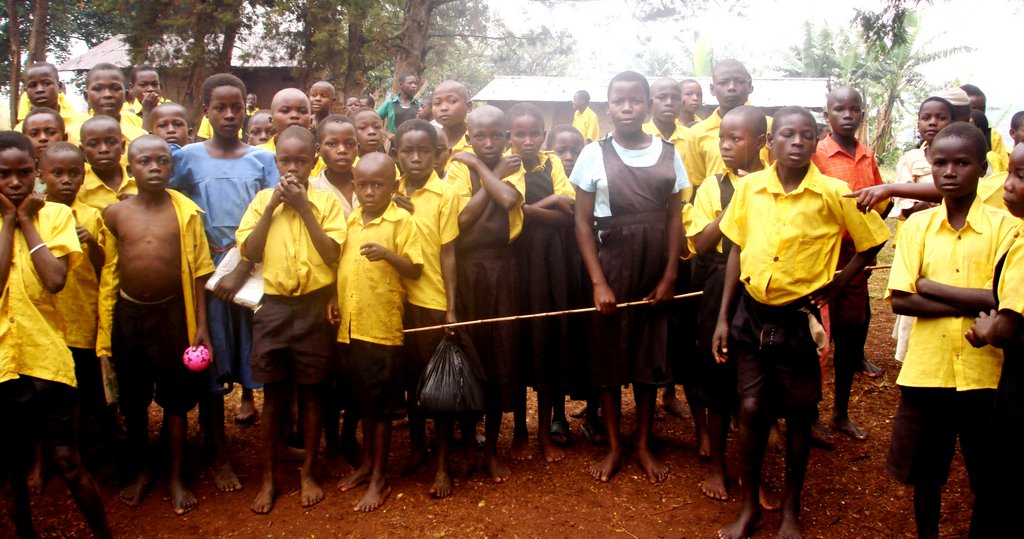
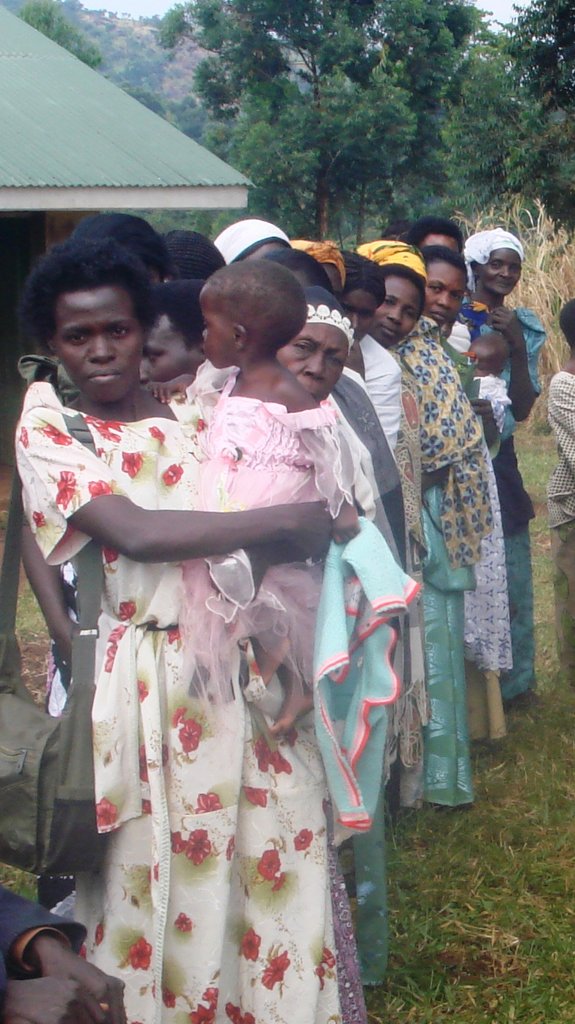
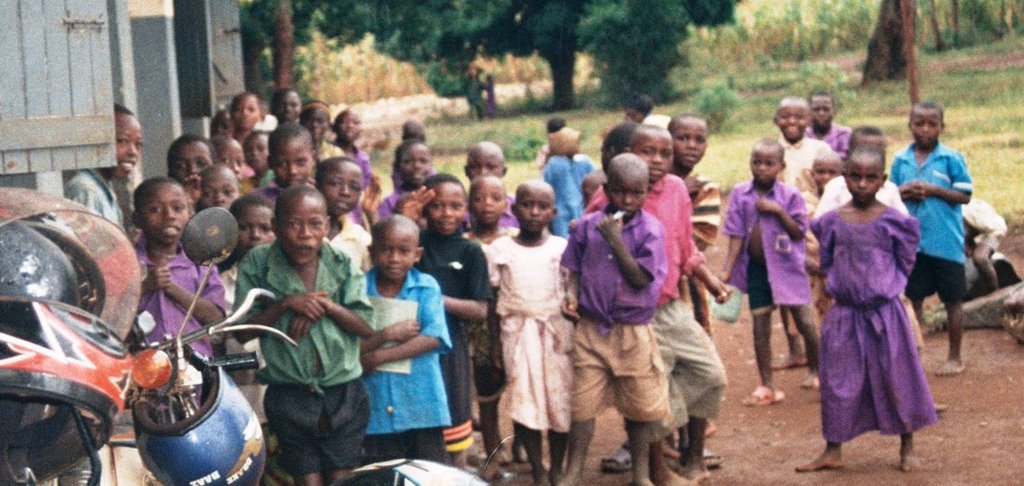
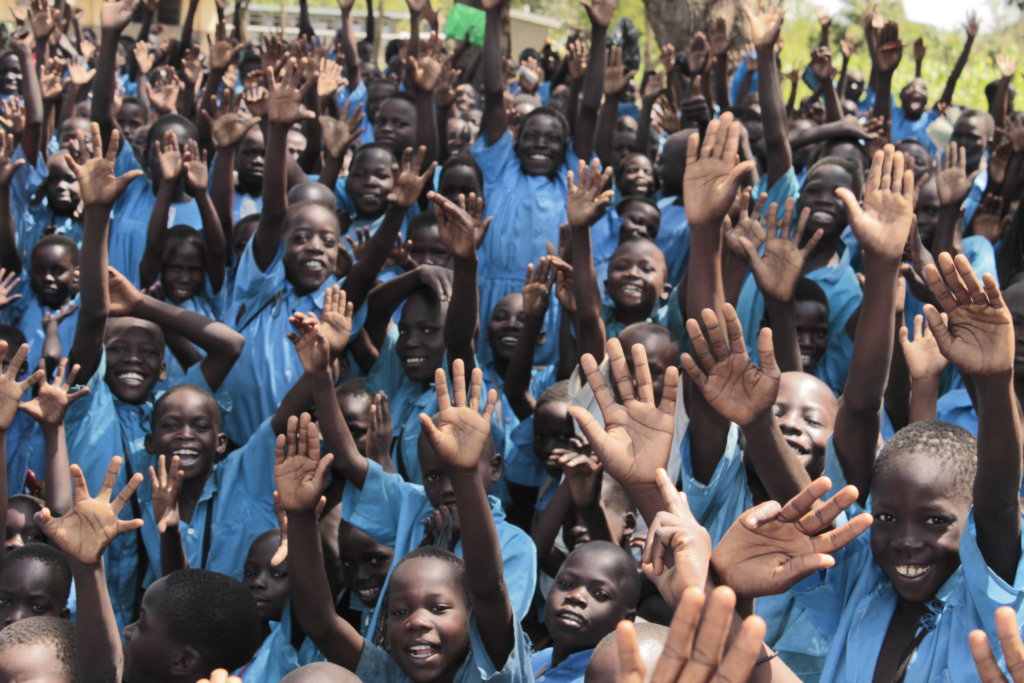
Despite everything they have been through, they still have hope. One of the refugee women, Gloria, brought me baskets and cake. Please, help her sell these things so that she can pay for her daughter to go to high school. They hope that South Sudan will stabilize and their children will be the future leaders in the country. As such, the public schools in Uganda swell with South Sudanese refugees. Still, there are many barriers for them to attend school—they plant crops on small plots allocated by UNHCR. They walk for hours to obtain water for their households. They struggle with hunger. They are very vulnerable to sickness, especially malaria. For children who have already overcome so much, seen so much, and will continue to struggle, our goal is to help them stay in school by protecting them against malaria. Everyone in Katulikire area suffers from malaria almost annually. Due to malnutrition, stress, conditions in the refugee camp, the refugees are particularly vulnerable to malaria. By protecting these children against malaria and helping their families, we protect the workforce, financial resources, and help our students so that they may live to see stability in South Sudan and return educated to become future leaders.
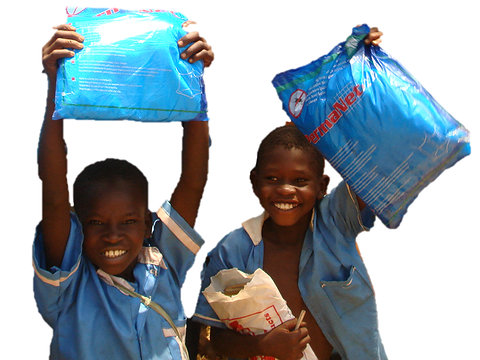
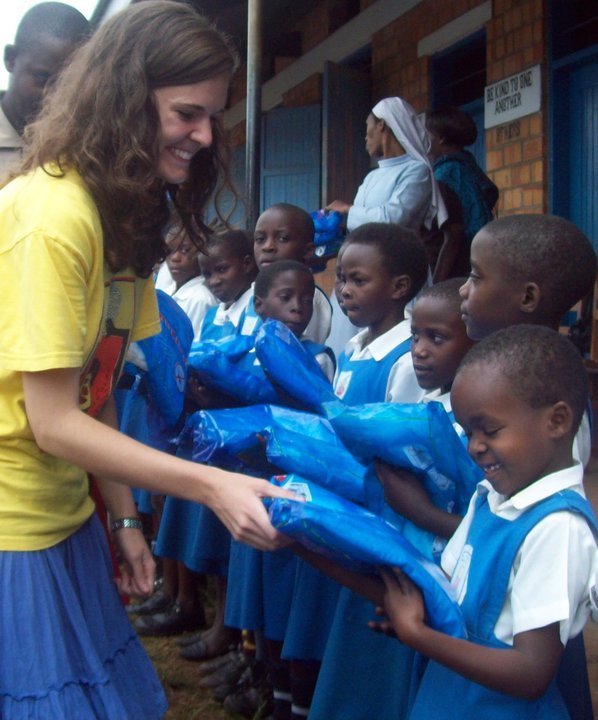
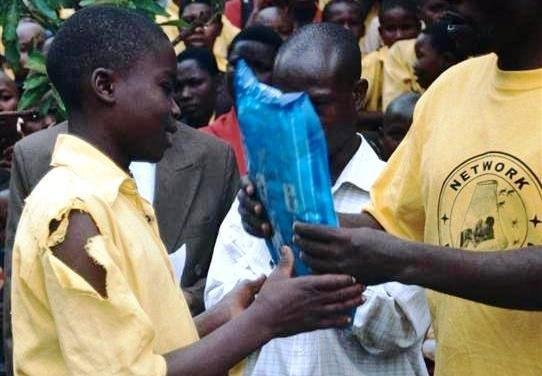
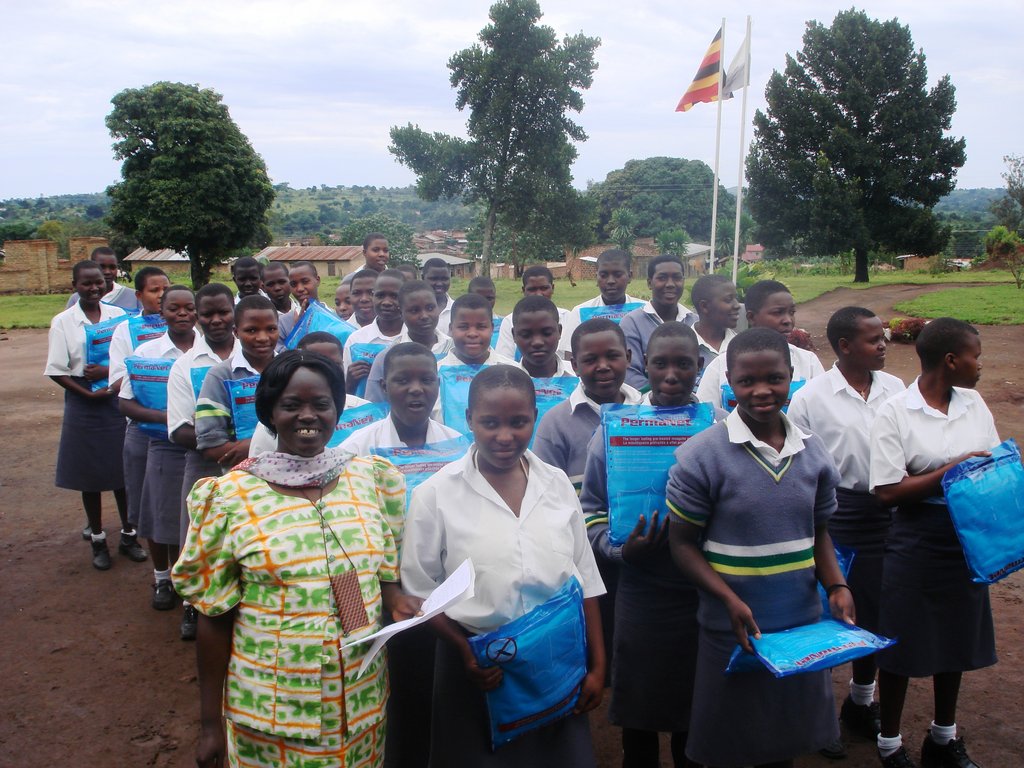
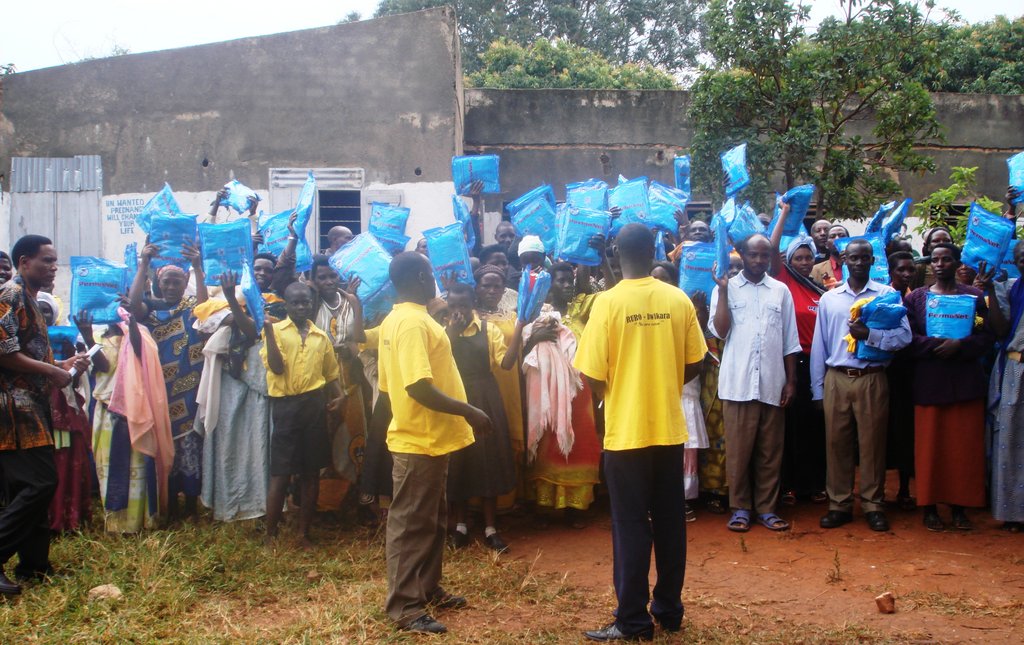
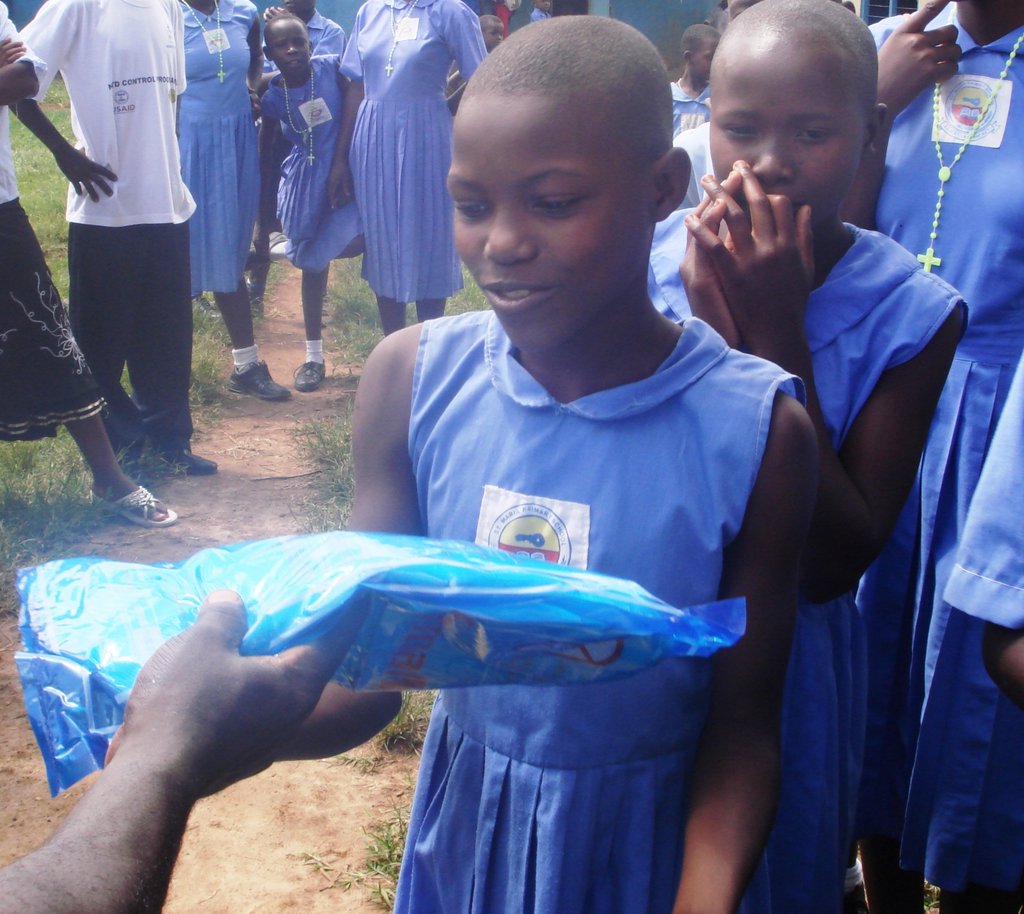
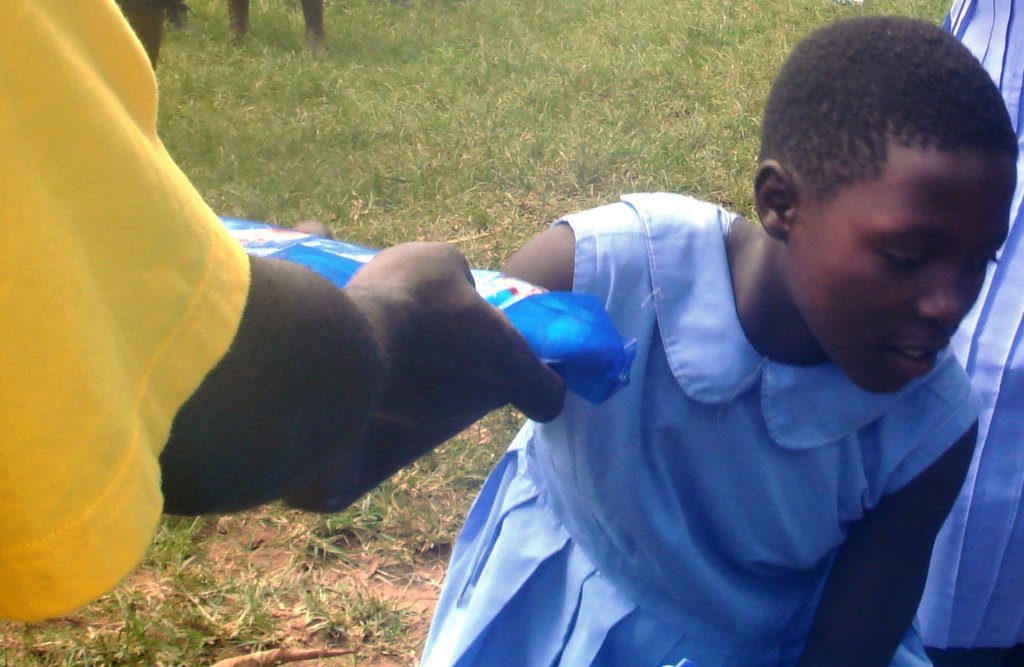
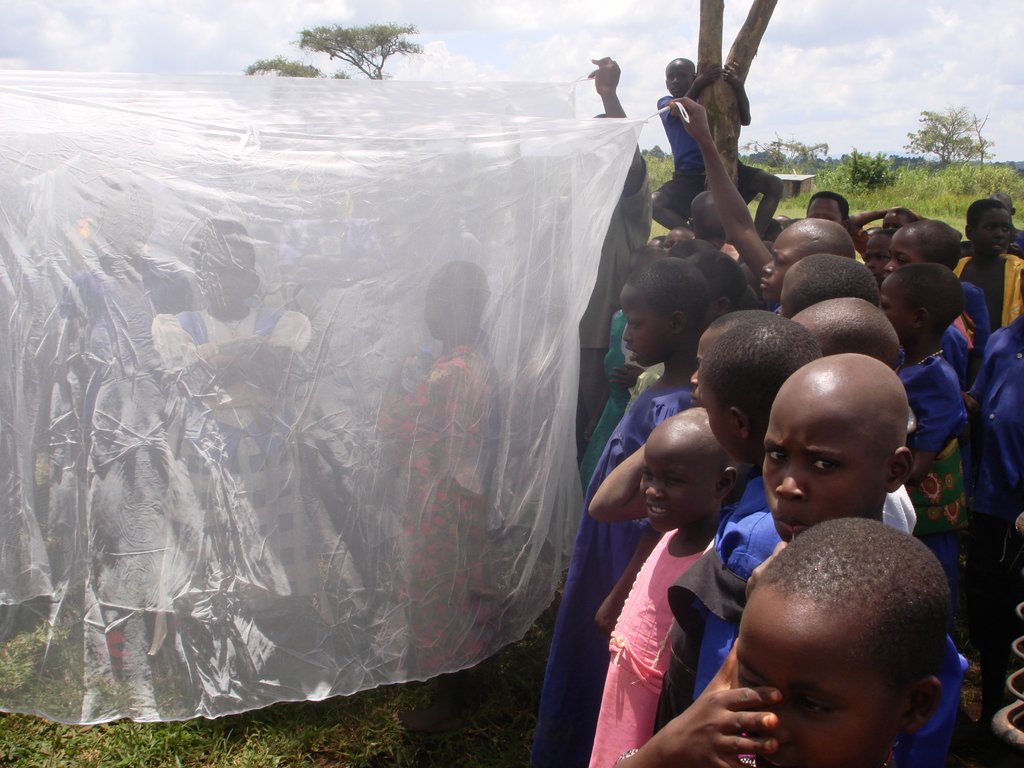
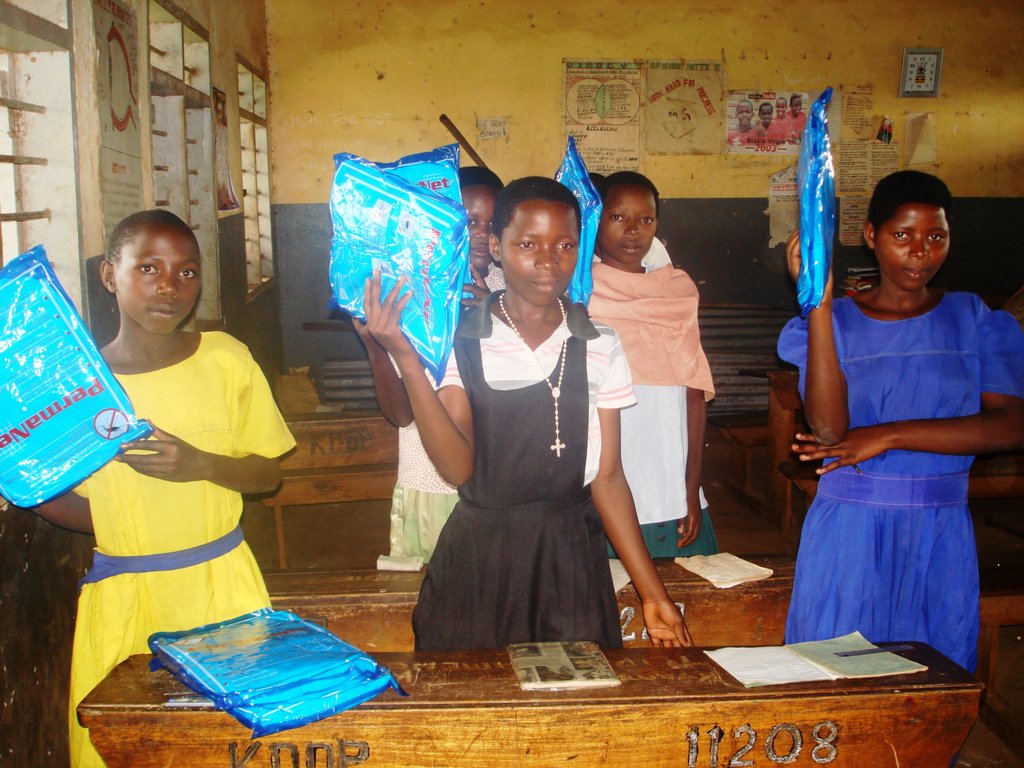
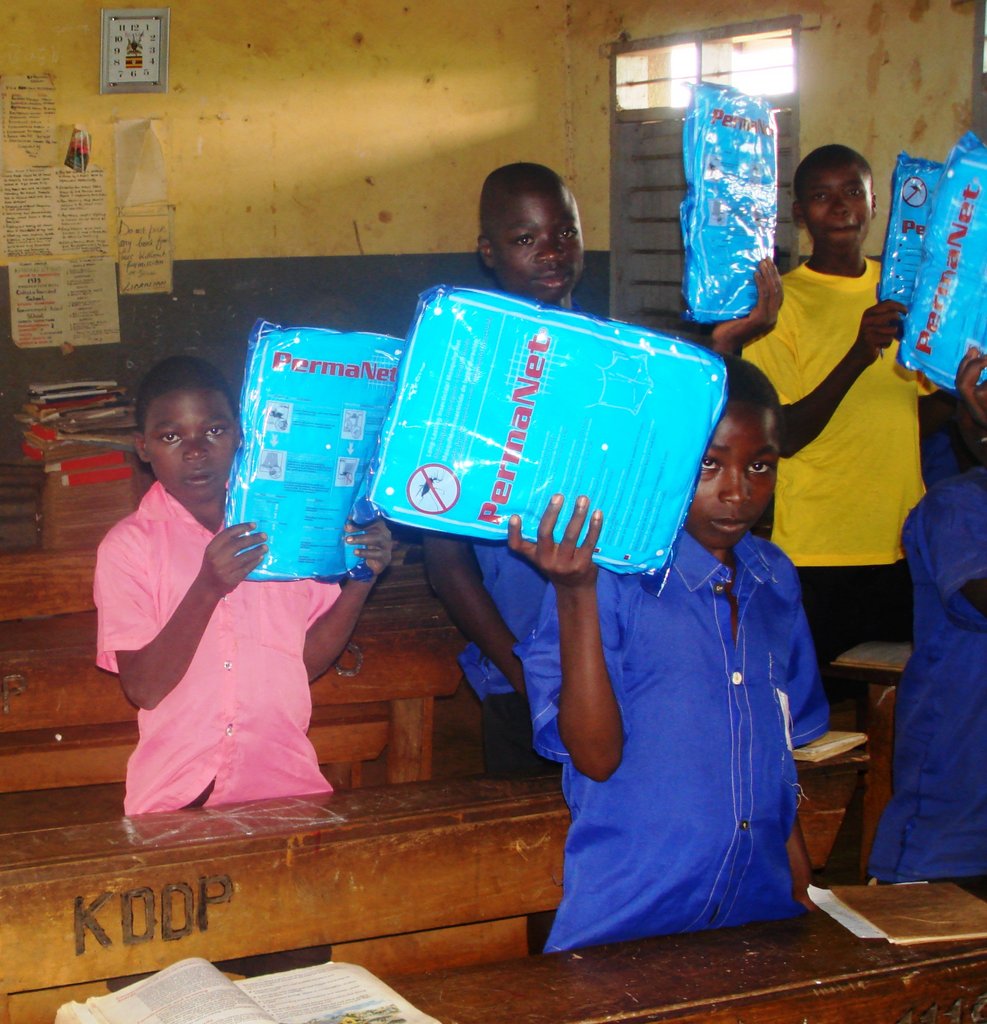
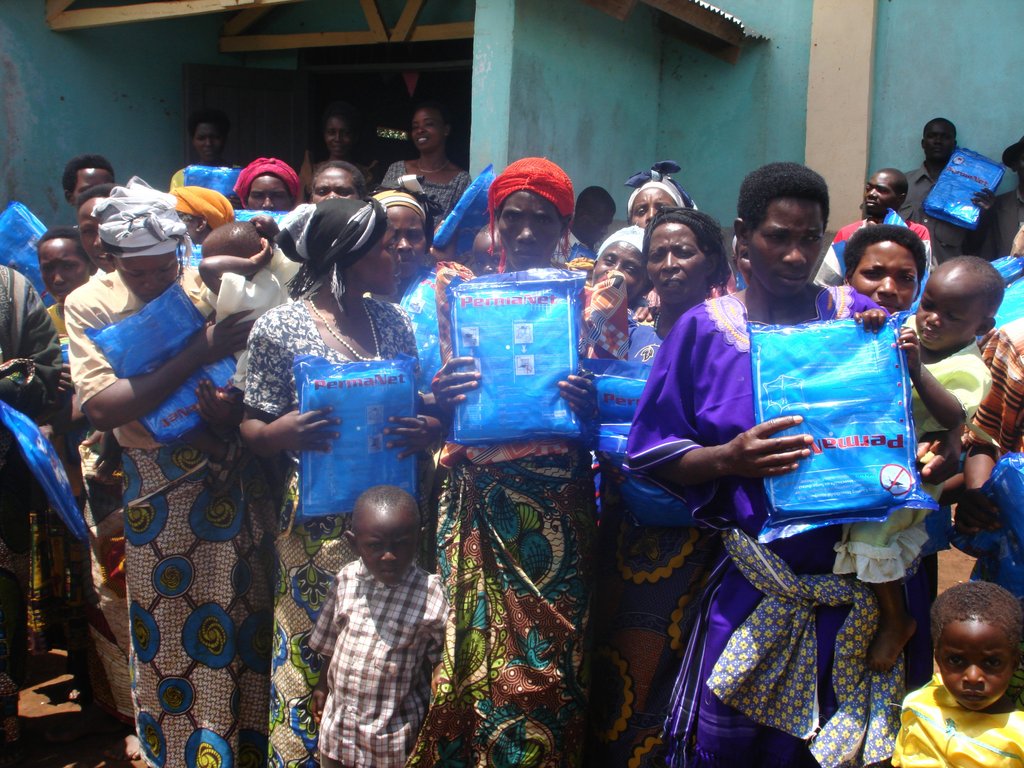
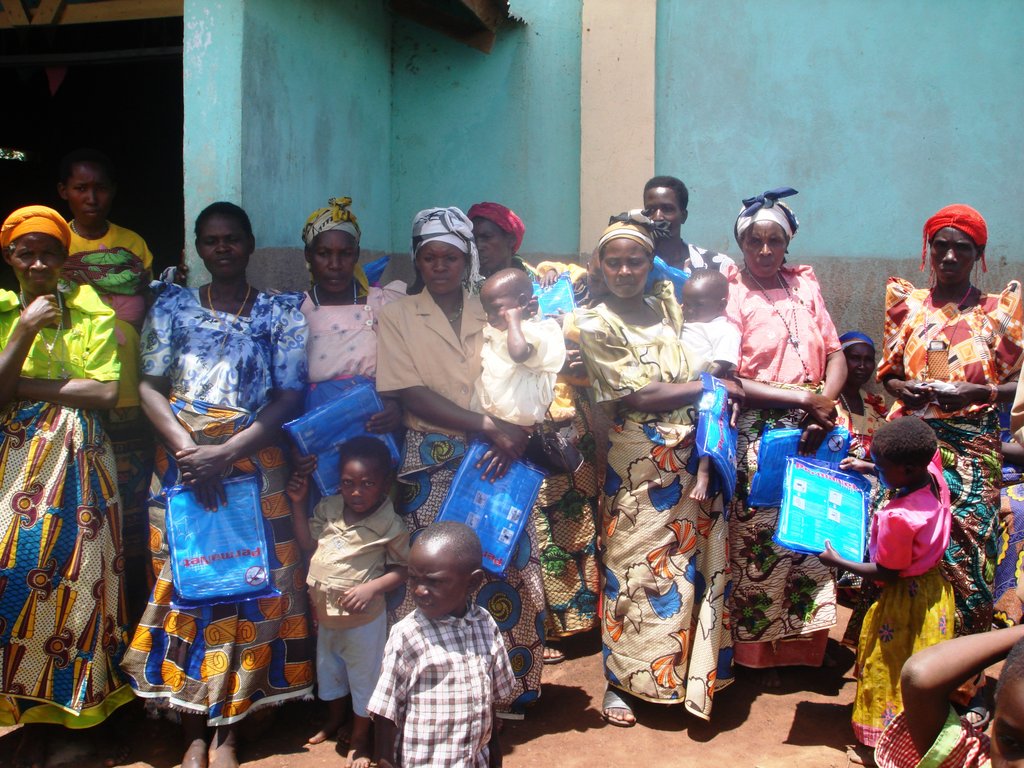
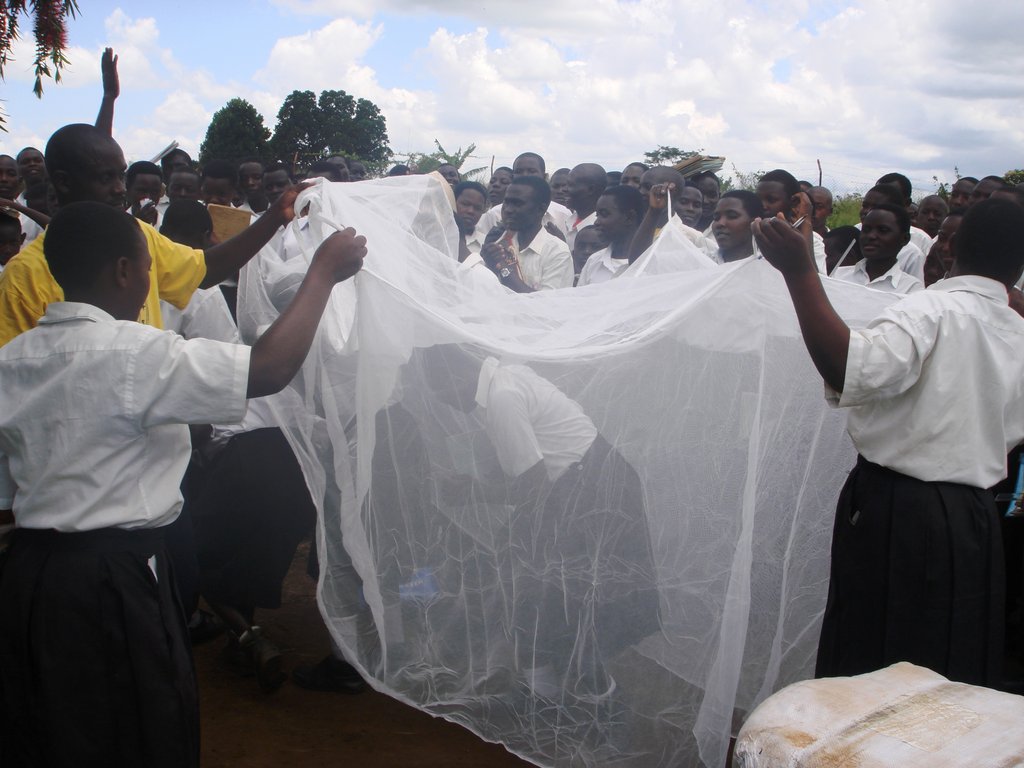
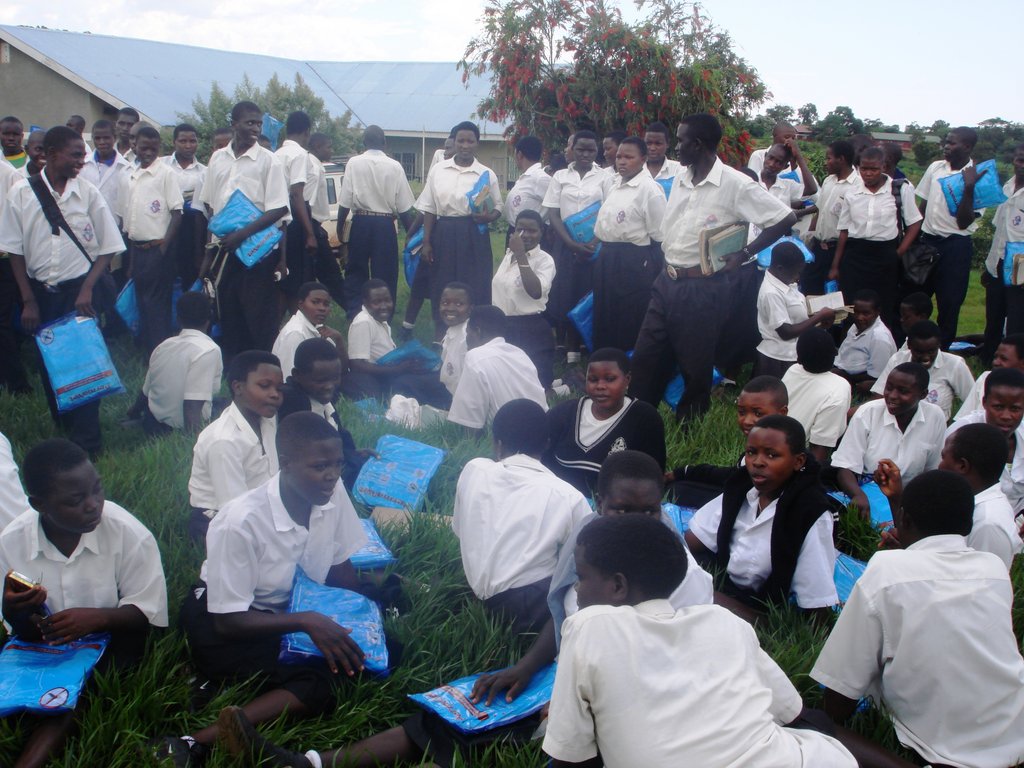
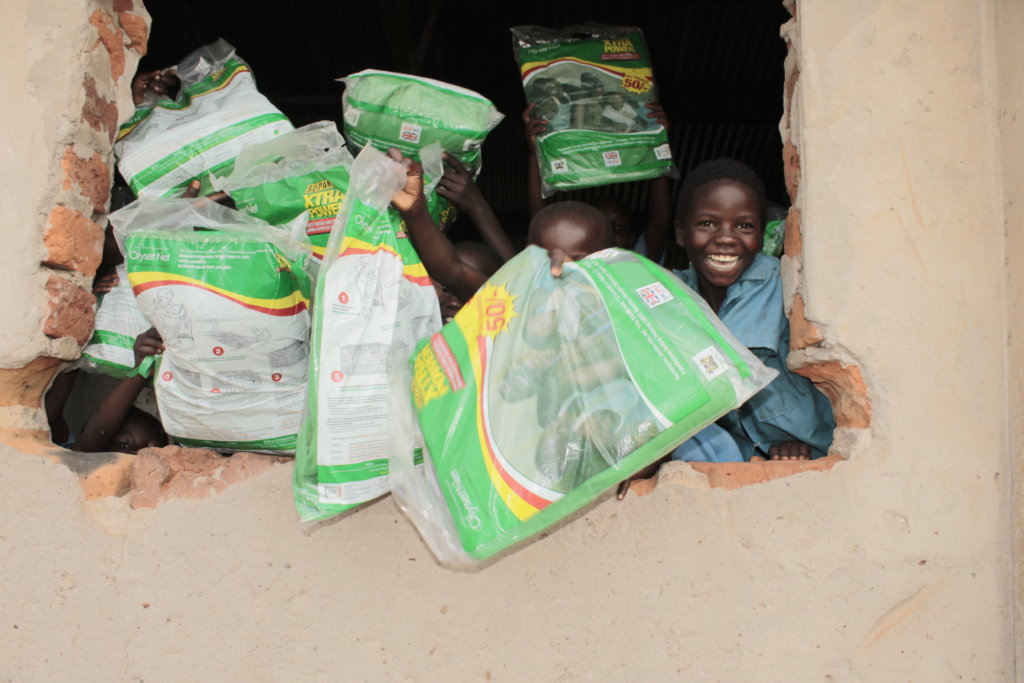
Our goal was to distribute nets on October 15 to the students in the refugee camp, but on September 15, we did not have adequate funding. We issued a plea for help to protect the first 2,000 refugee students. We received an outpouring of support from across the country, particularly from Charlie Johnson and the followers of his blog. Because of this support, we not only covered the first 2,000 students, we were able to expand our efforts to a second refugee school and distribute nets to 3,965 refugee students at Canrom and Bidong Public schools.
Thank you again for your generosity. We could not have done it without you.