By Mark Rikkers | Executive Director
At dZi Foundation, we are proud of our mistakes; they are what help us learn to do even better. We go to great lengths to listen to community members, to learn from our past experiences, and to troubleshoot before we begin new projects.
We strive to be a true learning organization, and to be flexible and agile so that we can respond to changes as they occur. One of the major sources of learning for us is our project evaluations. We evaluate each project and collect community feedback to understand impacts, challenges, and what we could do better next time. When looking at our evaluation data, we noticed that 70% of evaluations noted that the timing of projects was a significant challenge.
Last year, we made a massive organizational change to address a need that community members were voicing subtly over a number of years. As a US-based organization, it made sense to pin our fiscal year to the standard Western calendar that starts on January 1st. This made financial record keeping and yearly auditing much easier on the US side, and we aligned our Nepal office records to match.
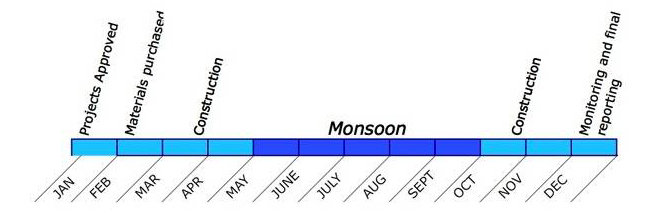
Accordingly, our projects all broke ground in January – right in the middle of the dry season. This then only allowed for five months of good weather before the monsoon rains began – not enough time to complete a major construction project like a school.
One unintended consequence of this short timeline meant that the wood used for construction often did not have time to properly dry after it was cut to specifications. This led to warped window and door frames which would only close with great effort.
Monsoon is also a time where community members are extremely busy working in the fields to plant their annual rice harvest. Asking for local contribution to projects during this time would put undue pressure on local families, not to mention the fact that working in the rain is miserable.
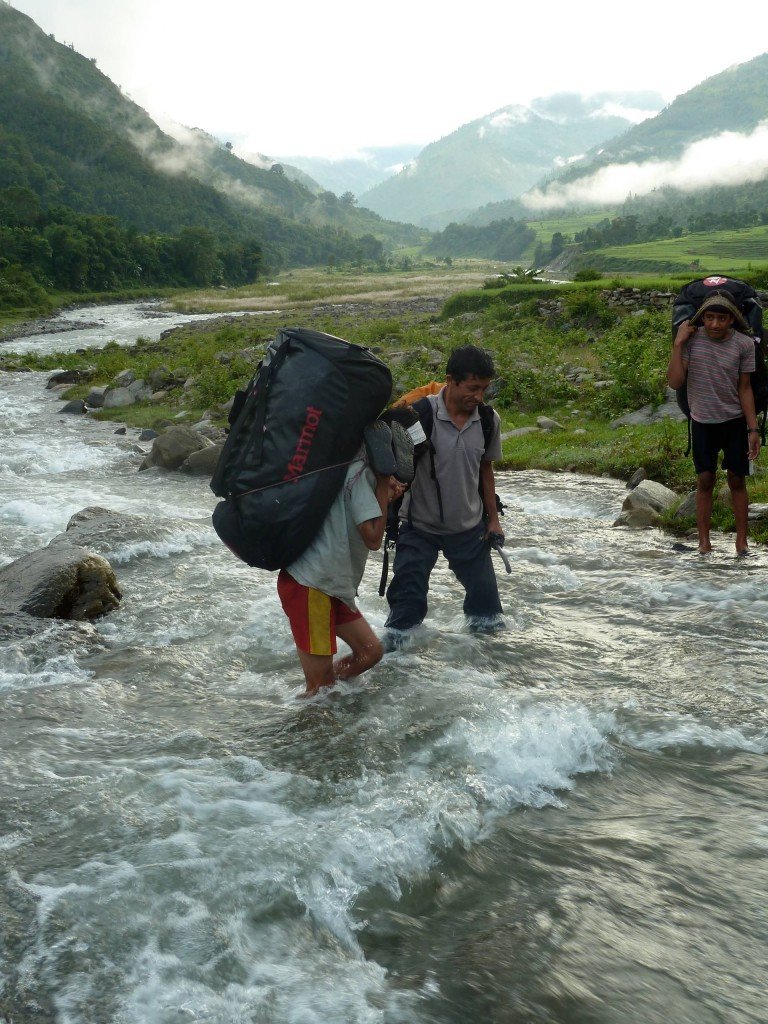
Travel and transporting materials during the monsoon is extremely dangerous due to flooding and extremely slippery trails. Projects that carryover into the monsoon put local community members at greater risk of injury while contributing local materials.
In response to this clear message, we began the process of shifting our official fiscal year to match the Nepali fiscal year which begins in July. This required a fair amount of juggling and reworking our financial systems – but it was well worth it. We officially began our new fiscal year on July 1st, 2015.
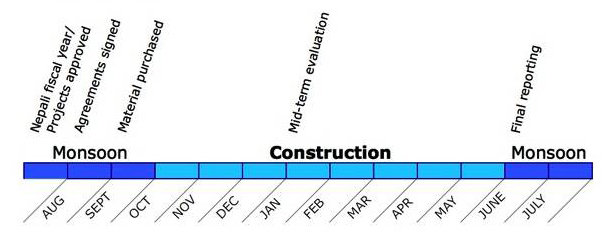
Changing our fiscal year, and in turn the timing of our project cycle, has made our construction work even stronger and more in sync with the natural seasons in our partner communities. Now, our community partners can prepare for the construction season by purchasing materials and preparing construction sites during the monsoons. This is followed by eight months of continuous good weather and the bulk of construction happening when community members have more time to contribute.
While something like when we choose to close our books may seem at the outset to have little bearing upon the lives of our community partners, it can actually make the difference between a door that opens or a door that is permanently shut. We are certain, as well, that this isn’t the last aspect of our work that will need to be reflected upon and improved. Indeed, we are looking forward to our next mistake – as this provides us with another opportunity to listen, to learn, and to do even better.
Links:
Project reports on GlobalGiving are posted directly to globalgiving.org by Project Leaders as they are completed, generally every 3-4 months. To protect the integrity of these documents, GlobalGiving does not alter them; therefore you may find some language or formatting issues.
If you donate to this project or have donated to this project, you can receive an email when this project posts a report. You can also subscribe for reports without donating.