By Mark Rikkers | Executive Director
Dear dZi Foundation Community,
The seasons are changing from summer to fall across the world. In Nepal, the monsoon rains are dropping their last storms upon the farms and villages in our partner communities. While this moisture brings much-needed rains for the rice harvest, it has also triggered devastating landslides and made life extremely difficult for hundreds of thousands of people living in temporary shelters across the country. In the beautiful, high mountains that surround our office in Colorado, aspen leaves glow yellow and orange and the high peaks are dusted with snow.
Schools Are at the Heart of Communities
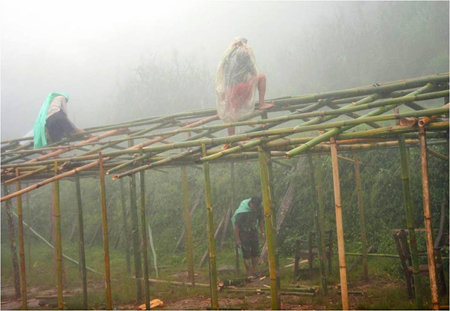
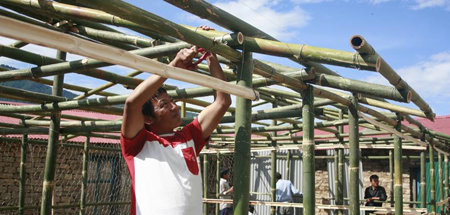
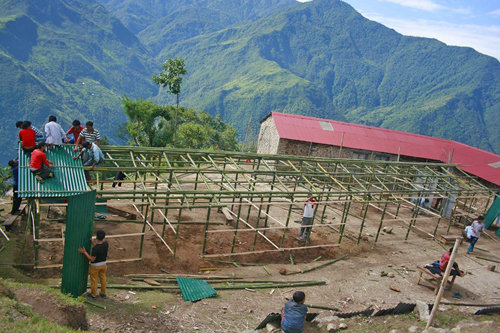
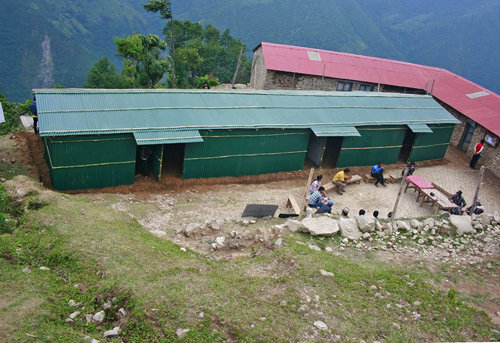
We have been planning for this time for six months now. With the monsoons waning, it’s time for us to begin the long process of reconstruction and recovery. After helping meet the immediate relief needs of people who lost their homes and other vital civic infrastructure, we quickly constructed 41Temporary Learning Centers so thousands of children could continue their education in a safe and dry space during the monsoon season. dZi staff and community members built these bamboo structures using metal roofing to cover and side the structures; these panels will be repurposed as roofing for the new permanent school that will be built in its place.
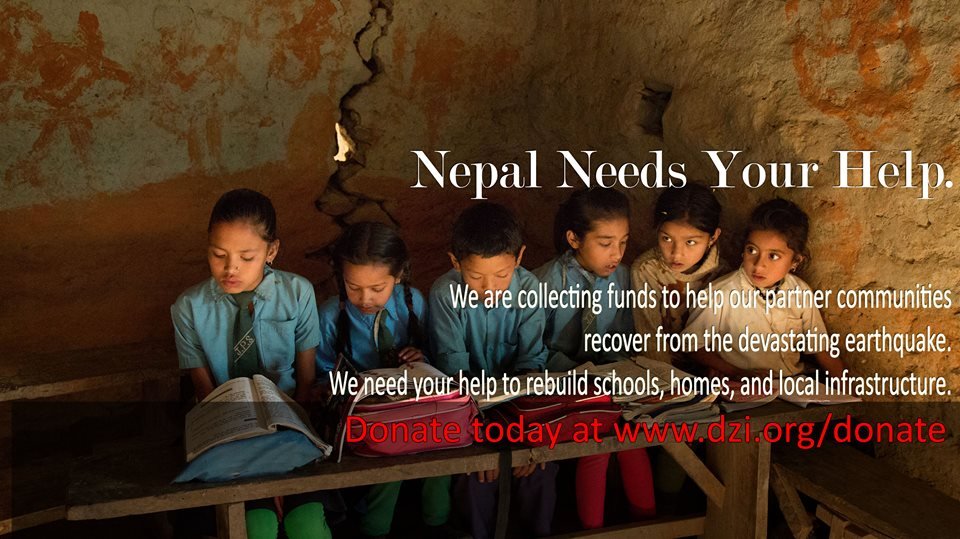
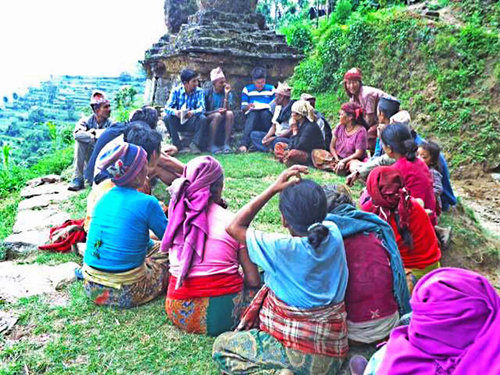
After the quake, our staff immediately mobilized to deliver relief materials and to begin the long and difficult process of reconstruction. We hosted 69 neighborhood planning meetings and engaged over 2500 community members who all agreed that the keys to recovery in their communities will be long term support, close partnership, and a wide range of services such as income generation, infrastructure, education, and health. In essence – exactly what we have been offering with our Deep Development model for over a decade.
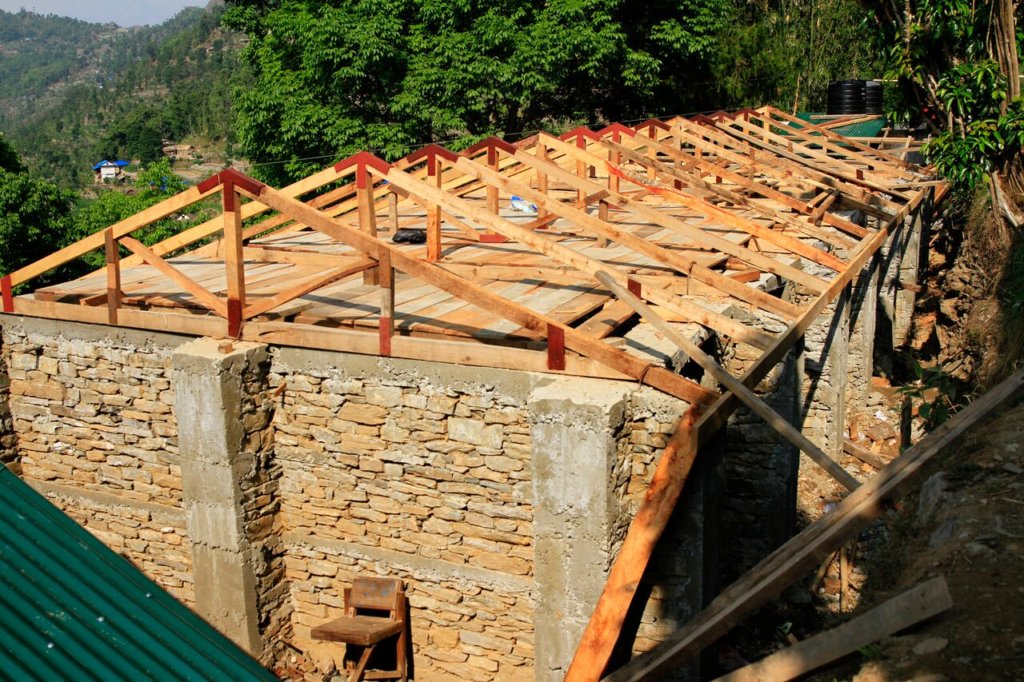
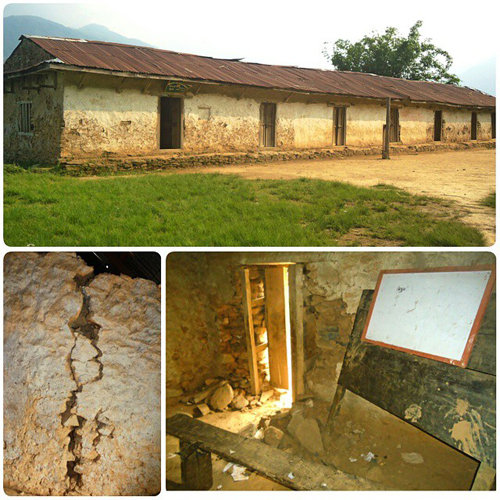
Rebuilding the 31 schools in our working areas that were destroyed during the earthquake was an obvious first step, and we are busy with finalizing our earthquake-safe designs for the first batch of nine schools to be built this year. Our plan is to break ground in October once the monsoon rains clear, and complete all 31 schools over the next three years. Have a look at this very short video to see some computer generated details of the designs.
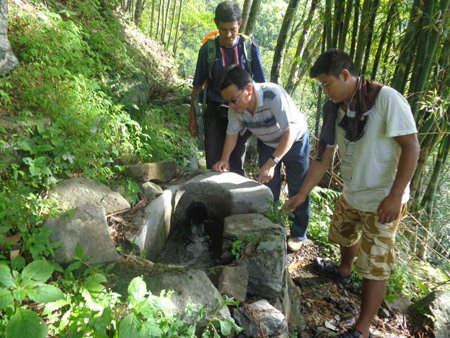
Our Deep Development work has always included schools, but that's not all our communities want or need. In addition to building nine new earthquake resistant schools this year, we are commited to continuing our "One Toilet per Household" program in villages that have always practiced open defecation. We have found that sanitary toilets are critical not only for improving health but community pride as well. Additionally, they play a key role in our agriculture programs; read this Scientific American article about our innovative work. Drinking water and irrigation systems are also priorities for our partner communities, as are a variety of agriculture initiatives that focus on food security and much needed income generation.
The need in Nepal is great and will continue to be for a long time. With short term relief efforts and the monsoon season now coming to a close, the real work of rebuilding communities -- not just buildings -- begins. Thank you for your support.
Namaste,
Jim Nowak, President and Co-Founder
Mark Rikkers, Executive Director
Ben Ayers, Nepal Country Director
Caroline Fisher PhD, Board Chair
By Mark Rikkers | Executive Director
By Mark Rikkers | Executive Director
Project reports on GlobalGiving are posted directly to globalgiving.org by Project Leaders as they are completed, generally every 3-4 months. To protect the integrity of these documents, GlobalGiving does not alter them; therefore you may find some language or formatting issues.
If you donate to this project or have donated to this project, you can receive an email when this project posts a report. You can also subscribe for reports without donating.