![]()
INTRODUCTION
The global community currently faces multiple threats of terrorist acts by terrorist groups. These pose great threats to international peace and security and, in some instances, state continuity. Extremist individuals and groups that reject democracy and constitutional order are not limited to any one set of beliefs, and several show the appetite to use violence to attain their goals. Furthermore, they offer a pool of potential recruits and partners for regional and global terrorist organizations. Our World today is in deep crisis. Signs of unpredictable dangers are everywhere. Diseases and epidemics continue to devastate and annihilate hundreds of thousands. Countries are exporting their problems and challenges abroad. The global economy is also not in good shape.
Generally, there is no country or continent in the world that is not affected by the menace of terrorism and security challenges. While in principle, most religions of the world today preach and teach peaceful co-existence in one way or the other, in practice, religious people are found behind many of the hostilities, uprisings, attacks, and assaults in our societies. Security problem is such a global issue that there is virtually no country or continent that is left un-affected by the menace of terrorism and security challenges in general. While in principle, most religions in the world today preach and teach peaceful co-existence in one way or the other, in practice, religious people are found behind many of the hostilities, uprisings, attacks, and assaults in our societies. The question therefore is: if God truly is the Author of peace and the message of peace is claimed to be at the centre of every religion, why then are we constantly experiencing insecurity in our world in spite of daily proliferation of religious sects and activities? Can we say religion has done our world more good than harm in security matters or the vice-versa? What has been the role(s) of religion as a divine institution in ensuring security of lives and property in our societies? How can religion mediate in restoring peace and stability to our world? Countering these challenges and the threat they pose to populations around the world call for the use of a wide range of approaches to promote tolerance and reconciliation, respect for cultural diversity and freedom of belief, thought and expression. Among these approaches, dialogue – including among religious leaders – is a critical tool for fostering peaceful, inclusive societies that reinforce shared human values and a sense of common humanity.
THE CONFERENCE
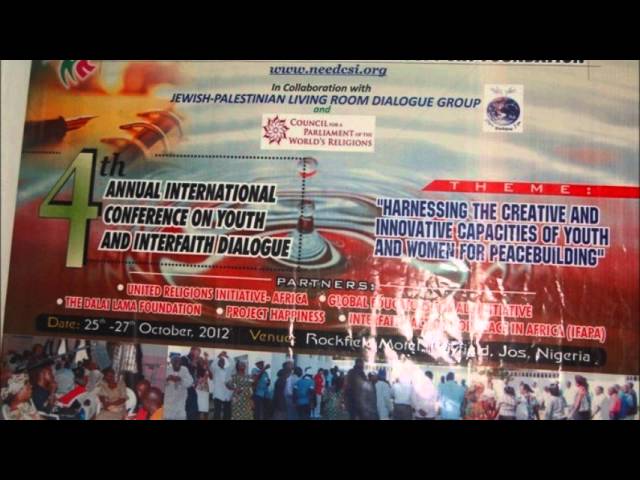
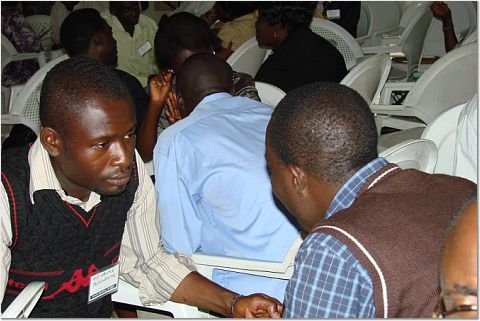
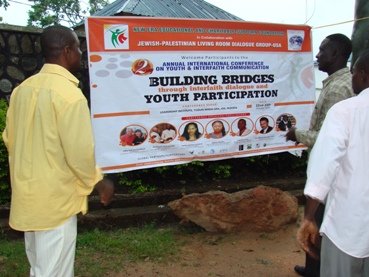
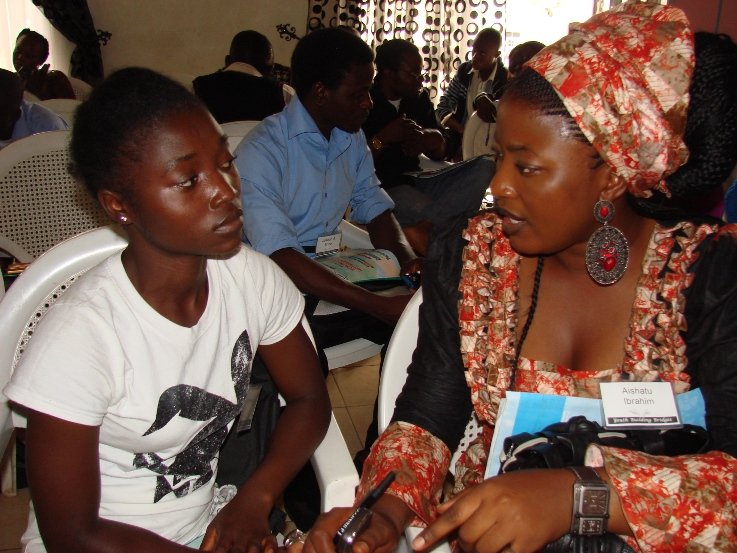
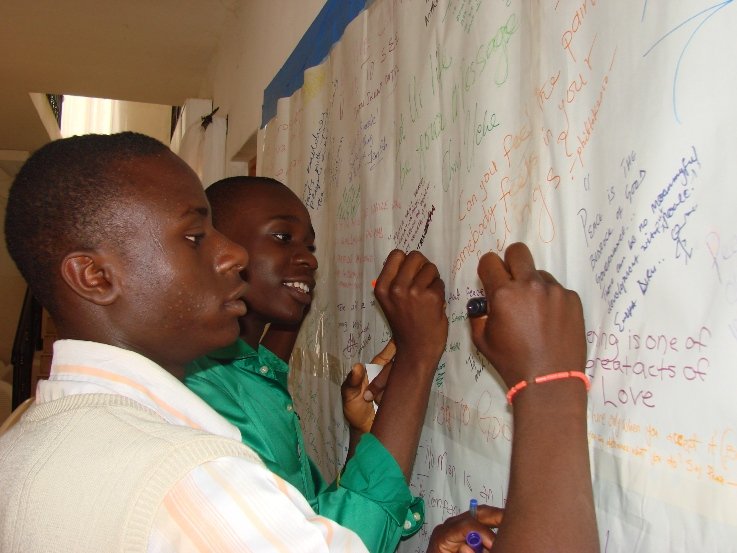
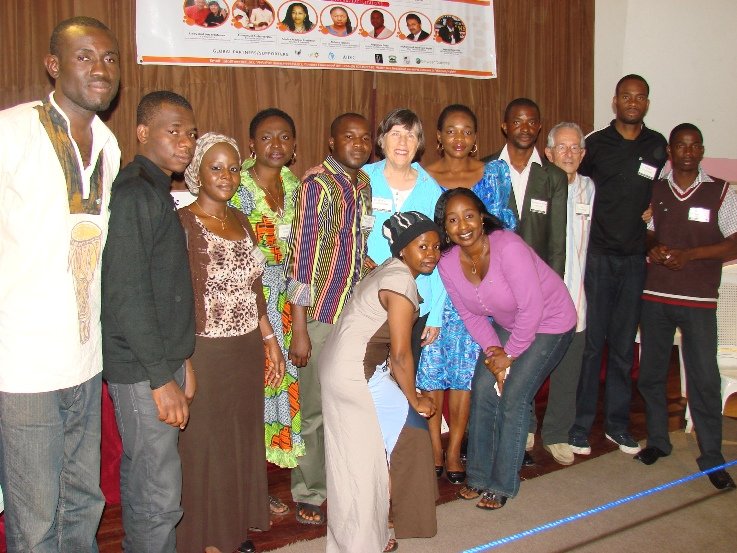
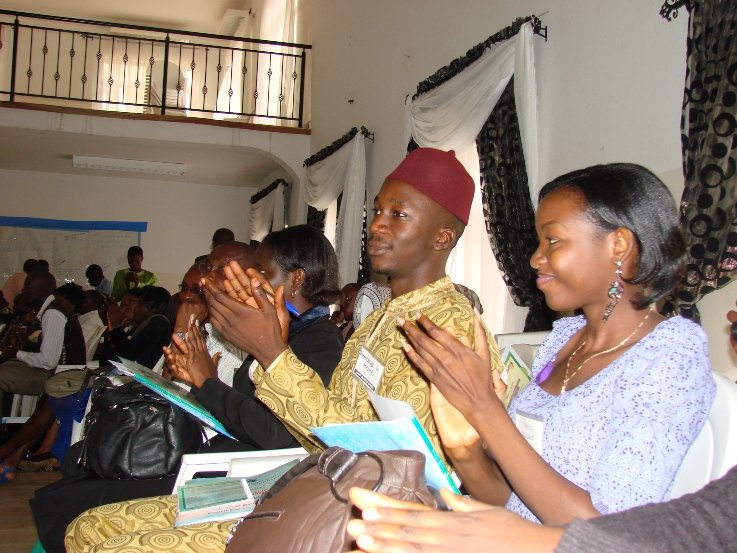
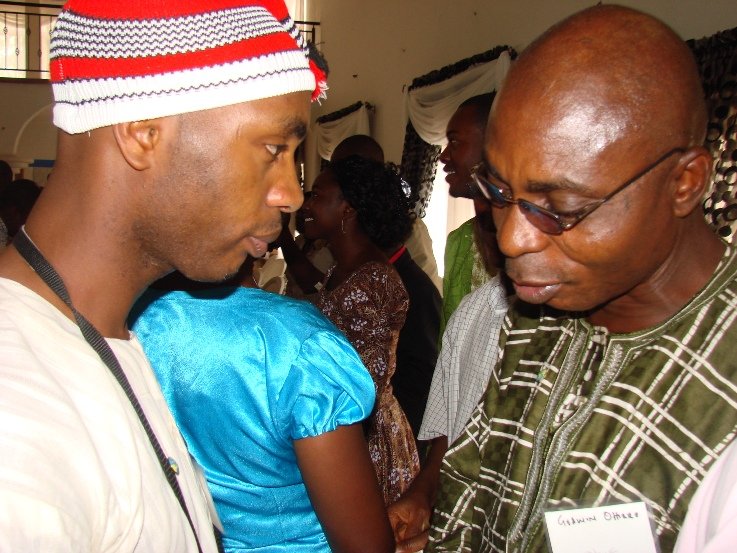
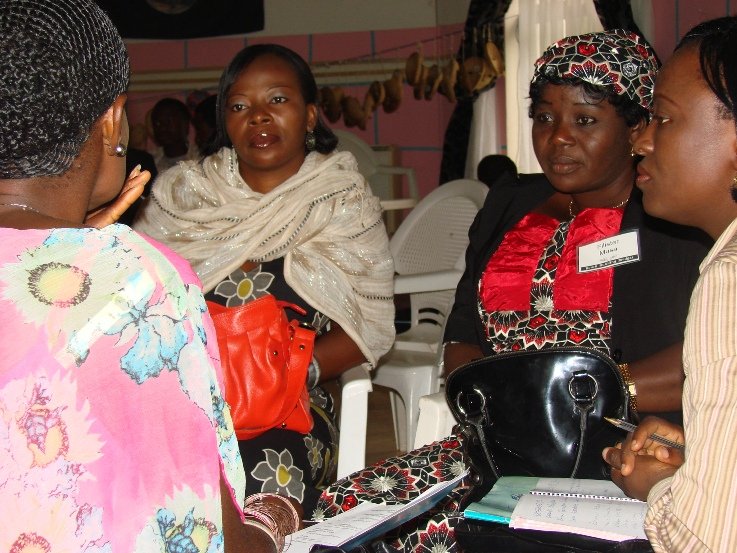
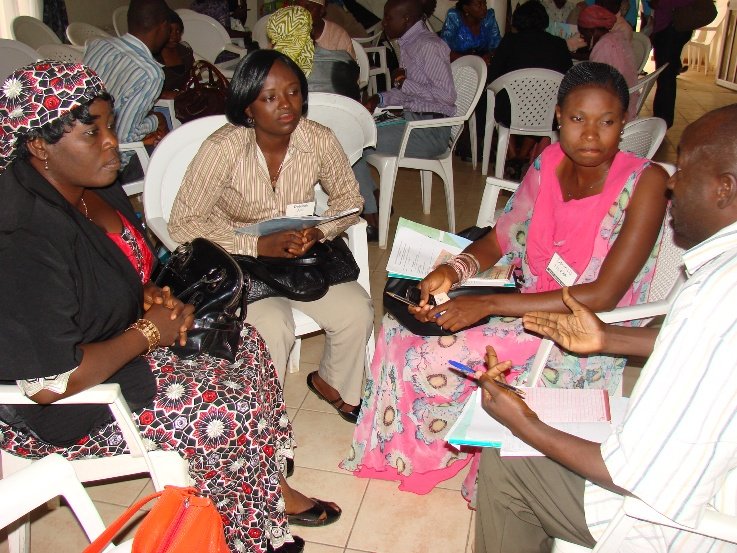
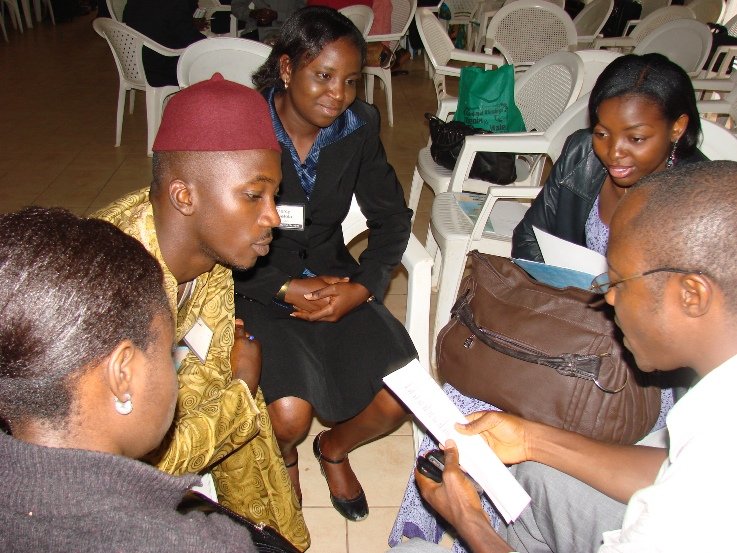
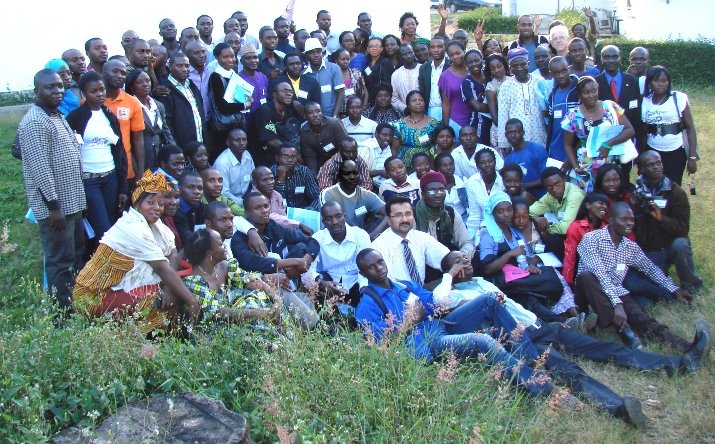
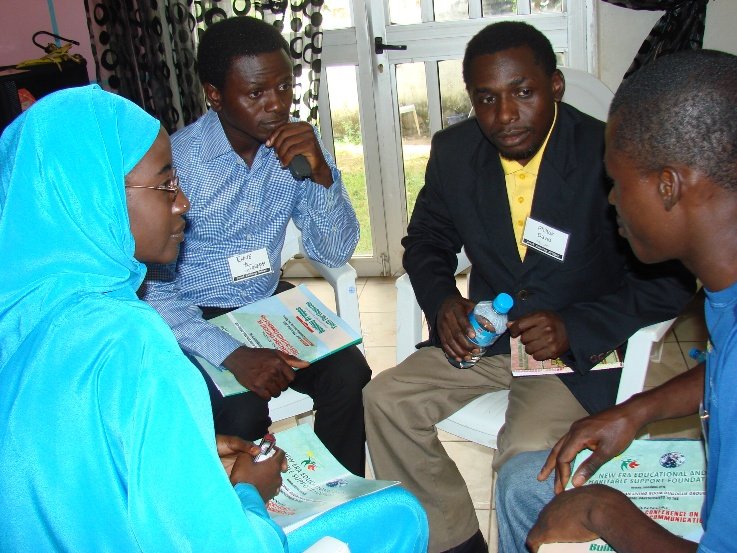
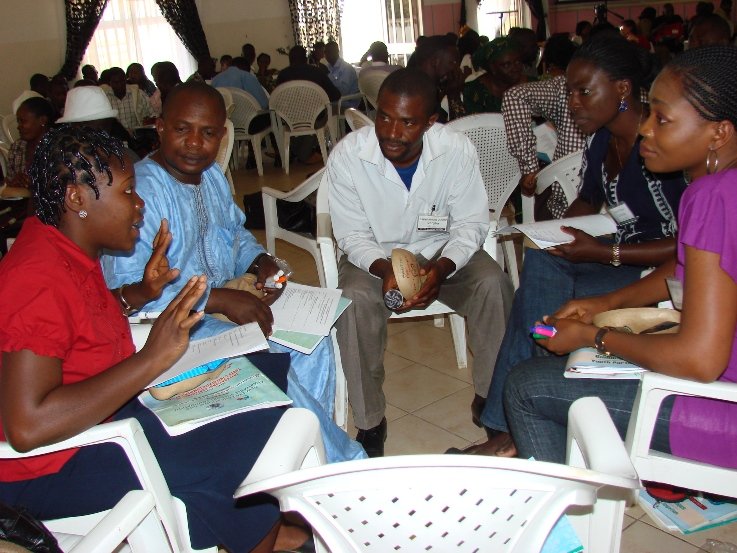
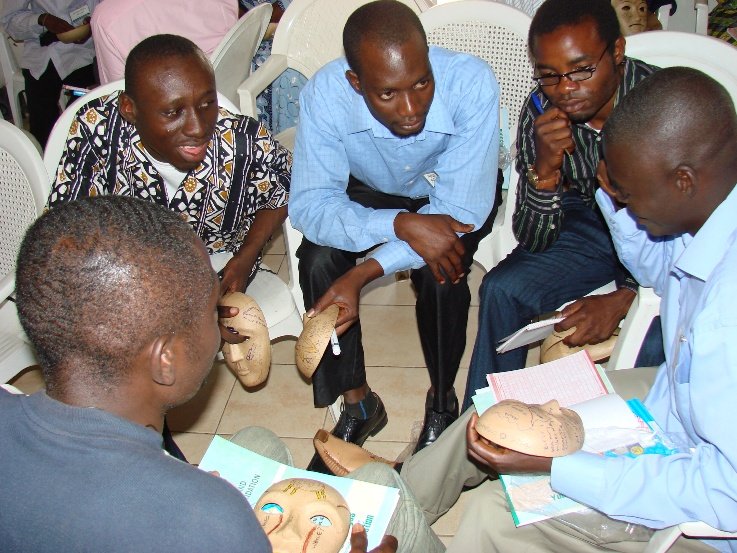
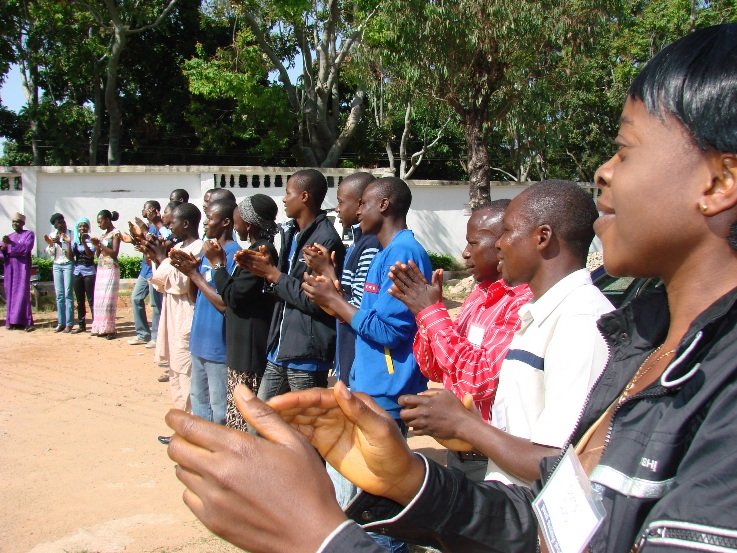
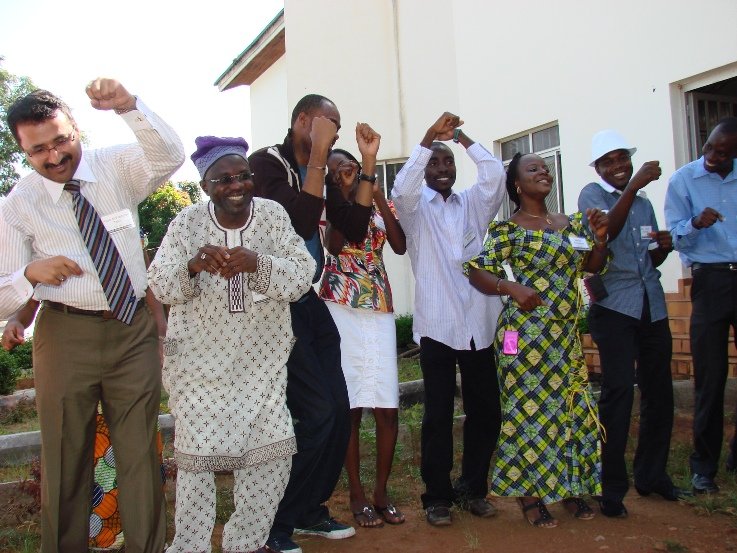
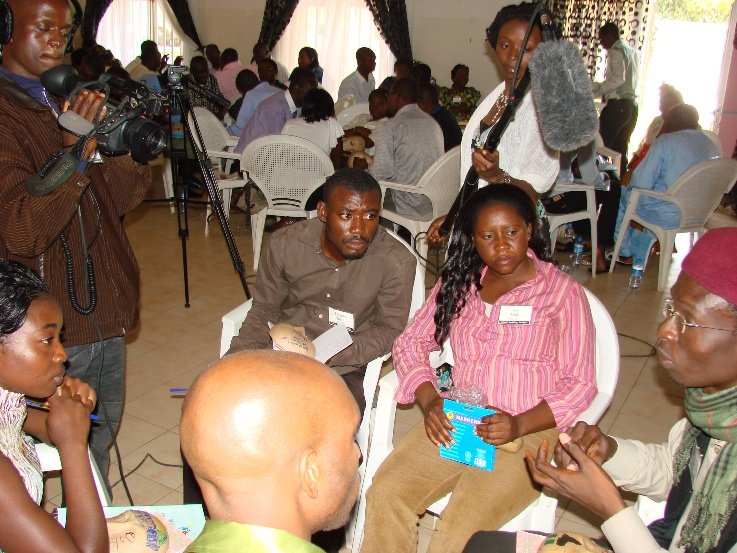
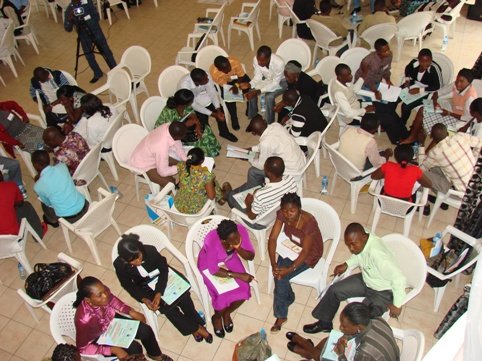
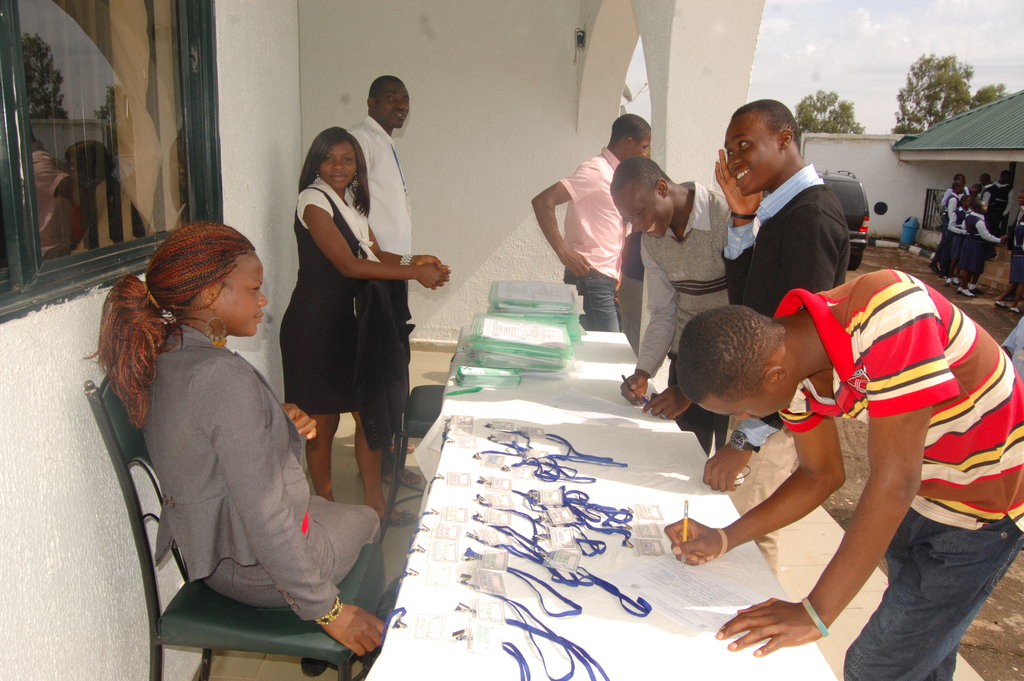
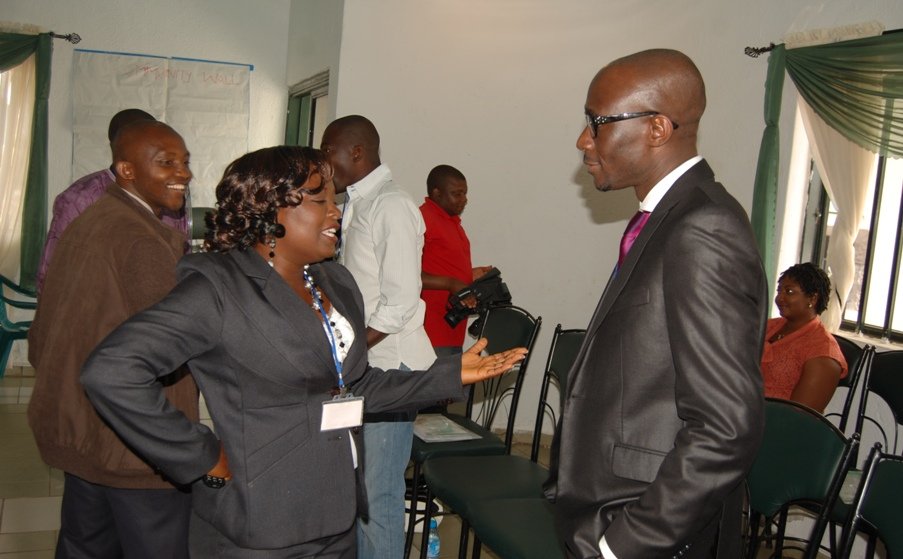
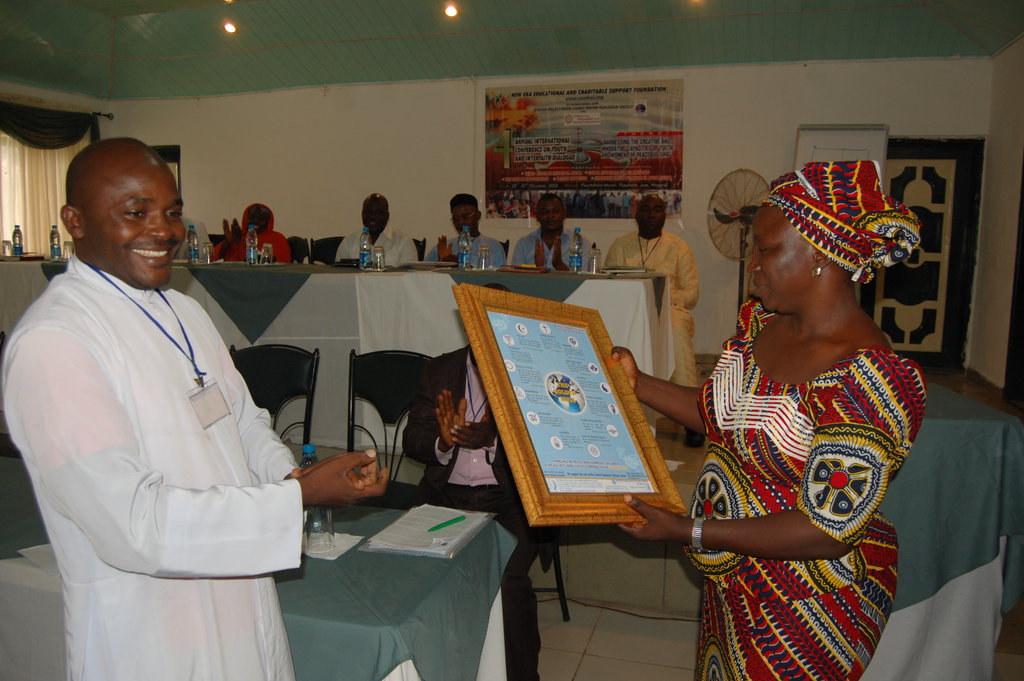
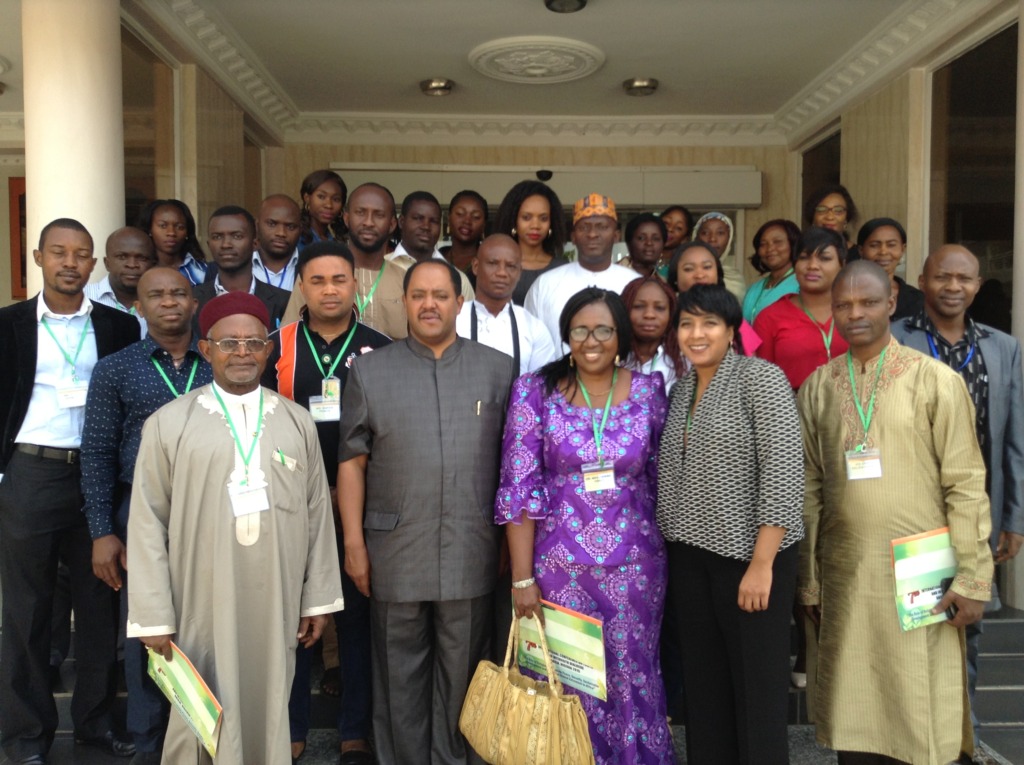
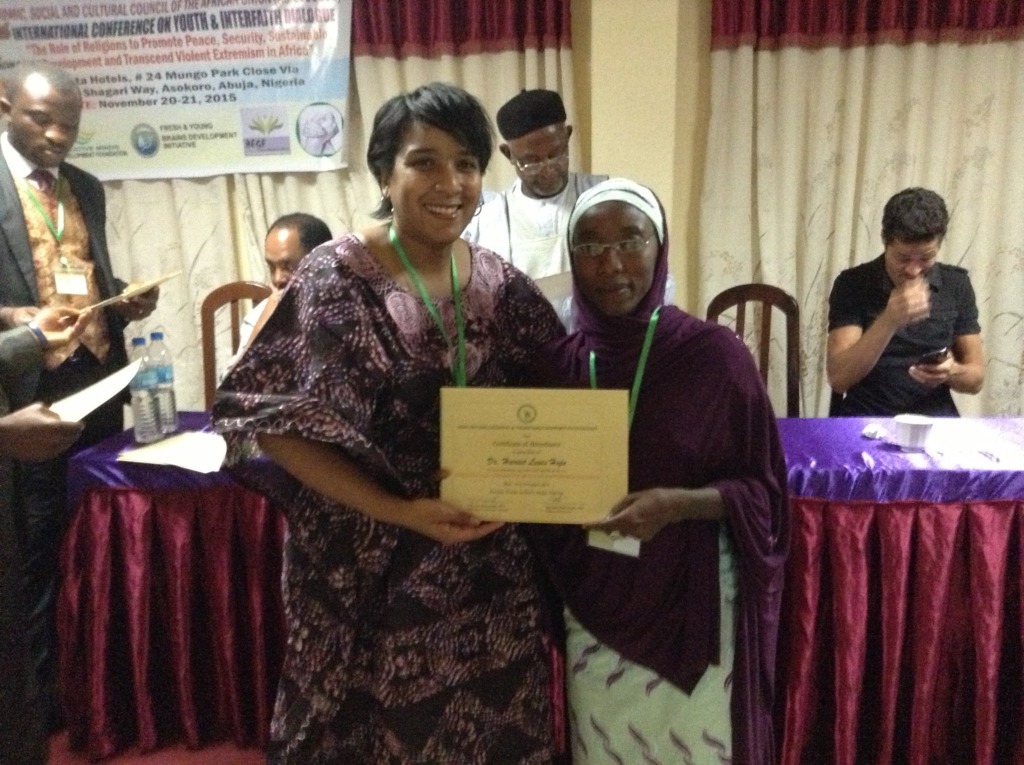
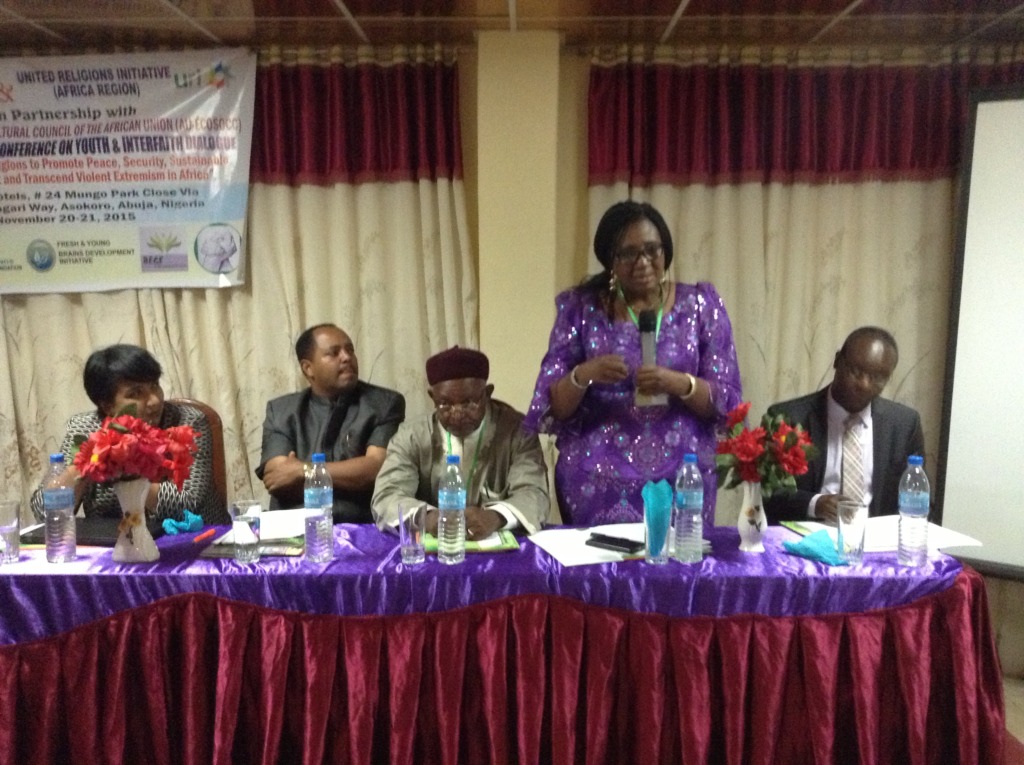
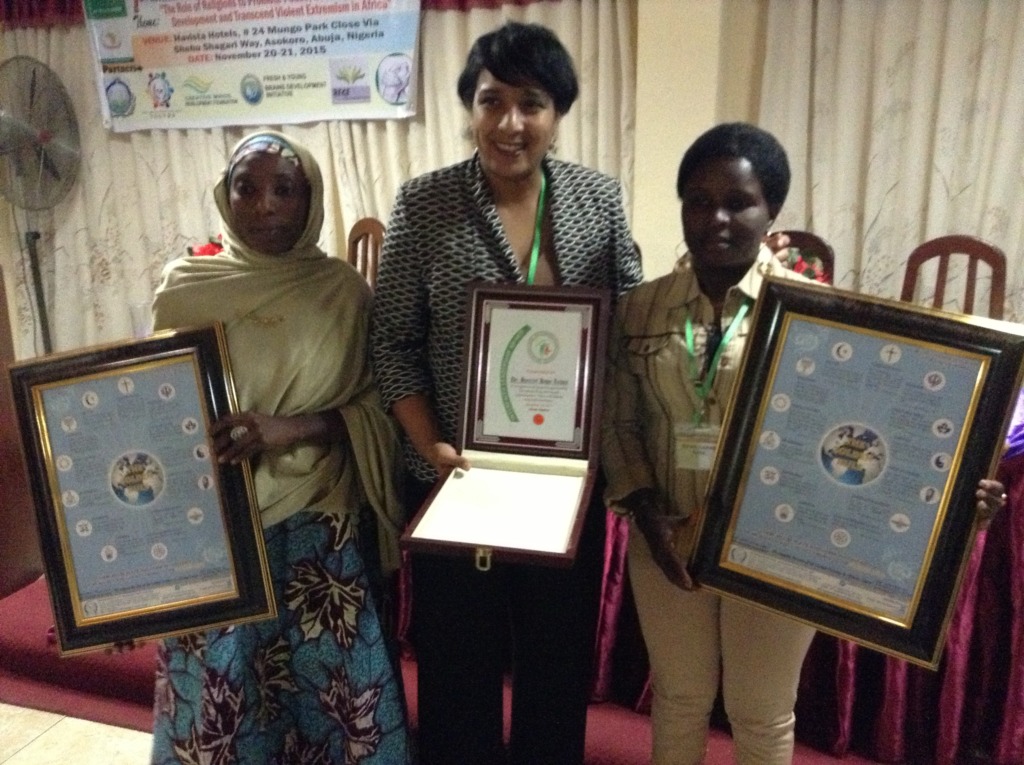
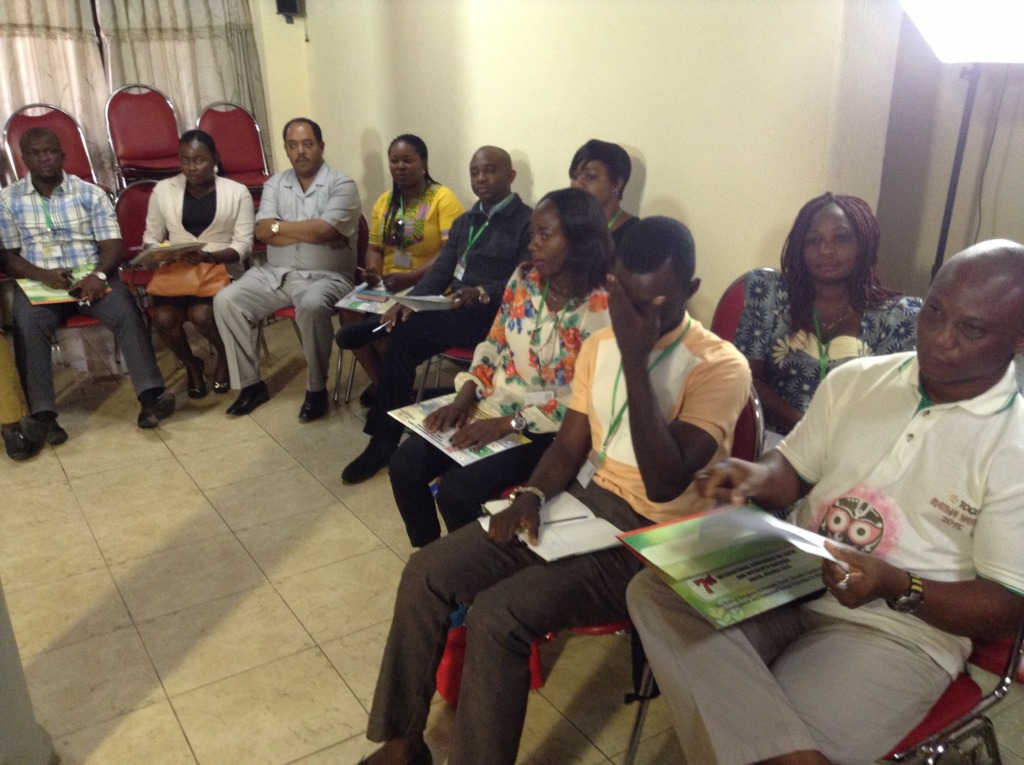
New Era Educational and Charitable Support Foundation and United Religions Initiative (URI AFRICA) in partnership with the Economic, Social and Cultural Council of the African Union (AU-ECOSOCC), Youth Groups of Global Network for Rights and Development (YGGRND), Bege Foundation and other partners, convened the 7th International Conference on Youth and Interfaith Dialogue, from November 20-21, 2015 at the Havista Hotels, Asokoro, Abuja, Nigeria, under the theme: “The Role of Religions to promote Peace, Security, Sustainable Development and Transcend Violent Extremism in Africa”, to support the efforts of government and to seek the contributions of stakeholders and practitioners of religions from across the globe towards addressing this global challenge. The Conference overall goal was to provide an opportunity for State and non-state actors, including religious and faith leaders, along with other stakeholders to share experiences and to address key issues and challenges relating to the promotion of tolerance and reconciliation with the aim of fostering peaceful and inclusive societies and countering violent extremism. Additionally, the conference sought to make a critical appraisal of the roles of religion in security issues and suggest practical ways religions can help in resolving security problems especially in Africa, as well create and promote an inclusive, compassionate community dialogue process that honours different personal experiences, perspectives, and narratives, while allowing for better expressing and listening to each other as we work together toward understanding and harmony. The Eighty Five (85) Conference Participants included State Actors, NGO representatives, Political leaders, Religious/Spiritual leaders, Students, Cultural/Ethnic and Spiritual Community representatives, Academics, Social Science researchers, Visionaries and front-line thinkers in social-political principles, psycho-social-spiritual dynamics, and human consciousness and members of the interested public from Nigeria, Ghana, Ethiopia, Ivory Coast and the USA.
OPENING SESSION
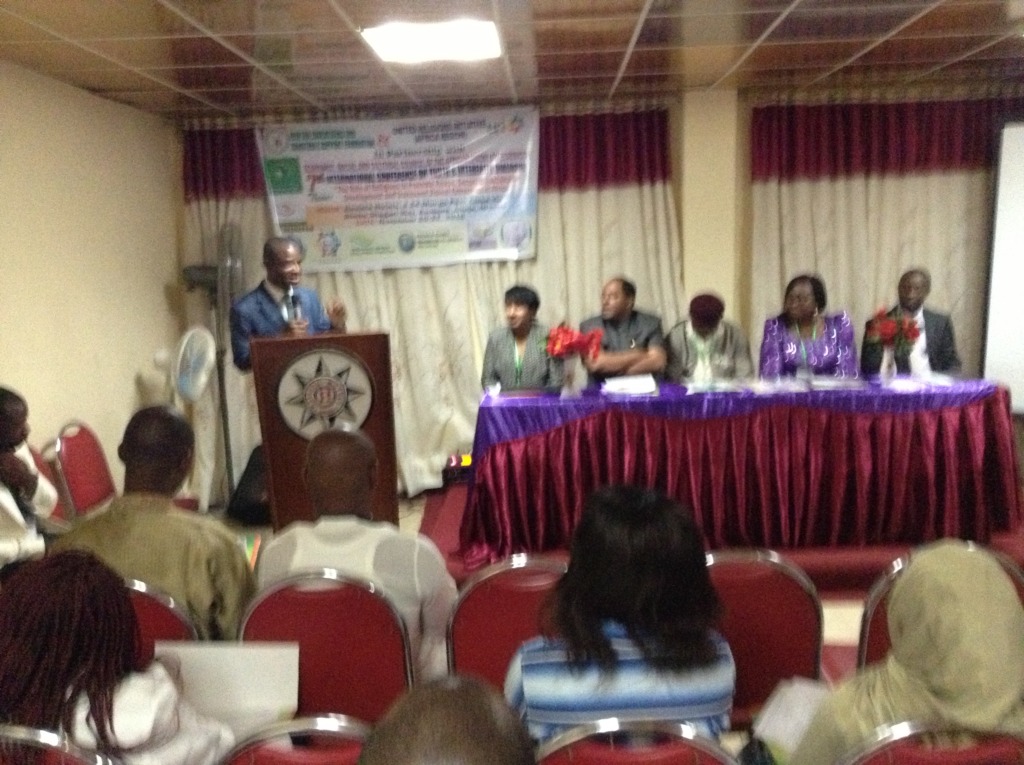
Very distinguished and Eminent Personalities made keynote statements and good will messages during the opening Session. Such eminent personalities included H.E.Amb. Dr. Mussie Hailu, Adviser of ECOSOCC of the African Union on Interfaith, Interreligious and Intercultural Issues,URI Africa Continental Director & Special Representative at the AU, UNECA, UNEP & IGAD, Mr. Koffi Kouame, Deputy Representative,United Nations Population Fund,Abuja, Nigeria, Dr. Mrs. Chinwe Obaji, Former Minister of Education, Nigeria, Hon. Elisha Buba Yero, a retired Permanent Secretary and Special Adviser on Religious Affairs to the Kaduna State Government and now Global Council Trustee, United Religions Initiative (URI), who chaired the Opening Session, etc. The Opening statements and goodwill messages all focused on the great significance of the conference, especially in seeking to deepen understanding of violent extremism in Africa, interrogating the various forms and drivers of violent extremisms, and how these dovetail into regional and global terrorist campaigns.
CONFERENCE PAPERS AND PRESENTERS
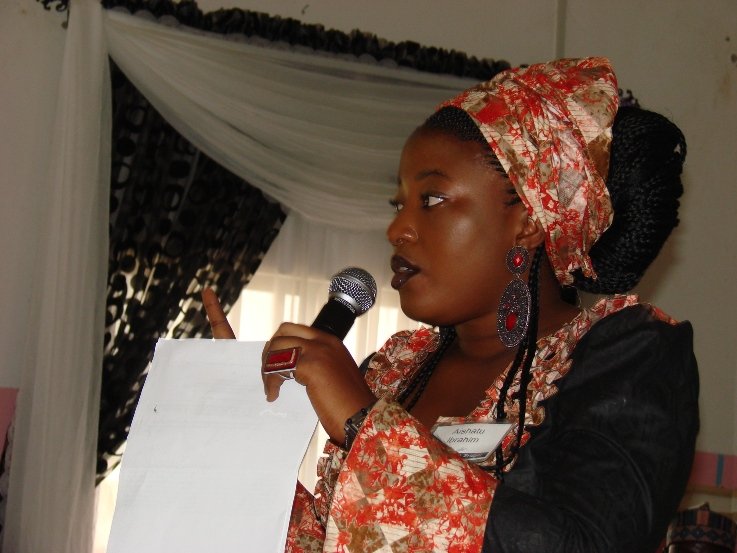
Papers were presented by Experts, Religious Leaders and Representatives of various International and National Organizations. A moderator facilitated the discussions that followed the Paper presentations. Among those who made paper presentations included:
- Pastor Dr. James M. Wuye & Imam Dr. Mohammed N. Ashaffa, Co-Directors, Interfaith Mediation Centre (IMC), Kaduna, Nigeria- “The Role of Faith Leaders and FBOs in Peacebuilding and Countering Violent Extremism”
- Dasam S. Ibrahim and Charles Akale, Center for Strategic Research and Studies, National Defence College Abuja – Nigeria- “Countering Violent Extremism And The Rise of Female Suicide Bombing in Nigeria: The Way Forward”
- Dr. Harriet Lewis Hope, Senior Director at the Inner-City Muslim Action Network (IMAN), Founder/PrincipalKonesens Development,Chicago, USA-“Attitudes from African-American Christians and Muslims Regarding Interfaith Dialogue and Action in the United States and Africa”
- His Grace Salika Dasa Adhikari, Executive Secretary, International Society for Krishna Consciousness (ISKCON), & Temple President, ISKCON, Jos, Nigeria-“Religion, Knowledge and the World’s Problems: From Despair to Hope”
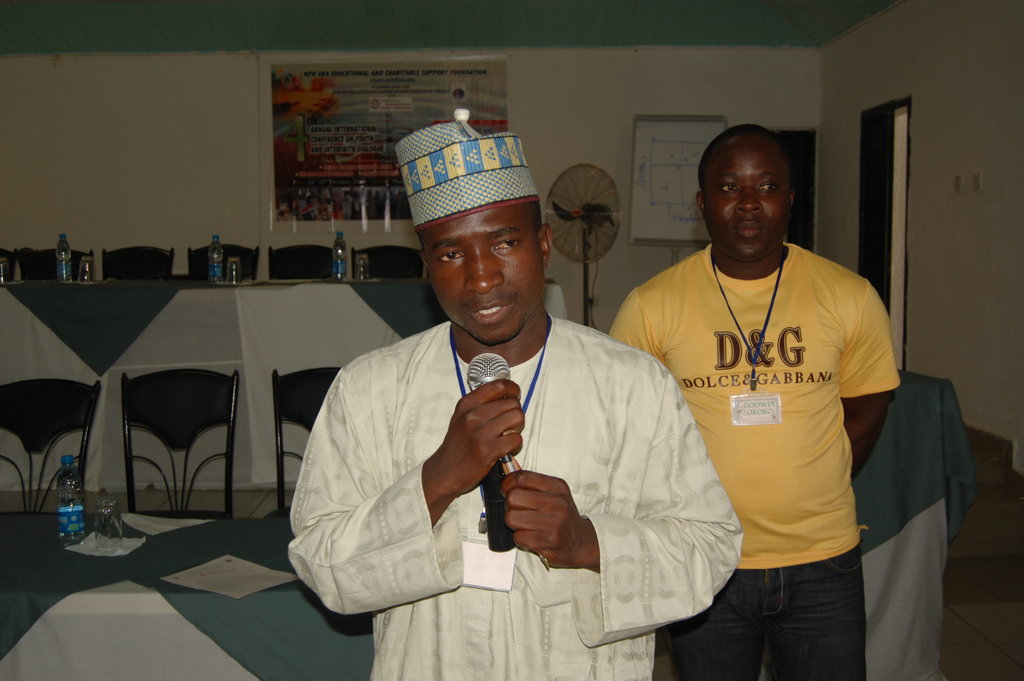
- Mr. Godwin Okoko, Country Director, APURIMAC Onlus-Nigeria-“The Role of Young People in Peacebuilding- Lessons from the Field”
- Dr. Raphael Ogar Oko, Secretary General,Universal Peace Federation, Nigeria-“Religion and Peacebuilding in Nigeria: From Theory to Practice”
CONFERENCE FORMAT AND PARTICIPATION
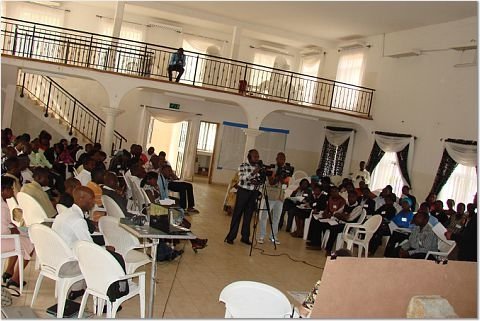
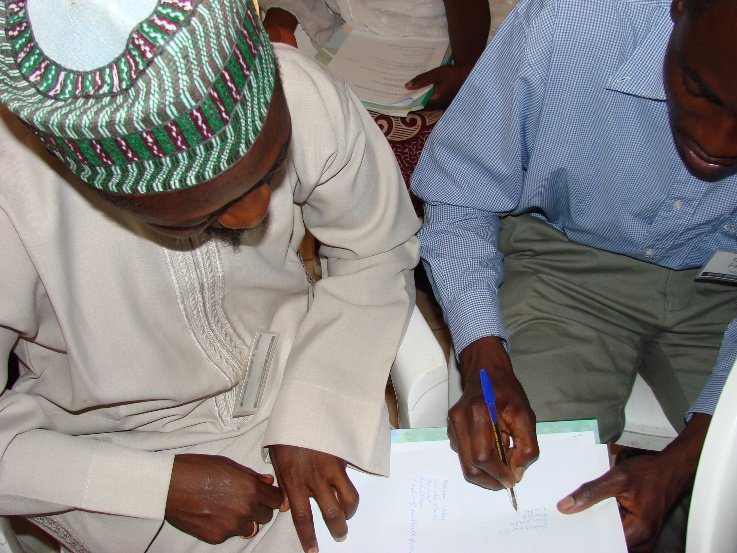
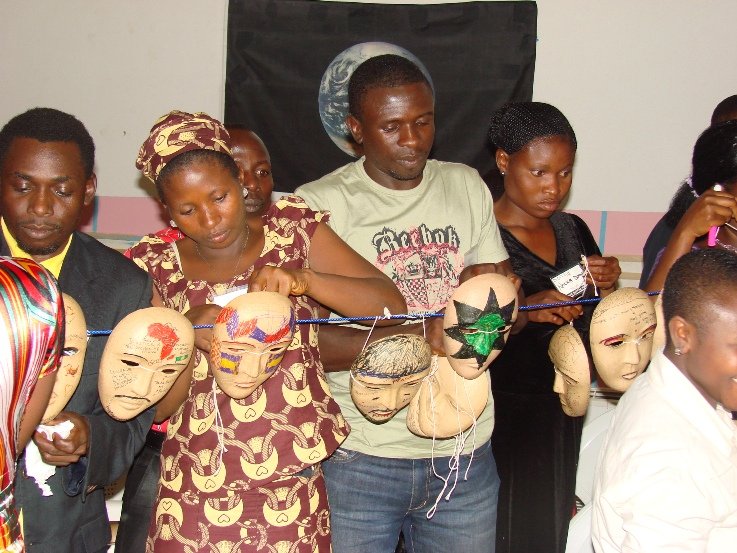
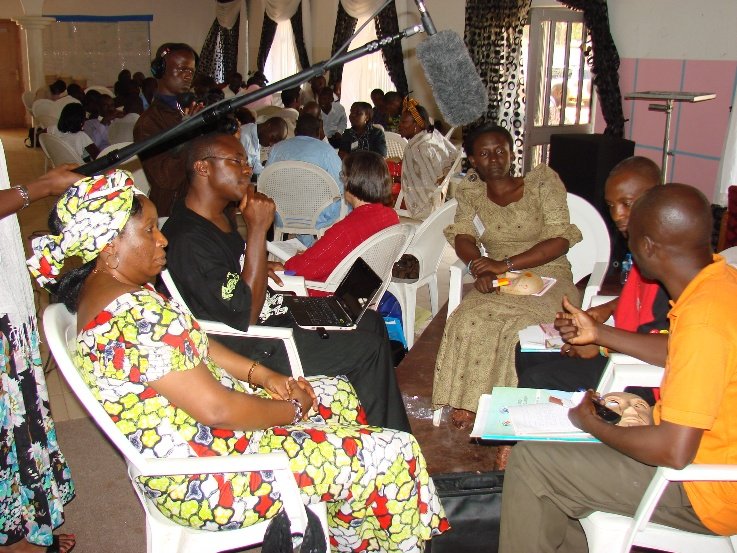
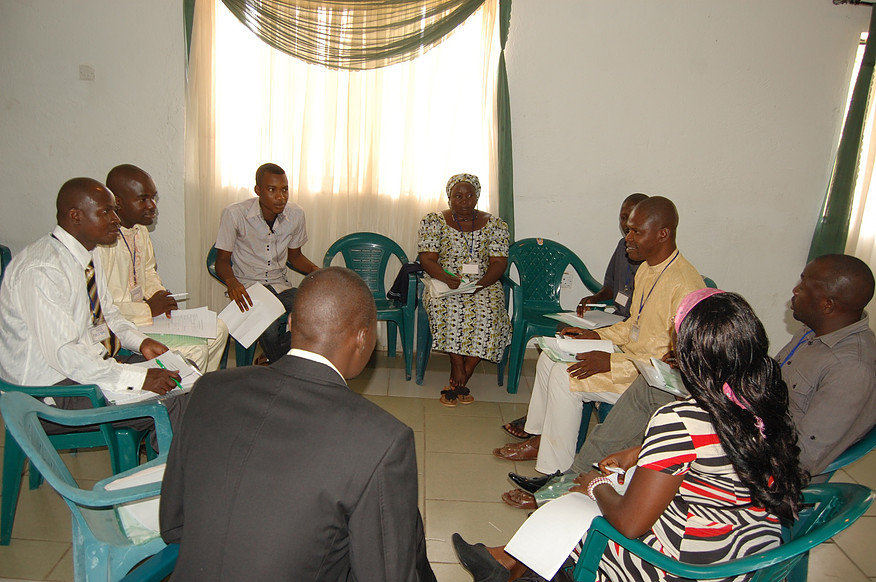
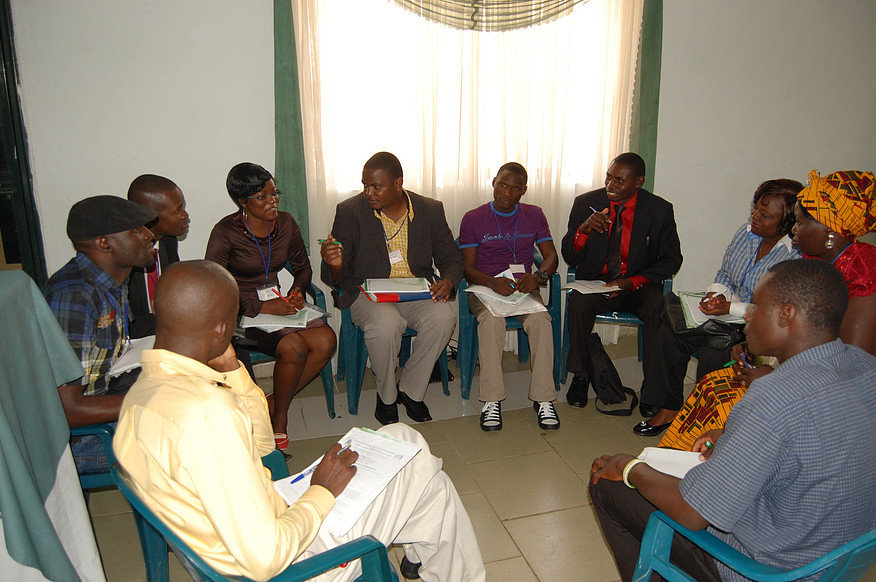
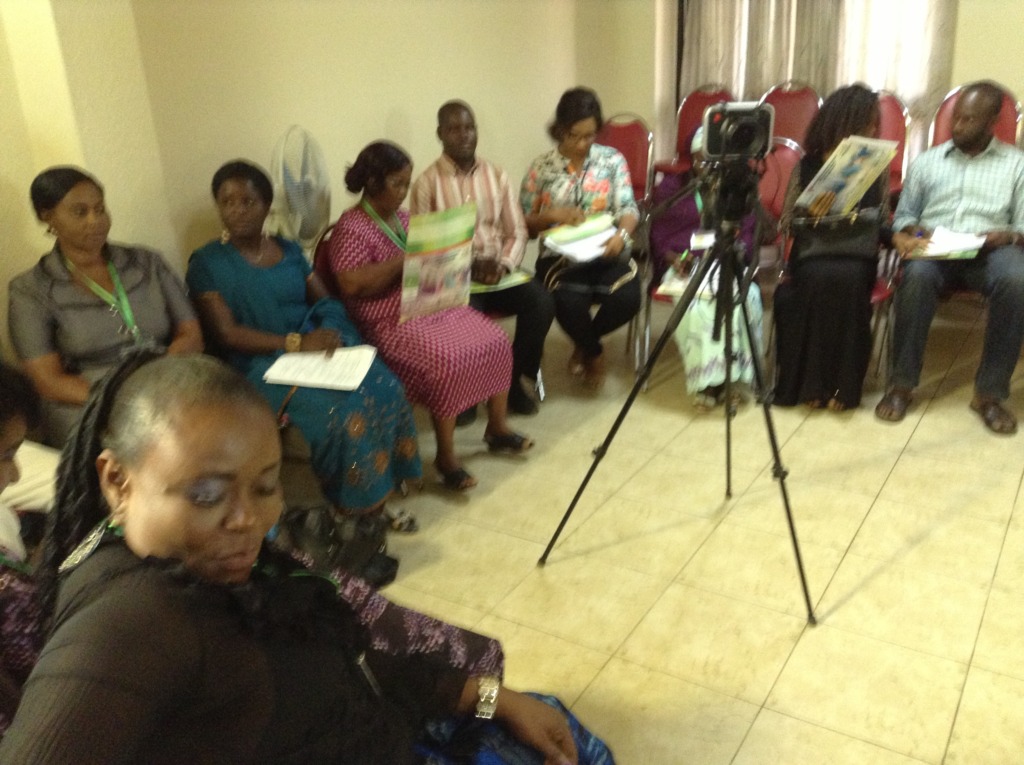
The Official Language of the Conference was English, with no simultaneous interpretation into other international languages. The Conference lasted 2 days and consisted of an opening, discussion and closing sessions. It was highly interactive.
The first day of the conference was dedicated solely to discussing and analyzing practical, implementable strategies to foster peaceful, inclusive societies and to counter the threat of radicalization and violent extremism, especially in Africa, while the second and final day of the conference focused on Interfaith Dialogue, from theory to practice featuring interactive panel discussions with religious, political and traditional leaders on community engagement practices aimed at countering violent extremism, including the role of religion and religious leaders in promoting tolerance for diversity, freedom of expression and human rights. The discussions were organized around the three main themes of:
- Information sharing: prevention of violent extremism in Africa
- Joint activities: The Role of State and Non-State Actors
- Recommendations and Follow up strategies
CONCLUSION AND RECOMMENDATIONS
The 7th International conference on Youth and Interfaith Dialogue, held from November 20-21, 2015 at the Havista Hotels, Asokoro, Abuja, Nigeria, attracted 85 participants, from 5 countries. Participants shared their experiences; lessons learned and best practices. The Participants also identified common priorities and challenges as well as the ways and means to overcome violent extremism and build peace and security in Africa. The Conference was highly interactive. The short, informal presentations, mostly by panel practitioners triggered discussions and engaged participants to regularly look at relevant benchmarks, indicators and examples of best practice drawn from the various mechanisms. The conference made a critical appraisal of the roles of religion in security issues and also suggested practical ways religions can help in resolving security problems especially in Africa. The Eighty Five (85) Conference Participants provided practical recommendations to decision-makers, institutions and individuals for dignifying everyone and our shared values. Among the recommendations, Conference Participants emphasizedthe need to engage all of society; the need for special effort and interventions targeting young people; building truly accountable institutions and respect for rule of law and human rights, etc. Other specific recommendations include:
- Good governance should be promoted to improve the living condition of individuals and families in order not to make them susceptible to, and open for recruitment by groups such as Boko Haram, etc.
- The government needs to appreciate the role of women in the society as they are powerful agents of peace processes and conflict resolution. In addition, there is the need to intensify focus on educational and professional enhancement for young girls and women as it is necessary for cultivating an environment where violent radicalization is curtailed.
- Furthermore, the pathway to building trust between the military Joint Task Force (JTF) and local communities must be predicated on the guarantee of the rights of individual women and women’s groups, this could be done by promoting participation of women in security for a programme such as countering violent extremism (CVE).
- Governments should aim to increase the civic engagement among marginalized communities and to build the capacity of community-based organizations.
- Law enforcement organizations should focus prevention and intervention activities on behaviors and not on racial, religious, or ethnic identity.
- Law enforcement organizations should prioritize building and strengthening mutual trust between themselves and the communities they serve.
- Creating analternative worldview for both Muslims and non-Muslims. Interfaith dialogue and action are beneficial in countering violent extremism; not only for the purpose of reducing potentially violent actors from committing atrocities through an understanding of our shared humanity, but also from members of communities not viewed as threats. It is important for non-Muslims to dialogue with Muslims in order to better appreciate and celebrate our shared humanity. Celebrating a shared humanity will create allies who will support more inclusive programs and policies, and who will become outspoken in reducing any anti-Muslim sentiment that may lead to violence perpetrated by Muslim or non-Muslim extremists.
New Era Educational and Charitable Support Foundation is on a mission to establish cross-cultural leadership teams of young women and men, with skills that will help them emerge from dysfunctional families and a drug-influenced life on the streets, to become peer-leaders and agents of peace capable of helping themselves and influencing their communities for good. We are intentionally teaming spiritual innovators and other exemplary adults with needful youth to equip them to pass forward all they have learned as valuable, contributing agents of change in their communities. Beginning at the heart, we help young people commit themselves to education and concrete goals, while helping them discover and develop their unique talents, and potentiality. Both self-disciplined and imaginative, these youth are becoming productive citizens and leaders capable of teamwork and shaping a positive, sustainable society that rejects violence and insists on communication excellence and unbridled compassion for all.
![]()
![]()
![]()
![]()
![]()
Links:
![Share on Twitter]()
![Share on Facebook]()