By Veerle | President
NATURE FOR AND WITH YOUNG PEOPLE
Reporting this time on two activities with and for children / youngster in our nature reserve.
1. Youngsters in action
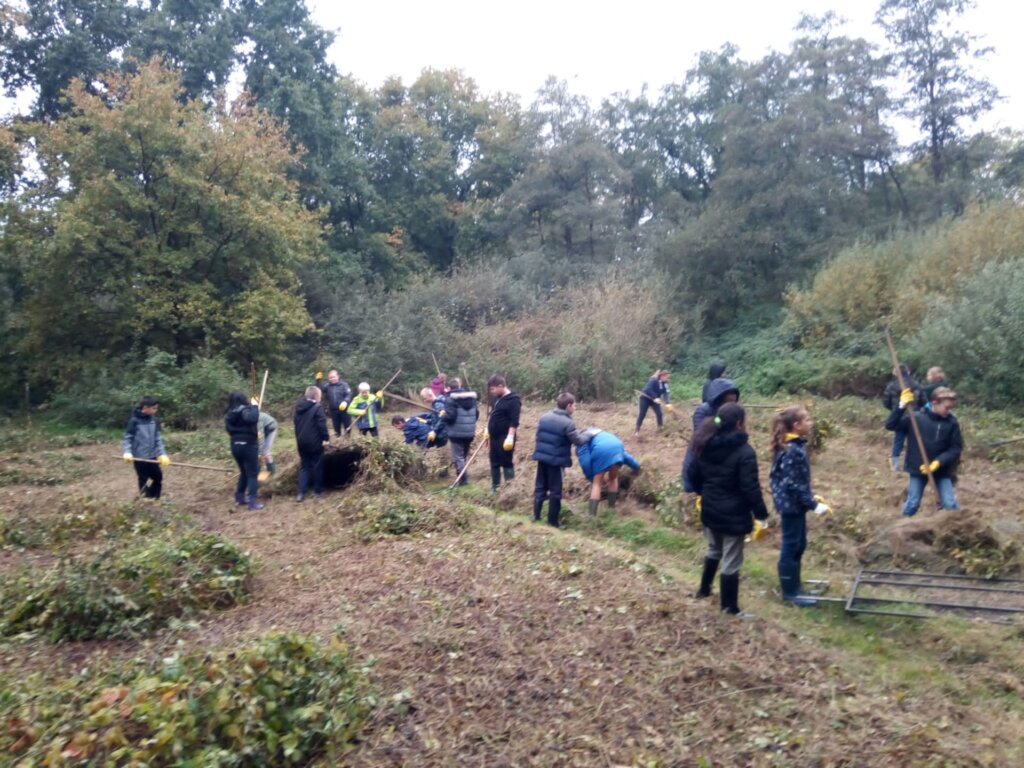
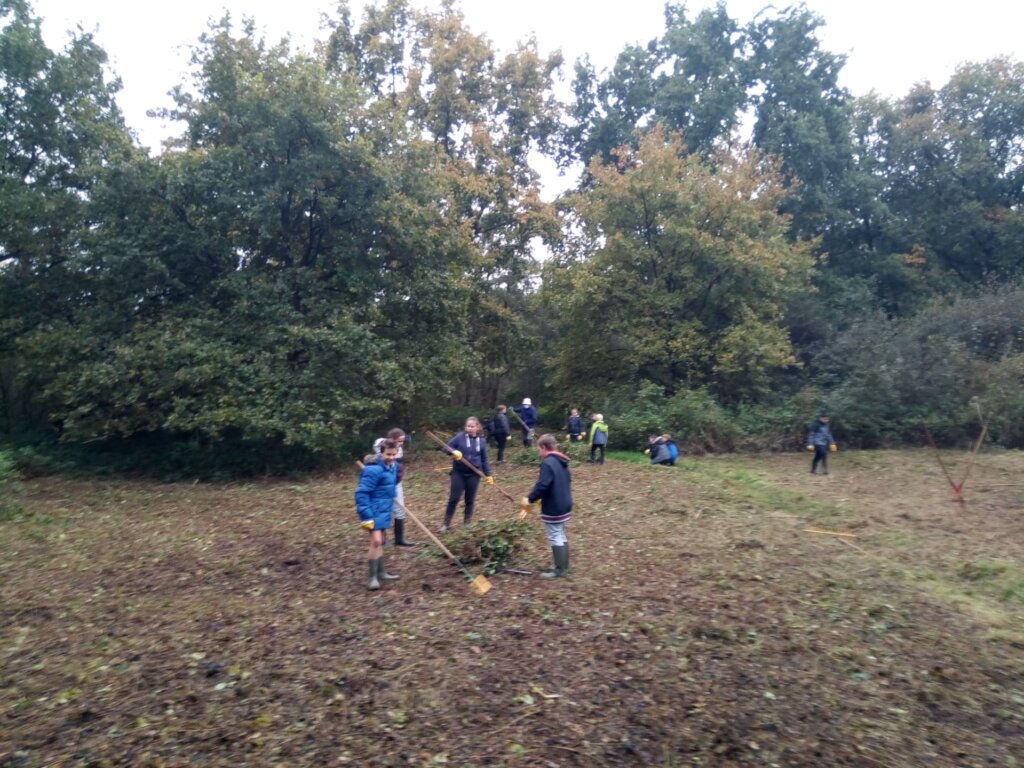
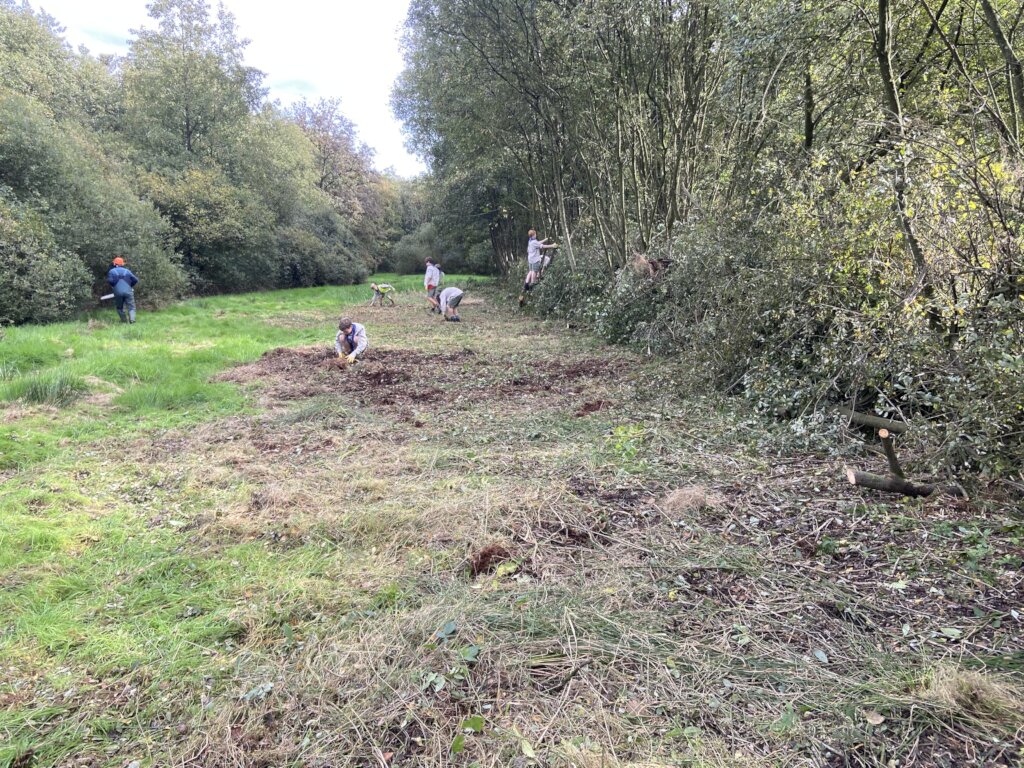
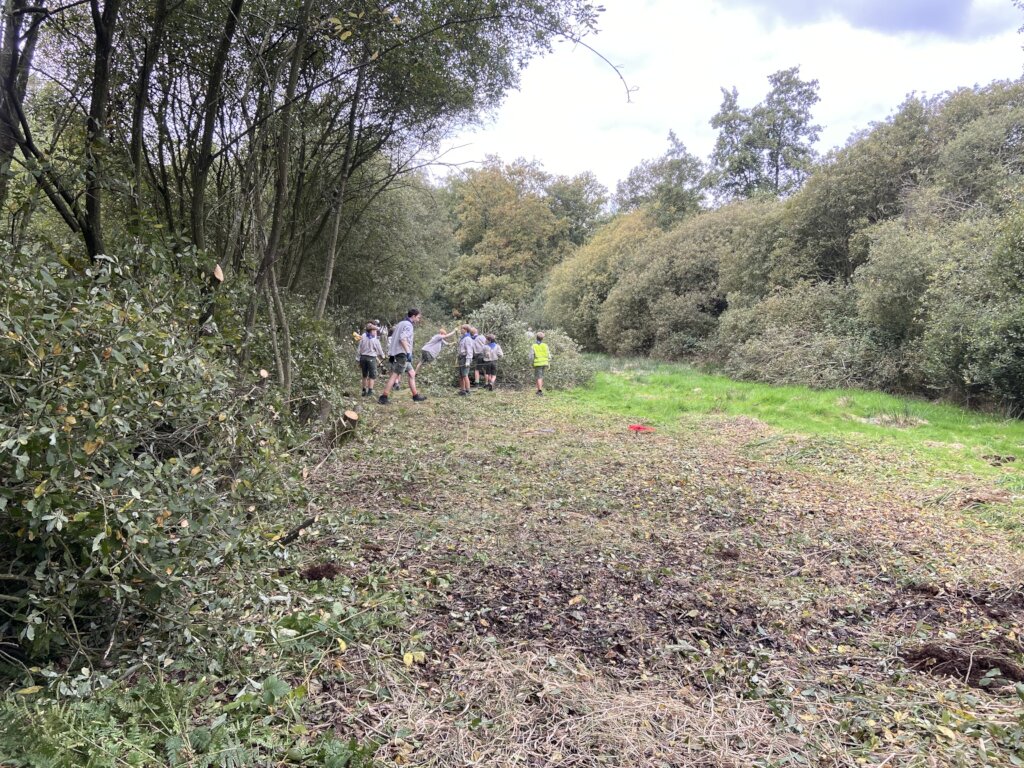
Anyone who walked through nature reserve De Rammelaars on a Sunday afternoon in October did not hear the silence that characterizes the area, but a lively mixture of voices, laughter and creaking wood. Scouts from Genendijk, Hulst and Tessenderlo, and the Chiro from Genenbos were there with a good dose of enthusiasm. About seventy youngsters aged 12 to 16, together with their leaders, helped with coppicing the willow and alder hedgerows. The municipality Tessenderlo-Ham supports this initiative by sponsoring the youth clubs. A nice gesture that not only motivated the youngsters but also gave our volunteer team a great boost.
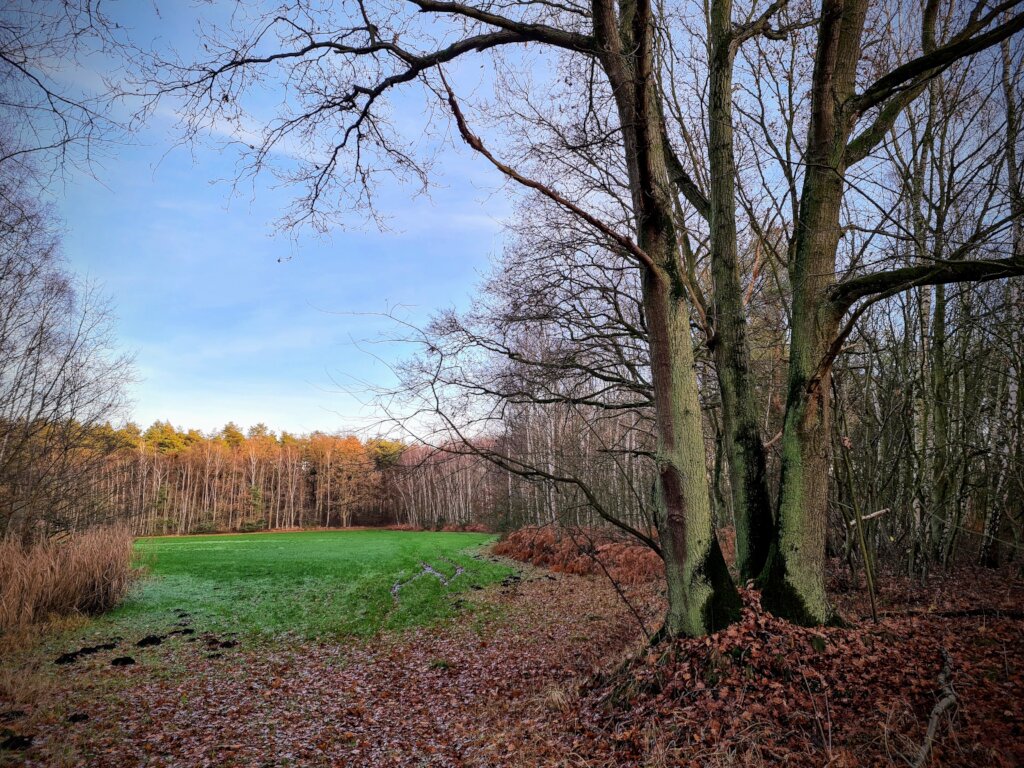
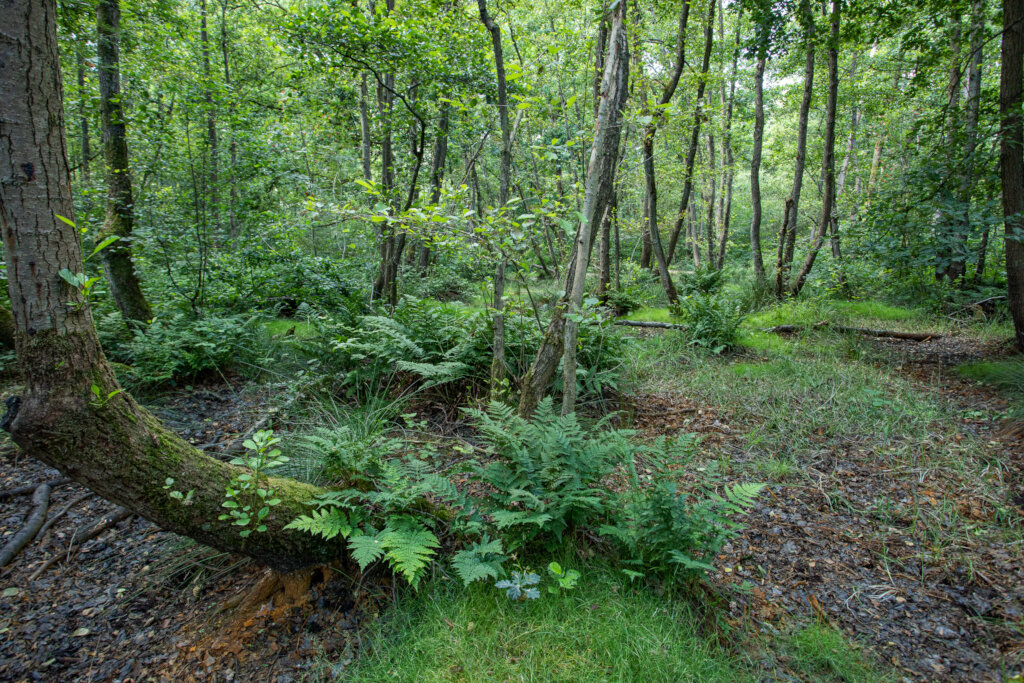
De Rammelaars is a wetland nature reserve. Along the Gerhoevenweideloop one finds a series of narrow hay meadows, separated by hedgerows of black alder and willow. Those hedgerows traditionally kept the meadows a bit drier, but also provide important habitat for birds, insects and small mammals, for food nesting spaces and shelter.
But nature sometimes grows faster than our volunteers can manage. The willows and alders had expanded wide over the meadows, limiting light and making it difficult to mow. It was high time to coppice them.
Chopping and stacking
The week before this workday, our volunteers were busy preparing, chain-sawing 400 meters of hedgerow, and chopping the stems into manageable lengths. That yielded an enormous amount of trunks and branch wood that needed to be removed and stacked.
The youngsters took on this challenge with enthusiasm. Armed with gloves, pruning saws and pliers, they got to work. Some were sawing, others dragged branches and built sturdy woodpiles in centre of the hedgerows. "It's tough, but fun work," said a 14-year-old girl as she brushed off her gloves. "At home I often sit behind my screen. Here you notice how nature smells and feels; how things live and move. And you really see what we've done!"
A 13-year-old boy nodded. "We actually came for the adventure, but now I understand better why this is important. And I saw a wren that landed right next to us on a branch, so small, sharp, yes I never saw it so close, I will never forget that."
The leaders also cooperated. "The atmosphere was there right away," Jonas said. "Everyone helped each other, there was a lot of laughter, and when a wood pile got too high, the four of them started jumping on it like on a trampoline!"
Nature experience
The volunteers of De Rammelaars enjoyed the young energy in the area. Sometimes we are working here with three or four people, week after week," says Eddie, "then the work seems endless. But today it felt different: as if nature itself was happy with so many helping hands."
The youngsters listened with genuine interest to explanations about the importance of hedgerows, the difference between coppicing and pruning, and how light and space promote biodiversity. One even asked questions about bats and whether salamanders live in the area.
"You notice that an age of twelve to sixteen is actually perfect," said Veerle, our curator who likes to take on any challenge with both hands. "They have energy, they dare to take action, and at the same time they are starting to understand that nature management is more than cutting trees. It's about caring, about balance."
And reminisce
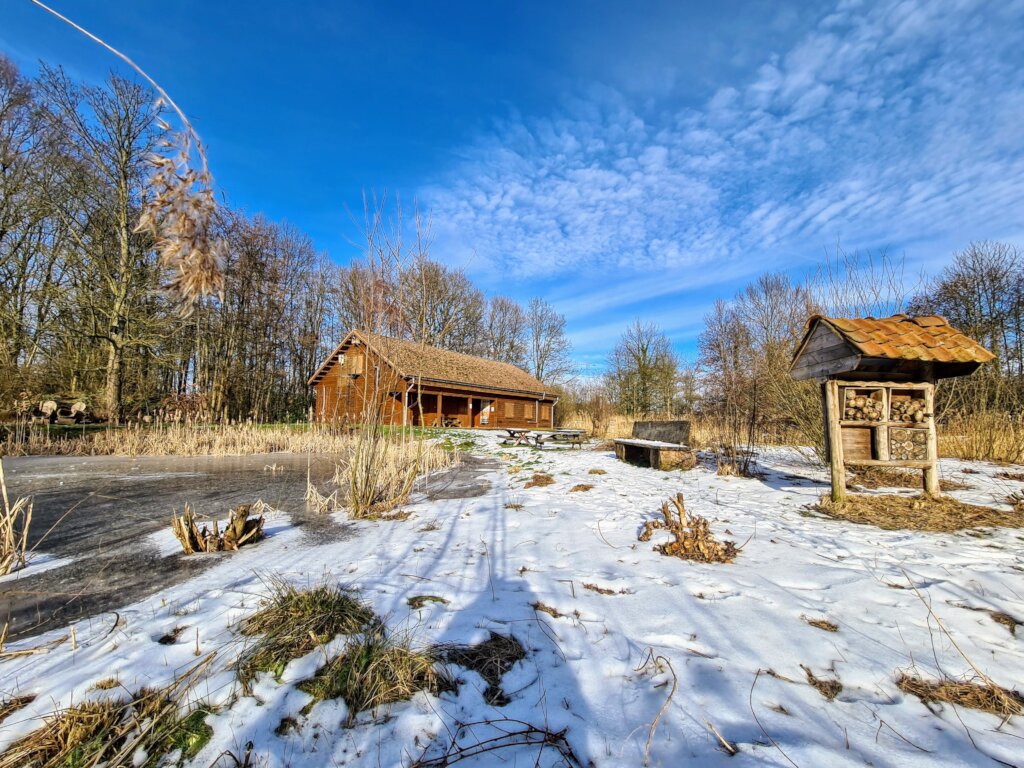
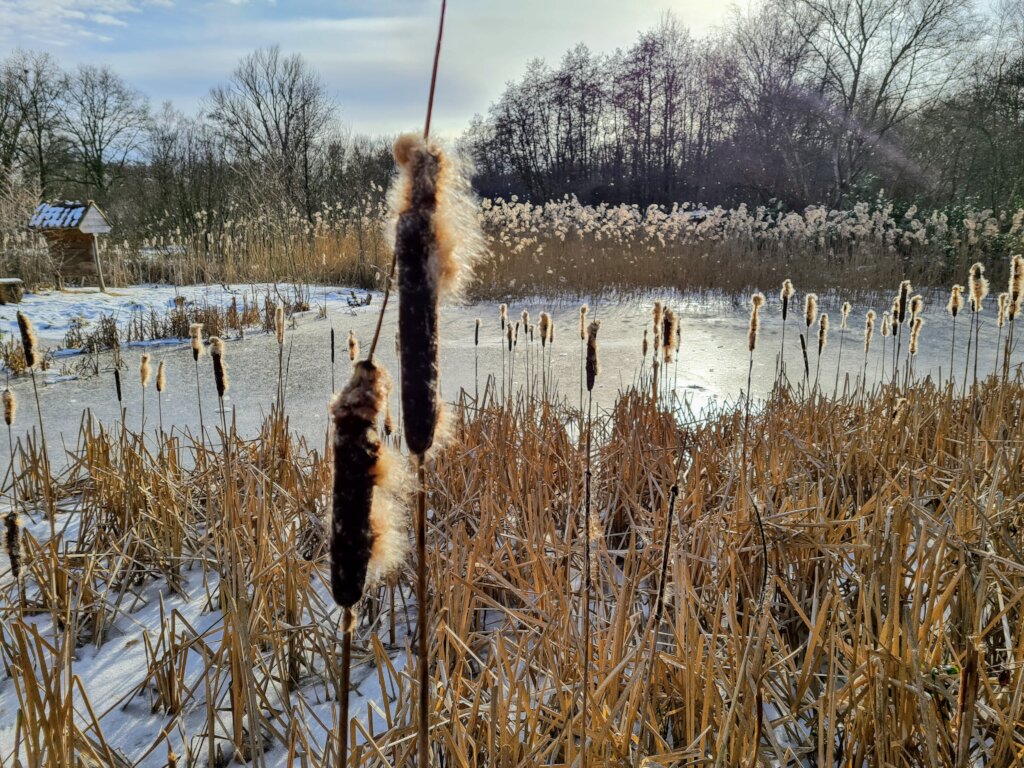
After a few hours of hard work, the woodpiles were neatly stacked, the meadows were open and airy again. We chatted with a drink and snacks near the pond at the Natuur.huis. The sun broke through the clouds and saw that it was good.
"It was tough, but actually I would like to do this every year," said a youth leader with a broad smile. "You feel that it is positive for something. And it's just fun to do something useful."
Perhaps some of these youngsters will return later as volunteers, or simply as walkers who proudly say to their friends or children: "Look, I used to work there." Anyway, thank you to all the helping hands who made this working day such a warm, vivid memory.
(written by Johan Rottiers)
2. Little Chef in Nature
For the second year in a row, we went out in April with a group of young adventurers in De Rammelaars nature reserve, looking for edible goodies in nature. Spring is an ideal time to go collecting. Plants are in full growth, packed with vitamins, and most species are more tender and more flavourful. Species such as celandine and ground ivy can also only be found then. Once they have flowered and set fruit, leaves and stems disappear so that the potential supply becomes poorer as the year progresses. In other species such as nettle or dandelion, the young, fresh shoots and leaves are preferred over older ones that are often a bit tougher or more bitter. The top, first nettle leaves are the softest and tastiest, and sting less. We collected both young leaves and flowers from dandelions.
The harvest
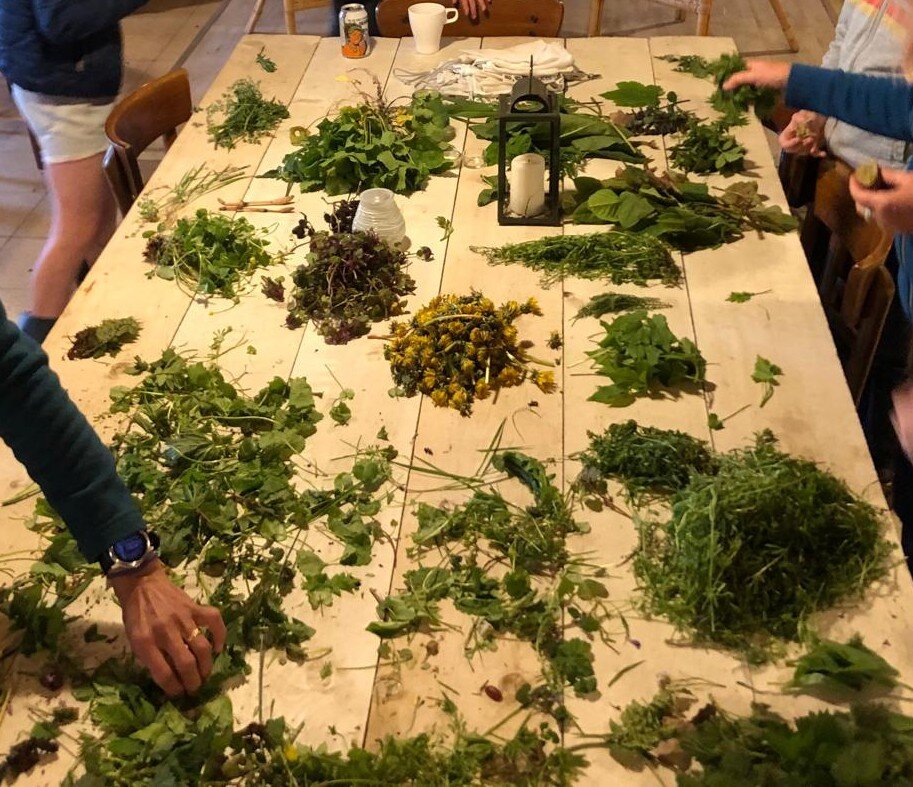
De Rammelaars are a very biodiverse and rich location, thanks to the wet nature, with a wide variety of species. During a walk of an hour and a half, our baskets got fuller with edible leaves and flowers. Some species we found along the paths or streams, others in the grasslands, still others in the shrubland and hedgerows. In addition to the species already mentioned, we also found narrow-leaved and broad-leaved plantain, wood bittercress (so tasty!), purple dead nettle, (young) meadowsweet, ground elder, garlic mustard, yarrow, bugle and hop sprouts. And wild garlic we had collected outside the reserve beforehand.
After collection, we sorted the harvest species by species, to be sure to only use edible plants for cooking. The meadowsweet leaves tasted quite bitter, so we didn't use them. The yellow tubular and ribbon flowers were picked from the dandelion flower heads for making cupcakes. The purple flowers of dead nettle and ground ivy were also kept separate.
Cooking and baking
After washing, we were ready to cook a three-course meal. For snack we already enjoyed warm baguette with butter mixed with wild garlic and garlic mustard.
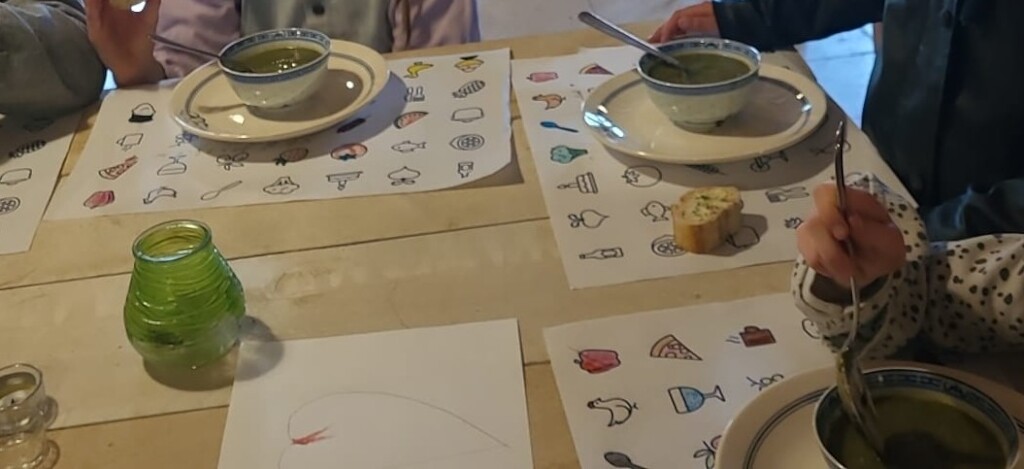
The nettles formed the basis for a rich nettle-and-so-much-more-soup, with a base of onion, leek and potatoes. In the soup we used the more stronger tasting leaves: dandelion leaf, plantain, ground ivy, dead nettle, bugle with also some wood bittercress, garlic mustard, and some yarrow.
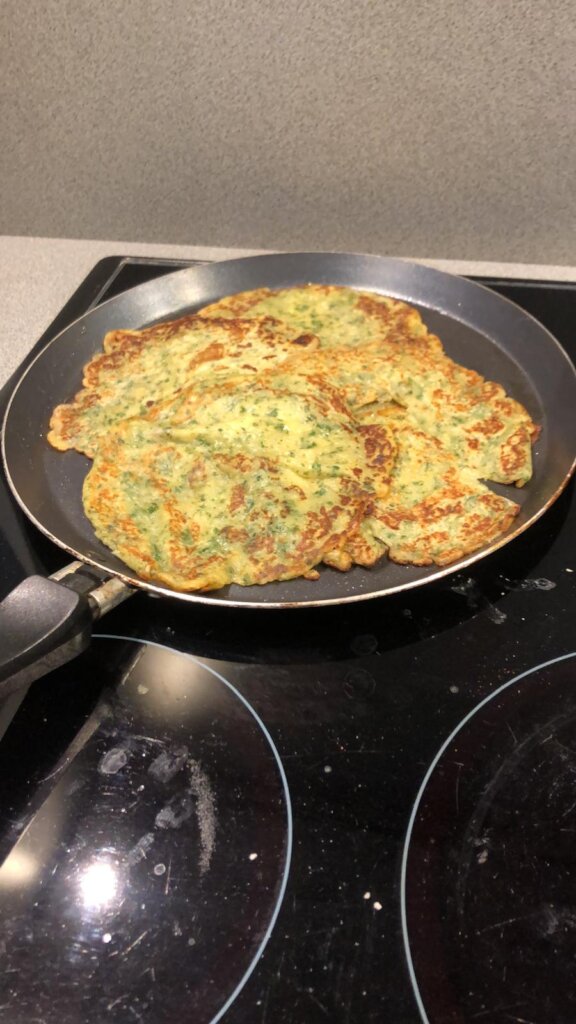
The more subtle tasting leaves were used to make herb pancakes. Handfuls of finely chopped ground elder, wood bittercress, celandine, garlic mustard, and a bit of the other species were added to pancake batter. After baking we ate it with sugar and syrup.
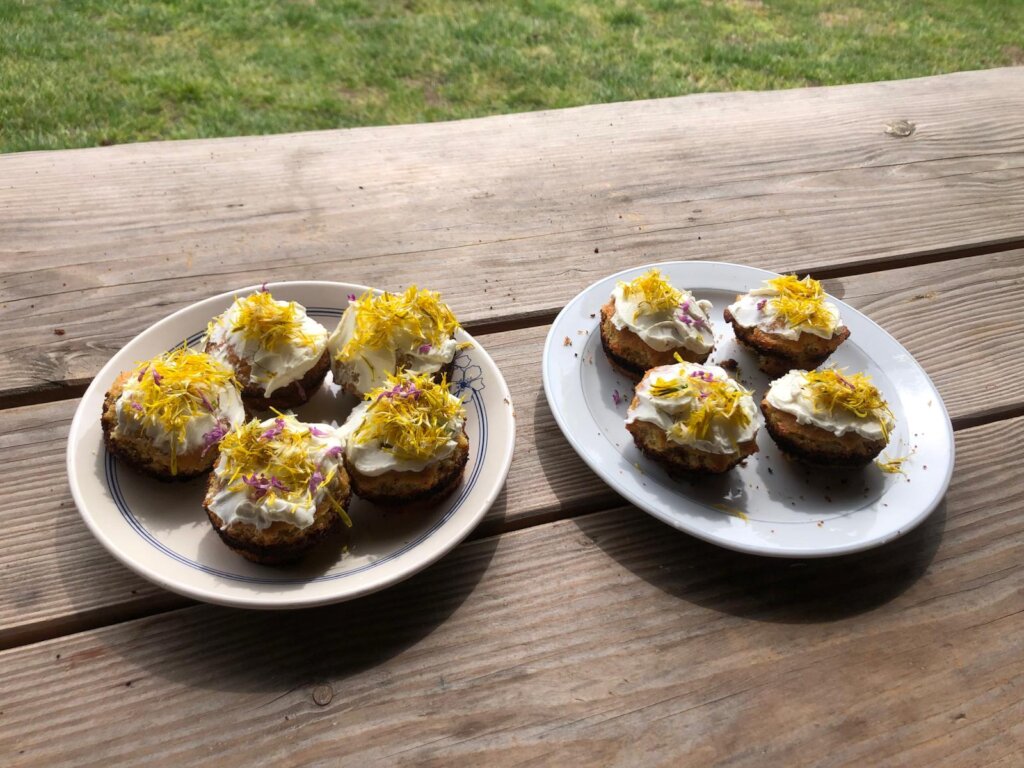
With a large bowl of dandelion petals, we made dandelion cupcakes, which we decorated with cream cheese, and sprinkled with yellow and purple petals: dandelion, dead nettle and ground ivy.
(written by Patrick Van Damme & Veerle Van den Eynden)
Links:
Project reports on GlobalGiving are posted directly to globalgiving.org by Project Leaders as they are completed, generally every 3-4 months. To protect the integrity of these documents, GlobalGiving does not alter them; therefore you may find some language or formatting issues.
If you donate to this project or have donated to this project, you can receive an email when this project posts a report. You can also subscribe for reports without donating.



Support this important cause by creating a personalized fundraising page.
Start a Fundraiser