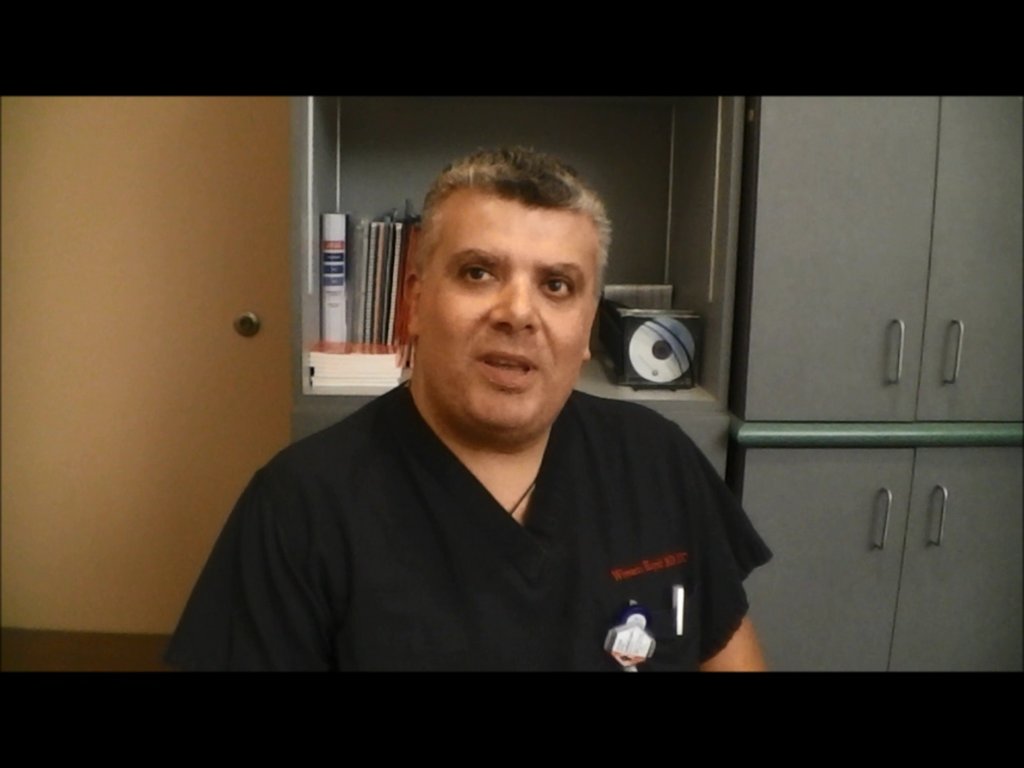
By Dr. Thomas G. Hedberg | Executive Director, IMCRA
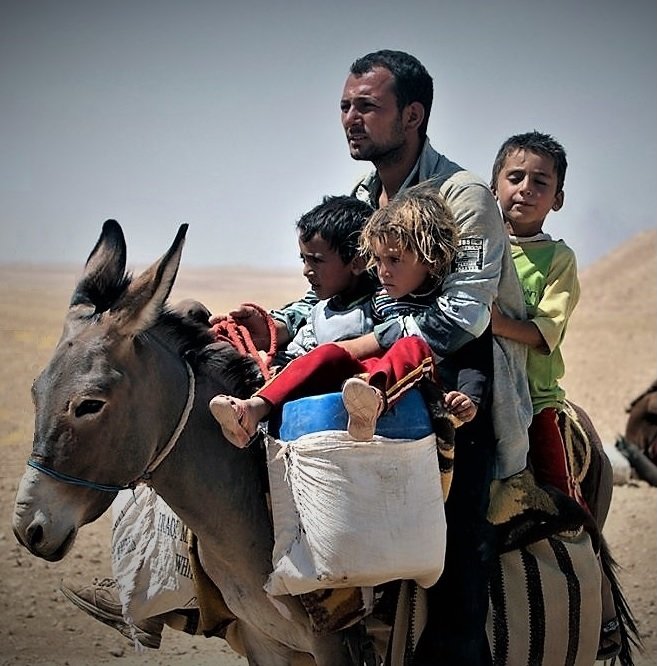
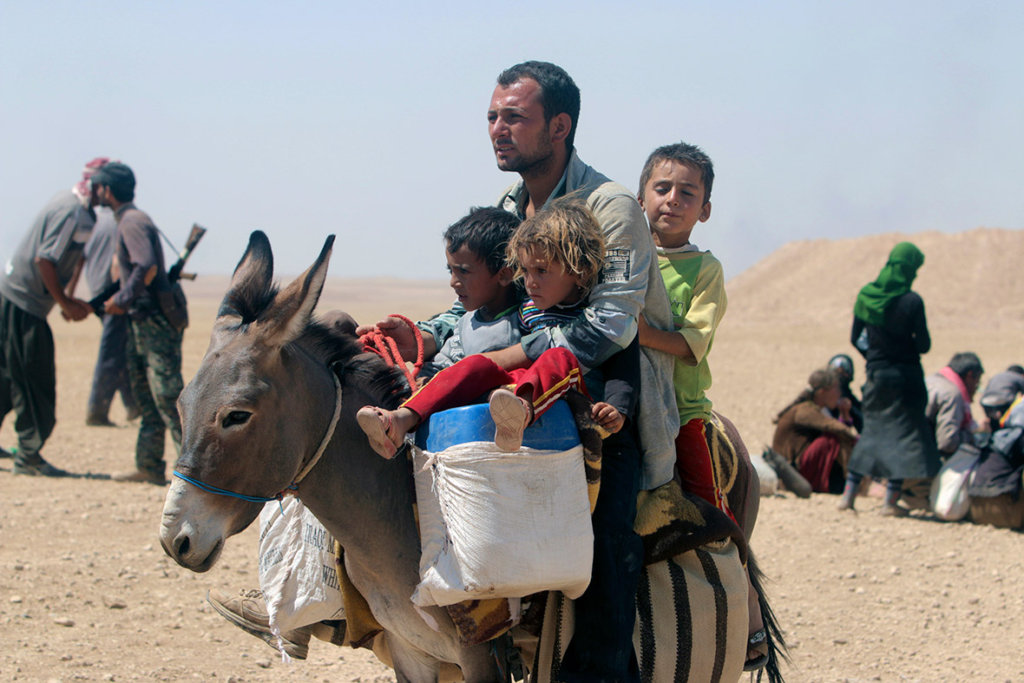
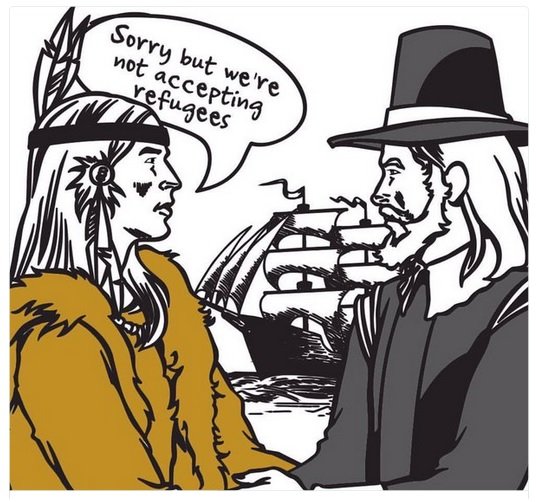
No matter how desperate the plight of the Syrian Refugees, there are many signs of an emerging reluctance to offer them heartfelt help. This is evident in this country as well as elsewhere. Humanitarian impulses are dampened by month after month of reports of some new terroist atrocity and mass murder. Grisly and horrifying stories and photos have become all too common in our daily news. Almost invariably an Arabic-sounding name is associated with the murderers. In many cases the murderers are immigrants from the Mideast who have lived for years in the countries they have savaged. Good people hesitate and begin to wonder; "Why should I be supporting and giving aid to a population of potential terrorists?". In this country and elsewhere irresponsible demagogues play these fears for votes and worsen the atmosphere of ignorant xenophobia. The fact that the best studies have shown well over 99.97% of refugees are peaceful, decent people with no ties to terrorism does not register.
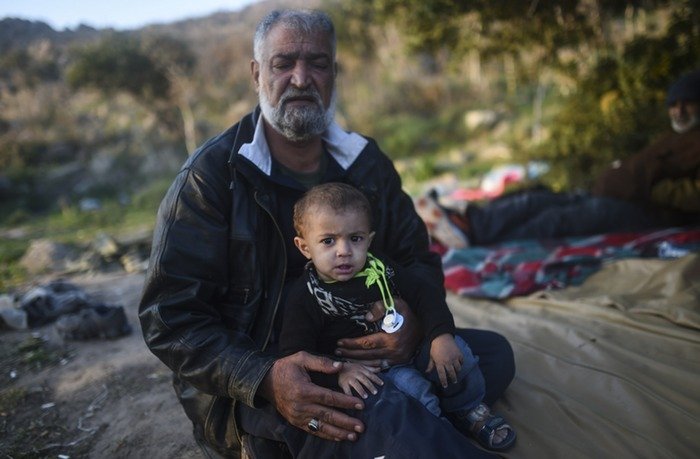
As is so often the case, a little knowledge and understanding goes a long way to exposing these fears as not only groundless but completely counterproductive. First and most importantly, violent people are made, not born; and a century of studies of the human condition have shown that misery and hopelessness in childhood is one of the primary factors in shaping a criminal adulthood. Right now there are hundreds of thousands of children, living under hellish conditions of hunger, illness and deprivation. In many cases, the countries they have sought refuge in, (e.g. Greece, Serbia, Jordan, Turkey...etc), have been unable to offer an effecctive reprieve from their hardships; and the squalor of the camps continues. It is important to remember as well, that well before these children and their families were forced to flee their homes, conditions in Syria itself had deteriorated into an endless nightmare of violence.
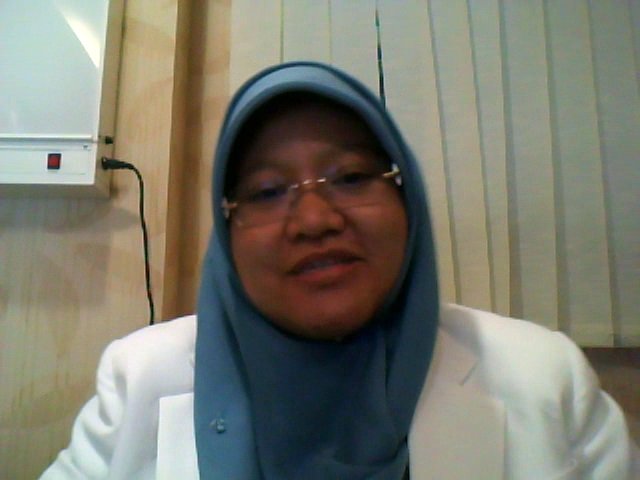
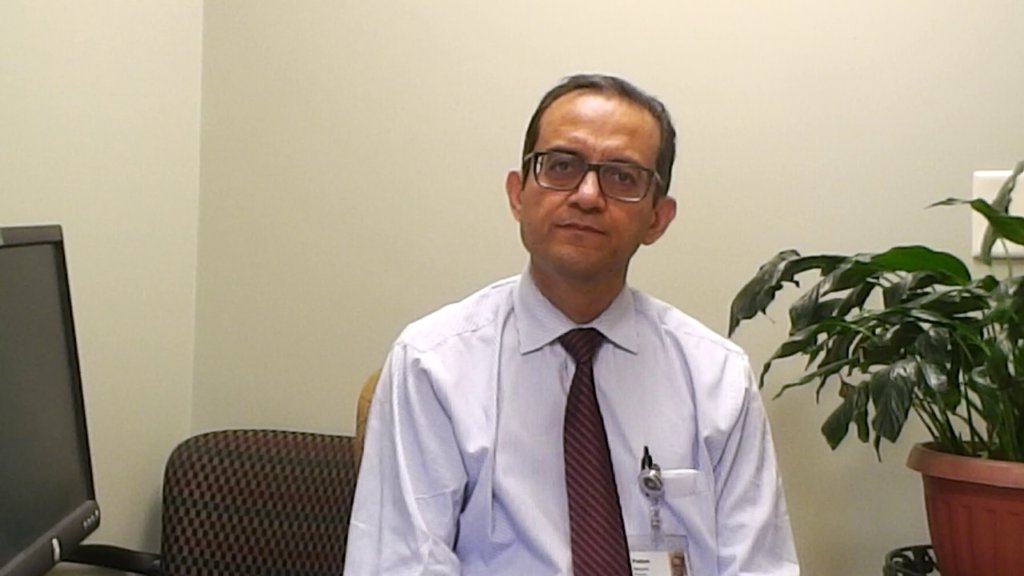
The one thing these children and their parents can take faith in is the kindness and assistance of those who see them as innocent fellow humans of the the world community. The best thing we can do to prevent the misery that leads to violence and mental illness is to embrace these people and their most desperate needs. The worst thing we can do is isolate and fear them. IMCRA's native language medical program takes this reality to heart. Since earlier this year we have elicited the unbridled cooperation of Arabic-speaking physicians and healthcare experts throughout the US to provide needed interactive medical resources on therapeutic areas such as child psychology, nutrition, cardiovascular medicine, pulmonology, and emergency surgery, among others. These interactive services are available via internet and smartphone. Soon we will have an onsite presence from contributing faculty as well. The reaources offered are targeted at overwhelmed and/or undertrained healthcare professionals onsite in the camps as well as at patients and families themselves.
The IMCRA program says clearly and comfortingly: "...we care and we are there for you...". Thusfar we have launched 15 mdeical and psychiatric modules and are in the midst of producing 15 more. Please help us to continue one of the few positive influences on the innocent and not-very-different-from-ourselves members this suffering community. Thank you.
Links:
Project reports on GlobalGiving are posted directly to globalgiving.org by Project Leaders as they are completed, generally every 3-4 months. To protect the integrity of these documents, GlobalGiving does not alter them; therefore you may find some language or formatting issues.
If you donate to this project or have donated to this project, you can receive an email when this project posts a report. You can also subscribe for reports without donating.