By Amanda LaFleur | Executive Director
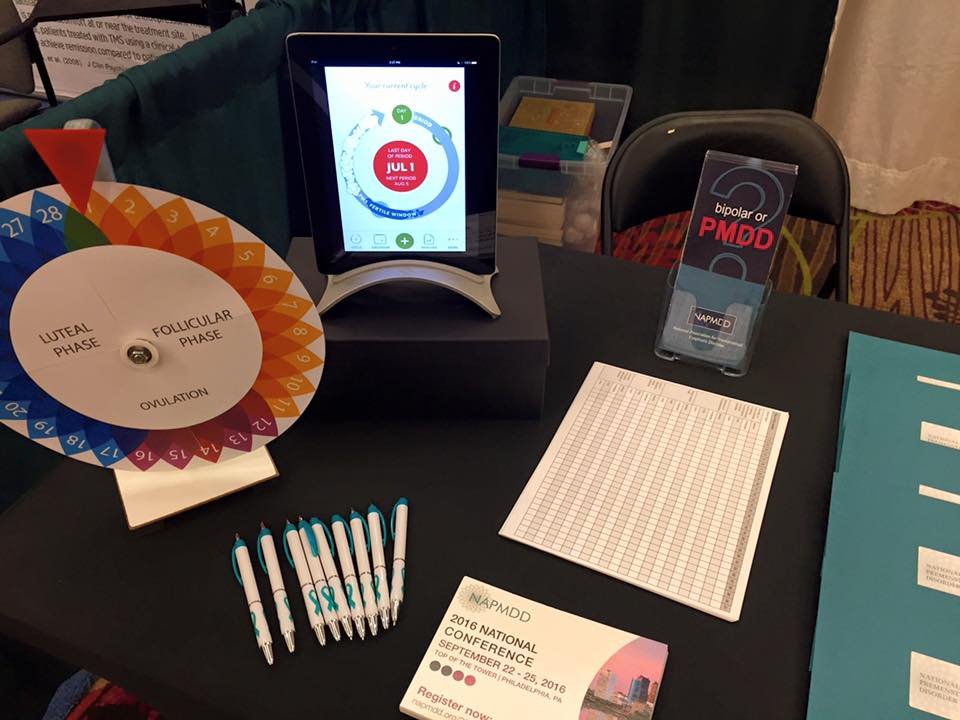
Your menstrual cycle can tell you a lot about your overall health. There are many medical conditions that can affect how much and how often you bleed. Tracking your menstrual cycle, including daily symptoms, provides a quick assessment of your general health and can help identify undiagnosed illness. Tracking your menstrual cycle can also help to diagnose premenstrual dysphoric disorder (PMDD).
As many as 80% of women experience a common collection of symptoms (often called PMS) before the start of their period. These include irritability, tender breasts, tearfulness, food cravings, pelvic cramps, and more. A smaller percentage experience PMDD with severe and debilitating symptoms including depression, hopelessness, social anxiety, and worst of all - suicidal ideation. As many as 15% of women with PMDD will experience suicidal thoughts and/or behaviors. With over 5 million women in the United States living with PMDD, this is a dangerous and torturous condition to live with.
Many women believe these symptoms are normal; that all women feel depressed and hopeless and suicidal before their period. Many women are also not aware that PMDD exists or how it is diagnosed or how it can be treated. NAPMDD is on a mission to raise awareness, provide support, and improve the quality of life for women with PMDD. One of the many ways we do this is by educating healthcare providers in both gynecology and mental health fields. By educating clinicians women can receive better care and patient outcomes.
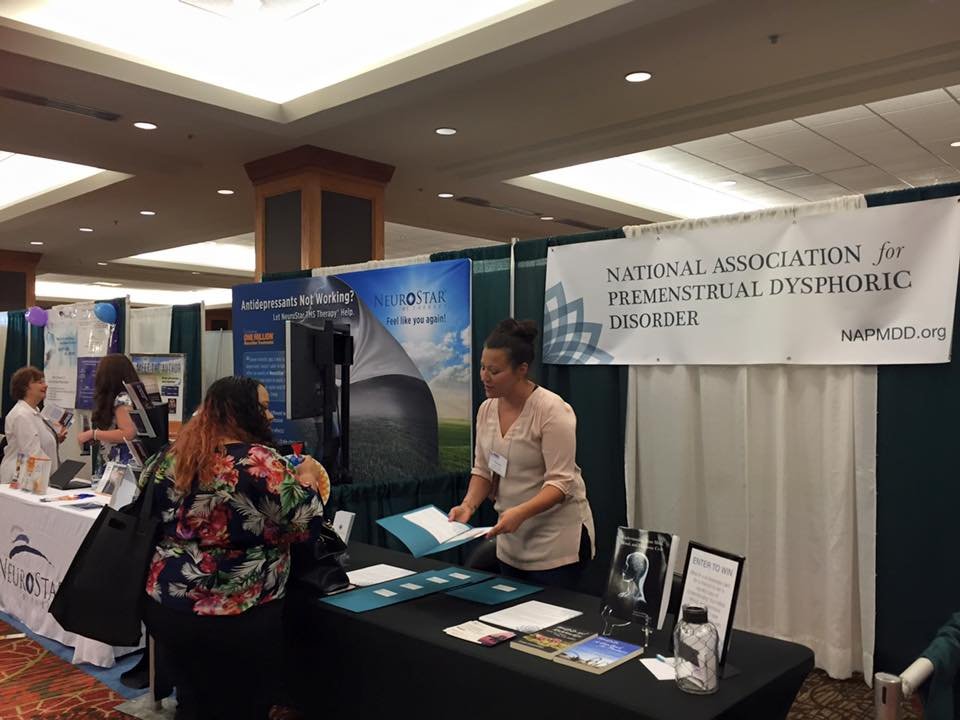
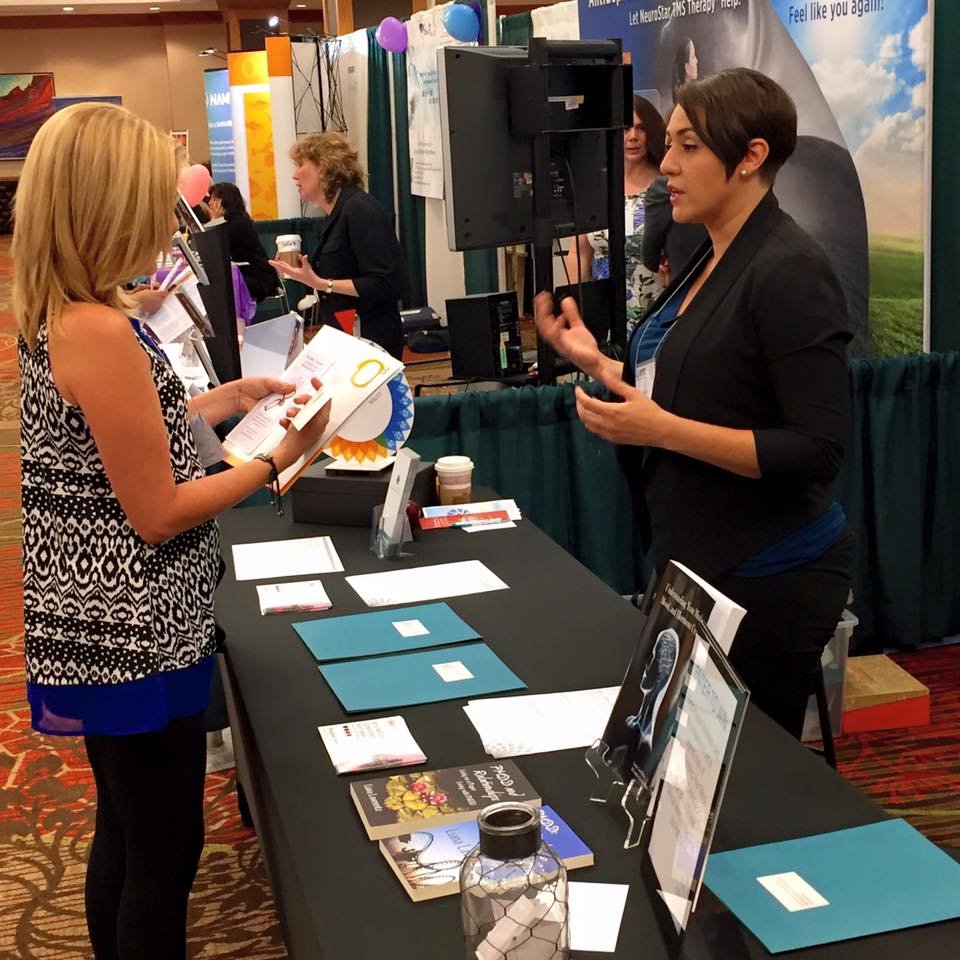
In 9 days from now, we will be exhibiting at the 2016 NAMI National Convention, July 6–9 in Denver. This event will gather nearly 2,000 mental health activists and advocates from across the United States and other countries. With your support, we are able to exhibit at this important event during which we will be distributing the following key informational materials.
Each of these documents have been viewed and/or downloaded from our website a combination of over 1,500 times. Because of your support, many women and men are learning how to identify signs of PMDD and how to use the menstrual cycle as a vital sign of women's health.
We look forward to bringing you a final report after the convention next week, including photos and testimonials on how your generous donation made an impact at NAMI. If you are attending NAMI this year, come visit us at BOOTH #306. If you are not already following us on social media, join us online at facebook.com/napmdd and twitter.com/napmdd for live streaming from NAMI and beyond!
Links:
Project reports on GlobalGiving are posted directly to globalgiving.org by Project Leaders as they are completed, generally every 3-4 months. To protect the integrity of these documents, GlobalGiving does not alter them; therefore you may find some language or formatting issues.
If you donate to this project or have donated to this project, you can receive an email when this project posts a report. You can also subscribe for reports without donating.