By Mohsin Arif | Project Leader
Digital Learning for Brick Kiln Children
Project Summary
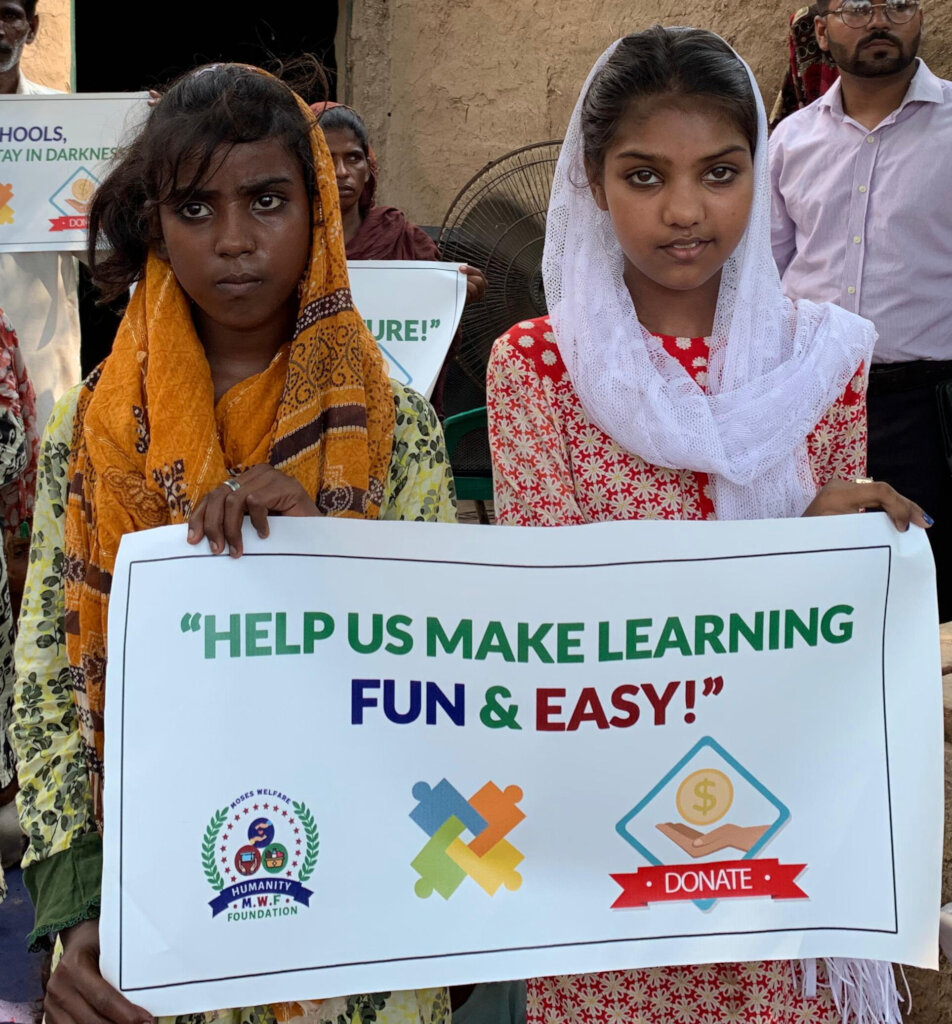
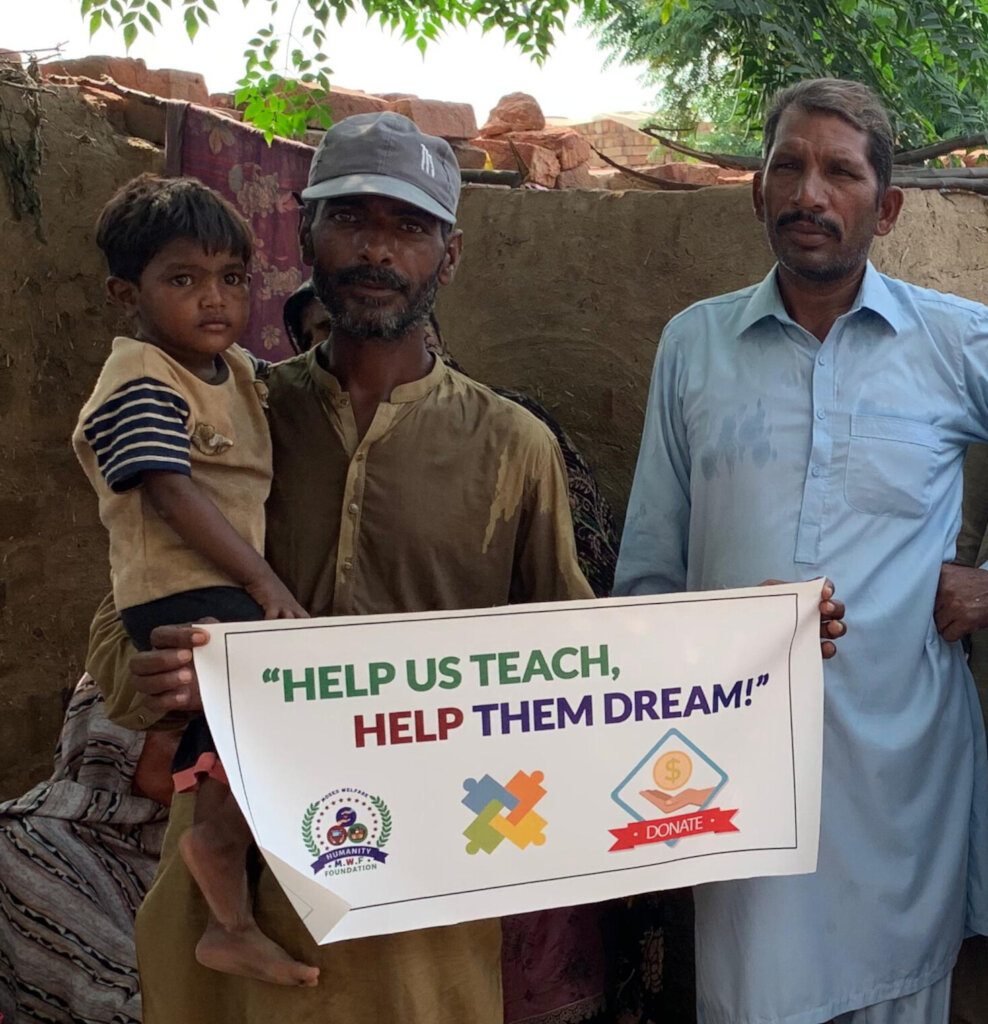
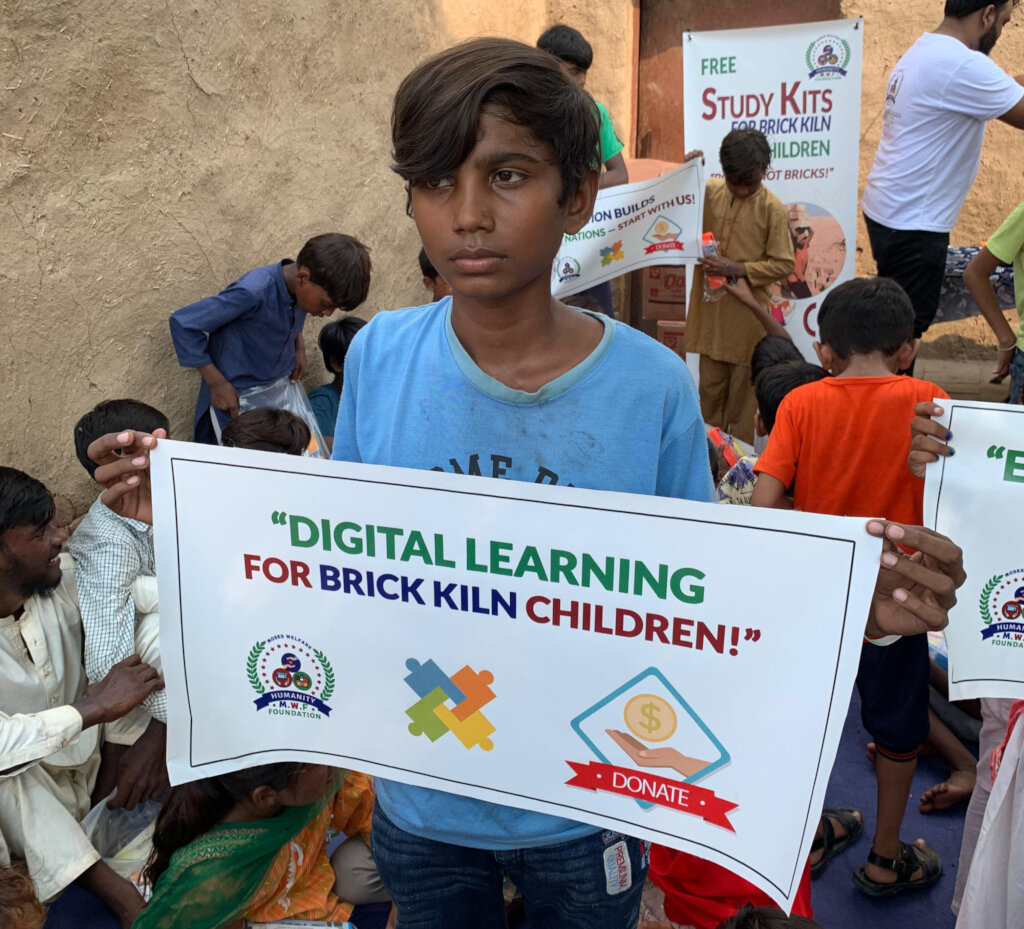
Children living in brick-kiln communities in Pakistan can face significant barriers to education. Poverty, limited access to schools, transportation challenges, family responsibilities, and, in some cases, child labor can prevent children from attending regular educational programs.
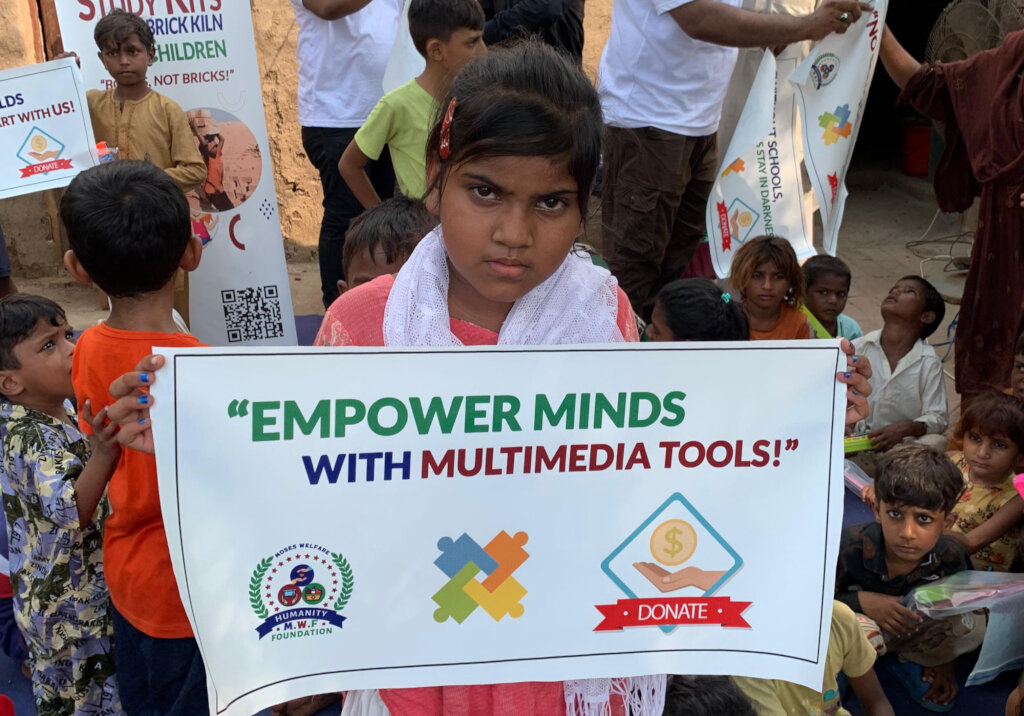
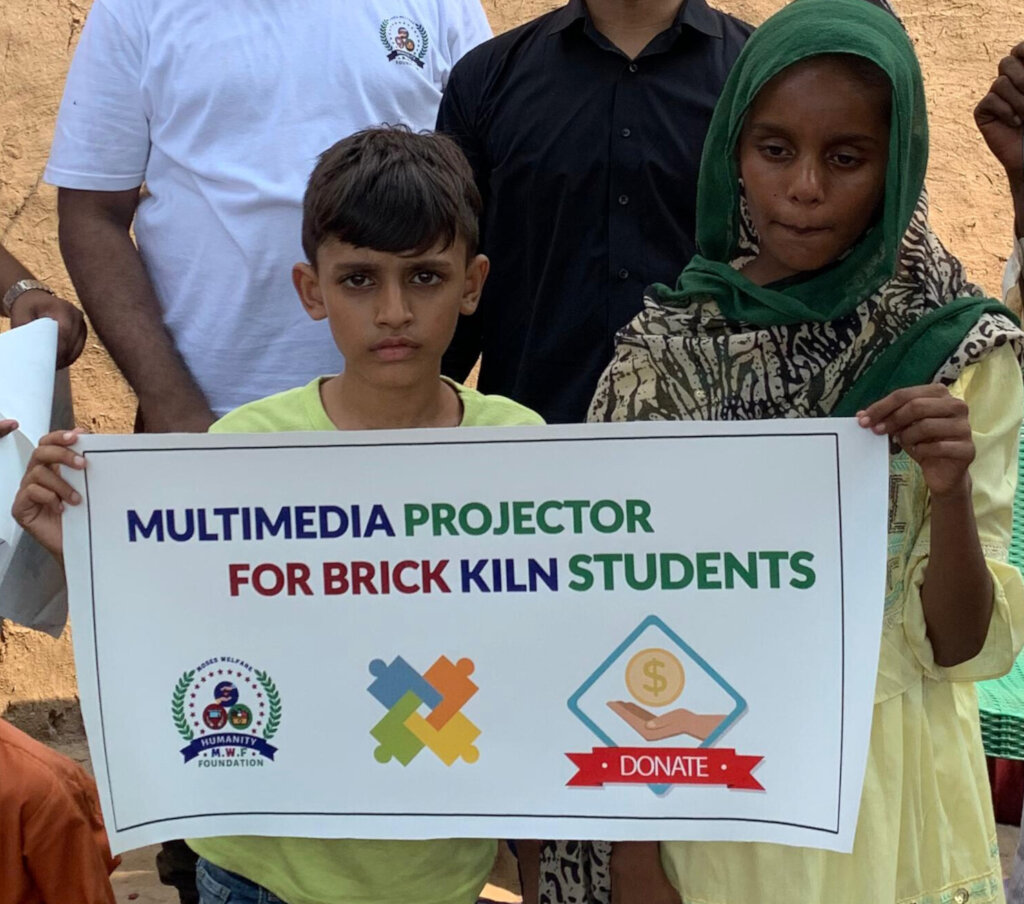
Digital Learning for Brick Kiln Children aims to bring engaging educational resources closer to these underserved communities by establishing a multimedia-supported learning environment.
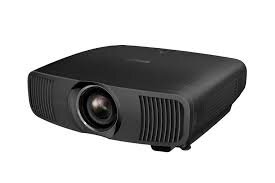
The project will provide a multimedia projector and supporting educational resources for community-based learning sessions. Teachers and facilitators will use digital lessons, educational videos, visual demonstrations, stories, and interactive materials to make learning more engaging and accessible.
The objective is to create a learning environment where children can develop foundational literacy, numeracy, communication, and other age-appropriate skills while building confidence and interest in education.
The Challenge
Brick-kiln communities in Pakistan are often located in areas where access to quality education can be limited.
Children from these communities may experience multiple barriers, including:
When children are unable to receive consistent education, they can fall behind academically and face fewer opportunities later in life.
For children growing up in economically vulnerable environments, access to engaging educational support can help strengthen their connection with learning.
Our Solution
Moses Welfare Foundation will establish a multimedia-supported learning program for children living in underserved brick-kiln communities.
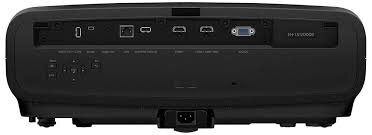
The project will provide a multimedia projector together with appropriate digital and educational resources.
The equipment will allow facilitators to transform available community spaces into interactive learning environments.
Lessons may include:
The projector will complement, rather than replace, teachers and facilitators. Human instruction, mentoring, and interaction will remain central to the learning process.
How the Multimedia Classroom Will Work
1. Community-Based Learning
Learning sessions will be organized in or near brick-kiln communities where children have limited access to educational resources.
2. Digital Lessons
Facilitators will use the projector to present age-appropriate educational content through videos, visual lessons, presentations, stories, and interactive activities.
3. Teacher-Led Learning
Teachers or trained facilitators will guide the sessions, explain lessons, answer questions, and adapt activities to the children's learning levels.
4. Interactive Activities
Children will be encouraged to participate through questions, discussions, demonstrations, reading exercises, games, and group activities.
5. Educational Materials
Where resources permit, digital learning will be combined with notebooks, books, worksheets, stationery, and other appropriate learning materials.
Who We Aim to Support
The project will prioritize children living in underserved brick-kiln communities who have limited access to educational opportunities.
Potential beneficiaries include:
Beneficiary participation will be based on identified educational need and available project capacity.
Expected Outcomes
The project aims to improve children's access to engaging and interactive educational resources.
Expected outcomes include:
Where appropriate assessment tools are available, the organization will monitor children's participation and learning progress over time.
Long-Term Impact
The project seeks to contribute to a longer-term improvement in educational opportunities for children living in brick-kiln communities.
Digital learning can make lessons more visual and engaging while exposing children to educational content that may otherwise be unavailable in their communities.
However, technology alone cannot overcome every barrier to education. For this reason, the project will seek to combine digital resources with teachers, learning materials, community engagement, and family awareness.
Over time, improved educational access can help children develop foundational skills that support further education and future employment opportunities.
Supporting Children Beyond the Classroom
Education is closely connected with the wider circumstances in which children live.
Moses Welfare Foundation will seek to engage parents and caregivers where appropriate and encourage families to recognize the importance of children's education.
Where children face barriers associated with poverty, child labor, or lack of school access, the organization will seek to connect families with appropriate support and referral opportunities when available.
The project will not present digital education as a substitute for formal schooling. Instead, it aims to provide an additional pathway to learning for children who are currently underserved.
Child Protection and Safeguarding
Children participating in the program will be treated with dignity and respect.
The project will follow appropriate child-safeguarding practices, including:
The project will also seek to ensure that educational activities do not expose children to inappropriate digital content.
Measuring Progress
Project activities will be monitored through indicators such as:
These indicators will help MWF understand how the equipment is being used and whether the program is reaching its intended beneficiaries.
Use of Funds
Total Project Goal: $5,000
Funding will support the establishment and operation of the multimedia-supported learning program.
Potential costs may include:
The organization will seek to maximize direct educational benefit while maintaining appropriate financial controls and documentation.
Why This Project Matters
A child growing up in a brick-kiln community should have the opportunity to learn, develop skills, and imagine a future beyond the circumstances into which they were born.
For children who have limited access to educational resources, a multimedia classroom can provide new ways to explore reading, mathematics, science, stories, and the wider world.
The projector is not the goal by itself. It is a tool for creating a more engaging learning environment and bringing educational content closer to children who have historically had fewer opportunities to access it.
Our Vision
Moses Welfare Foundation envisions communities where a child's educational opportunities are not determined by household income or where they live.
Through community-based learning, digital educational resources, teacher support, family engagement, and pathways toward formal education, the project aims to help children develop the knowledge, confidence, and skills they need for their future.
The vision is simple: bring meaningful learning closer to children today so they have more opportunities tomorrow.
Project reports on GlobalGiving are posted directly to globalgiving.org by Project Leaders as they are completed, generally every 3-4 months. To protect the integrity of these documents, GlobalGiving does not alter them; therefore you may find some language or formatting issues.
If you donate to this project or have donated to this project, you can receive an email when this project posts a report. You can also subscribe for reports without donating.



Support this important cause by creating a personalized fundraising page.
Start a Fundraiser