By Laura Soucy | Annual Giving Manager
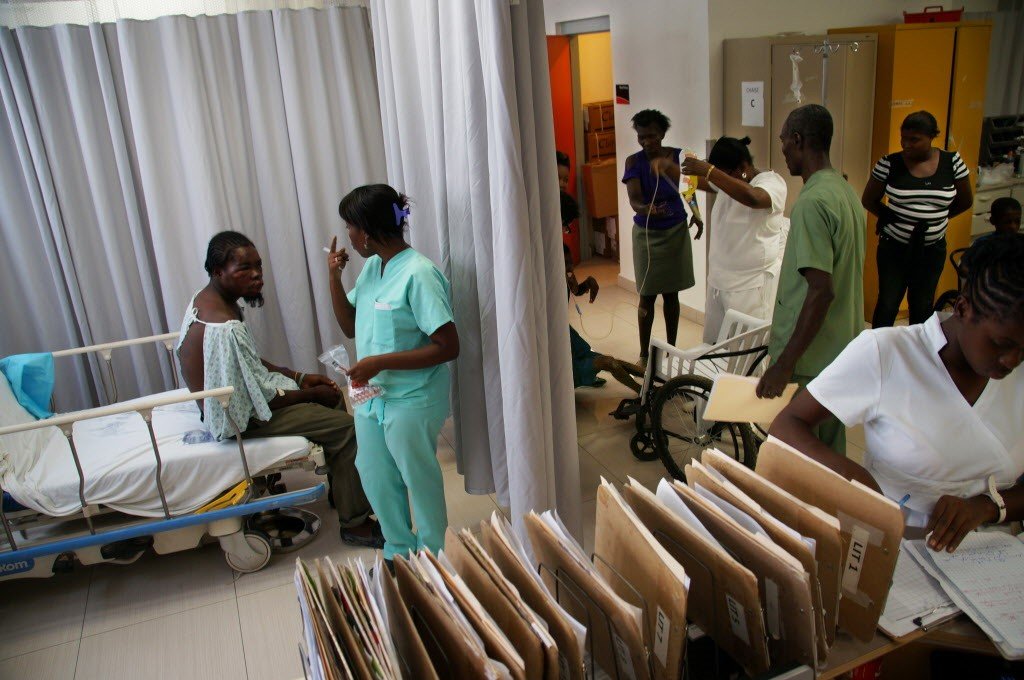
(MIREBALAIS, HAITI - MAY 2014: A busy afternoon in the University Hospital emergency room.)
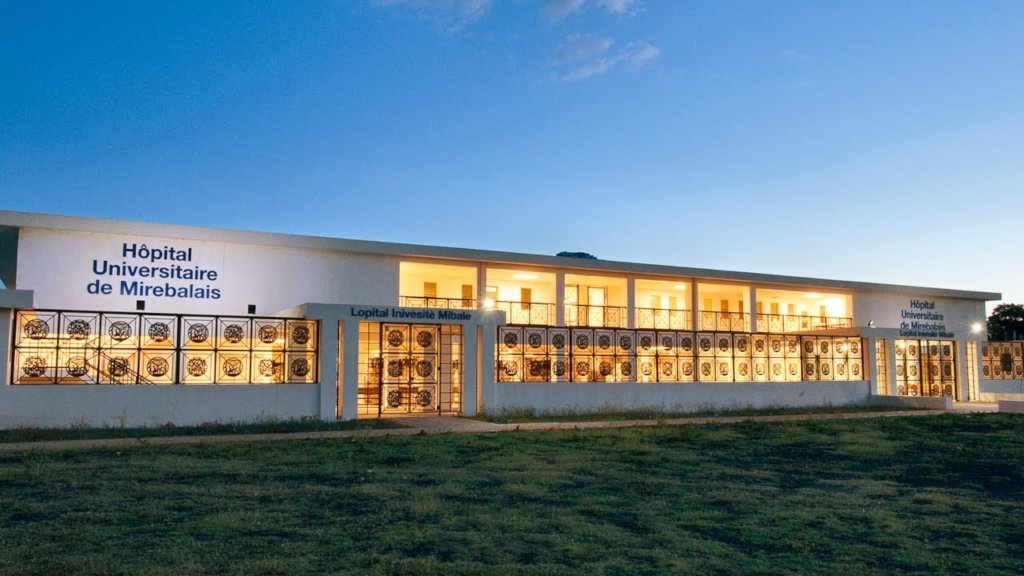
Thanks for your support of Partners In Health/Zanmi Lasante and our work to provide high-quality care at University Hospital in Mirebalais, Haiti! I am delighted to share the following update on our increased capacity to provide emergency care at the hospital's Emergency Department:
PIH/ZL is committed to making sure that every patient benefits from timely and effective care. We know that poverty puts Haitians at greater risk of needing emergency medicine – unmanaged chronic conditions, farming injuries, and increasing traffic accidents on newly improved roads are responsible for the high number of ER visits.
That is why PIH/ZL designed an integrated emergency department with the capacity to respond immediately to critically ill medical and trauma patients 24 hours a day. PIH/ZL recently introduced triage to the emergency room so that patients are prioritized by acuity rather than complaint. Staff are being trained to reassess patient flow and bed management to ensure maximal efficiency. Beginning just last month, University Hospital began offering its first residency and certification programs in emergency medicine.
The capacity of University Hospital to respond swiftly to emergencies is an indication of the overall health of University Hospital’s systems. The emergency department is a test of system functioning because it requires collaboration with blood banks and other specialists across departments. If trained staff and triage systems are not in place, the increasing number of patients with complex, trauma-related injuries, like Guerrier, will not survive.
Guerrier, 21, from Mirebalais
“I was in a tap-tap [local informal bus] on the way to PAP when the brakes stopped working. The car flipped on its side and during the crash I broke my neck. An ambulance arrived and brought me to the ER at University Hospital. I was in the ER from Thursday to Monday. On Monday afternoon I went down to PAP in an ambulance with Dr. Ward and Dr. Jacky. They put the collar on me and I returned to University Hospital the same day. I was able to return to my house the next day.
Now I sometimes get headaches on my right forehead but overall I don't have too much pain. I come for a consultation once a month and will take the collar off after three months, or earlier, if Dr. Luther says it is okay.
You never expect an accident like that to happen. I found really good care here, and I think this collar will help me return to the way I was before the accident. I'm in my last year of high school and hoping to go to university next year. I also love to play soccer and am hoping that one day I'll be able to play again.”
Guerrier came to University Hospital with severe spinal injuries. The emergency department quickly diagnosed his injuries using a CT scanner and determined that a halo collar was needed; but, University Hospital did not have the halo collar needed to begin treatment on hand. PIH/ZL procured two collars from Boston Children’s Hospital and located a Haitian neurosurgeon in Port-au-Prince (PAP) that could perform his life-saving surgery.
Project reports on GlobalGiving are posted directly to globalgiving.org by Project Leaders as they are completed, generally every 3-4 months. To protect the integrity of these documents, GlobalGiving does not alter them; therefore you may find some language or formatting issues.
If you donate to this project or have donated to this project, you can receive an email when this project posts a report. You can also subscribe for reports without donating.