By Victor Ukatu | Development Support Coordinator
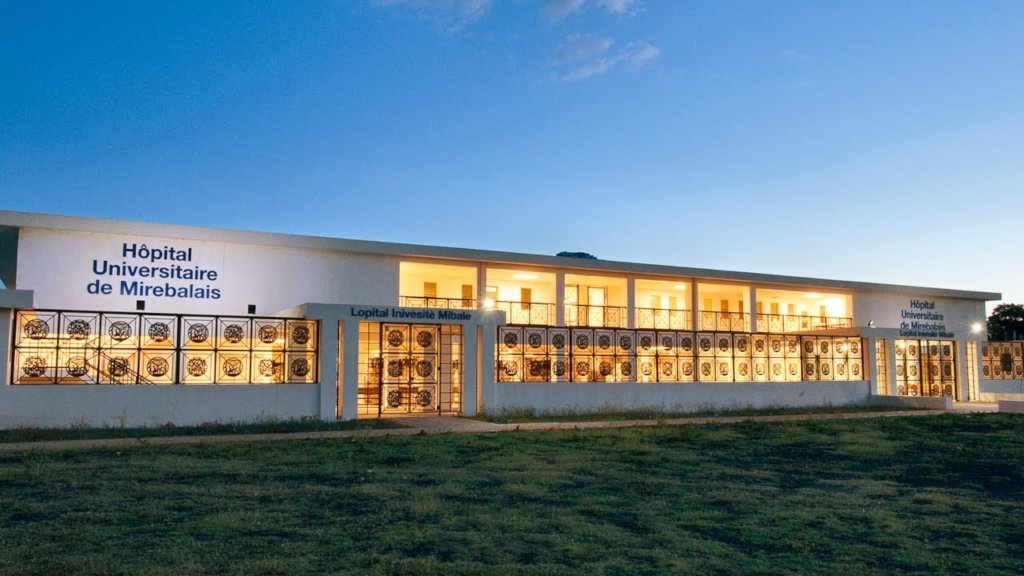
Thanks so much for choosing to support Partners In Health and our work to build a world class health system in Haiti. Your support has been critical to our success in building and expanding the University Hospital In Mirebalais, Haiti. We're happy to share an update on the Paul E. Farmer BSL-3 Laboratory at the hospital.
The opening of the Paul E. Farmer BSL-3 Laboratory means that thousands of patients every year will receive highly accurate diagnoses and the quality care they need. It means more Haitian lab technicians will receive advanced training in their fields. And it means more original research will be conducted to expand the existing body of knowledge on infectious and chronic diseases worldwide.
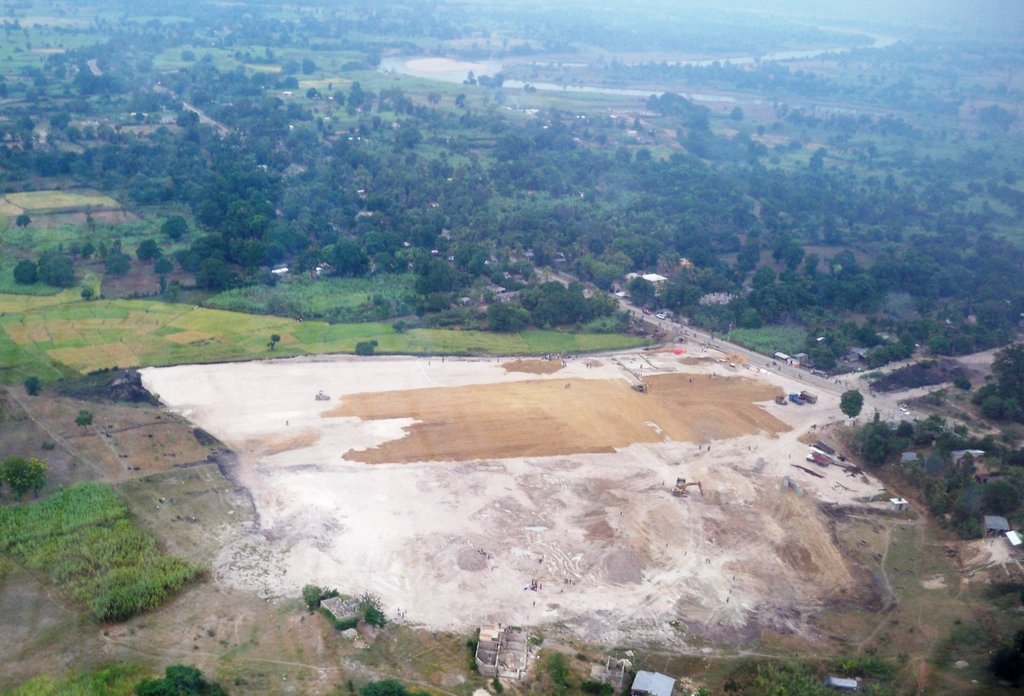
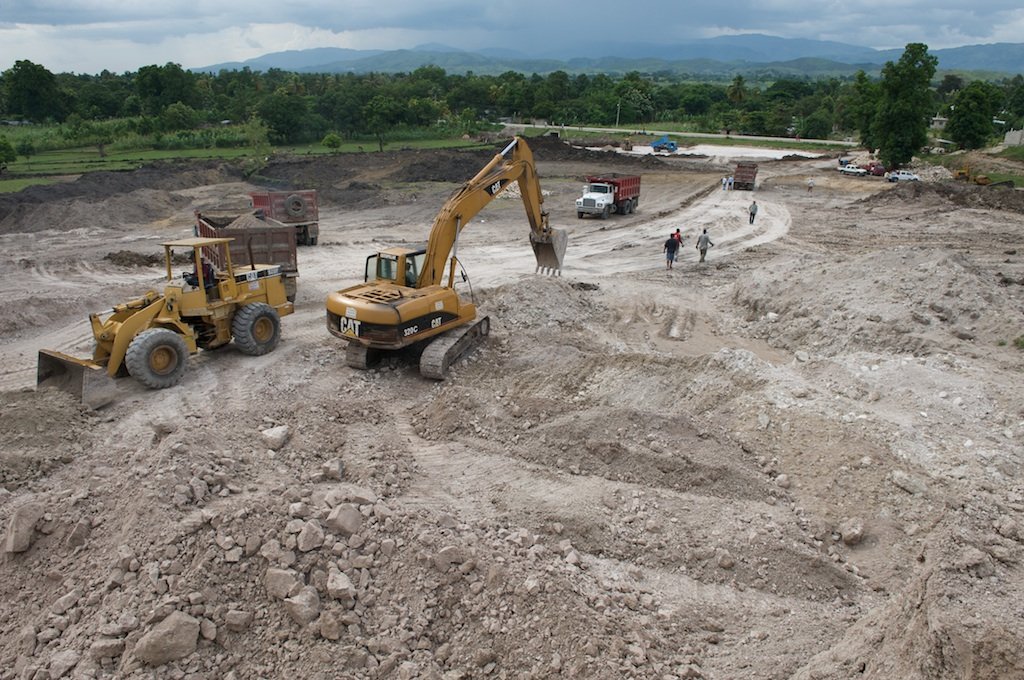
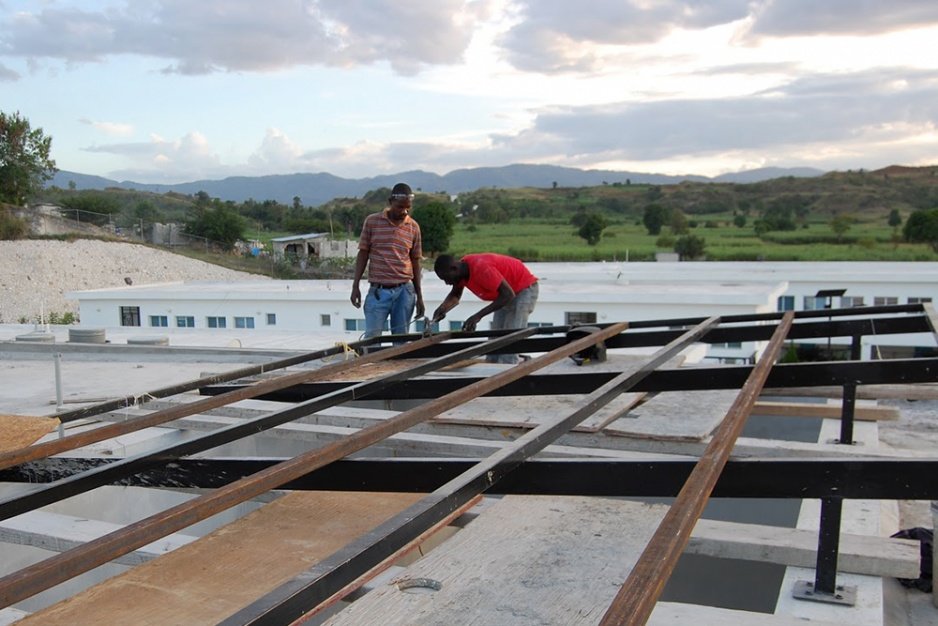
There’s a lot to celebrate this year. Orozco, director of laboratory services for PIH, said the “flagship” Dr. Paul E. Farmer BSL-3 Laboratory soon will be operating at University Hospital in Mirebalais, Haiti, after several years of construction and equipment transfers. The lab’s designation as a Biosafety Level 3 facility, or BSL-3, means it’s a high containment lab where technicians can work with infectious agents, including drug-resistant TB.
“People said to me, ‘Good luck opening a BSL-3 lab in rural Haiti”, Orozco said. “And not only have we done it, we also will demonstrate that it’s possible for it to run at a high standard of quality, while working closely with the national TB reference lab at Laboratoire National de Santé Publique (Haiti’s National Public Health Laboratory).”
Technicians will be trained to process sputum samples for the diagnosis of TB and MDR-TB, as well as monitor how effective therapy has been for patients.
Properly identifying TB strains is key to treatment and the prevention of drug resistance. If patients are infected with a TB strain that is susceptible to common antibiotics, they can be put on the right treatment and their case properly managed, eventually leading to a cure. If patients are misdiagnosed, then they could be taking medication that doesn’t kill the bacteria, but makes it more resistant. Resistant TB strains require months of daily injections and a cocktail of antibiotics that could cause debilitating side effects.
Clinicians often have to wait weeks or months to appropriately diagnose a TB or MDR-TB case. But new technologies exist that can shrink that time to a few days or even hours. “It’s challenging, but it’s not impossible to do in Haiti,” Orozco says.
Lab technicians will analyze blood, urine, stool, and other cultures, which are essential in providing more accurate and targeted therapies for children and adults with deadly diseases.
Diagnosis of infectious diseases—including HIV, hepatitis, meningitis, cholera, Zika, or chikungunya—will be possible in this new facility, as well as the monitoring of treatment for HIV-positive patients on antiretroviral therapy.
This array of advanced diagnostics simply hasn’t been possible before in Mirebalais. This all made possible by donors like yourself. Thank you!
Project reports on GlobalGiving are posted directly to globalgiving.org by Project Leaders as they are completed, generally every 3-4 months. To protect the integrity of these documents, GlobalGiving does not alter them; therefore you may find some language or formatting issues.
If you donate to this project or have donated to this project, you can receive an email when this project posts a report. You can also subscribe for reports without donating.