By Victor Ukatu | Dev. Coordinator
Since the earthquake in 2010, Partners In Health has continued to expand many of our programs, and work to strengthen Haiti’s healthcare system by providing services that are often unaffordable to Haiti’s rural population. Your generosity has allowed Partners In Health Haiti to reach more families and create healthy neighborhoods.
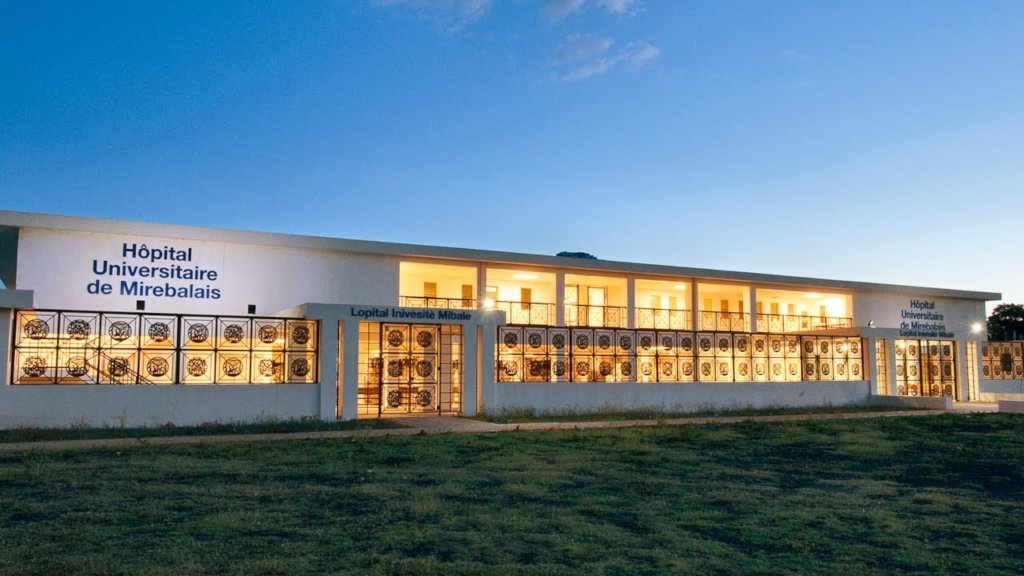
Partners In Health University Hospital is the sole public facility that provides free, comprehensive cancer care. Two other hospitals in the capital of Port-au-Prince—one public, one private—offer oncology services, but cost and access to care remain out of reach for the vast majority of Haitians, who make less than $2 per day.
After feeling pain and discomfort in her left breast, Marana sought council from her mother. Her mother recommended she visit University Hospital, Partners In Health’s tertiary facility in their hometown of Mirebalais, Haiti.
On a Monday in January 2014, Marana arrived at the hospital for her first appointment with Dr. Damuse, the director of the oncology program. The composed, gentle-mannered doctor gave Marana a thorough exam and detected a small lump in her left breast. She recommended a biopsy, which a surgeon performed the following day, and sent the tissue sample to Boston for testing. Then came the hard part for Marana—waiting.
Six weeks later, Damuse received the results and had to break painful news to the young mother: Marana had breast cancer. The good news, at least in Damuse’s opinion, was that it was Stage 1 or 2.
Zanmi Lasante, as PIH is known locally, began providing cancer care under Damuse’s guidance in 2010 out of Hôpital Bon Sauveur in Cange. In 2013, Damuse and her staff transferred their services to University Hospital, where they have tended to new patients and treated a variety of cancers—from breast cancer and leukemia, to colon cancer and lymphoma.
Breast and cervical cancer diagnoses far outpace any others. More than 50 percent of cancer patients Damuse and her staff care for have been diagnosed with breast cancer. Marana had heard of cancer before, but had never known anyone with it. In her mind, it was a death sentence. And for most people in Haiti, it is.
Damuse recommended that Marana undergo a mastectomy to remove the tumor and prevent the cancer’s spread, then take chemotherapy to kill any remaining cancer cells. Marana sought support from her then husband, who rejected and left her.
Suddenly a single mother with no income, Marana turned to her mother and sister for help. She decided to go ahead with the mastectomy and chemotherapy, and she and her children moved temporarily into her family home while she underwent surgery and treatment.
Every two weeks for eight months, Marana visited University Hospital and sat for hours in the oncology department, where Damuse and her attentive nursing staff hooked her up to a series of IVs. The chemotherapy left Marana wracked by nausea. She vomited and lost her appetite and all her hair—right down to her eyelashes and eyebrows. Many mornings, she suffered from debilitating cramps in her feet that would only release once she began gingerly walking around the house.
Marana’s cancer journey affected her children differently, but had the most impact on her oldest daughter, Thamar. Always a solid student, the 15-year-old started to do poorly in school. She hated seeing her mother’s scar, and Marana began to shield her chest around her children. The younger ones didn’t completely understand what was going on. Naively, they asked if the breast would grow back. She didn’t want to lie, so she told them that, no, it was not going to grow back.
In January 2015, Marana finished her last chemotherapy treatment and was placed on Tamoxifen, a drug that helps prevent the recurrence of her form of breast cancer. It was a major milestone that, unfortunately, she couldn’t celebrate for long.
For three months after finishing chemo, Marana didn’t get her period. She knew she wasn’t pregnant, and doubted she was already going through menopause. Again, she turned to Damuse for advice, who referred her to University Hospital’s OB/GYN department for a pelvic exam. The physician found pre-cancerous lesions on her cervix and informed Damuse.
By December, Marana was back in surgery to have a total hysterectomy—both her uterus and ovaries removed.
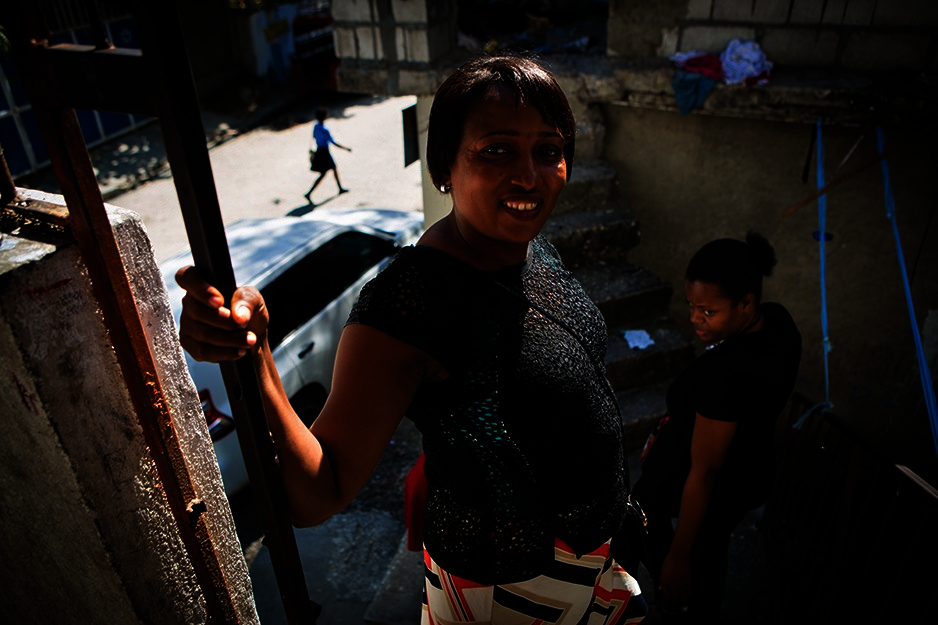
This January, Marana marked her third year as breast cancer free. She remains on Tamoxifen, which she picks up at a pharmacy in University Hospital. She will remain on hormone therapy for up to another three years. Whenever she does come, she tries to swing by the oncology ward. On a recent morning, she arrived with her jet-black hair in a neat bob. Her skin shone, her shoulders were set square and strong. She also wore a smile, because, as she said, she didn’t want her face to look blasé.
There is no doubt Marana is a survivor. Two cancer diagnoses in as many years and a partner’s betrayal would be earthshattering for many people. She weathered it all, she said, by searching for what made her happy—friendships among fellow cancer patients, reading, and watching television.
She also derived strength from her faith. Marana attends a Baptist church in Mirebalais, where she sings in the choir and has often talked to other parishioners about her cancer journey. Not long ago, a fellow choir member spoke to her about a lump she had found in her breast. At Marana’s advice, the woman visited University Hospital and learned she had breast cancer.
Marana watched as the woman followed a path similar to the one she had recently traveled. Surgery, chemotherapy, hair and weight loss. And then, thankfully, recovery. She shared this story as if it were a minor detail about her day—nothing special.
When told that she saved a life, Marana looked surprised, as if the thought had never occurred to her. She didn’t say a word, and just kept smiling.
Project reports on GlobalGiving are posted directly to globalgiving.org by Project Leaders as they are completed, generally every 3-4 months. To protect the integrity of these documents, GlobalGiving does not alter them; therefore you may find some language or formatting issues.
If you donate to this project or have donated to this project, you can receive an email when this project posts a report. You can also subscribe for reports without donating.