By Laura Soucy | Sr Manager Donor Communications
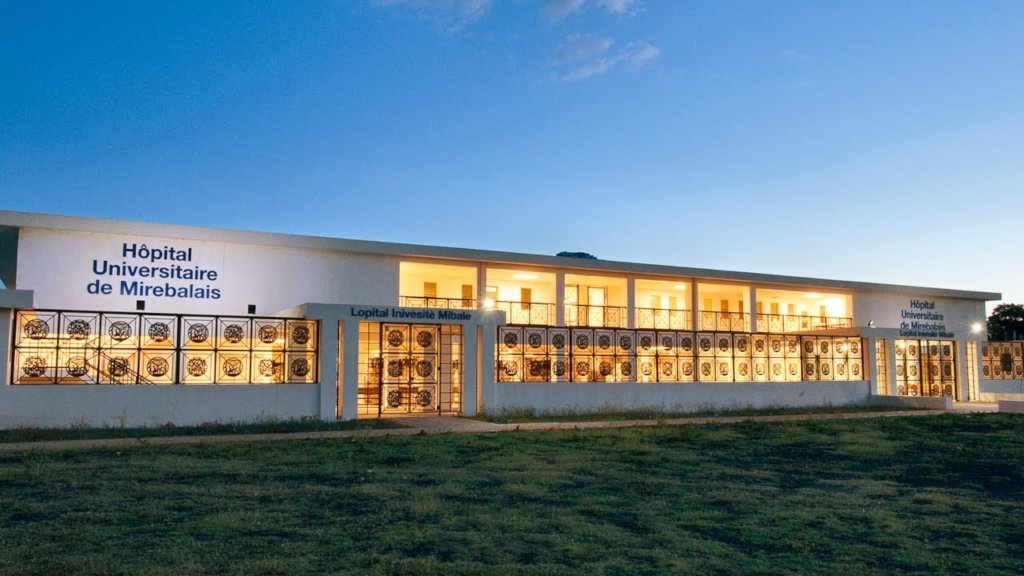
When University Hospital opened in 2013, staff frequently saw full-term pregnant women camped overnight on the cement sidewalks and courtyards. Mothers of NICU babies slept outside the ward so they could be available for regular care and feedings. There had to be a better solution—for mothers, babies, and the hospital.
Thanks to supporters like you, Kay Manmito—“mothers’ house” in Haitian Creole— was born out of that need, and inspired by the success of similar facilities in other countries where PIH works. Having maternal waiting homes near health facilities in Lesotho, for example, has increased the likelihood that expectant mothers will give birth at those facilities rather than at home, dramatically improving their chances of a safe delivery.
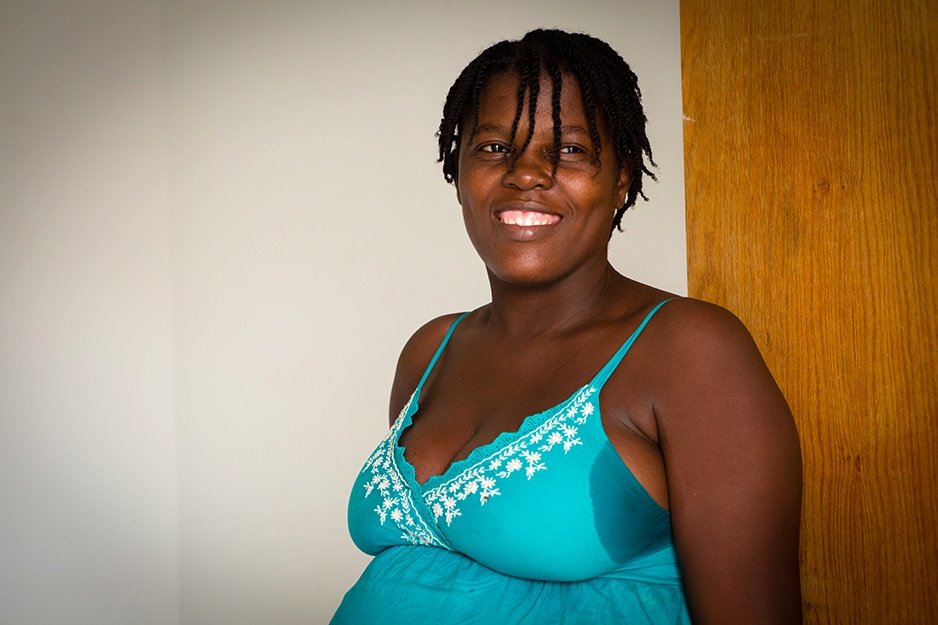
Mother-of-three Natacha began feeling unbearable pain while seven months pregnant. No matter how she shifted her body, her baby lay in an awkward position. Natacha sought care at University Hospital in September of 2017, and was seen by an OB-GYN, who confirmed that her baby boy was breech, or not head down. She also learned he was hydrocephalic, meaning his head was abnormally large from a buildup of fluid on the brain. The doctor recommended she stay nearby so that staff could monitor her risky pregnancy.
Normally, staying nearby would have been impossible for Natacha. She had no family in Mirebalais, and she definitely couldn’t afford two months of lodging as she waited for her Nov. 23 due date. Luckily, Zanmi Lasante, as PIH is known in Haiti, had a new maternal waiting home to accommodate women in situations like hers by providing free lodging at the University Hospital campus. She was admitted that same day, given a welcome kit including basic toiletries, and settled into a room she shared with two other expectant mothers.
Since opening in February 2017, Kay Manmito—“mothers’ house” in Haitian Creole—has welcomed 420 women with complicated pregnancies, along with mothers whose newborns were in the hospital’s neonatal intensive care unit (NICU). They come from all over Haiti, traveling from Cap-Haitien in the north to Léogâne and Les Cayes in the south. The facility will eventually host 44 women at a time—12 expectant mothers, 18 NICU mothers, and 14 mothers participating in kangaroo care.
“The mothers are really proud about Kay Manmito and the way we treat them,” said the maternal home’s director. “They feel like they’re part of a family.”
.
Links:
Project reports on GlobalGiving are posted directly to globalgiving.org by Project Leaders as they are completed, generally every 3-4 months. To protect the integrity of these documents, GlobalGiving does not alter them; therefore you may find some language or formatting issues.
If you donate to this project or have donated to this project, you can receive an email when this project posts a report. You can also subscribe for reports without donating.