By Maya Brownstein | Community Giving
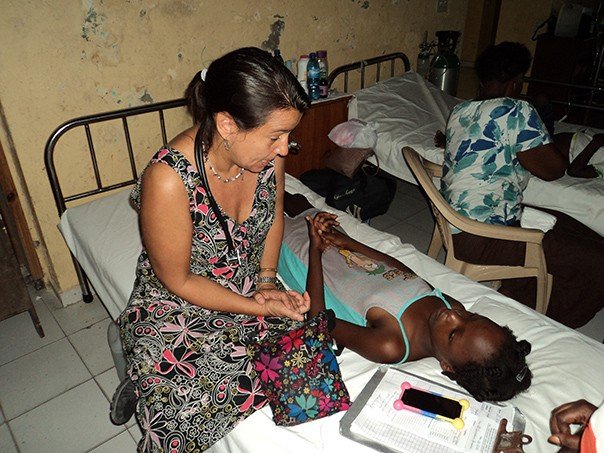
Above: PIH's chief medical officer sees patients in the pediatric ward of Hôpital Immaculée Conception in Les Cayes, Haiti, on Oct. 15, 2016.
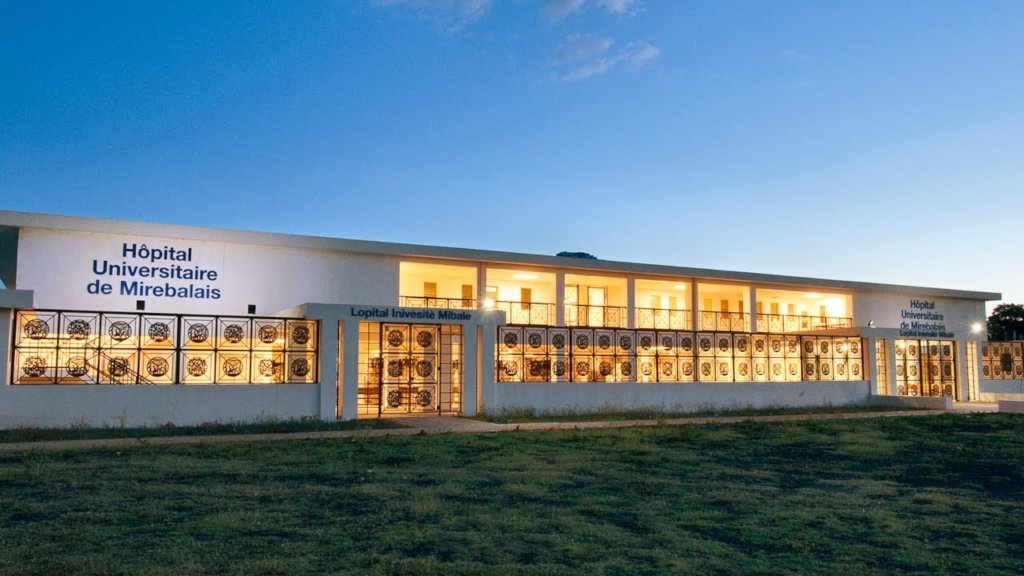
Thank you so much for supporting Partners In Health and University Hospital in Mirebalais, Haiti. This fall, Haiti was again devastated by natural disaster, when Hurricane Matthew, a Category 4 storm, hit the country's southern peninsula.
As a result of the hurricane, thousands of acres of peasant farmland were destroyed, swept away by 145 mile-per-hour winds or damaged by gallons of saltwater that fell over a 24-hour period. Statuesque banana and mango trees snapped like matchsticks. Livestock disappeared. Many houses simply gone. Others stripped of their roofs. Clothes and household goods strewn about as if they’d been caught in a tornado.
Hundreds of people are using the same small, ill-equipped buildings, such as public schools, as emergency shelters. These places have inadequate water and sanitation and could quickly turn into fertile ground for deadly diarrheal diseases such as cholera. She thinks of the destroyed crops and empty storehouses and anticipates starvation. Water pools everywhere, creating potential breeding grounds for mosquitoes carrying diseases like malaria, Dengue, and Zika. And then there are the infections, such as tetanus, that come from untreated wounds sustained from flying debris during the hurricane.
With some estimates claiming the number of displaced at 1 million people and no temporary shelter in the south, PIH's chief medical officer thinks hurricane survivors will start resettling in the north and west, toward where PIH works in the Central Plateau and Artibonite. They may bring cholera with them, adding to the burden the disease has already placed there, as flooding and fetid water are causing a spike in cases following Hurricane Matthew.
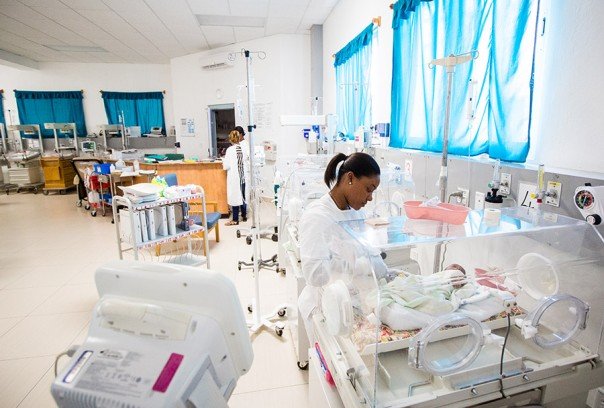
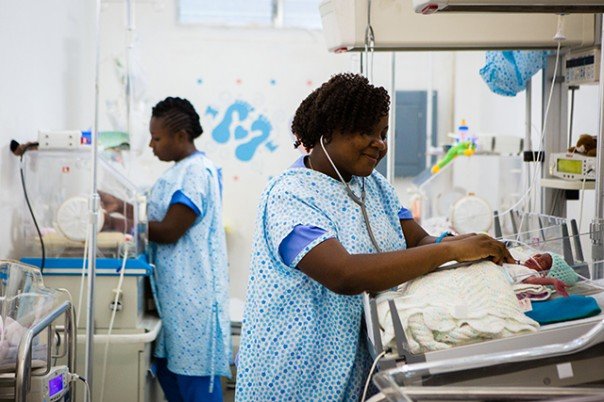
University Hospital will provide the high quality care it's known for to the influx of Haitians who need medical attention post-hurricane and who resettle towards the hospital. Your support is what makes this high quality care possible - we are incredibly grateful for your generosity.
By Maya Brownstein | Community Giving
By Maya Brownstein | Annual Giving Assistant
Project reports on GlobalGiving are posted directly to globalgiving.org by Project Leaders as they are completed, generally every 3-4 months. To protect the integrity of these documents, GlobalGiving does not alter them; therefore you may find some language or formatting issues.
If you donate to this project or have donated to this project, you can receive an email when this project posts a report. You can also subscribe for reports without donating.