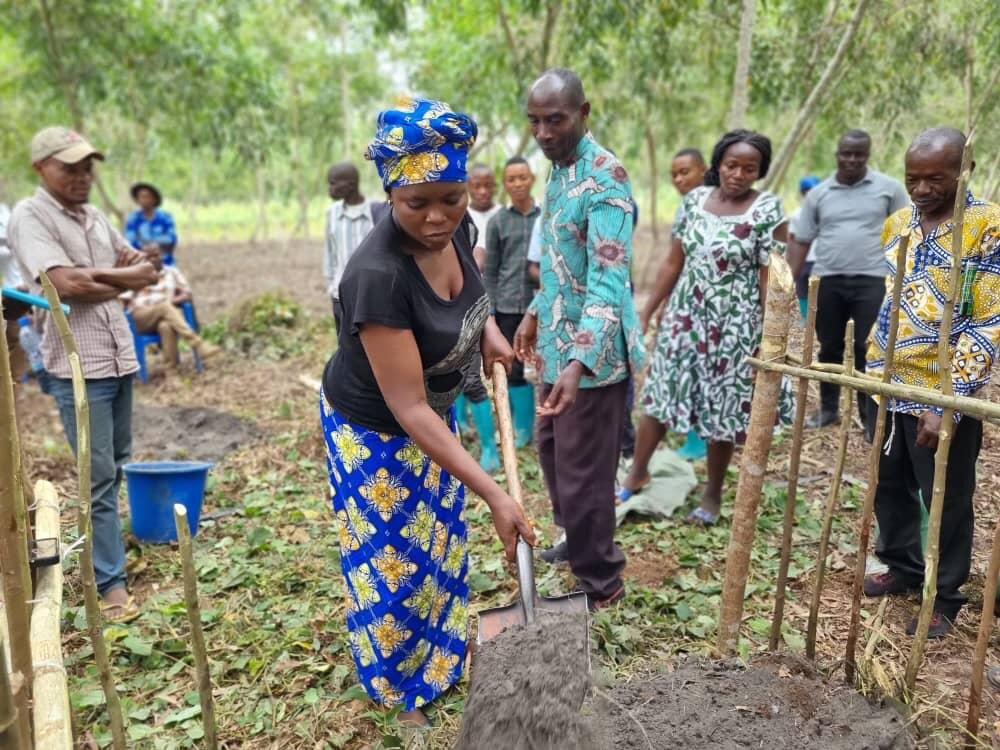
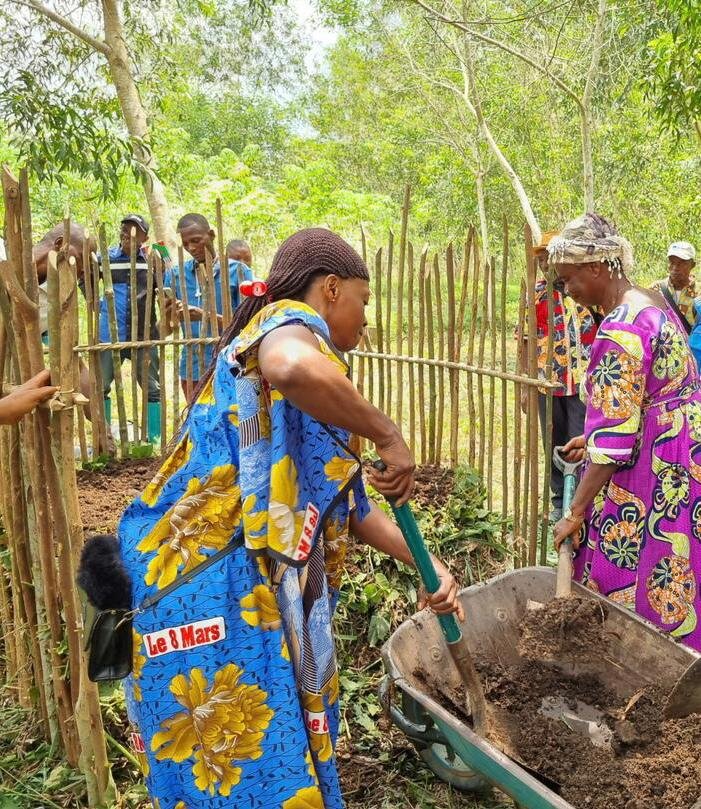
A big group has gathered to learn how to make compost to increase nutrition and food security in Yangambi. The mood is good, and everyone is paying close attention. This is a deep dive into compost for a community that previously relied on fertile forest soil that has now become depleted.
"Now we know how to produce very good compost to make the soil good for our plants," says Mama Béatrice, a second class chief from Lomboto. "What I like is that I can do this with things that are around me, like leaves and droppings from my pigsty and poultry, without incurring any financial costs."
The aim of the awareness-raising session is to improve harvests of locally important crops like cassava, banana, rice, corn and beans. The project team and farmers are looking at methods to test innovative methods that fit the typology of their soil. Making high-quality compost to improve soil fertility and health is one of them.
In hands on sessions that use a "learning by doing" approach, facilitators help farmers to understand the role and importance of compost in agriculture, the types and techniques of composting that can be used depending on the farming season, and how to use local ingredients that are available and accessible to all to produce their own compost.
The farmers, most of them women, gain practical experience in assembling and using the ingredients or raw materials needed to produce good quality compost as well as the quantity and structuring of each ingredient for better results.
These ingredients include:
- green and dry leaves of trees and other vegetation, including grass of the Poaceae family, which contains mineral elements that help to produce organic nitrogen;
- the droppings of domestic animals like pigs, chickens, goats, and sheep that are a source of microorganisms that promote rapid decomposition;
- already fertilized potting soil or verdol that balances the PH of the soil and regulates water evaporation;
- ash or biochar (charcoal dust), which elevates the potassium and carbon content of the soil;
- and water, which facilitates decomposition and regulates the temperature of the decomposing organic matter.
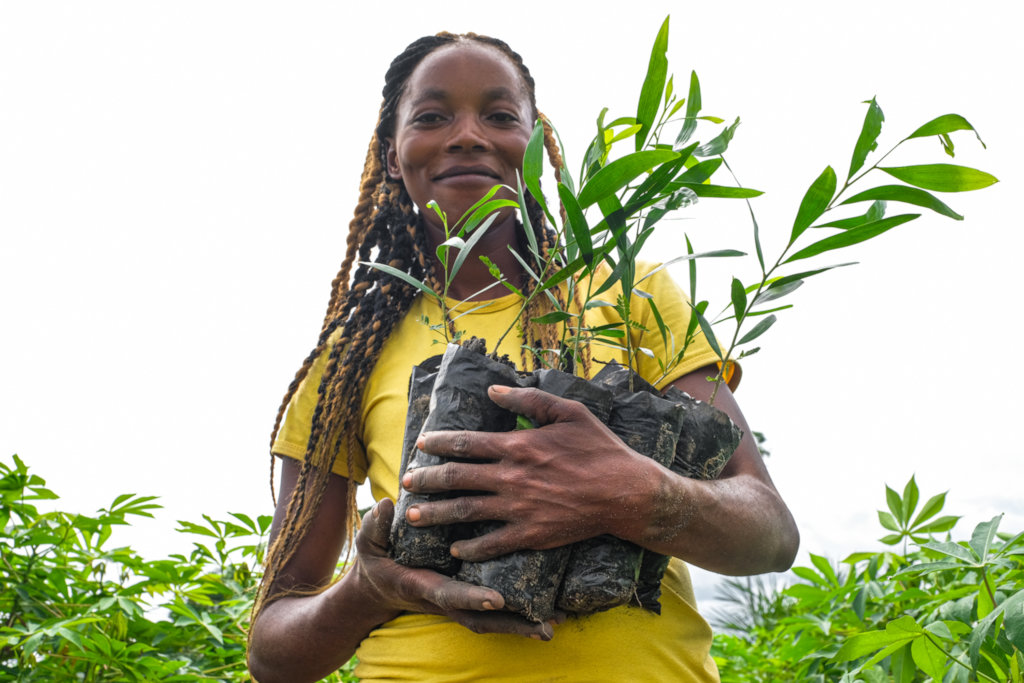
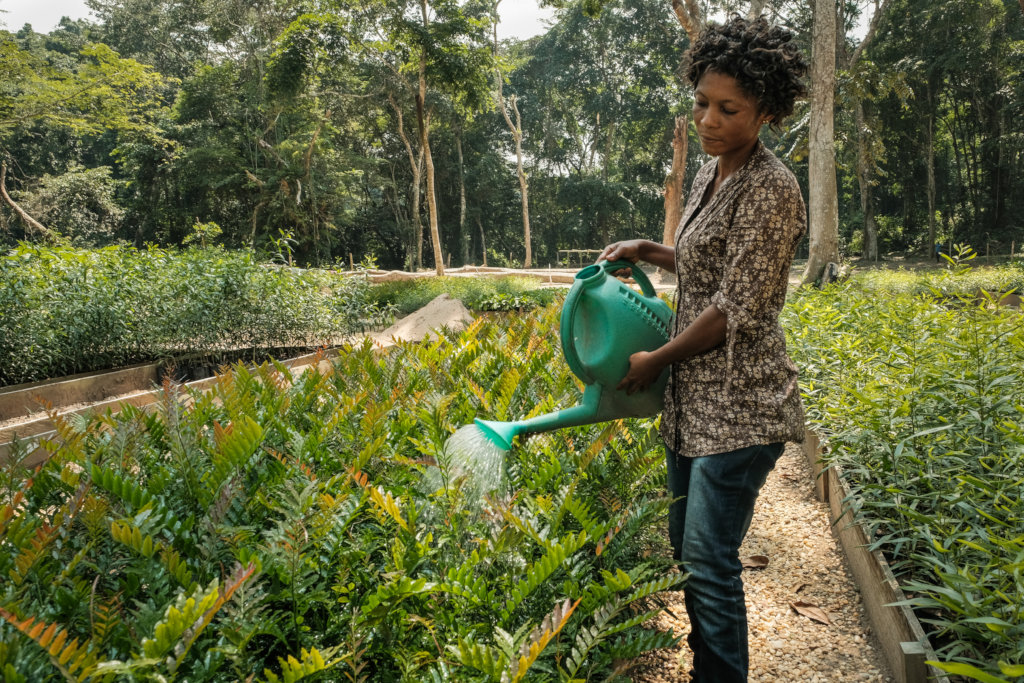
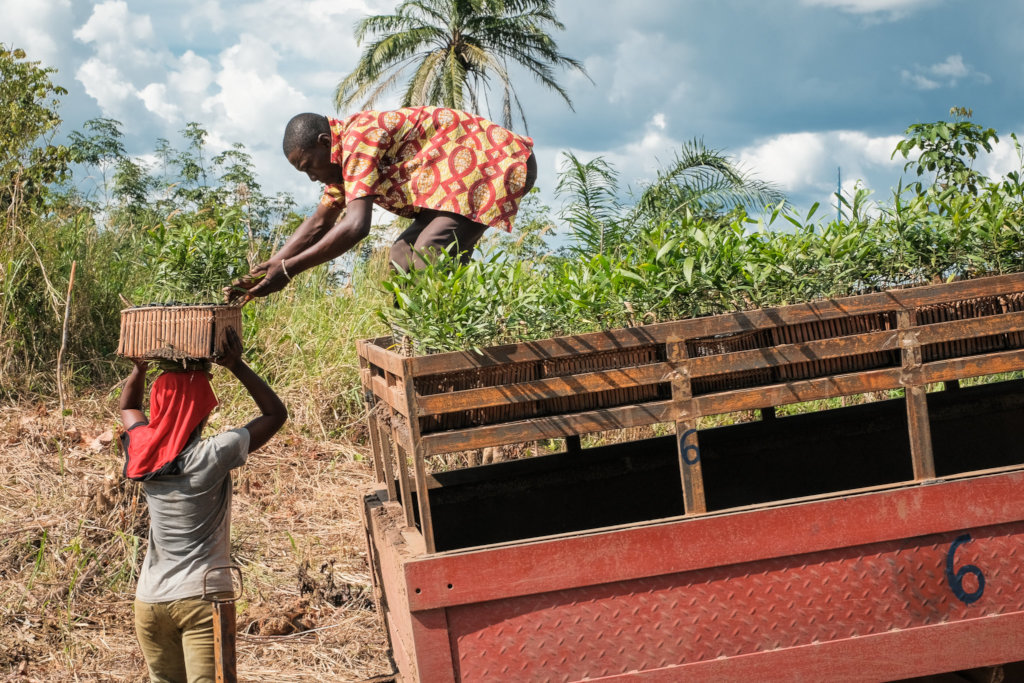
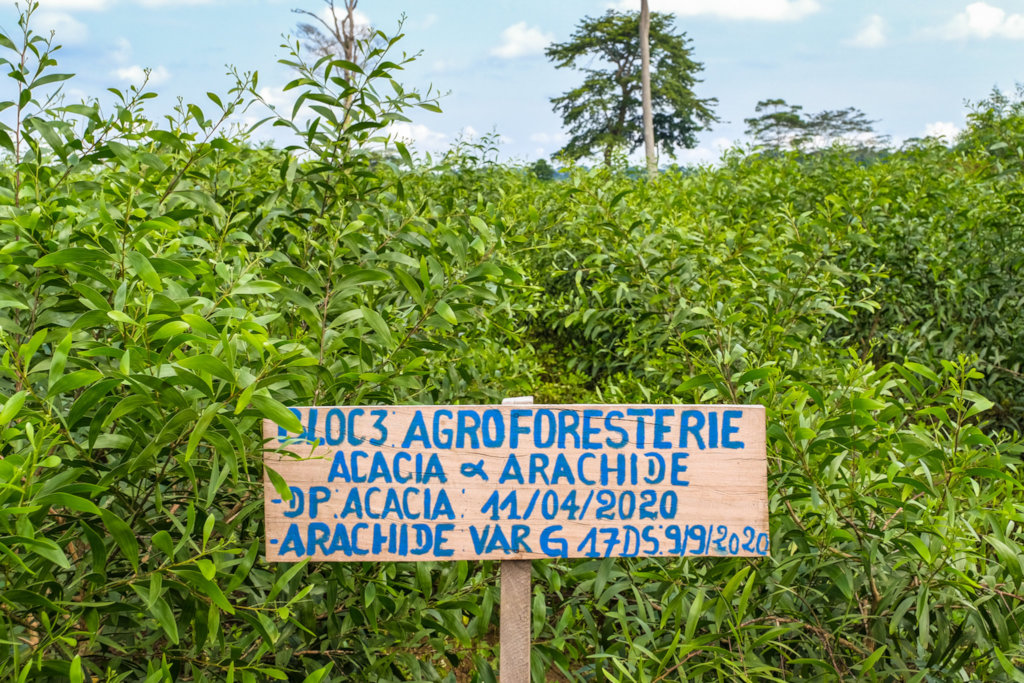
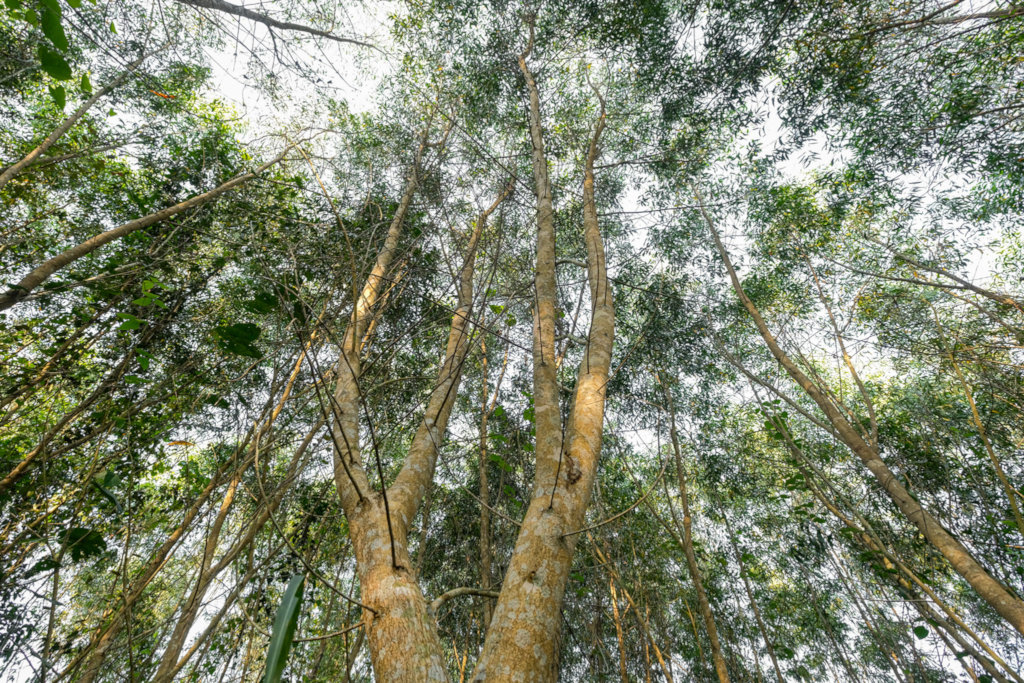
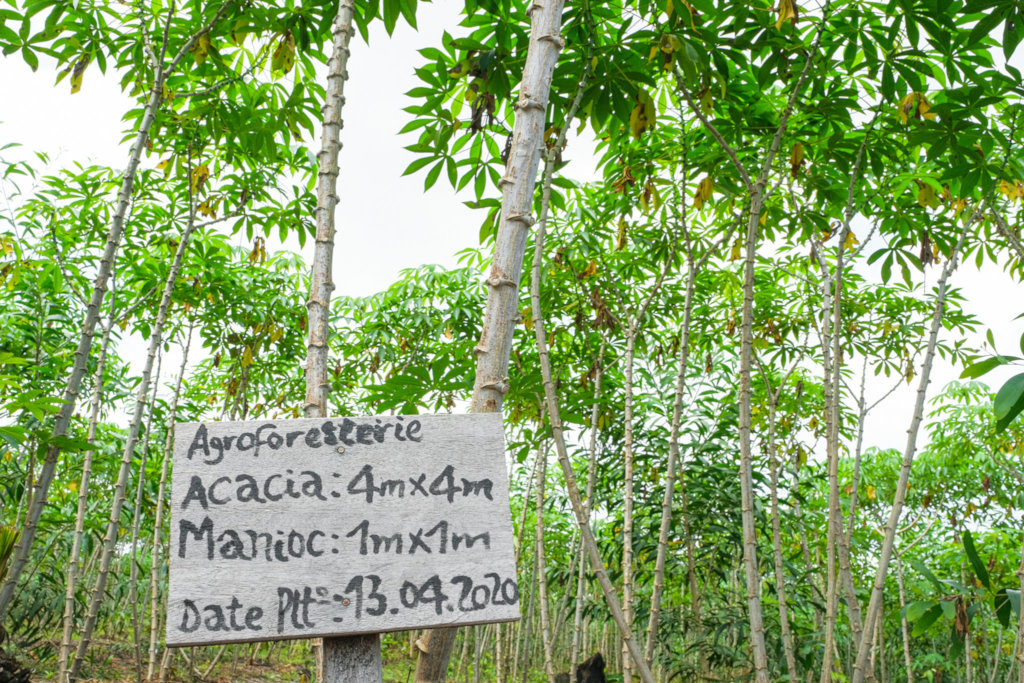
All these mixed together will make a compost that can boost soil health and promote the growth not only of food crops but also of the trees that are being planted under the project in agroforestry systems (trees on farms) and also for wood energy.
Mama Béatrice is delighted: "At home in Lomboto, we mostly just planted without fertilizing the soil. For our vegetable gardens, we used compost from our garbage, without knowing what it really contained in terms of mineral elements. Even when we plant trees around our homes, they do not grow so well. We did not know that it was possible for us to make our own compost like this."
As a chief, she will be spreading these new learnings.
Thank you very much for your donations. We really appreciate them. They are an invaulable top up to what we receive from our long-term financial and technical partners.
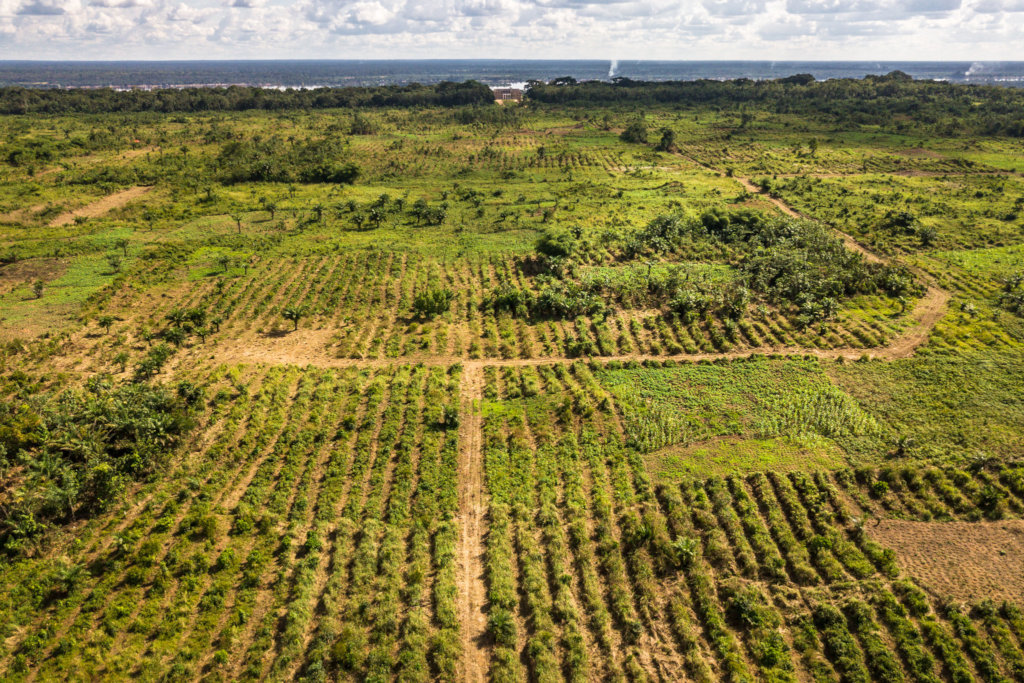
Slowly but surely, farmers in the Yangambi landscape are now better able to produce and use, with the raw materials available to them, compost for sustainable tree growth and the fertility of their farm soils for bigger and better harvests that will improve community diets and generate sustainable income for them and their families. Thank you so much.