By Dr. Ang Sody | Project Coordinator
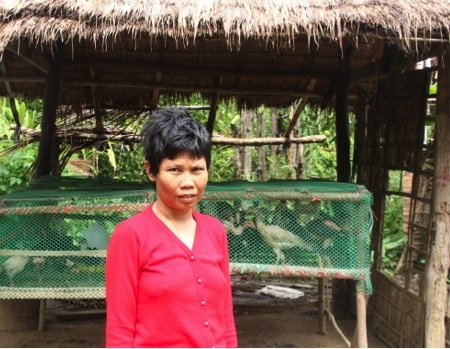
Ream Touch is a 35 years old female living in Kampong Chhnang Mui, Bovel community, Bovel District, Battambang Province. She is the fourth child of her family of five, has two children and lives with her siblings and parents.
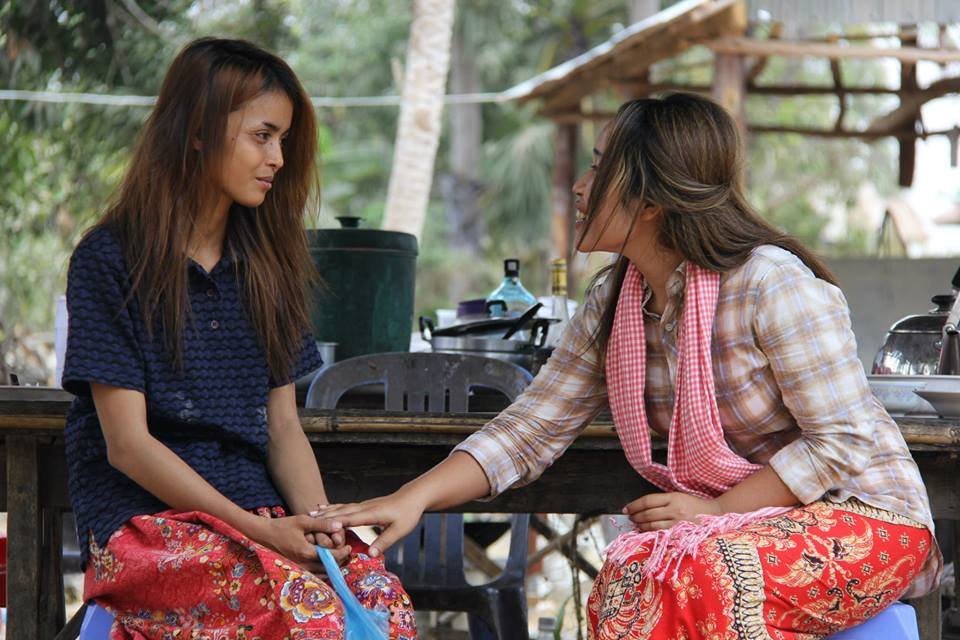
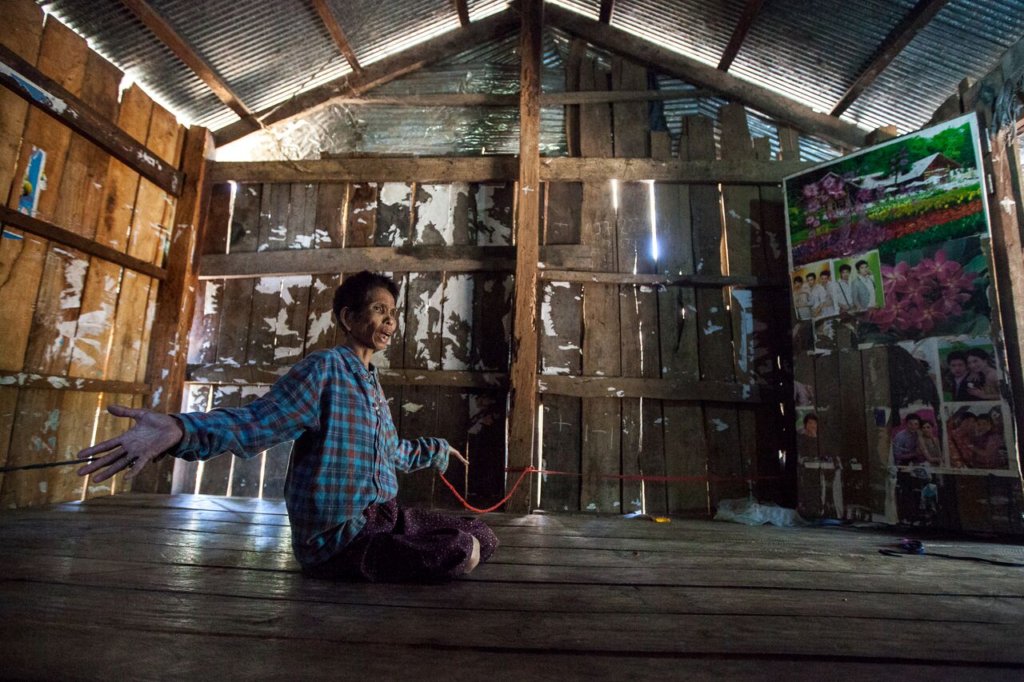
“My husband calls me everyday,” Ream Touch whispered quietly to those around her, with her eyes to the ground as she sat on the hammock in her bright red sweater. Touch’s husband had been dead for twelve years, from a traffic accident in Phnom Penh, but Touch continues to hear his phone calls. Their marriage had never been a happy one, and after her husband made his move into the capital, he had remarried, and completely lost touch with Ream Touch in the rural countryside in Bovel. Despite her husband’s absence, Touch was able to live a peaceful life with her family. That was until one day, her husband’s cousin invited her to his hometown in Tmor Kol district. There was to be a funeral, and she was asked to join in the ceremonial practices, but was not told for whom it was for until she arrived When the words “it’s for your husband, he died,” were spoken, Touch fought to accept it as the truth and began to form a world of her own, where her husband was still alive. No one could convince her otherwise, and those who tried would be rejected. “There is no way, absolutely no way that he could be dead. He is still in Phnom Penh, why would he be dead?” Touch persisted.
The reality of his death could no longer be avoided, and became so overwhelming for Touch, she found herself to be in extreme shock and psychological distress. Only two days after her return home, Touch’s family began to see her behavior and mental stability shift. She began with quietly whispering and laughing to herself and progressed into having insomnia and mood swings. The scene of the funeral, the news of the death and visions of how he had died constantly replayed in Touch’s head, causing her to be constantly fearful and anxious. Soon her whispers turned into screams and she could no longer recognize her family members. Eventually, Touch became increasingly aggressive and irritable, she walked through the neighborhood, yelling and throwing rocks at anyone who would approach her. Her family struggled to restrain her, for they too were victims of her hostility and acts of violence. She also continued to neglect her physical needs, screaming to herself during the nights and refused to eat anything that was given to her -- suspicious that the food had been poisoned during the day. Her family struggled to understand the reason for her sickness, what she was suffering from, and how to help. The longer that Touch was left untreated, the worse her conditions became, and the more desperate her parents became.
Touch’s mother sought help from the Khmer traditional healers, who performed ceremonies but to no avail-her daughter was still as sick as ever. Scrambling to find a cure, Touch’s family went to the nearby health center. The prescribed medications did calm Touch down, but every administration of the pills either required a group of people to hold her down and force it into her system, or sneaking it into her food. The daily struggle and use of force on Touch to cooperate gradually diminished her family’s faith in the treatment, to which Touch’s mother returned to the traditional healer, in hopes that one will eventually be the antidote to her daughter’s sickness . When no sign of improvement was seen and Touch’ could no longer be tricked or held down to take the medications, Touch’s mother and family began to lose hope that their daughter and sister would ever be cured After six years, the pills were no longer forced down her throat, the ceremonies were no longer performed, and Touch’s condition continued to deteriorate.
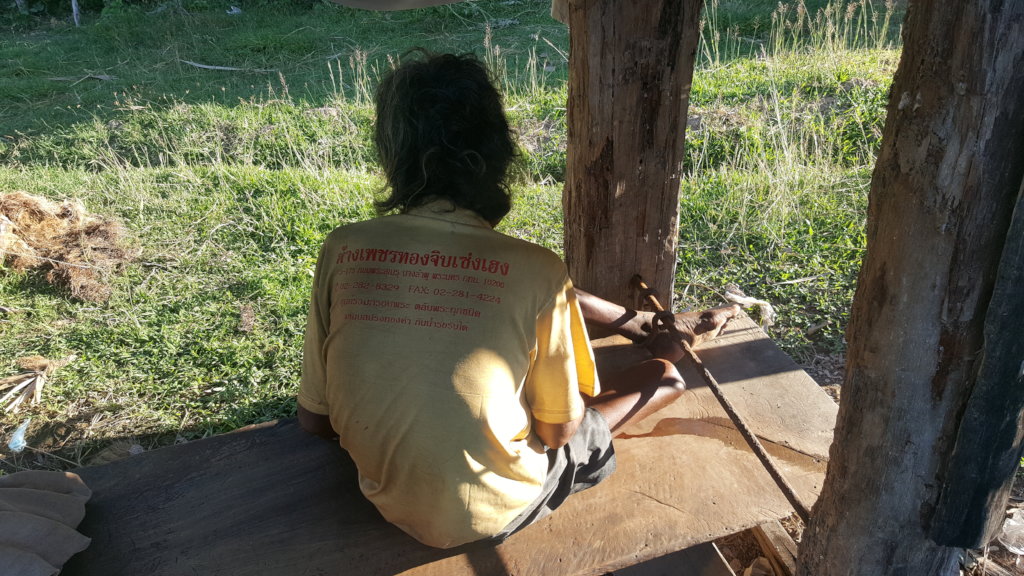
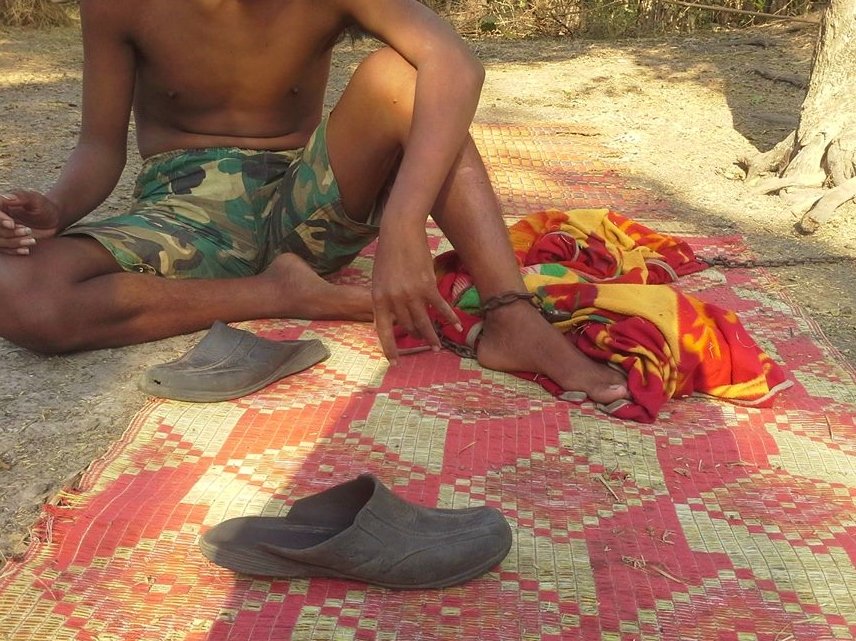
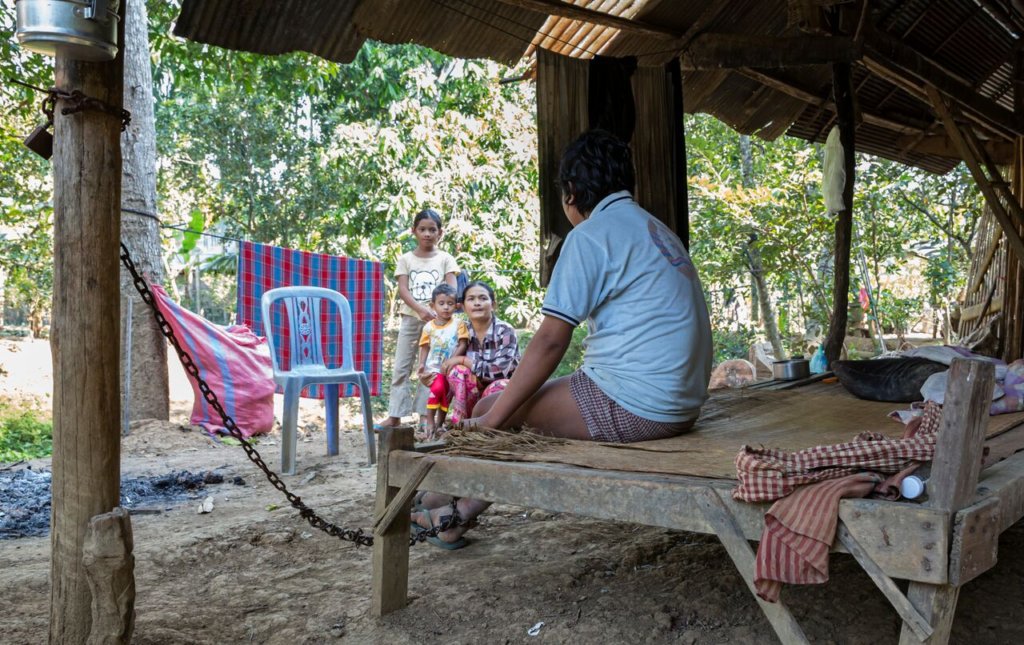
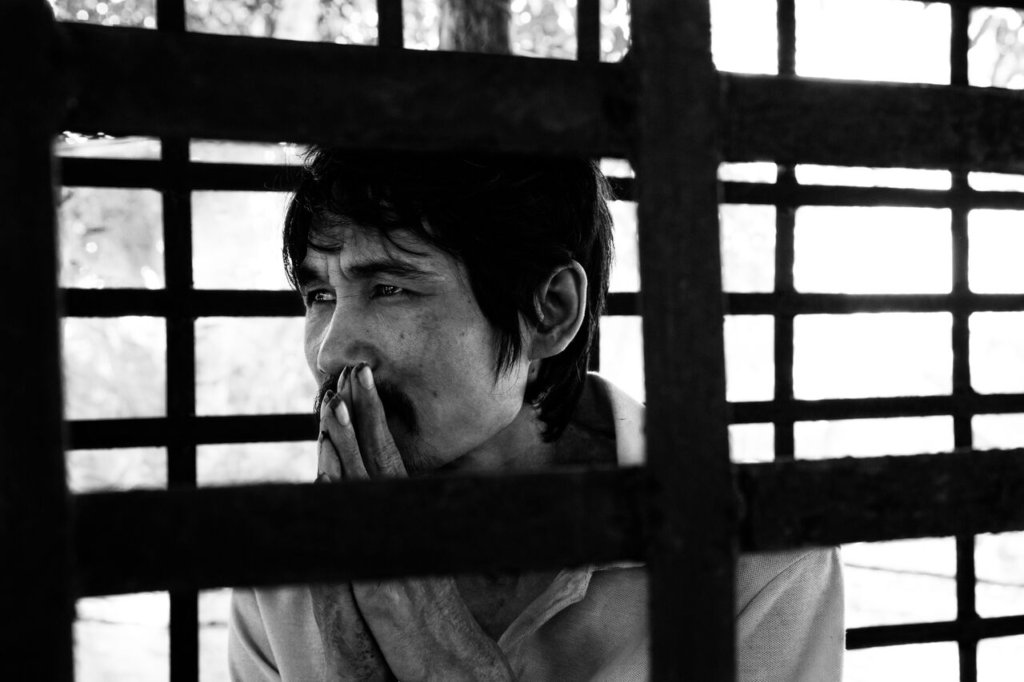
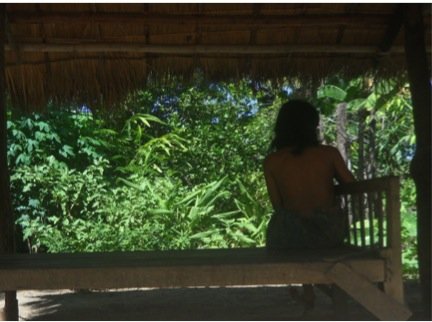
Without any form of medication or relief, Touch’s aggression and constant screaming only grew and began to scare her family and neighbors. They worried for their own safety, but were also fearful for hers, afraid that others would try to harm her. After giving up on the ineffective treatments, her parents decided that chaining their daughter would be the best option to protect her, their other children, and the community members in the surrounding areas. For five years, Touch spent her life under a hut, with a chain to her foot and continued to suffer from the psychological symptoms. Her parents continued to take care of her to the best of their abilities, but faced many challenges, as they had to constantly monitor her, feed and bath her, while also ensuring her safety as well as their own.
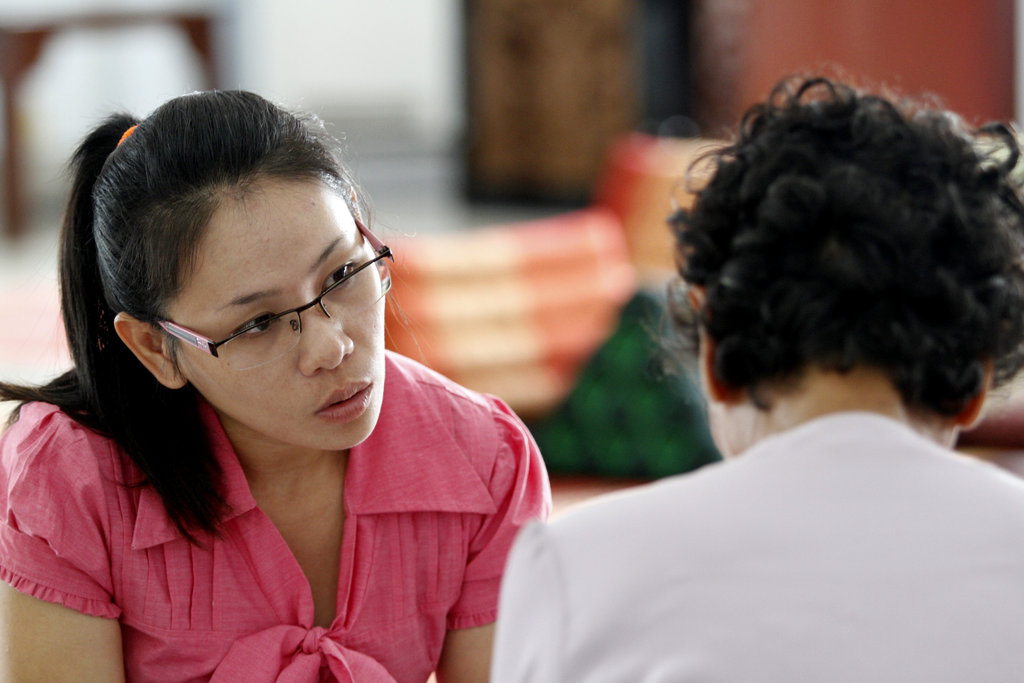
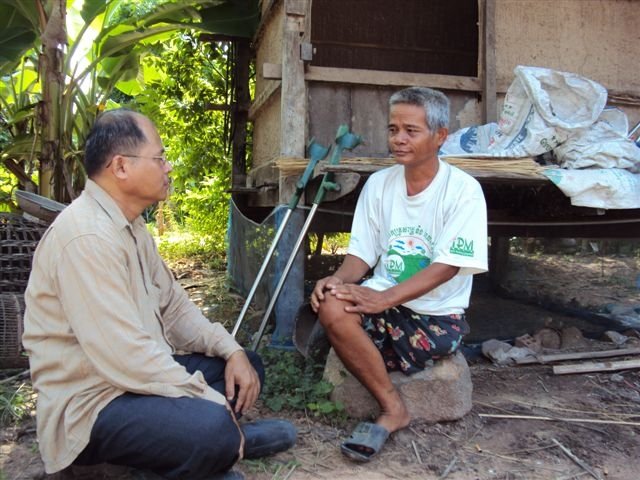
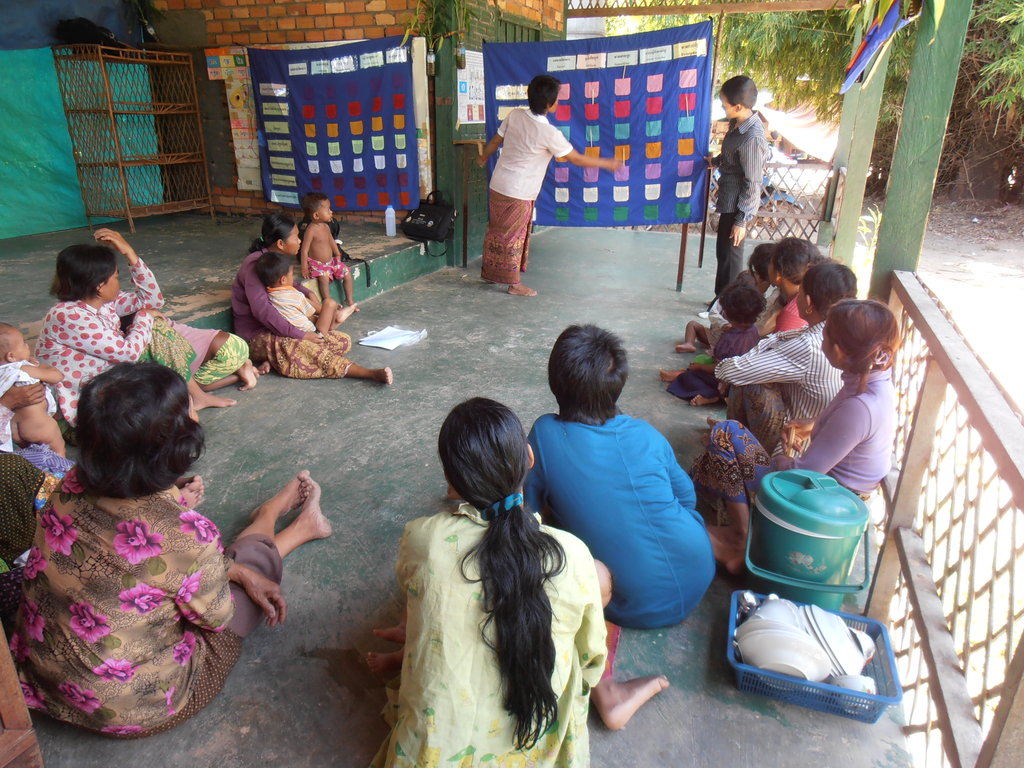
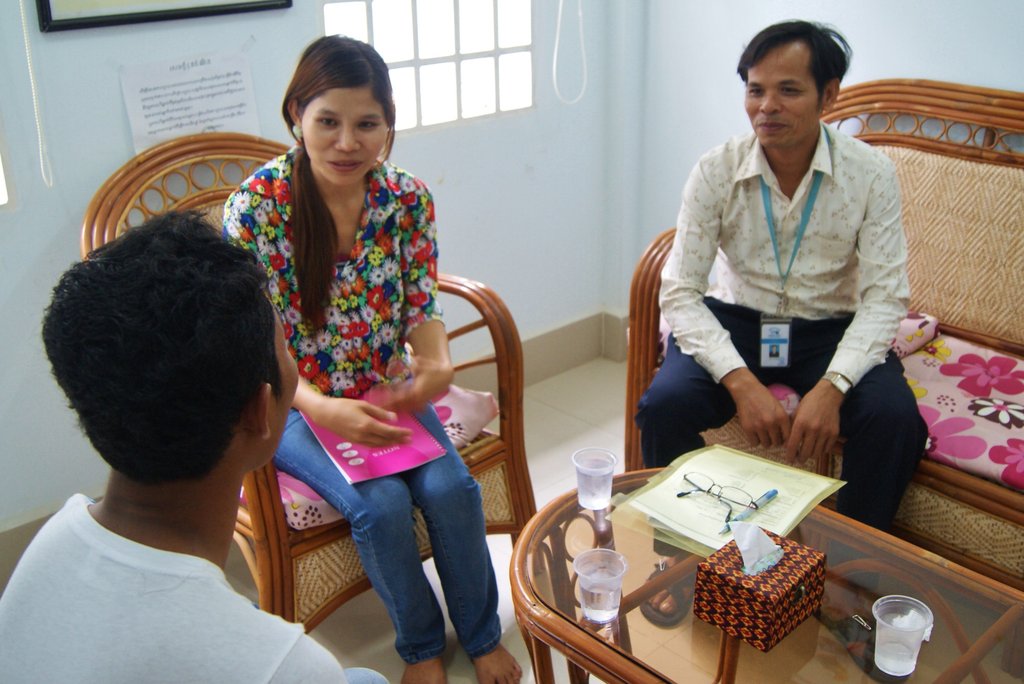
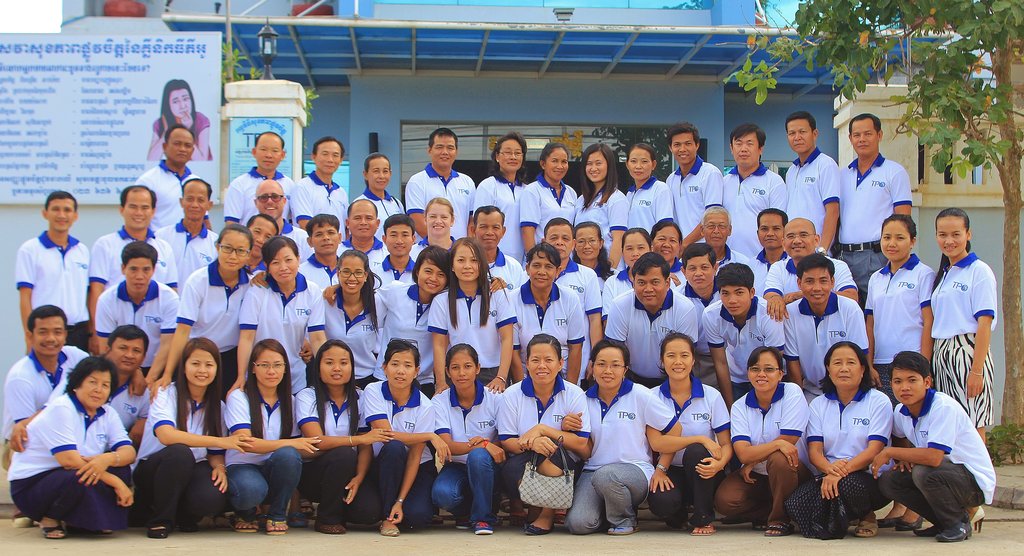
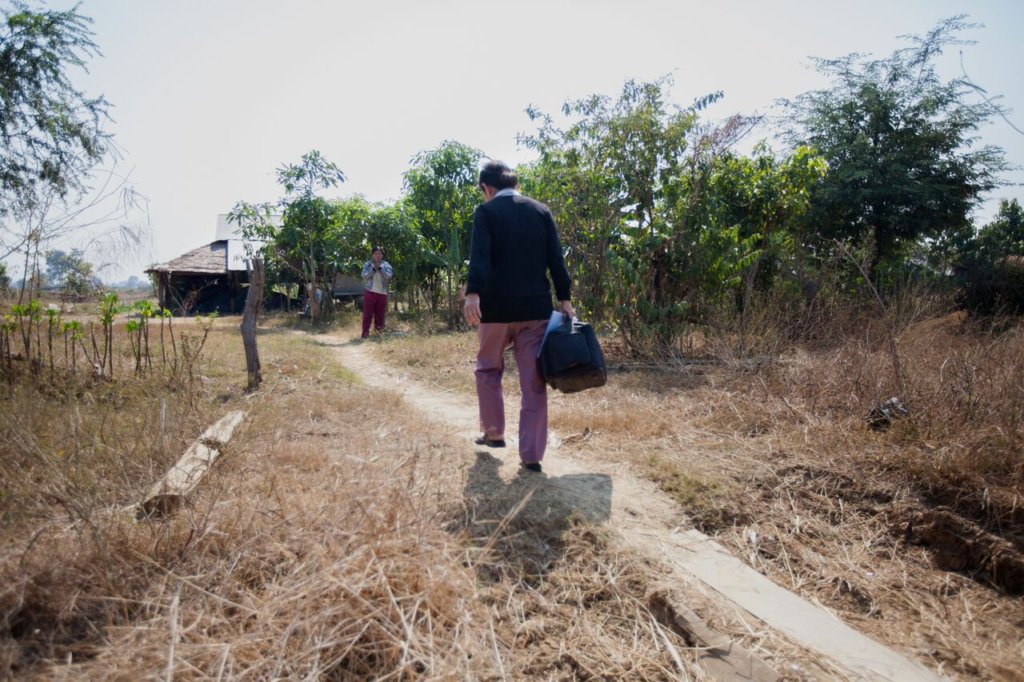
As the days passed by, their family continued to struggle to care for their daughter while carrying out their daily lives until a member of the community, who has trained with Transcultural Psychosocial Organization (TPO) as a Community Resourced Person (CRP) saw the conditions that Touch was in. As a CRP, he was trained to recognize her symptoms, realized she needed a more thorough mental health assessment and thereafter contacted TPO’s team in Battambang province. After the referral was made, the director and doctors of Operation Unchain’s Mobile Clinic Team were able to properly assess Touch, composed a treatment plan, supplied her with the appropriate medications, and provided her family and community psycho-education.
Within the first three months of treatment, Touch’s family’s confidence in TPO’s interventions grew as she began to show signs of recovery; she was sleeping, eating the food given to her, and spent her days and nights without screaming at anyone. After seeing such a positive progression, the attitudes of her family and neighbors began to also change. In April, four months after coming into contact with TPO, her family decided to unchain Touch. Her family spoke enthusiastically of her release and her abilities to now recognize her children, grandchildren and relatives, clearly relieved to have their daughter back into their lives. It has been eleven months since Touch received treatment from TPO, and her abilities to perform daily tasks continues to grow. She is learning to help with household chores, enjoys making rice and taking small walks around her house. The progress that she has made in her recovery thus far have brought joy to all those around her, especially her mother who expressed, “I am incredibly happy, I feel so relieved and grateful that my daughter has recovered up to this point, it really is as if she was born again.”
You can find her photos in attached file.
Thank you very much for all of your support and contribution to bring mental health care to Cambodian people.
Project reports on GlobalGiving are posted directly to globalgiving.org by Project Leaders as they are completed, generally every 3-4 months. To protect the integrity of these documents, GlobalGiving does not alter them; therefore you may find some language or formatting issues.
If you donate to this project or have donated to this project, you can receive an email when this project posts a report. You can also subscribe for reports without donating.