By Sia Towo | Project Leader
Last year, we had an opportunity to deepen our understanding of the work Femme International does and to move toward social inclusion by working closely and passionately with women and girls with disabilities. We began by listening to the community, women and girls themselves and identifying how much the gap exists and what needs they have that we could work together to address as equals and not as experts, because they are the only people who know better what will or will not work for them.
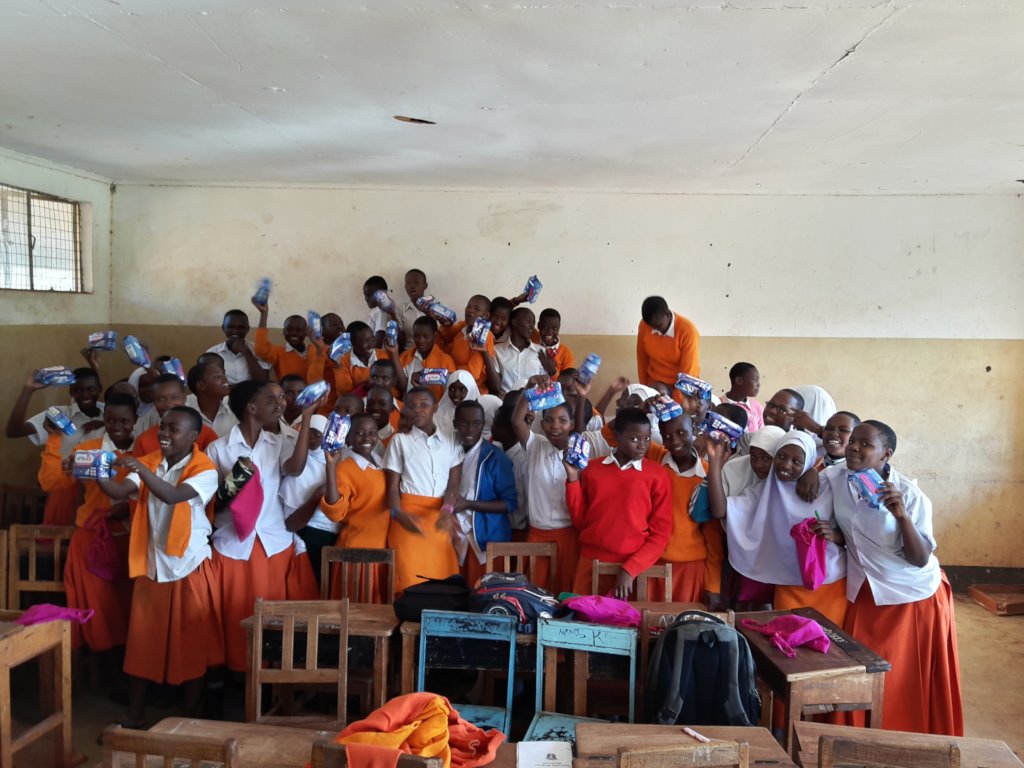
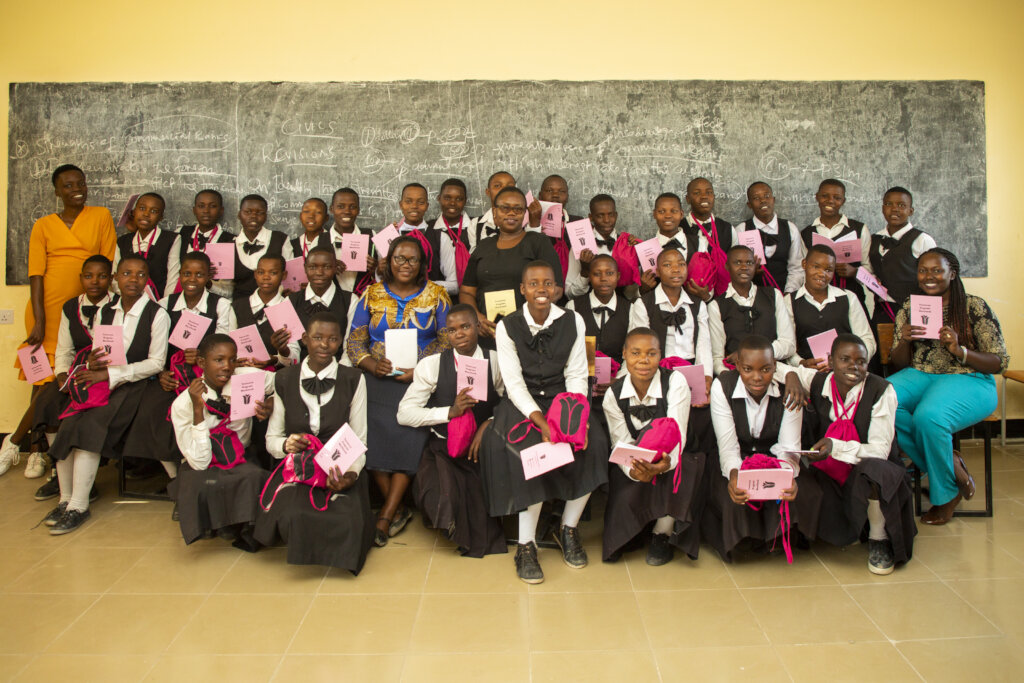
The needs assessment identified the gap in knowledge on menstrual health, stigma/shame, and accessibility of menstrual products, and barriers to managing menstrual products. We successfully had a chance to have a collective conversation and discuss how we can address the root cause of these challenges, and we came to an understanding that the biggest challenge here is KNOWLEDGE. As the old saying goes, 'knowledge is power,' we decided to take the same path of emphasising that particular statement to make it a living reality by delivering the workshop on MHM to local leaders, school administrations, caregivers, parents and students. It did not end with only knowledge on puberty, anatomy, and other comprehensive topics; we also had an opportunity to share knowledge on how to use and manage the reusable products we provided at the end of the workshop.
Now, the countdown is over, and a year has passed since we addressed the knowledge gap and menstrual products accessibility, mainly at Meru, Uhuru, Kaloleni, and Makumbusho Primary Schools, which participated in the study. Here is how the situation looks after a year has passed for the four schools that participated in the study and again participated in the baseline survey in June this year.
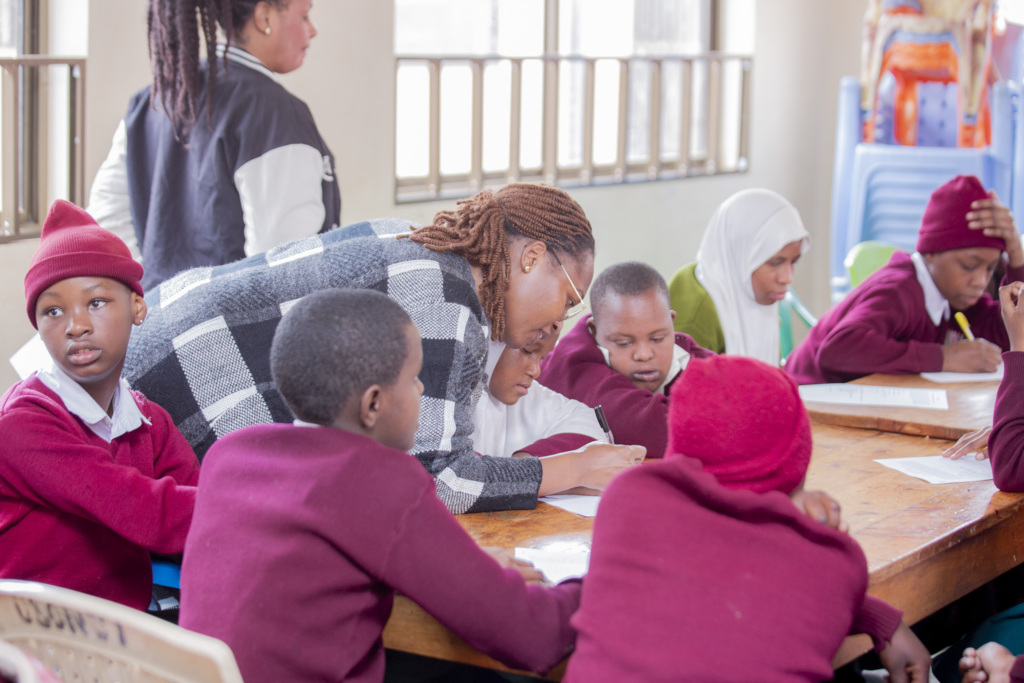
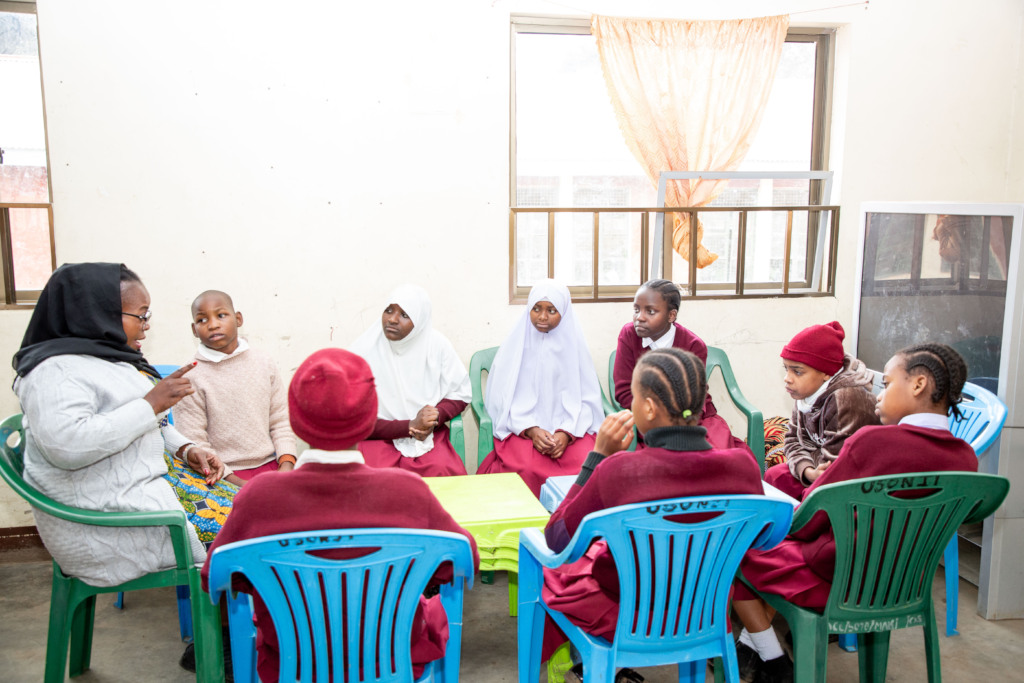
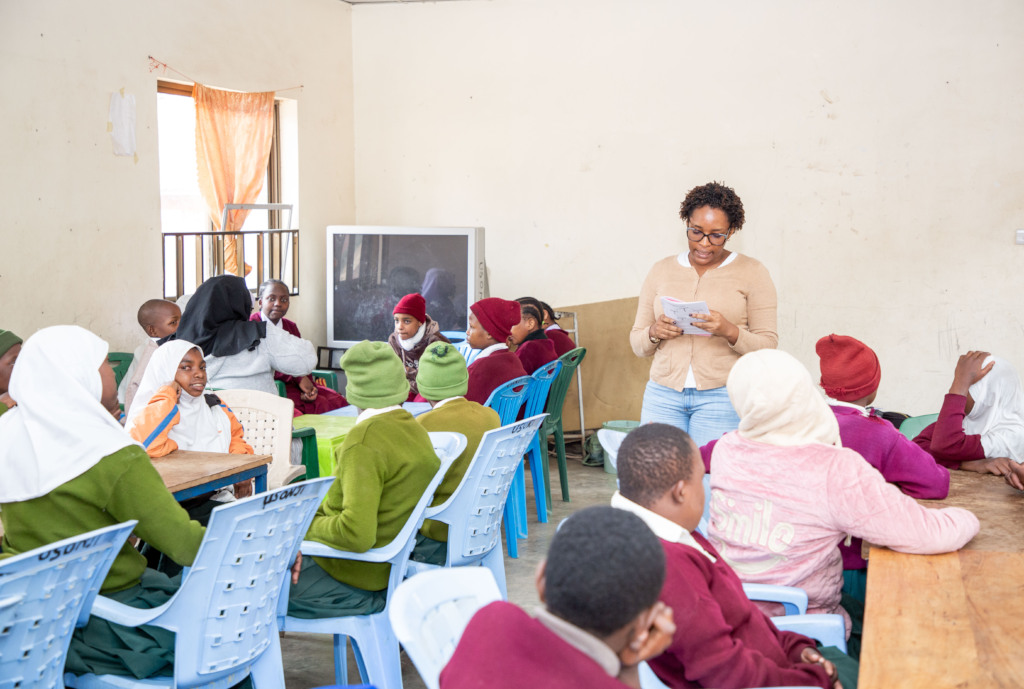
We conducted a session with 40 participants to assess product use, reinforce learning, and gather feedback. Participants completed monitoring questionnaires with support where needed, followed by a refresher session. Participants demonstrated retention of key knowledge and were able to describe correct product use, with facilitators addressing minor misconceptions.
In many ways, the topic of menstruation is firmly believed to be a conversation that only needs to be between women to women only, and again, but with the implementation of the project and men's involvement, that is a game changer. The survey revealed great improvements in confidence and understanding, with participants becoming more comfortable discussing menstruation and managing their cycles. Teachers reported increased ability to support students in inclusive classroom settings. The project highlighted how accessible education and culturally sensitive facilitation can reduce stigma and improve participation among girls with disabilities.
There is a lot, as an organisation and the global movement, we still need to learn from, emphasising inclusion as part of awakening the better world for all that we keep preaching about. We already know "it's not rocket science, it's period", so why leave other people behind by neglecting their opinions, thoughts, contributions, participation and rights in general.
Project reports on GlobalGiving are posted directly to globalgiving.org by Project Leaders as they are completed, generally every 3-4 months. To protect the integrity of these documents, GlobalGiving does not alter them; therefore you may find some language or formatting issues.
If you donate to this project or have donated to this project, you can receive an email when this project posts a report. You can also subscribe for reports without donating.



Support this important cause by creating a personalized fundraising page.
Start a Fundraiser