Matsés Women’s AssociationThe aquaculture project was operationally paired in the formation of the first Matsés Women’s Association, which, along with other critically important governance, empowerment and economic functions, are in charge of the long-term maintenance of the fish farms. Many young Matsés mothers joined this association because they are concerned about future food security and the availability of protein for their children. They are committed to create economic opportunities for their families that don’t involve work in the dangerous, back-breaking, and poorly-paid timber cutting industry or where men have to be away from their communities for prolonged periods of time.
Women are underrepresented in Matsés tribal leadership in general and women’s issues are too often de-emphasized during meetings. There was considerable excitement among the Matsés women for the creation of this association. Reservations were initially expressed by some women on the effectiveness of this association. In the past, various NGOs and agencies had received international funding to set-up women’s empowerment projects and workshops. The projects never materialized and the workshops turned out to be effectively one off photo-ops where one or two Matsés women traveled to the cities of Lima or Iquitos for a day. In one workshop held in Lima, translation services were not provided even though the selected Matsés woman representative was not a primary Spanish speaker. Fortunately, initial doubts changed to enthusiasm as the practical nature of the Matsés Women’s Association became apparent, the role of Matsés women in leading it and shaping its direction, and the role of the association in coordinating the
sustainable economy program.
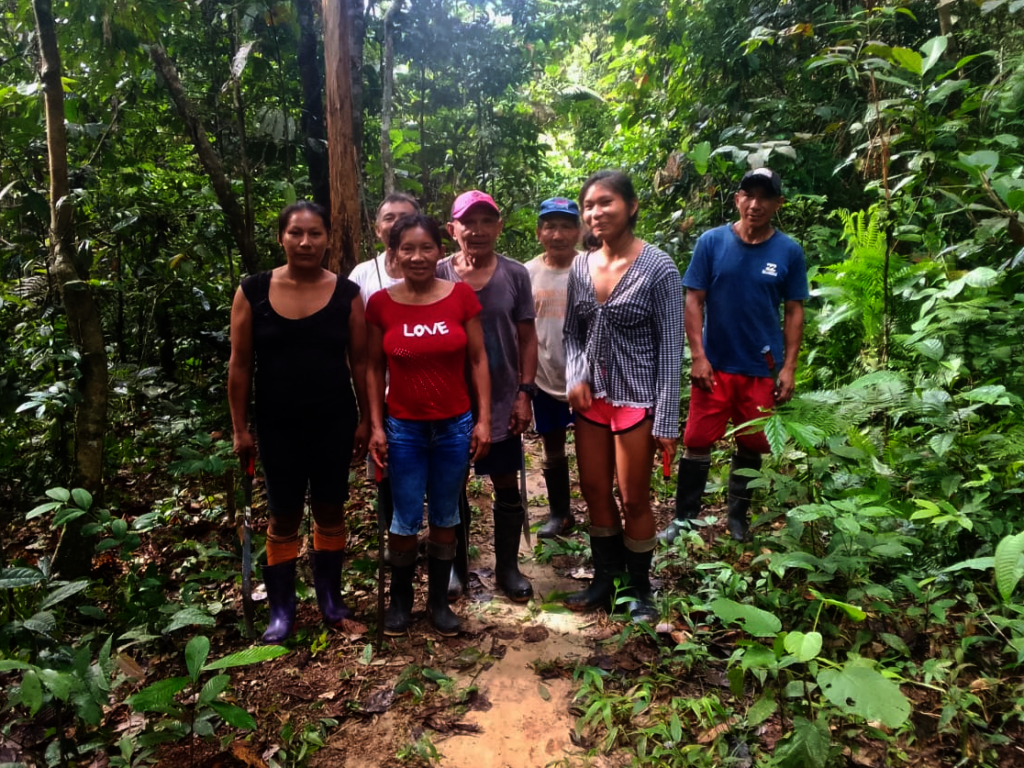
The approach was not to create an organization top down with one governing board for the entire Matsés population, but to establish, one at a time, chapters in each village. The women’s association’s role in the Matsés community was then codified in the native community governance and the CCNN Matsés now has chapters of the Women’s Association in all nineteen villages. These chapters are led by a president and a three-member board selected in an election in each village and approved by the general assembly of the village. The Matsés Women’s Association began participation in our sustainable economic programs.
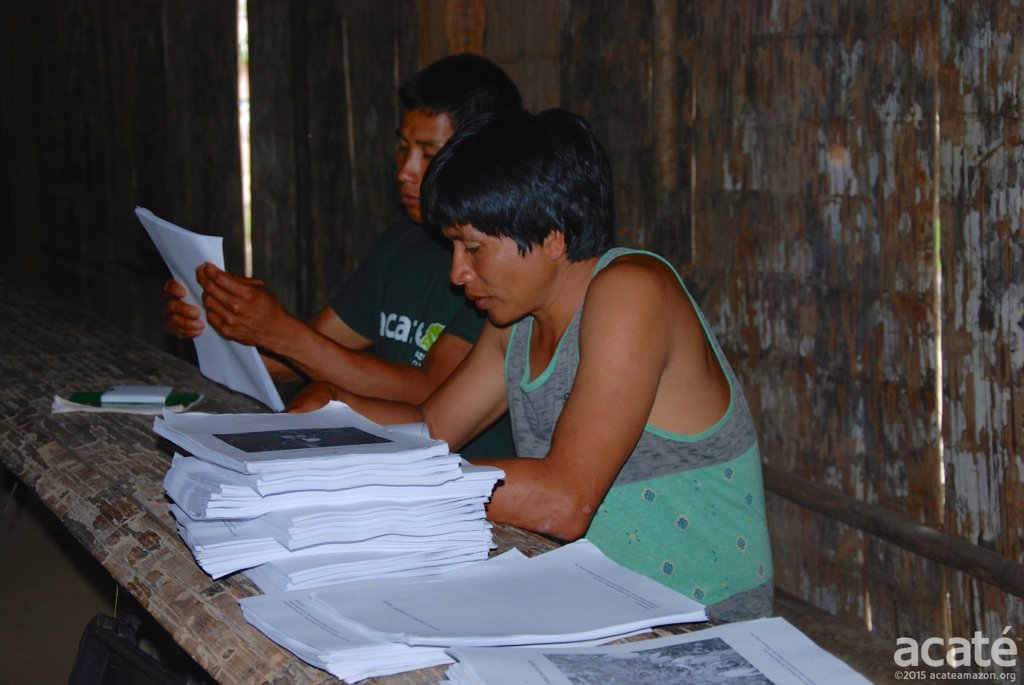
The formation of a Matsés Women’s Association has allowed Acaté to work directly with the women’s association to manage the traditional crafts project. They equitably distribute the sales to their membership and deliver quality-controlled items to our staff. In addition, the sustainable economy program has already yielded a significant order generating income for the membership.
The Matsés Women’s Association has amplified the voice of women in the community. With each village having its own Women’s Association the women can be better organized and form a consensus among their membership with regards to issues of community life.
Due to the increased organization of the village level, we are now seeing more women who are delegates to the general assembly (the maximum authority a native community where legally binding decisions are made). In the last assembly meeting in July the new leadership of the Women’s associations and the local chapters were all recognized, and it was agreed that the role and representation of women should be increased. For example, all the Matsés agree that it is a good idea for women to train as traditional healers with the remaining elder healers. Women now take at least half of the places in the traditional medicine courses and hopefully seek training to become health promoters for their community!
Medicinal AgroforestryIn addition to the new aquaculture systems, we incorporated medicinal agroforestry plantings or “
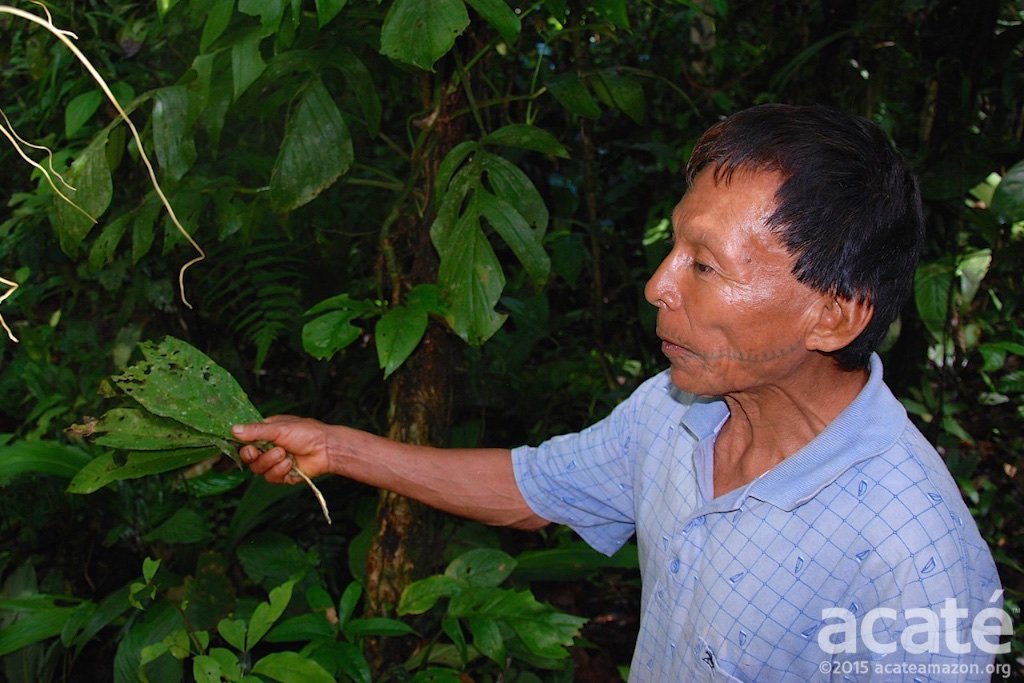
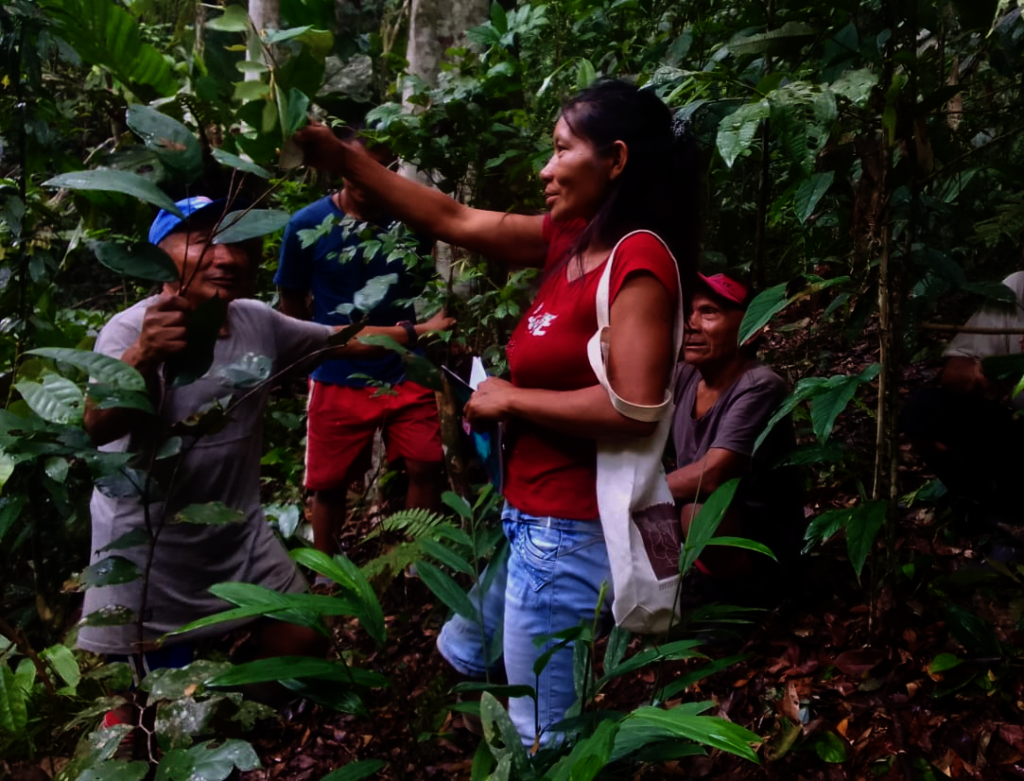
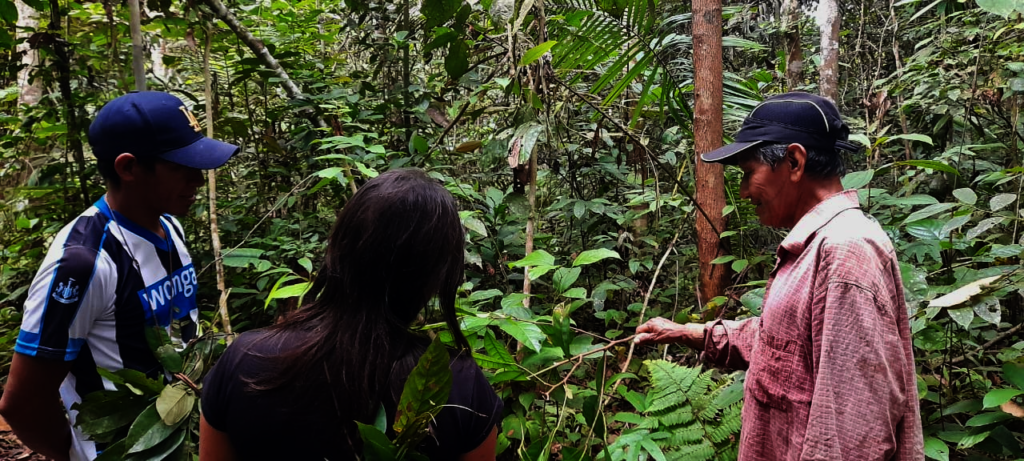
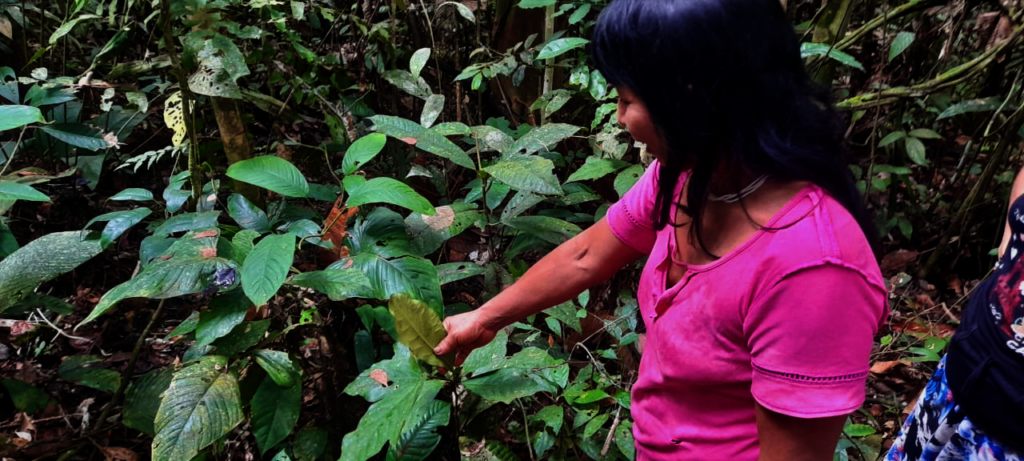
Healing Forests” to the areas around the existing ponds. The goal of medicinal agroforestry is to train young Matsés in the use of their ancestral medicinal knowledge and to plant medicinal trees, vines, and epiphytes. This design methodology adds nested functionality or what in permaculture is called “stacking functions”. This increases the productivity of the area and adds efficiency.
In each site
between 1500 and 2000 trees are being planted.
The diversity of trees, vines, and epiphytes planted is unprecedented and would stand alone be an extremely impressive reforestation project by any measure.
The Matsés carefully select and transplant many of the trees as saplings from the surrounding forests. These saplings, generally growing in the shade of a larger tree, can be many years old. Over the years these saplings have developed defenses and root structures to survive in the shade while waiting for an opening in the canopy and additional light to allow them to grow rapidly. This technique markedly increases the success rate of the plantings, simply planting seeds for many species in sun-exposed open areas of eroded soils will not work.
The subject of the Matsés’
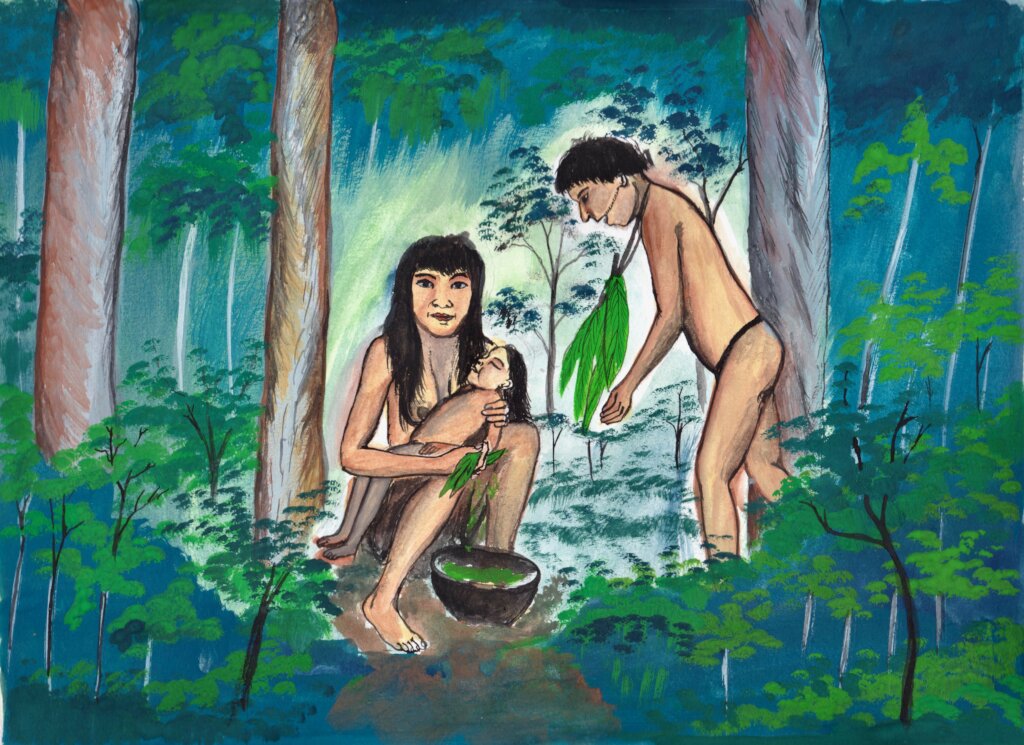
traditional knowledge of medicinal plants is immense and beyond the scope of this report. For each integrated aquaculture system built there are six Matsés apprentices trained including at least three women receiving training from the elders in the use of the Matsés traditional medicine. food security climate resiliency
The apprentices are a mix of the best students from previous training sessions and new students as determined by the elders. In addition to the six official participants in each village there have been volunteers who are auditing the course. Some of the apprentices that started in the program eight years ago are now teaching others the medicines that they know.We are grateful for our funders whose support and vision made this extraordinary work possible and look forward to realizing the full potential in this year!