By SYLVANUS OKUMU MUSEE | Project leader
According to (UNICEF 2018) at least one in every 26 Kenyan children, dies before reaching the age of one and about one in every 19 does not survive to his/her 5th birthday. According to the report,85%of all deaths to children under the age of 15 years, occur to children under the age of 5 with 38%of the under-five deaths occurring in the first month of life.
Additionally, no woman deserves to die while giving birth, yet maternal deaths remain unacceptably high accounting to 4% of all deaths to women age 15-49, where most of all these deaths occur to low averaged women who have no access to health care services, especially from rural areas that are more affected due to poverty, ignorance and illiteracy.
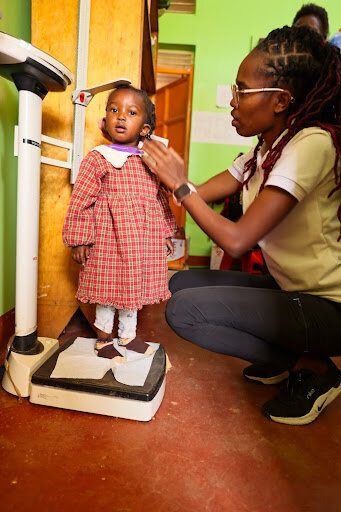
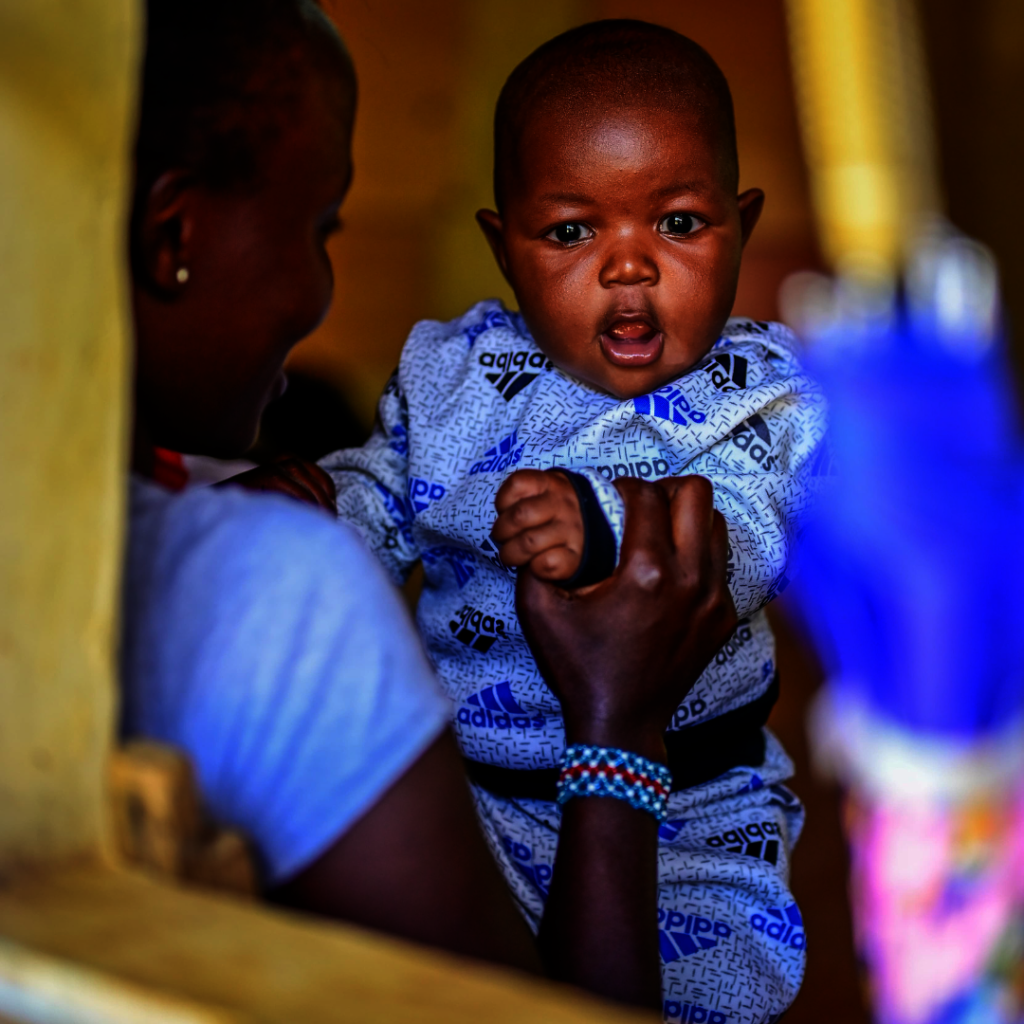
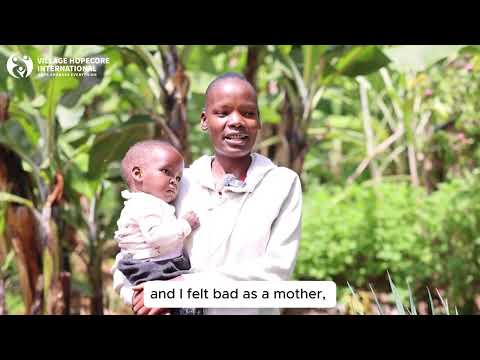
Village HopeCore's MCH program aims to address these challenges in Mwimbi and Muthambi sub-counties through mobile MCH clinics and health education to mothers on various topics such as breastfeeding, family planning, nutrition, water and safety and healthy habits. This is aimed at empowering mothers and caregivers to take charge of their own health and that of their families. Supplementation of micro-nutrients such as Vitamin A to under-five children and prenatal multivitamins to women. Deworming of all children under five years of age, nutritional assessment (growth monitoring), counselling and referrals.
2020 ACHIEVEMENT
community-based MCH clinics
These MCH clinics were conducted in churches, chiefs camps and other common and easily accessible places including tea buying centres, cattle dips and homes to prominent members of the community. Our community health field officers liaise with community health volunteers who mobilize expectant mothers, children below five years and their parents to come for these clinics. We conducted 51 Clinics where 1197 mothers were educated on various health topics ranging from Family planning, Nutrition, Breastfeeding, Fever, Soap and water guard, Blood pressure, Hypertension, Malaria prevention, Hygiene and sanitation, Tuberculosis, Pneumonia,885 children received free treatment services, the nutritional assessment was conducted to 930 children where 19 children were referred to a dietitian.
Home-based MCH Clinics
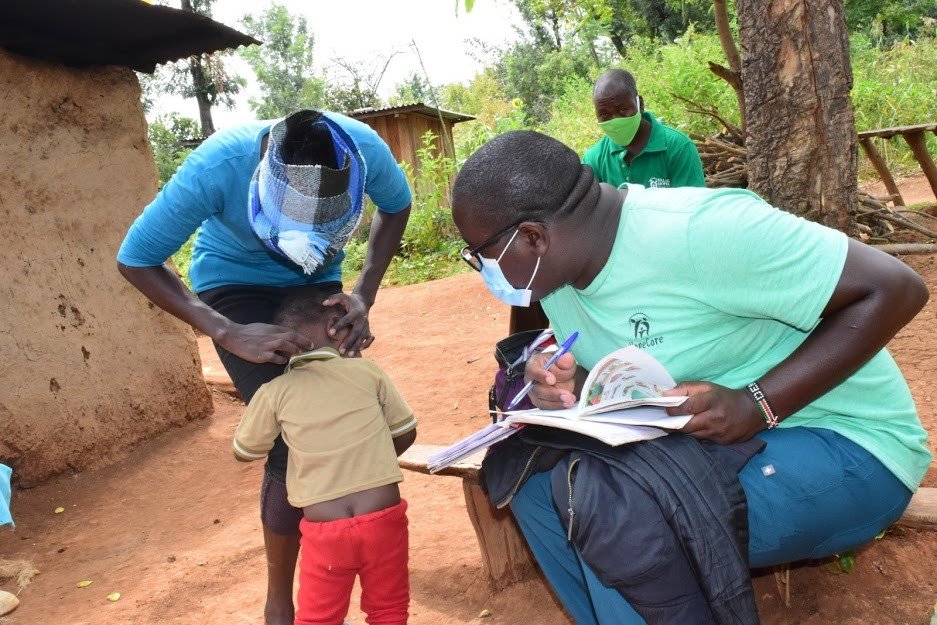
Amid confirmation of the first case of Covid-19 in Kenya, we limited the number of people meeting at any one particular point and this meant our community-based MCHs which normally attracted many people were unsafe in the Covid-19 environment. However, we needed to still reach our beneficiaries as they faced even increased challenges such as not going to health facilities for fear of contracting Covid-19 hence defaulting in immunization, disease progression to severe levels and lack of family planning uptake by mothers. To correct this, we adopted a home-based MCH approach which entailed a Community health volunteer teaming up with a nurse from Village HopeCore to visit households with target groups in the community.
The Home-based Maternal child health clinics minimize the risk of exposure to this COVID 19 for the mothers and the under-five children. It also allowed health care providers to offer preventive and curative services at home. A total of 250 MCH clinics were conducted. We conducted 250 clinics where
Below is a summary of our 2020 Achievements
Malaria Prevention
Village HopeCore’s malaria prevention project goal is to reduce malaria-related morbidity and mortality through health education on malaria, distribution of Long-Lasting Treated Nets to children at school entry-level, free malaria tests, treatment and community sensitization in Mwimbi and Muthambi sub-counties.
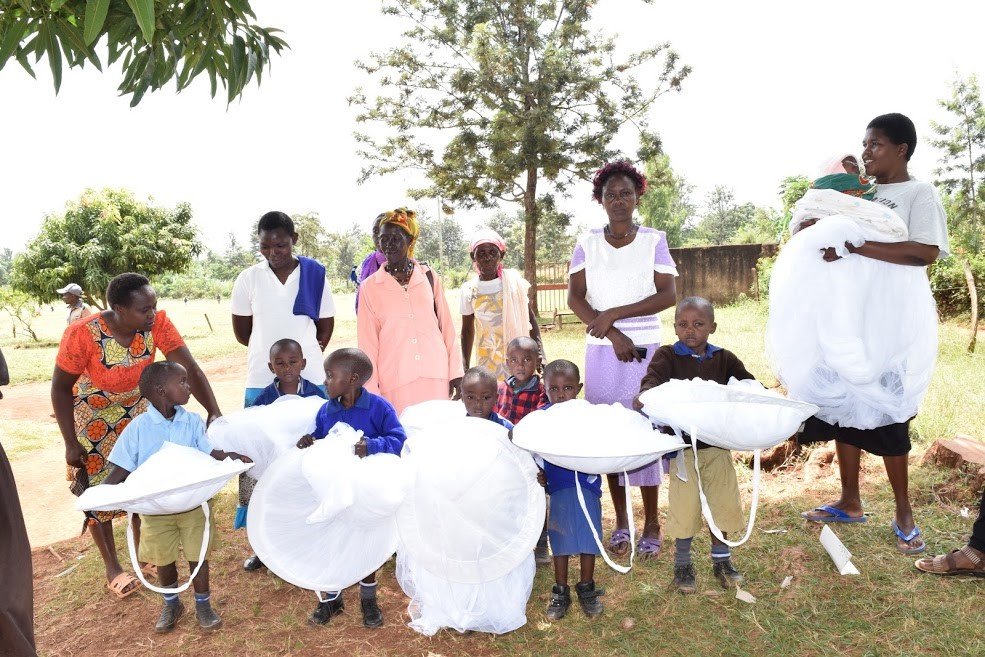
We educated 4772 mothers/caregivers on malaria prevention in rural Mwimbi and Muthambi sub-counties through Community, Homebased and Village-based MCH clinics. To heighten malaria prevention, HopeCore distributed 786 LLTNs to children at school entry level in 54 primary schools.
Additionally, HopeCore’s field officers educated 14,800 school going children on malaria i.e. the cause, symptoms, risk factors associated with malaria and the importance of taking a malaria test. Additionally, we conduct free malaria Rapid Diagnosis Tests(RDTs) to 101 expectant women and 109 children under 5 years at our community laboratory for an early and accurate diagnosis. The clients who turned positive were treated using the dihydroartemisinin-piperaquine, second-line treatment for uncomplicated malaria case as recommended by the Kenya Ministry of Health.
Thank you all for being part of this great family and your tireless support to our community in 2020.
Links:
Project reports on GlobalGiving are posted directly to globalgiving.org by Project Leaders as they are completed, generally every 3-4 months. To protect the integrity of these documents, GlobalGiving does not alter them; therefore you may find some language or formatting issues.
If you donate to this project or have donated to this project, you can receive an email when this project posts a report. You can also subscribe for reports without donating.



Support this important cause by creating a personalized fundraising page.
Start a Fundraiser