By Andreina Rivera, Alexandra Contreras | Marine Coordinators
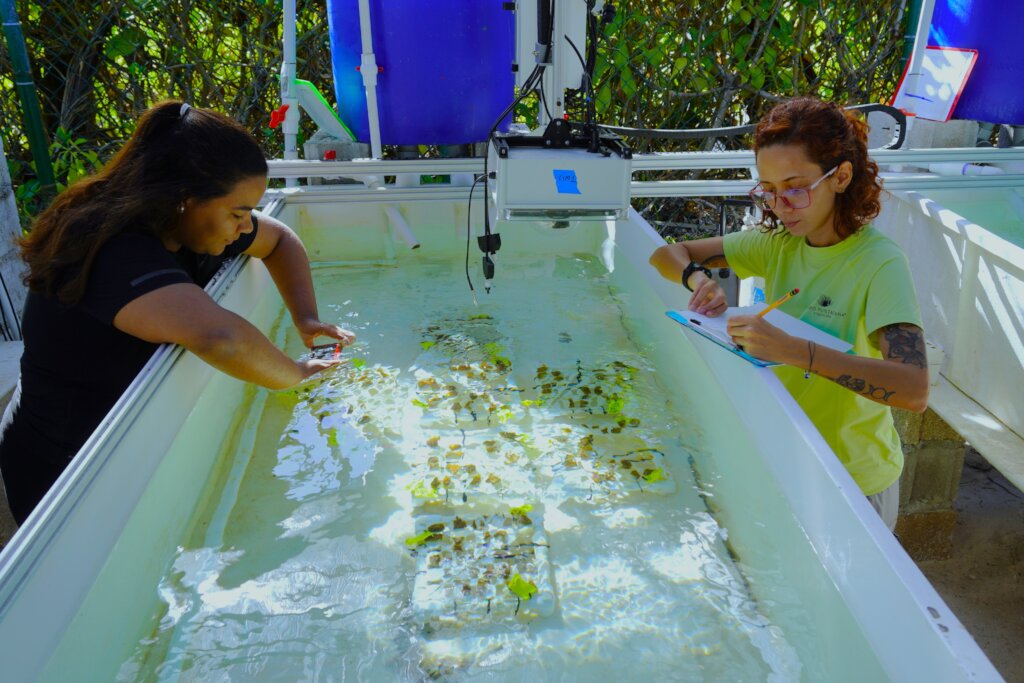
For the past two months, our team has been working tirelessly to program every piece of equipment in this system. Why? Because we're on the verge of something extraordinary: welcoming coral colonies into a fully controlled environment where we will be attempting to reproduce in captivity.
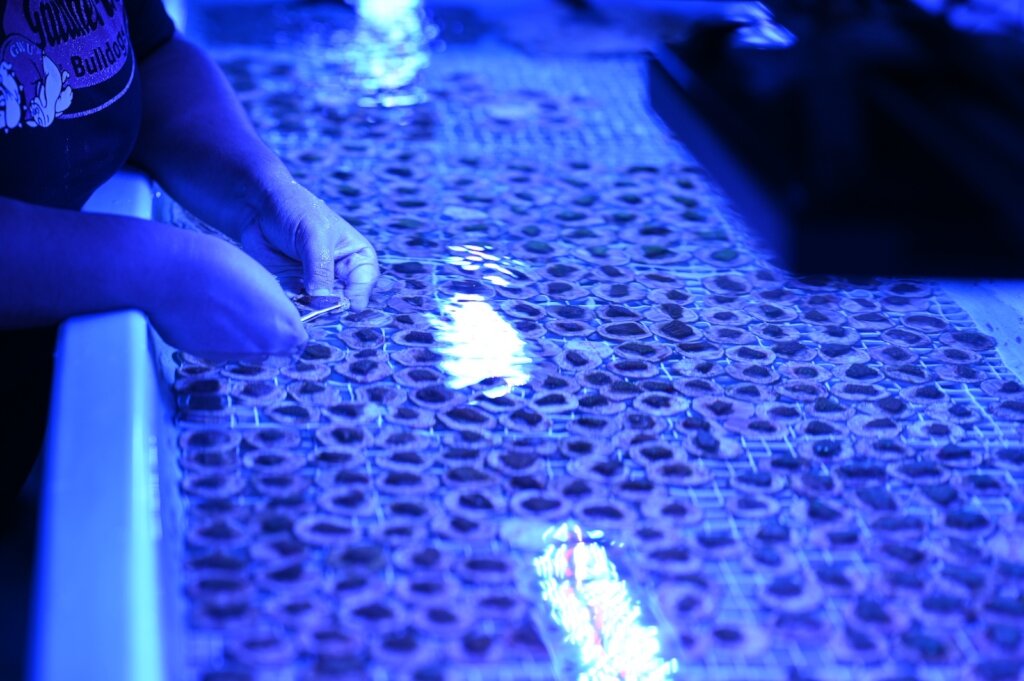
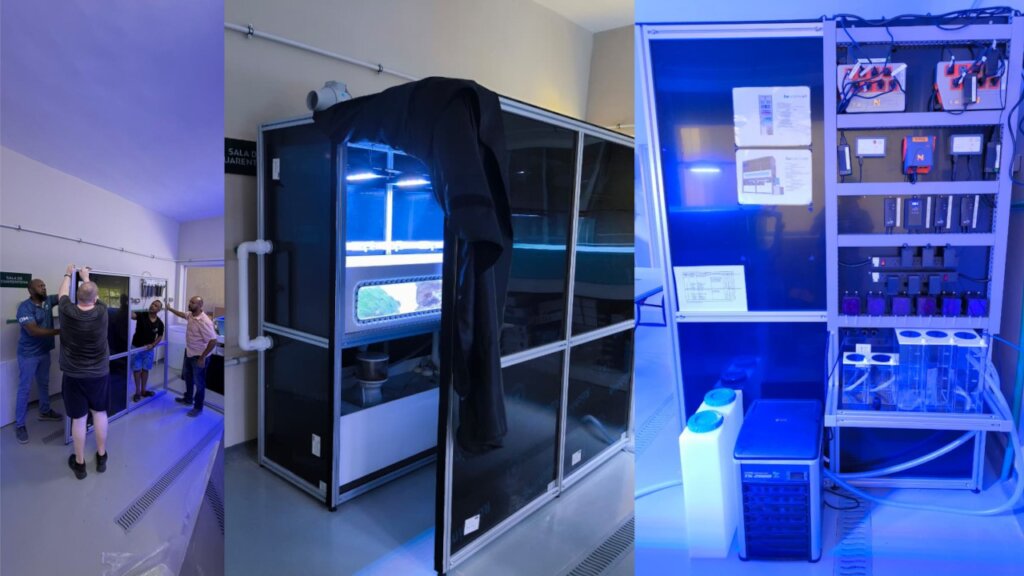
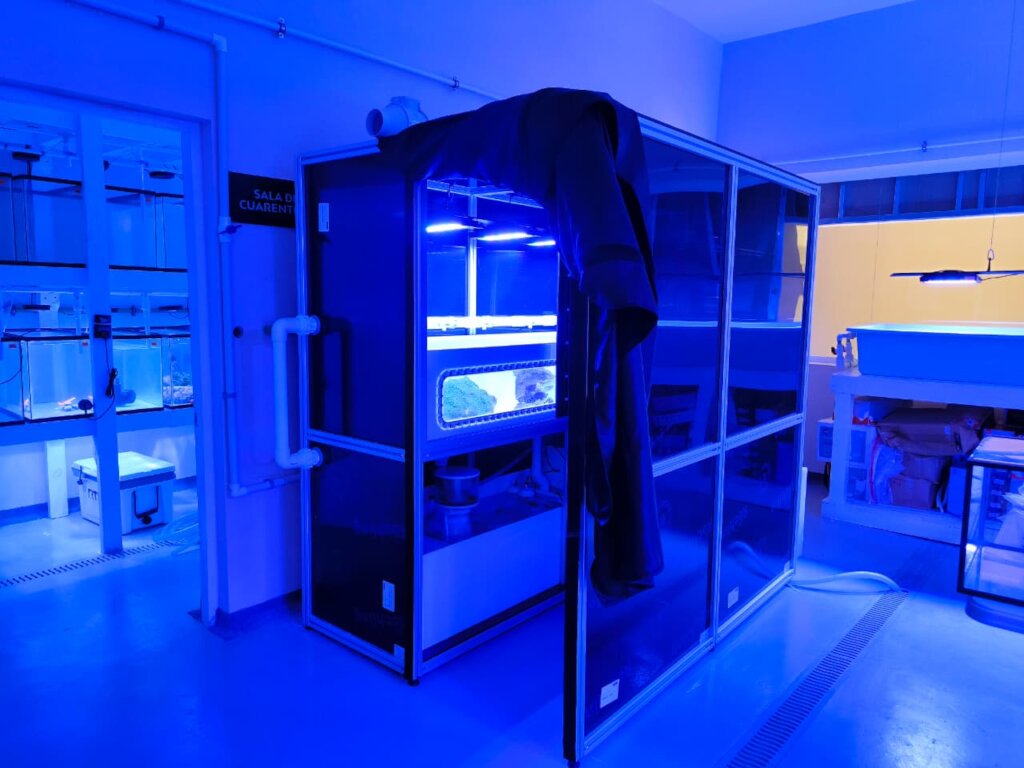
This past May, we achieved a critical milestone: the installation of the Coral Spawning Lab (CSL) — a cutting-edge module designed by the Coral Spawning Institute.
This is the first equipment module of its kind ever installed in the Dominican Republic. The CSL gives us control over solar cycles, lunar cycles, and water temperature — all calibrated to the local timezone — creating the perfect conditions to trick corals into thinking they're in the wild during spawning season.
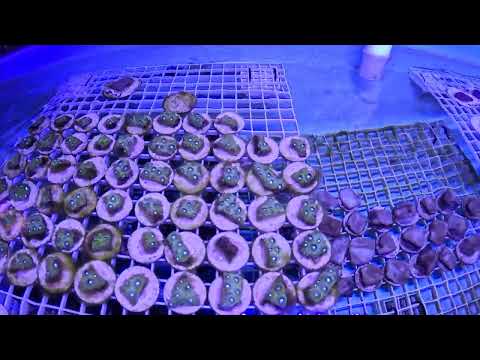
Massive coral species — the slow-growing architects of our reef — are now alarmingly scarce. With this technology, we aim to trigger captive spawning of these vital species, raise their tiny recruits in our nursery, and eventually transplant them back onto Punta Cana's reefs in the coming years. It's reef restoration at a whole new level for us.
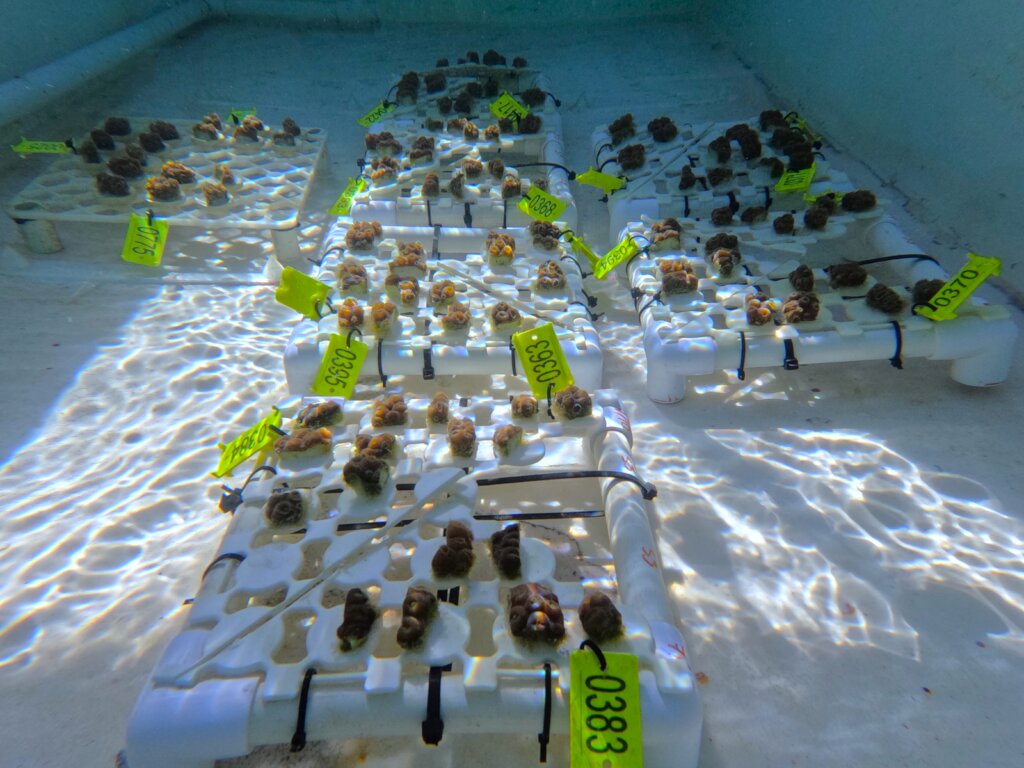
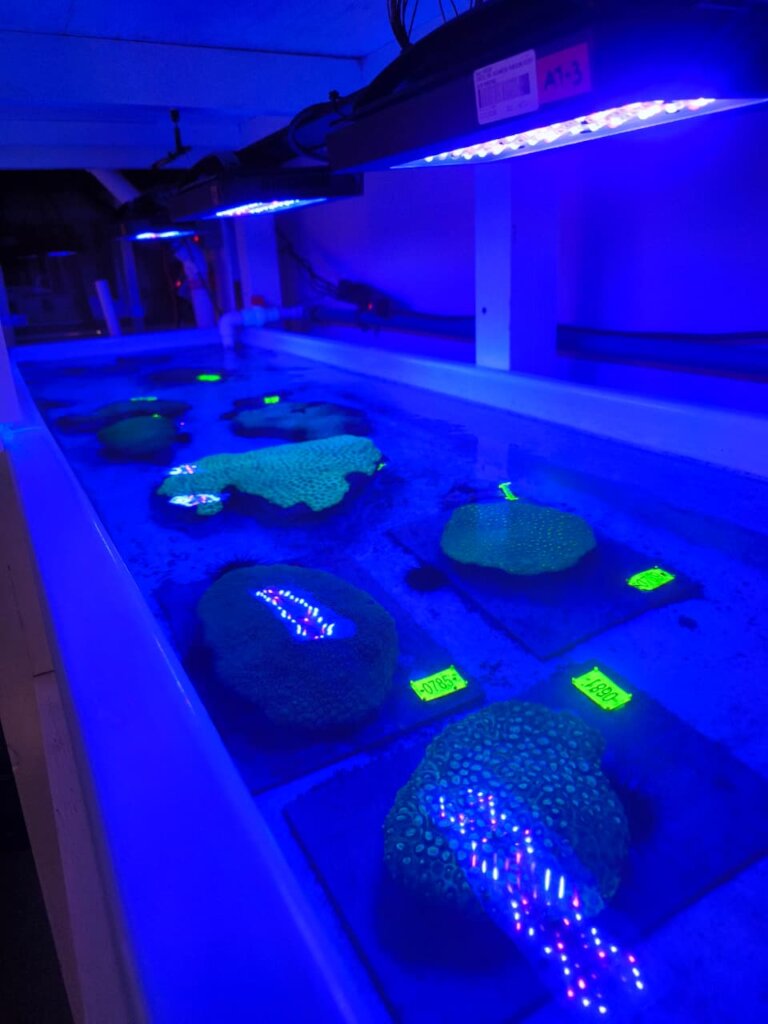
We're starting with Orbicella faveolata — one of the Caribbean's most important reef-building corals. This species is under severe threat from climate change and diseases like Yellow Band Disease, making our work more critical than ever.
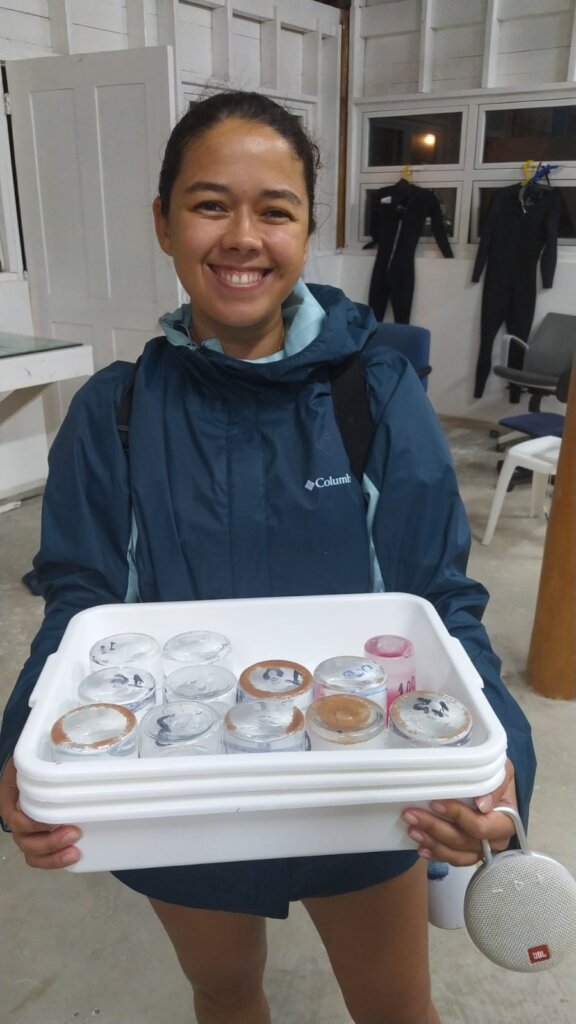
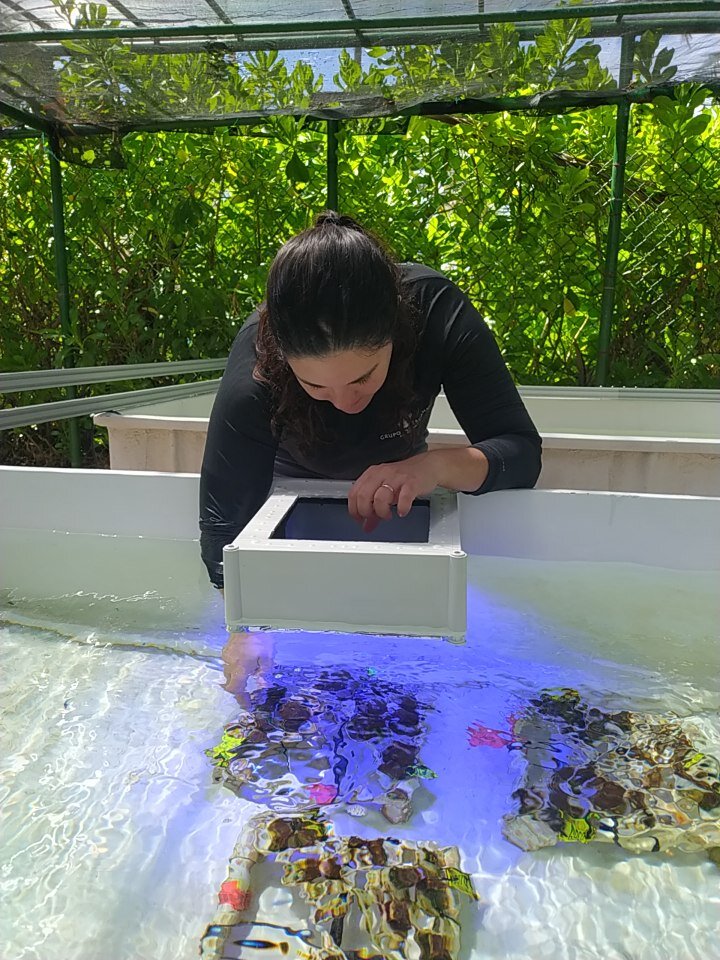
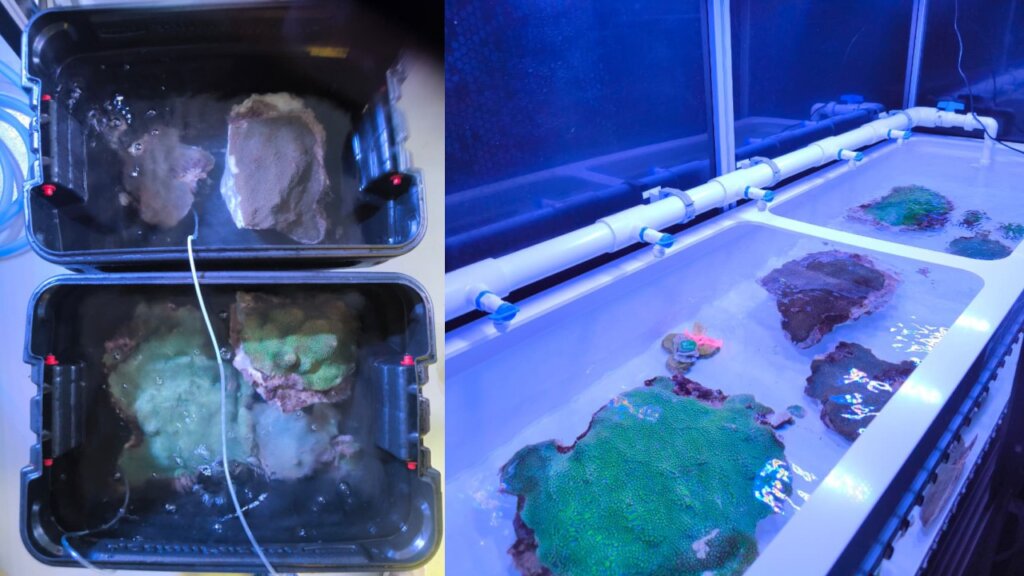
This week, we relocated some colonies from different genotypes from the individuals already under our care. Over the coming days, we'll begin acclimatizing and closely monitoring them, with the goal of triggering a successful spawn inside the lab.
The numbers are promising: we currently hold 18 genotypes of O. faveolata in our land-based nursery, and up to 9 of them have the potential and reproductive size to spawn this very season.
Every genotype matters. Every spawn is a victory. And every contribution you make brings us one step closer to rebuilding the reefs of Punta Cana — coral by coral, spawn by spawn.
Project reports on GlobalGiving are posted directly to globalgiving.org by Project Leaders as they are completed, generally every 3-4 months. To protect the integrity of these documents, GlobalGiving does not alter them; therefore you may find some language or formatting issues.
If you donate to this project or have donated to this project, you can receive an email when this project posts a report. You can also subscribe for reports without donating.



Support this important cause by creating a personalized fundraising page.
Start a Fundraiser