By S.Murugan | Balamurugan Vocational Training Centre
IMPACT REPORT
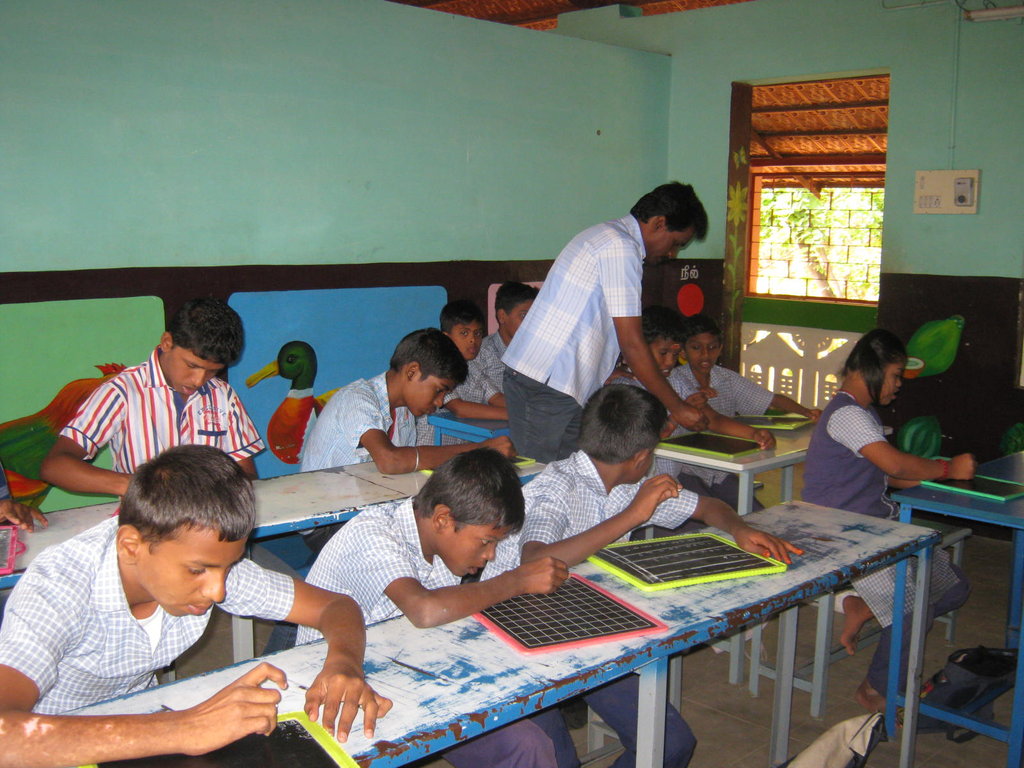
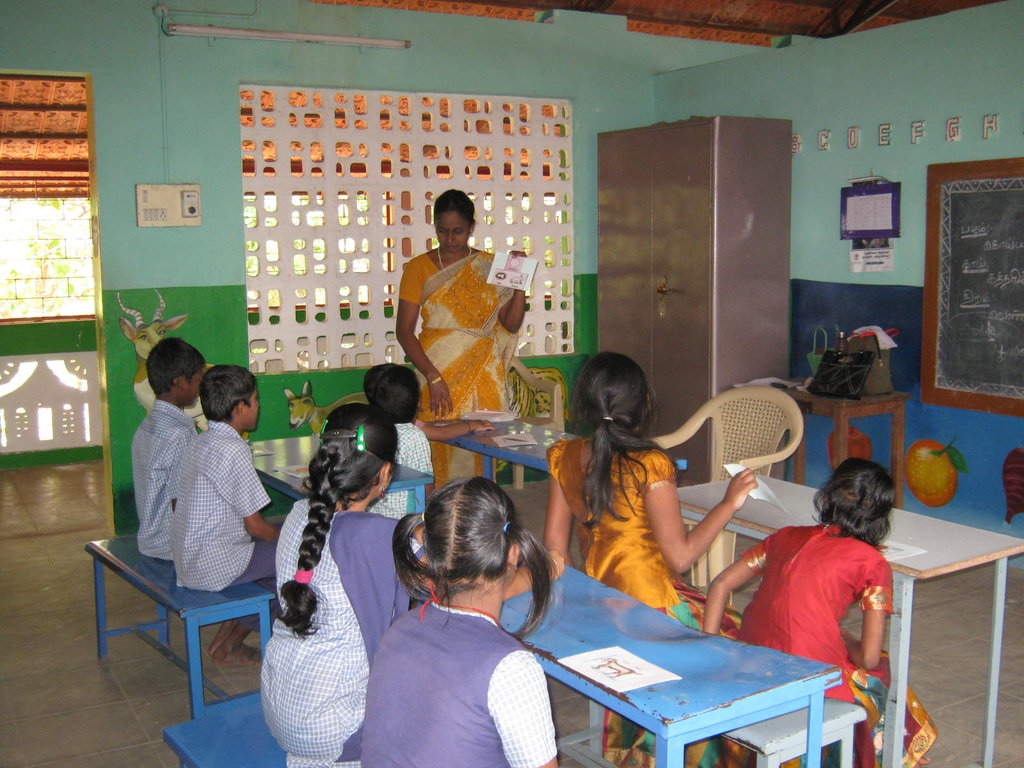
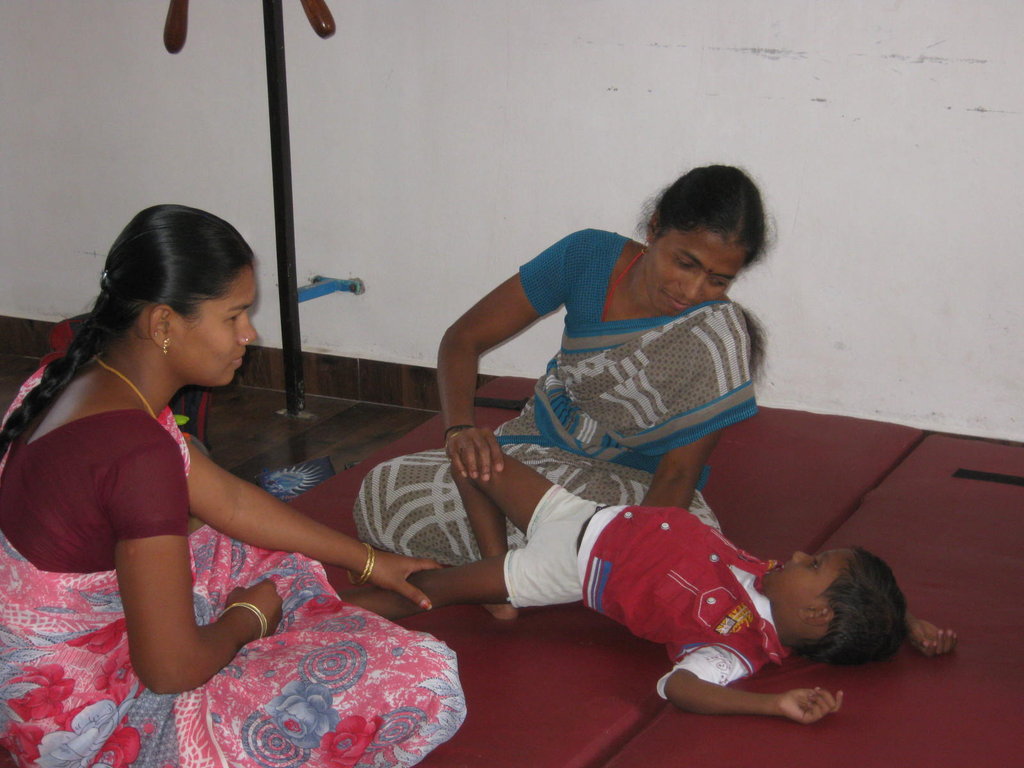
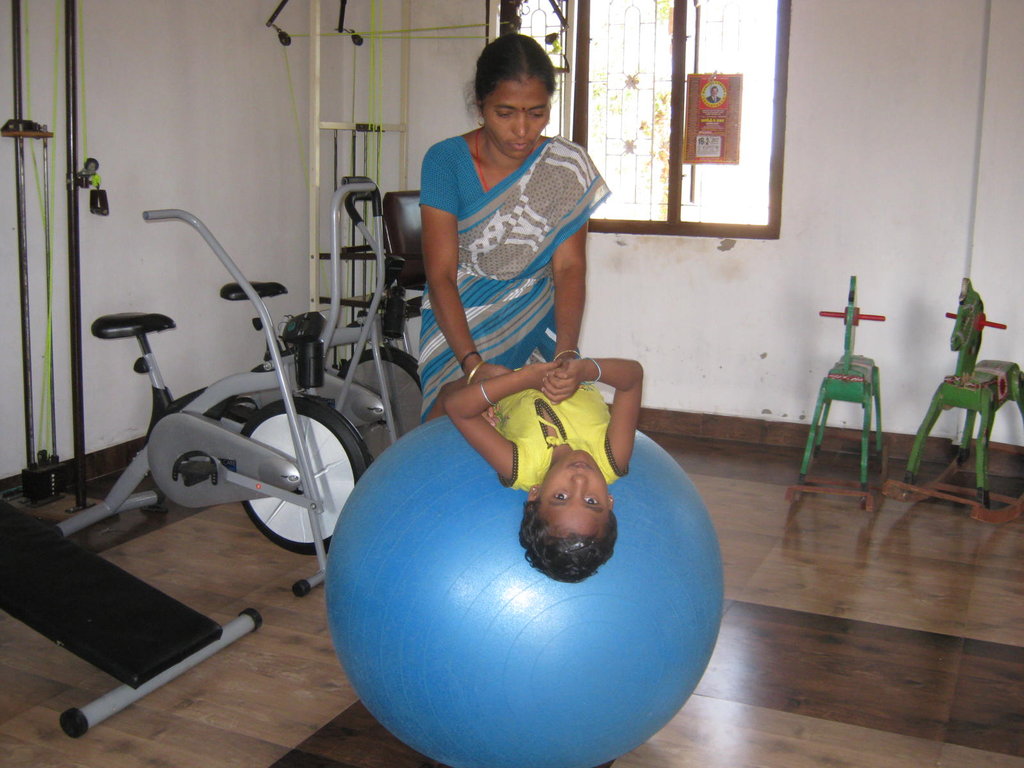
Programme: Vocational Training for the mentally challenged
Location: Balamurugan Children’s Village, Sillamarathupatti, Bodinayakanur, Theni
Total No of participants:39
Reg No: PROC NO: 1566/ST2/2016 dated 31.3.2016
Trade wise Participants:
Phenoil and Soap Oil
Washing Powder
Paper covers for local distribution
Envelope from eco-friendly paper
Carry bags
File making
Greeting card making
Fancy items
Ornaments like earrings, bangles, etc.
Basics of computer operation
Designing
Screen printing
Phenoil and soap oil making
Paper cover making
Paper plate making
Screen Printing
Design of the programme:
Minimum 3 years (continuing 3rd year)
The student must have completed secondary or Pre-Vocational training from the special schoo.l
Procedure:
Out of 46 students, getting trained under 5 staffs 7 of them has left the training due to various reasons. Out of these 1. S. Kulasekarapandian 2. P.Ponpandian 3. C.Rajkumar was found out to be self employed with farm work, Xerox and furniture shops. 1. S. Sathya Balan 2.S.Thiyagarajan 3. C.Vinitha is suffering from health problems, and M. Sivaneshkumar has expired. This current year some of the students had been promoted to vocational training programme from secondary class.
Views:
Placement of the mentally challenged person in private sectors like a spinning mill, retail shops and workshops is a great challenge for the team. The employer’s attitude towards this target group must be amicable and cordial so that they work safely and happily. For this reason, our team did directly meet the employers and explained them about the difference in the approach towards work between a normal person and a mentally challenged. Most of the employers, who recruit our students, are very supporting and helpful. We hope for a maximum number of placements in some other private sector also with a decent amount of salary.
All the mentally challenged people can’t do all types of work. So, we find the right work for our trainees. Apart from the training, an employee must have a sound environment to work with, for which we train them occupationally on how to deal with the work place, work, and other employees. This type of occupational training has brought about some self-confidence with them. For the purpose of safety, we also enable the parents to have a face to face dialogue with the employer.
Conclusion
The Project area is centered on the agro-based lower income group. To support the future, one should earn a regular income. Thus, the mentally challenged persons are also given the training to support their future. So, around forty teenagers are getting trained from this centre. And it has to be noted that there are still no skill developing centres especially for this target group.
After two years of the training period, three of them had settled in their life and are earning through self-employment. So, they forerun the others to get placements from private sectors and will start generating income on their own with the support of parents and society. To this regard, all the parents and their neighbors are excited to note their development of the skills and day to day activities. As a result of this, these people have seen a rise in their status in the society. We wish and hope a good number of the person with the disability will settle and sustain their life through the placement and self-income generating activities. Overall, the grant has helped in the upliftment of the target group and it has brought about a remarkable change within them that is true.
Placement in Trial:
He had been attending our special school for the last six years and has been attending the vocational training for last three years. Now, he is able to operate the computer and is able to do screen printing works along with the operation of Xerox machine. His younger brother is running a mobile shop and is reopening a new one in the nearby town, Cumbum. With this new shop, he would be able to support himself and buy a new Xerox machine which would earn a little more amount. The support of his parents and his brother is notable, as it would establish him on his own leg.
His father was working as an electrician. From his father’s motivation, he was placed at an electrical workshop. Now, he is able to do simple electrical works like coil rewinding. Every day after his training from the centre, he is doing his work at a nearby workshop and earns Rs.50 per day. In the near future he would work as a full time worker with Rs. 150 per day.
He is working part-time in a pharmacy. He accompanies the pharmacist with small jobs like packing the medicine and handing it over to the customer. From this daily wage he is self sustainable. His parents are happy with his improvements and his work.
From his training to make covers, he is able to make paper covers of his own from home. Every day, he makes 4 kgs of those covers after the centre and sells those to the local stalls.
Placements and its Benefits:
He was under training for four years, and earned a part time through the Balamurugan Residential Programme by giving assistance to the warden. Now, with the support of his family, he is working in a Xerox shop. He takes care of the shop with making copies, prints, scans and etc. He is also able to sell stationary items to the customers. He earns Rs. 150 per day.
Now, he is working in a coir industry. His works include taking the coir to the machine and winding the rope, and earns Rs. 150 per day. His parents are contended that he earns to support his daily life.
After the term of his training, he is being employed by his father in their own furniture shop. He helps the workers with the cutting of the wood. He works in the shop under his father’s guidance and is earning a good support from his father, customers and the other workers.
Project reports on GlobalGiving are posted directly to globalgiving.org by Project Leaders as they are completed, generally every 3-4 months. To protect the integrity of these documents, GlobalGiving does not alter them; therefore you may find some language or formatting issues.
If you donate to this project or have donated to this project, you can receive an email when this project posts a report. You can also subscribe for reports without donating.