By Gretchen Engbring | LRFF Board Member
La Reserva Forest Foundation (LRFF) works closely with local communities to ensure that our projects deliver the best possible social and environmental outcomes. However, we’re always looking for new opportunities to learn more about the communities where we work in order to better serve their needs. This summer, Global Giving provided us with the opportunity to do just that through their newly released program and Storytelling Fund (see an announcement regarding the launch of the fund and related program at http://tools.blog.globalgiving.org/2014/04/17/announcing-the-community-feedback-fund/).
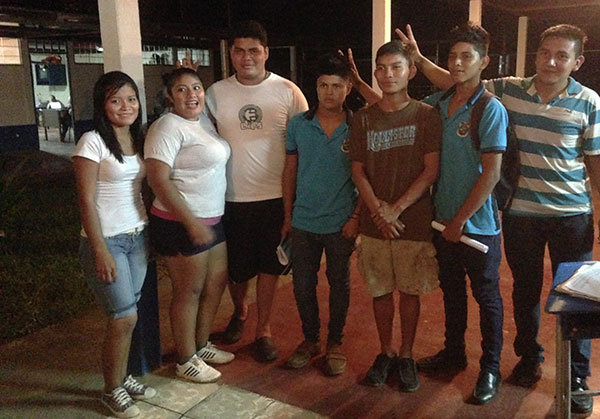
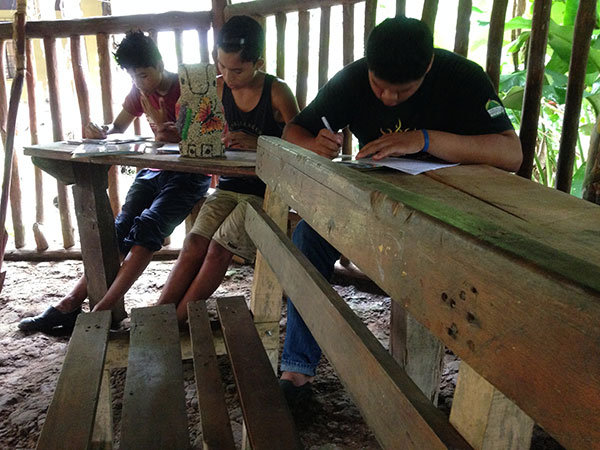
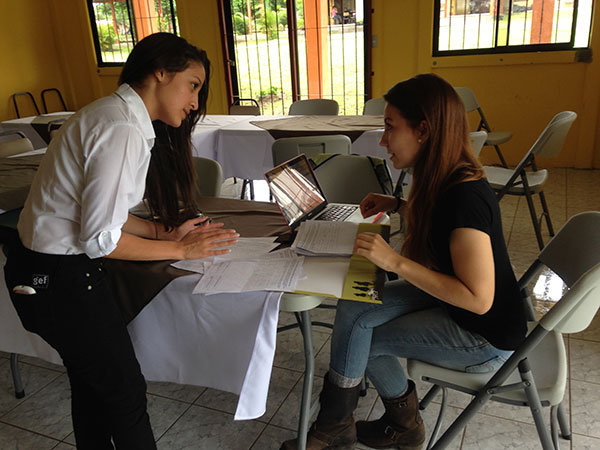
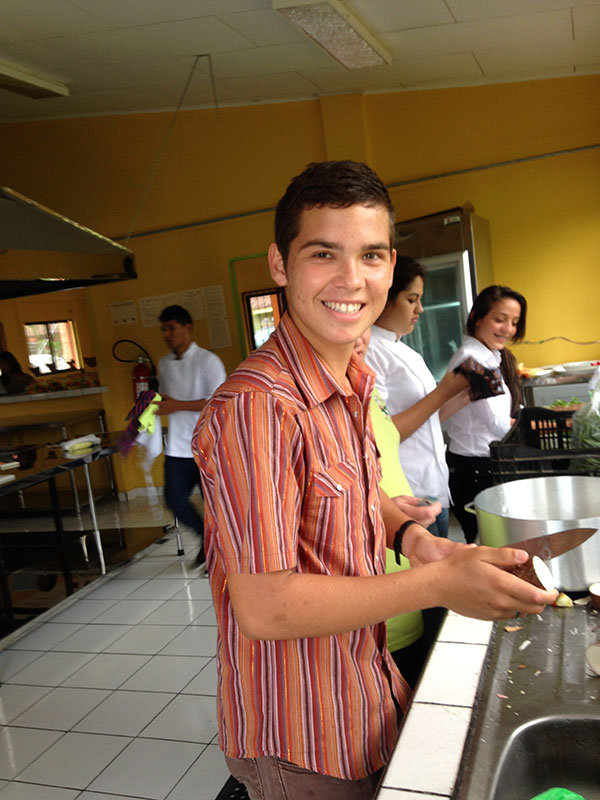
After applying to the fund and receiving a generous $1,300 grant to undertake the project, LRFF reached out to local high schools in two of the communities where we work to recruit student volunteers. Eager to learn more about their communities (and excited to earn a small stipend for their efforts), each volunteer went through a training that introduced them to LRFF, the Storytelling Fund, the importance of social science research and their assignments over the next several weeks. After practicing with each other and gaining some experience in a quick trial run, we sent the volunteers out into their communities to conduct interviews using prepared questionnaires with two main prompts:
(1) Please tell a story about a time when a person or an organization tried to help someone or change something in your community.
(2) Please tell a story about a time when you had to choose between protecting the environment and maintaining a livelihood. Include if/how individuals or organizations were involved in the conflict.
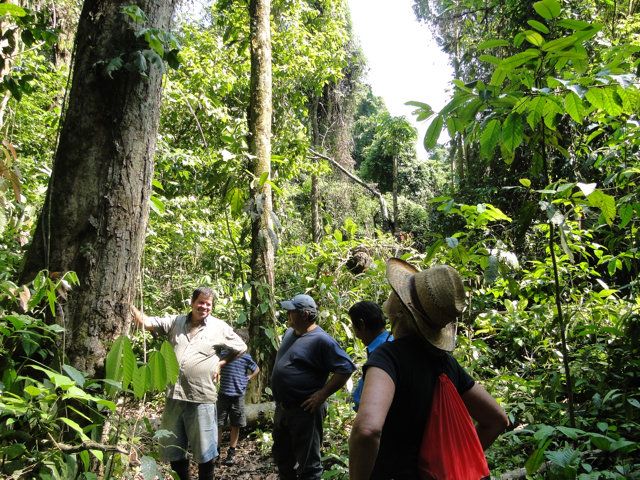
The results? LRFF has already collected over 130 stories addressing topics from volcanic eruptions and earthquakes to arsenic in the groundwater. Some of the stories are optimistic – promising tales of the recovery of iguanas or scarlet macaws – while others sadly document the degradation of tropical forests or long-abandoned community centers. But however different the stories may be, they all remind us of one thing: the undertakings of non-profits, other organizations and individuals do not always align with the interests of local communities, and this misalignment is often to the detriment of the intervening body, the communities themselves, or both. For LRFF, this makes listening to the communities where we work as critical to the realization of our own mission as it is to addressing the concerns of the communities we seek to serve. Now, as we sift through the stories and prepare to organize and analyze the data they contain, we hope to pan out the clues that will lead us to these win-win scenarios for tropical forests and local livelihoods alike.
We hope you continue to follow us in this endeavor to see what secrets the stories reveal!
Links:
Project reports on GlobalGiving are posted directly to globalgiving.org by Project Leaders as they are completed, generally every 3-4 months. To protect the integrity of these documents, GlobalGiving does not alter them; therefore you may find some language or formatting issues.
If you donate to this project or have donated to this project, you can receive an email when this project posts a report. You can also subscribe for reports without donating.