By KATHLEEN MCDONALD | Project Helper
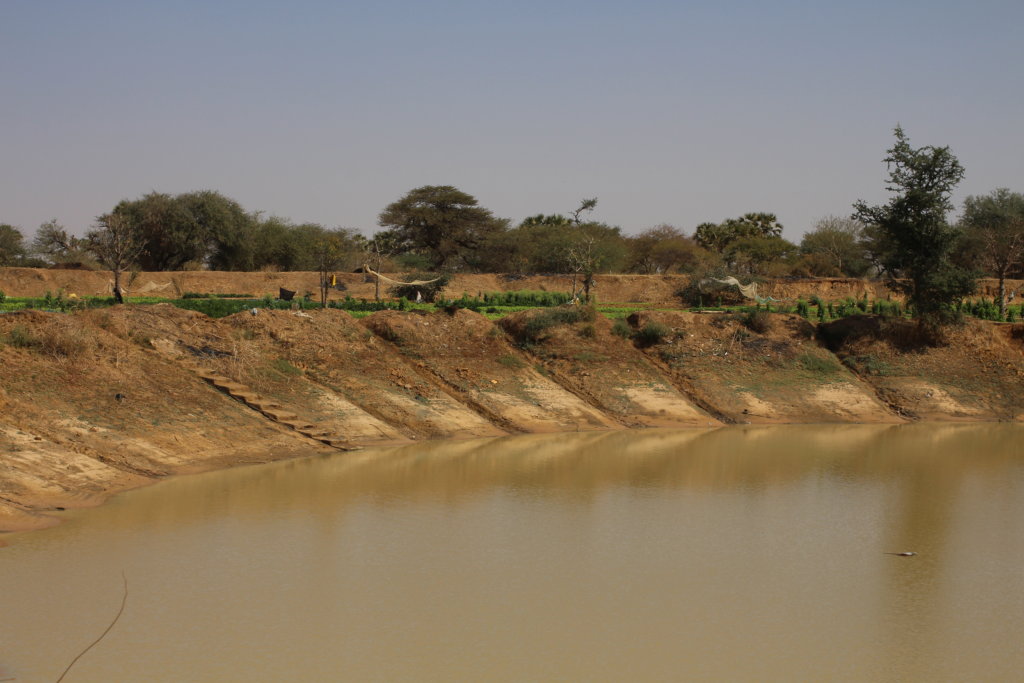
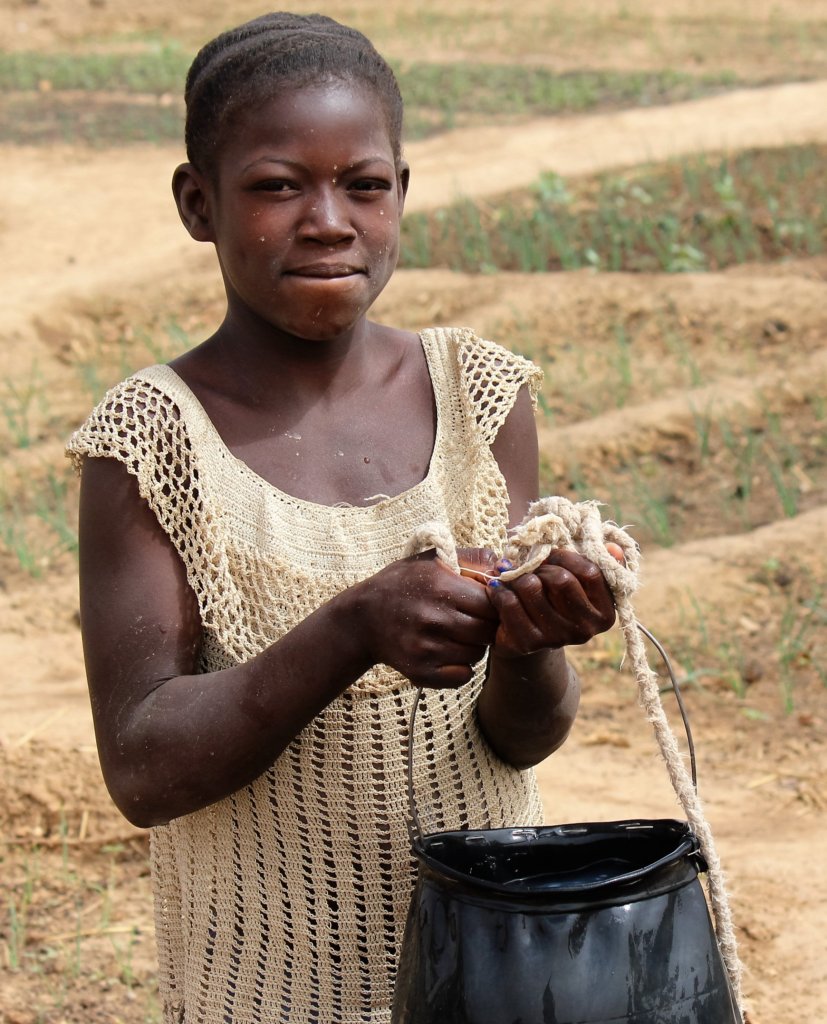
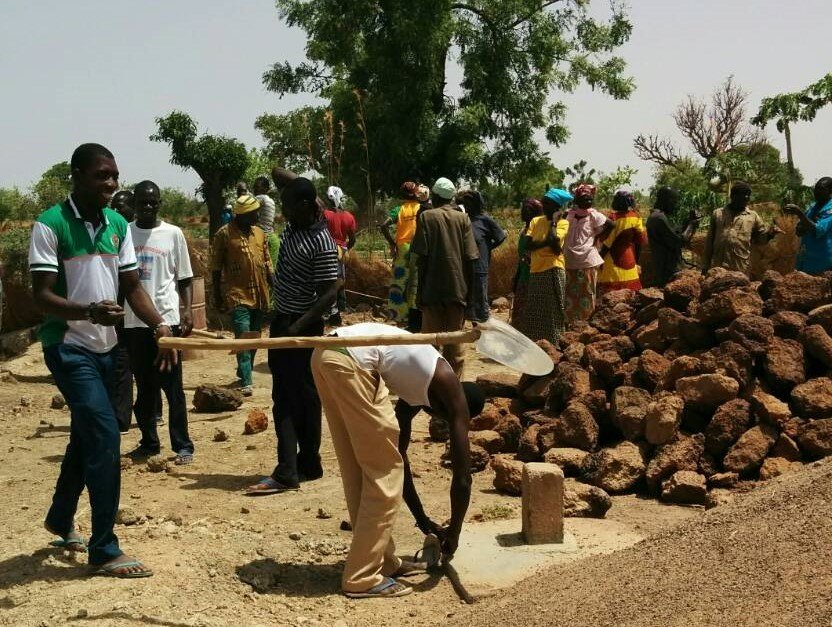
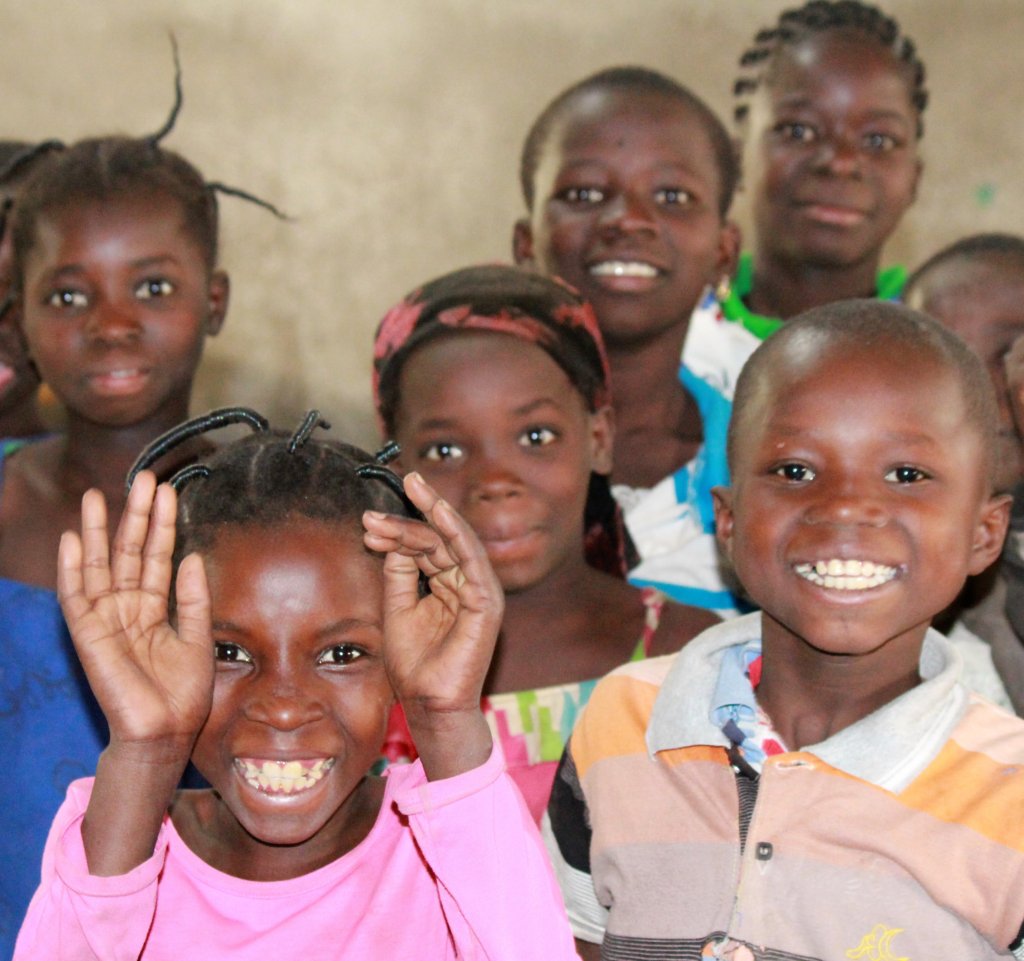
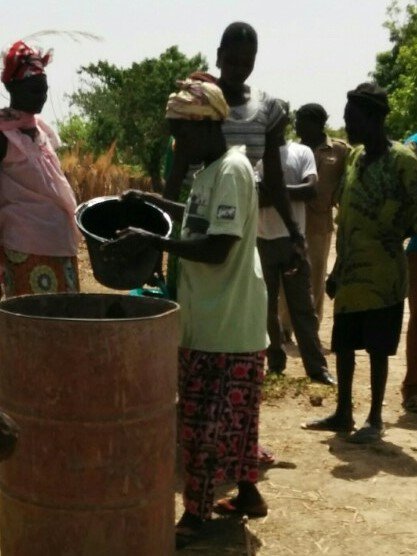
“We’re having too much fun!” exclaimed 13 year old Linetta O, working on her new rainwater catchment basin in the village of Kamsi, Burkina Faso. “My two brothers and my little sister are helping to build this basin so we can all have water all year. See our parents over on the other side helping pound the mounds of clay and digging the trenches? They are really happy!”
Without the rainwater catchment basin, the village of Kamsi has no water five to six months of the year. With a basin, the water aquifer is restored, raising the water table, and thus filling wells. Together we determine the proper engineered design, location, water use, and upkeep of the rainwater catchment basin so that water is available each and every day of the year. As a community, we know we must agree to all of the water use and basin maintenance details so that the basin and our village are sustainable.
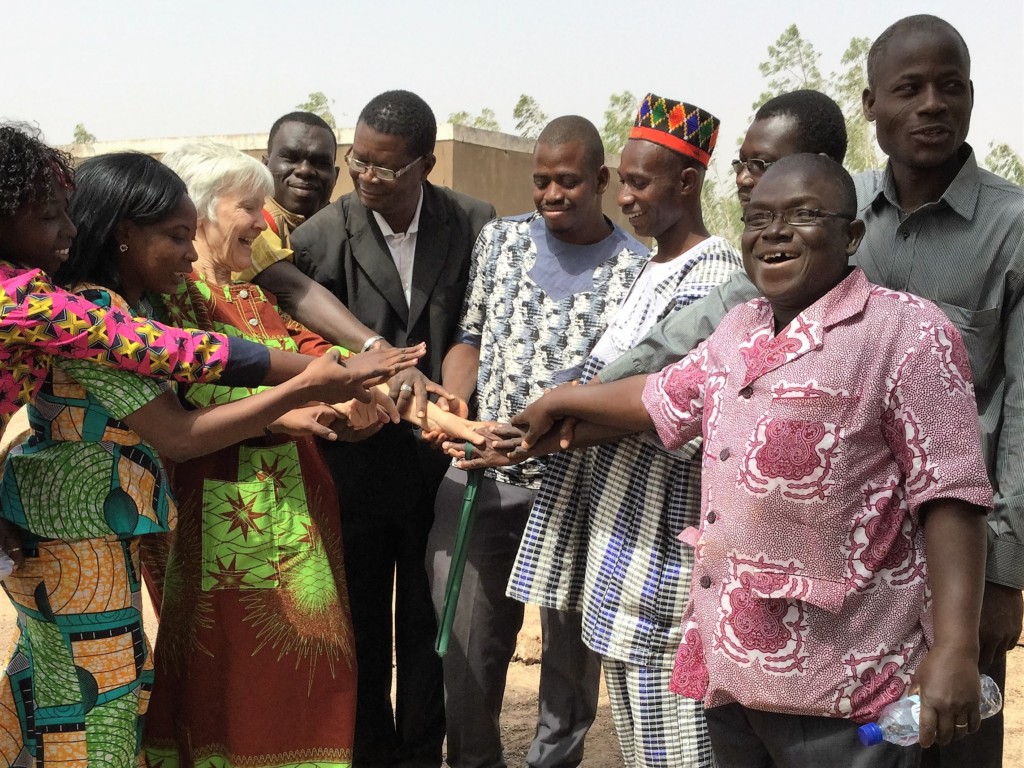
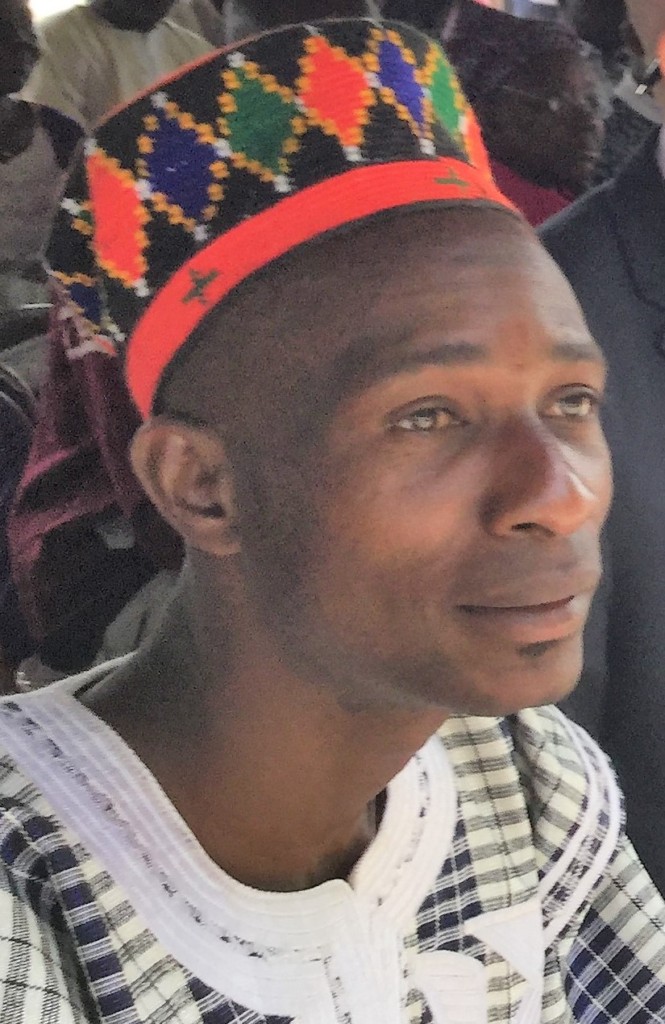
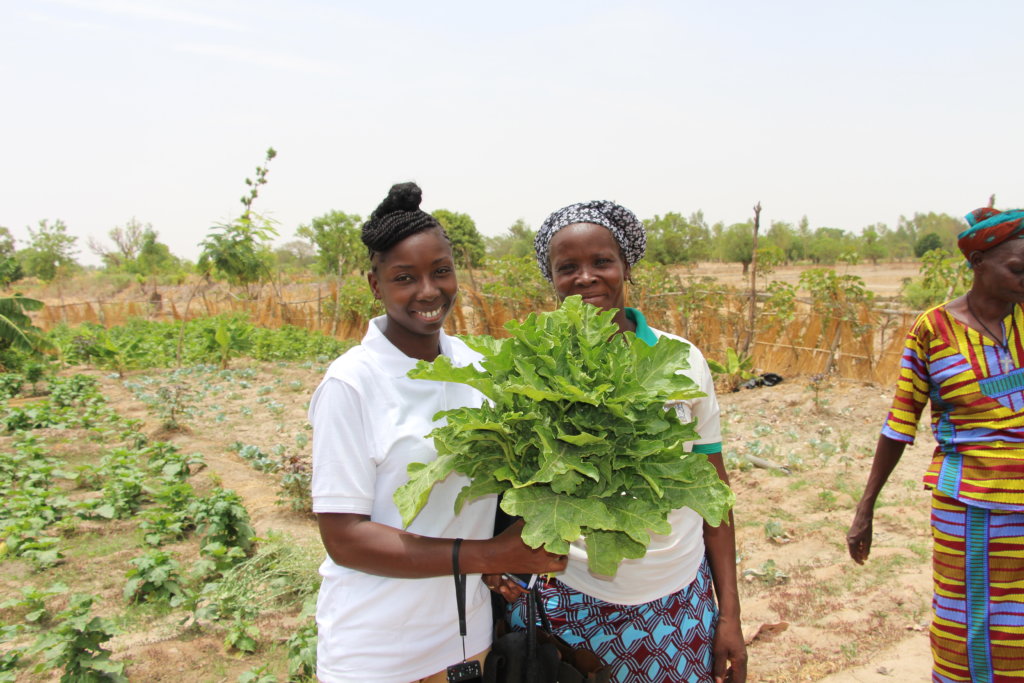
“Community Involvement is Key” says Chef Tigre, the Chief of the village of Kamsi, who shares the huge enthusiasm of the local community in Kamsi, as they have been waiting for this for over 30 years. “Ginormous!!!” says the Chief of Kamsi, adding: “We believe that with the basin, we can grow irrigated crops such as cabbage, onions, tomatoes, and carrots. We will also have water all year round for our households, and it will help us a lot. This will be a relief for all of us, and women are very happy about this, having water is everything!”
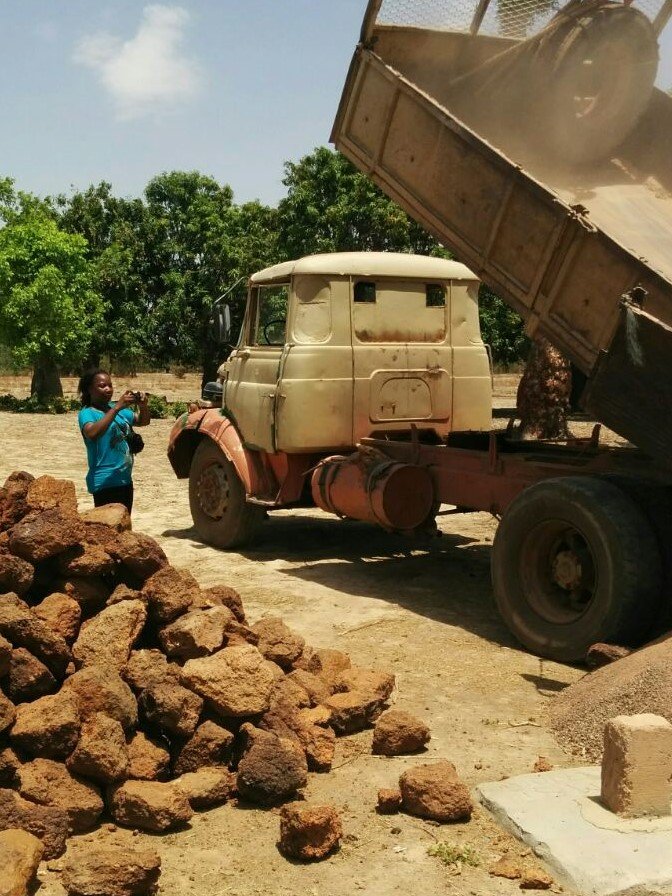
Villagers support the work by first helping the engineer and the team to create the design and determine the uses of the water. The engineers started delivering the construction materials in January. Included were gravel, large boulders, cement, metal, barbed metallic wire, compaction, heavy equipment and stripping machines. Work began with the demolition of the damaged dike including the removal of debris and rubble. Excavation work continued through February and was completed in March. Linking the foundations of both the right and left banks of the emergency spillway protects the basin during severe storms, which was the work that continued through April. Villagers contribute their labor throughout the construction process. We expect to finish the basin in Kamsi by mid-May. Late May and early June is when rain is expected, so our plans are that the completed rainwater catchment basin begins its work immediately!
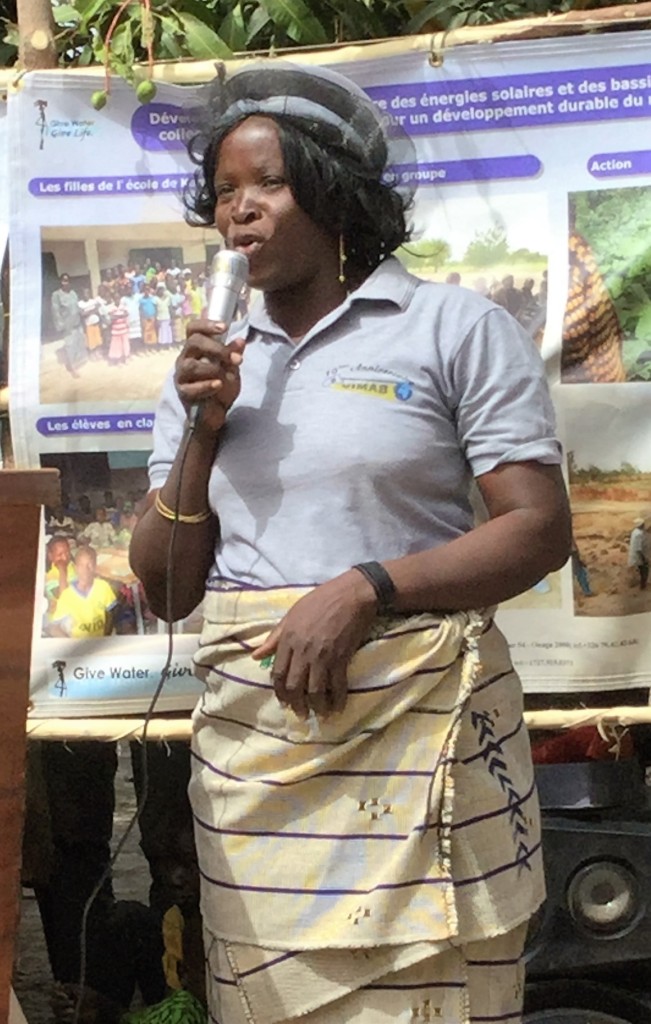
“Accessible Water Creates Jobs” according to Elizabeth Z, President of the Kamsi Women’s Food Cooperative, who described the intensive work with CBG in Kamsi that began in 2013. “Working together with the team members of Community Building Group has been hard work but enables us to rebuild the basin in Kamsi so that we have water.” She continued: “Having water filtration will reduce unclean water related health problems. With this project, more than 4,000 residents in Kamsi will now have water all year for our domestic uses, and for irrigating our gardens. And of course, we are intent on creating our own businesses here.”
Making the kind of commitment it takes to build sustainable communities is only possible because of the financial support provided by you – our donors. The components of a rainwater catchment basin – training classes, workshops, solar powered irrigation and water filtration systems, satellite imagery, and construction materials - cost nearly $90,000 per village. With the demand for our support continuing to increase from many other villages, our dream is to build new rainwater catchment basins throughout Burkina Faso as quickly as funding is available. We will continue to keep you up to date on our progress.
We hope you will plan to visit one of our villages someday and see the great success created by having water. Everyone is so grateful for the boost of support. Thank you for being an important part of the solution to have water in every village.
Project reports on GlobalGiving are posted directly to globalgiving.org by Project Leaders as they are completed, generally every 3-4 months. To protect the integrity of these documents, GlobalGiving does not alter them; therefore you may find some language or formatting issues.
If you donate to this project or have donated to this project, you can receive an email when this project posts a report. You can also subscribe for reports without donating.