By Libby Henrickson | Global Conservation Programs Coordinator
Dear Women for Conservation community,
Happy summer! As always, thank you for choosing to be a part of our community. Your support makes our work possible, work that makes a genuine difference in the lives of women and youth in the most biodiverse areas of our world.
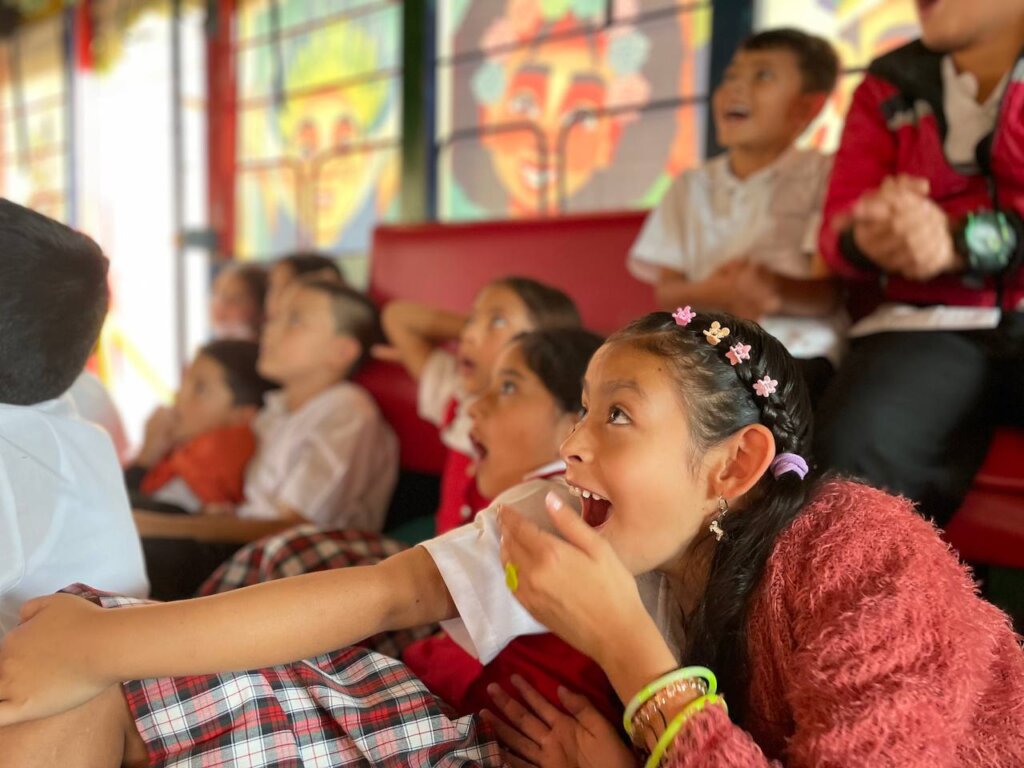
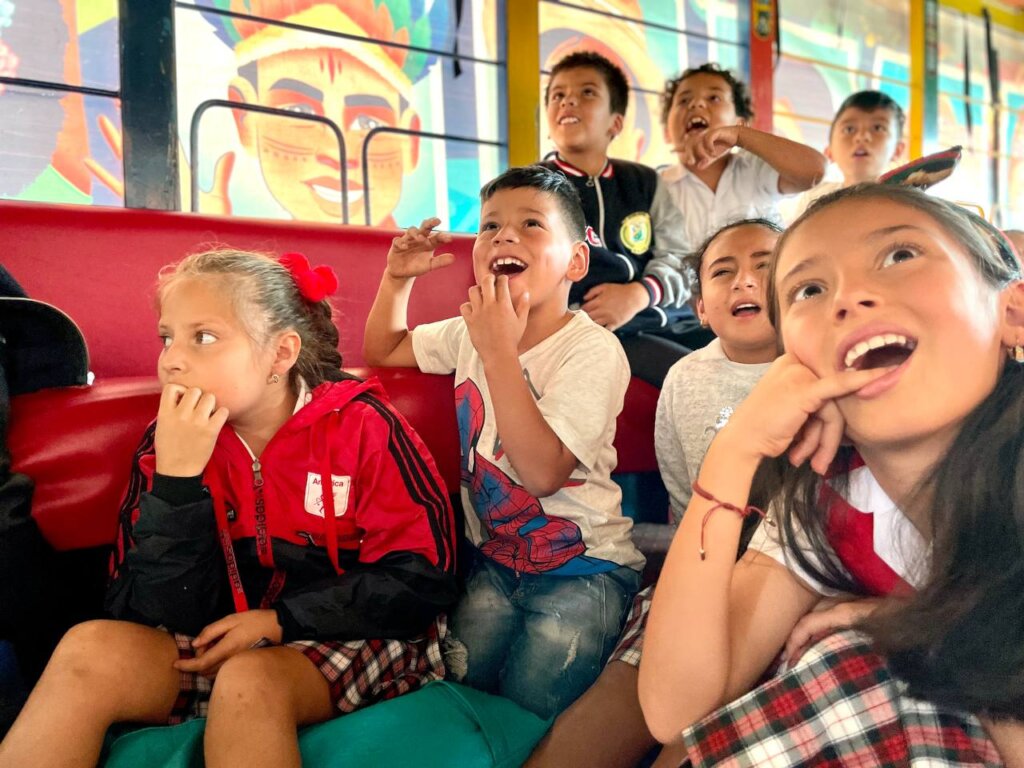
At Women for Conservation, we believe that education is the key to creating change in the fight against biodiversity loss. We see its impact on the ground every day: women and children that are inspired to get involved in conservation and reawaken their love for nature, all through education. Inspiration and love transform into real actions, whether that’s choosing to learn how to compost at home—reducing food waste and recycling nutrients back into the soil—or planting native flowers in your backyard to create a mini sanctuary for disappearing pollinators, or committing to shopping primarily secondhand. If enough people take small actions like these, we can make an enormous difference for nature.
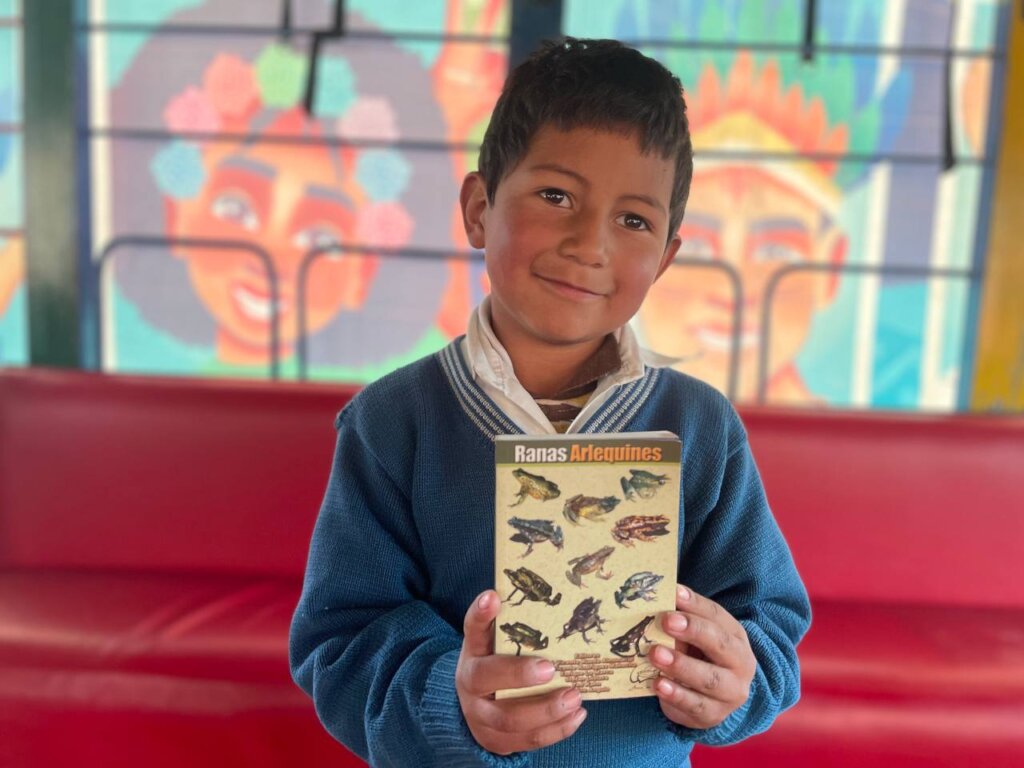
This is why we are dedicated to sharing environmental education with as many people as we can, particularly youth who face socioeconomic barriers to education, those who live in remote communities with difficulty accessing education resources, and those who are traditionally not included in the dialogue about conservation. When everyone has a voice in conservation, we can build stronger, more equitable, and more resilient solutions—ones that actually make a difference in the world.
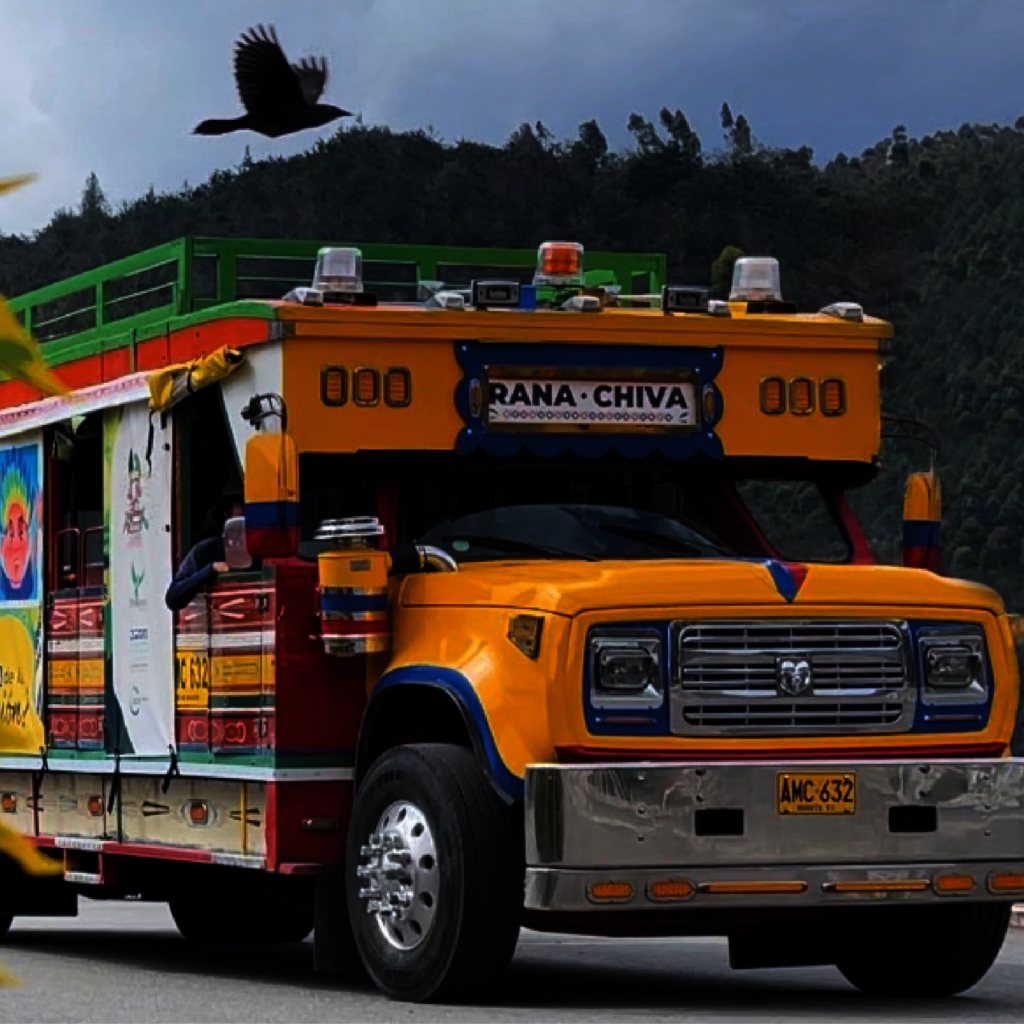
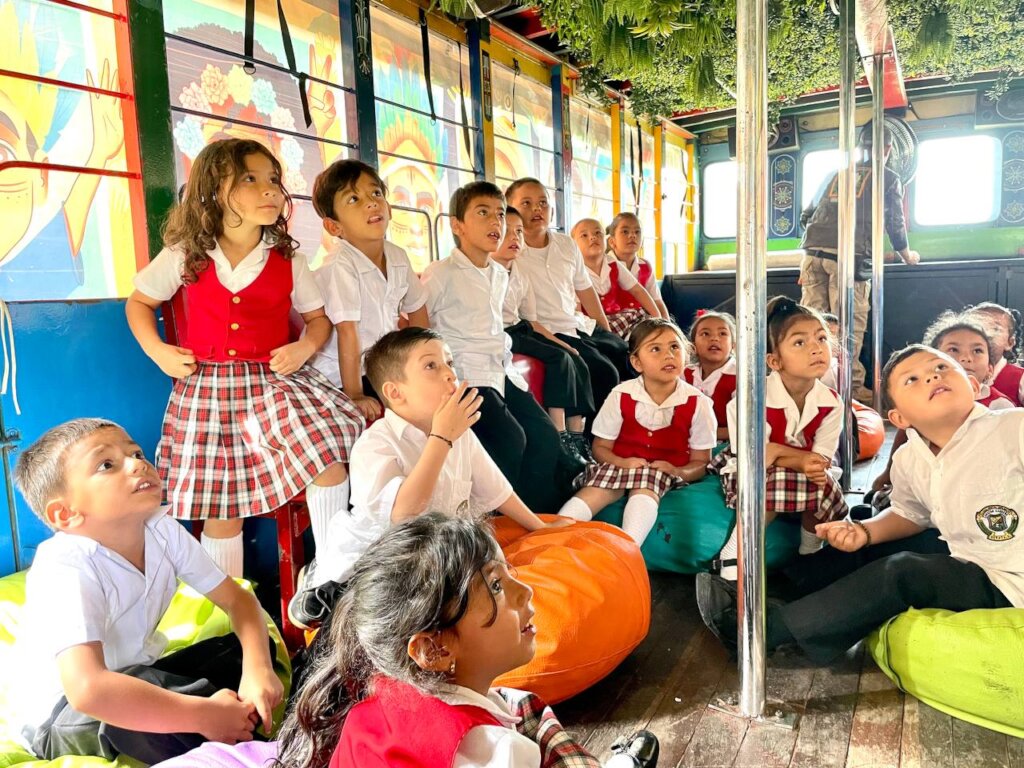
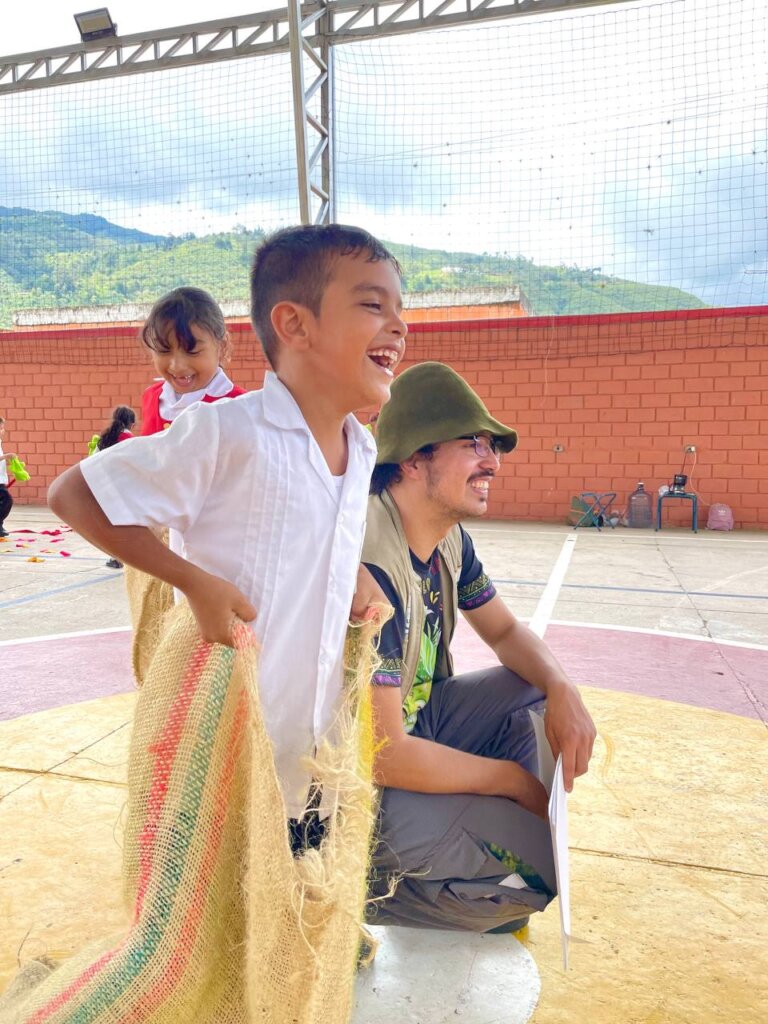
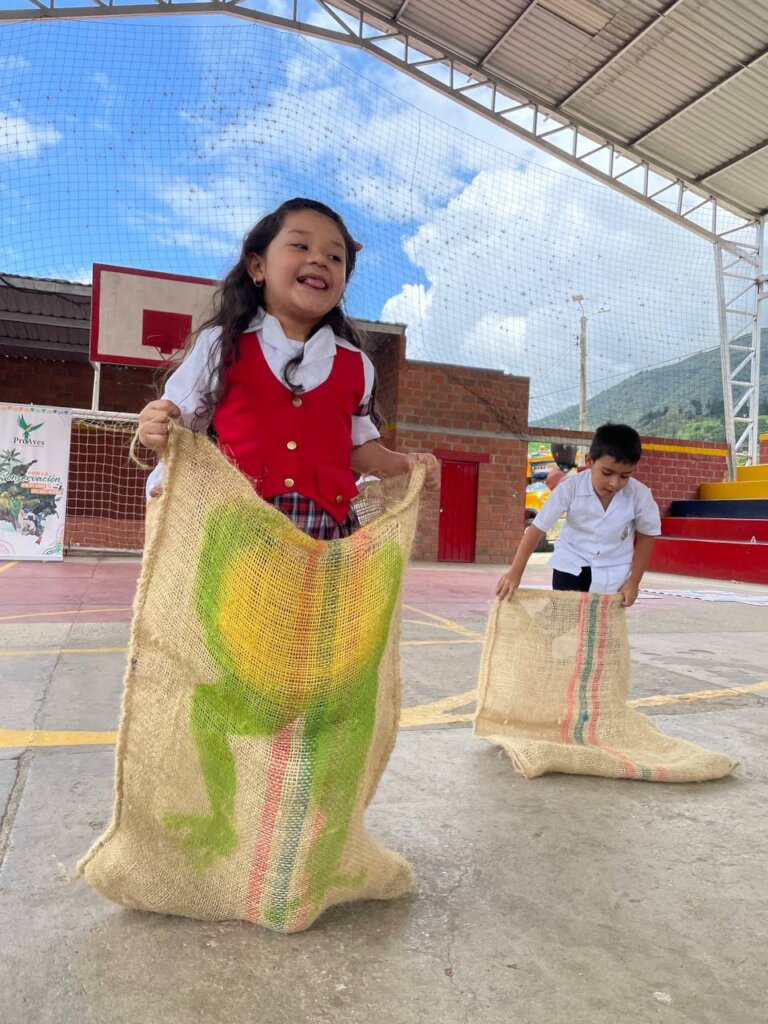
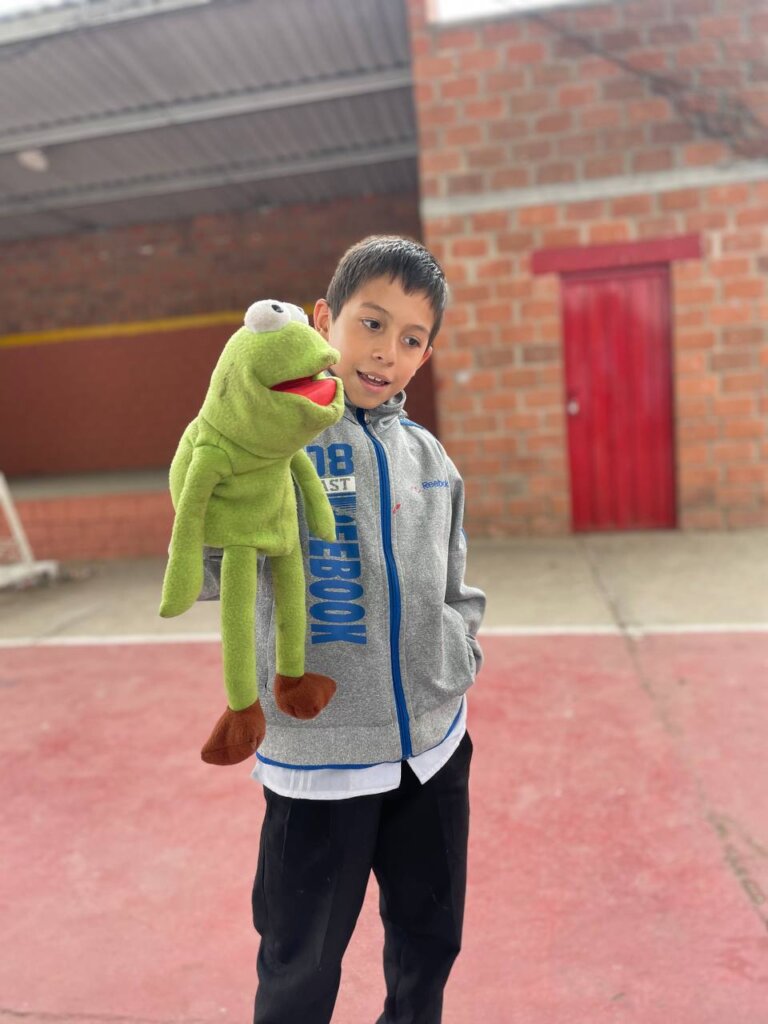
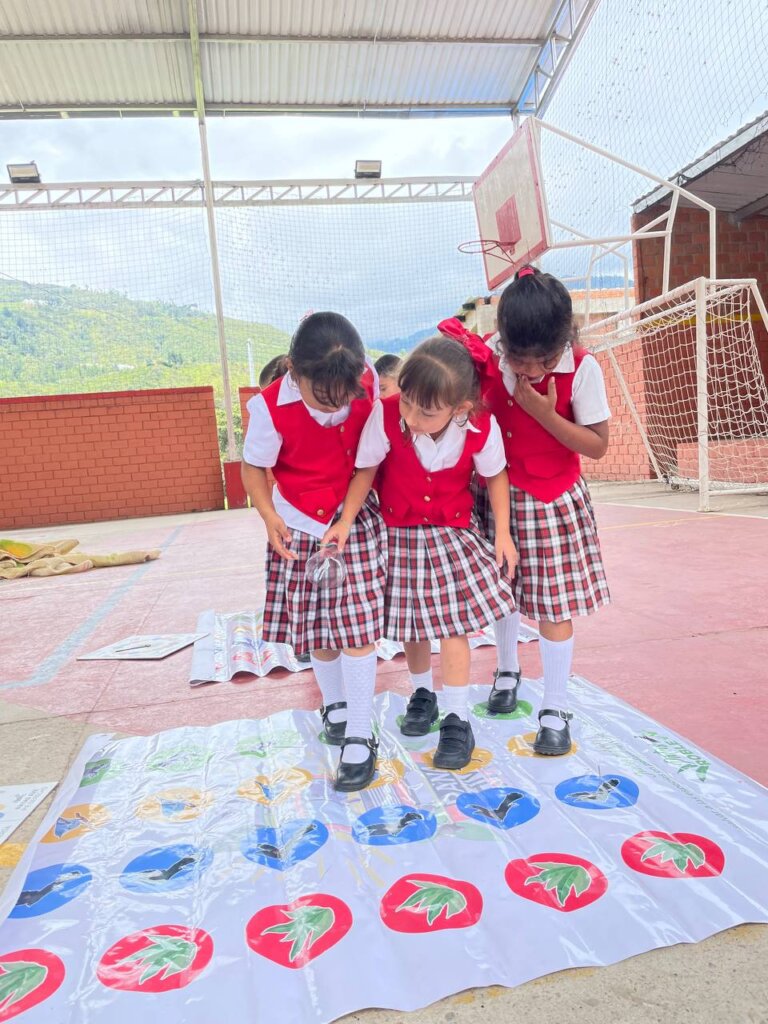
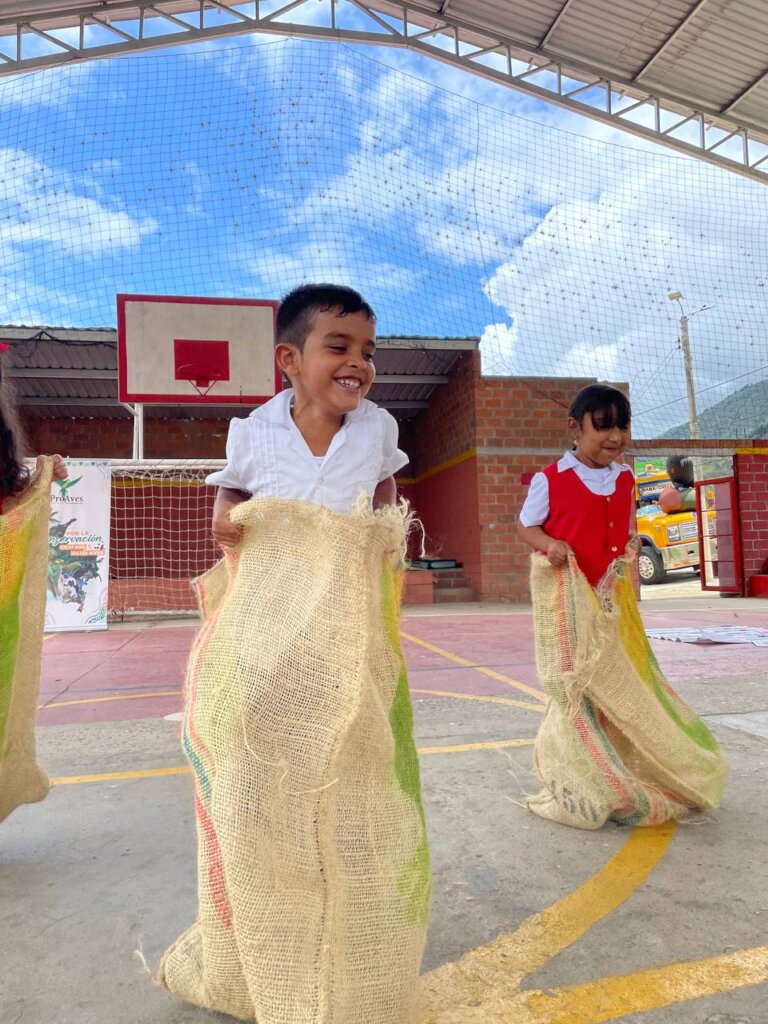
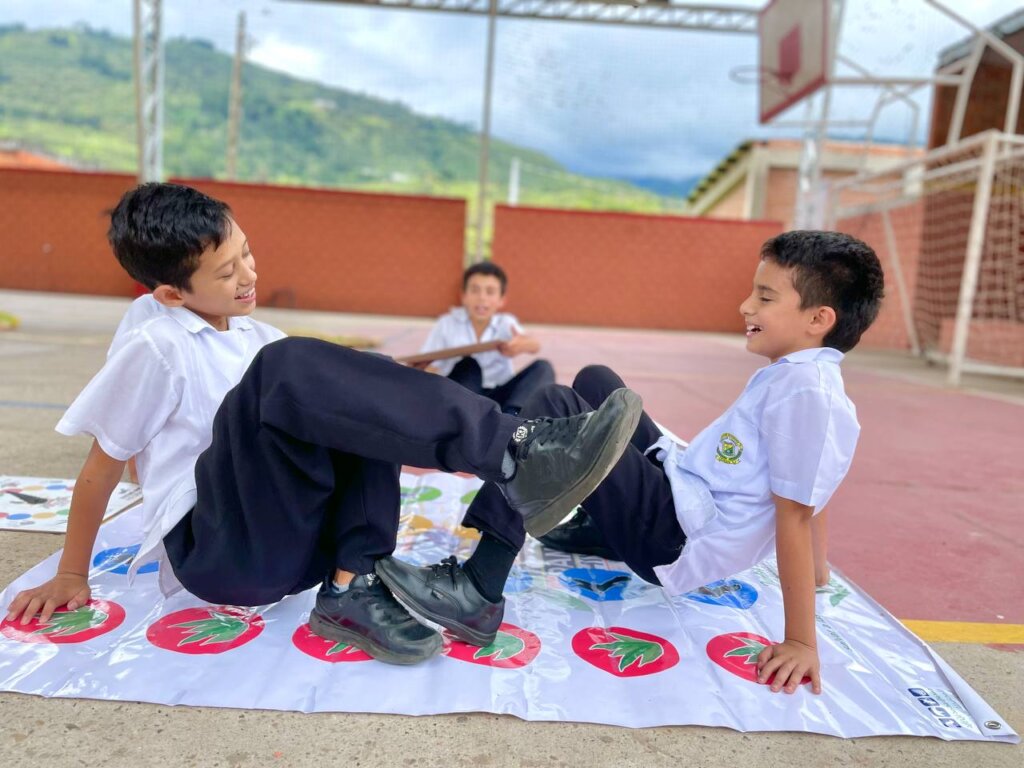
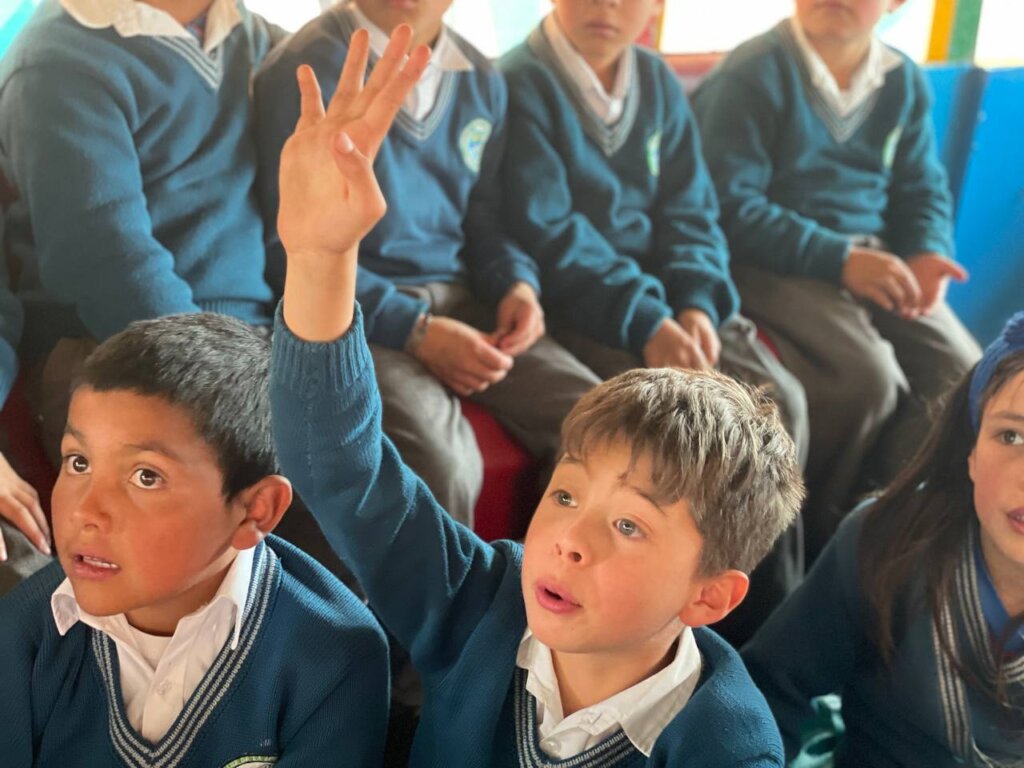
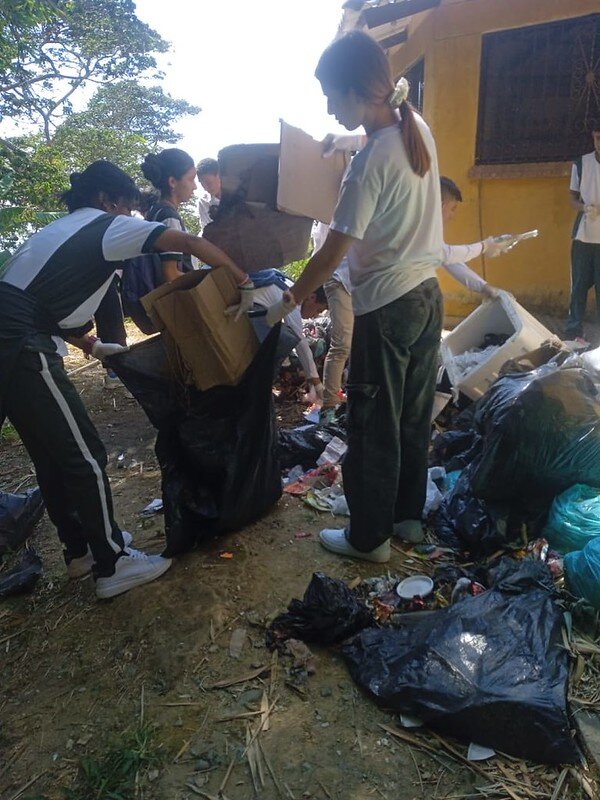
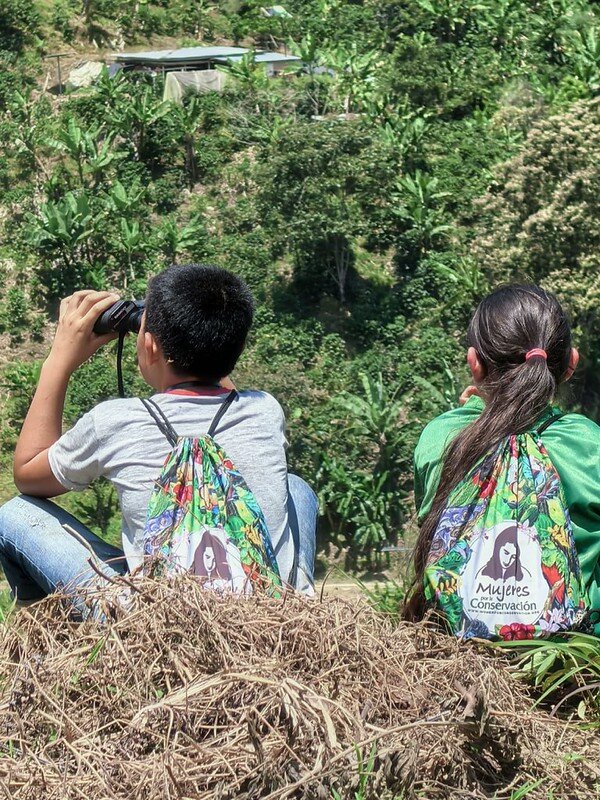
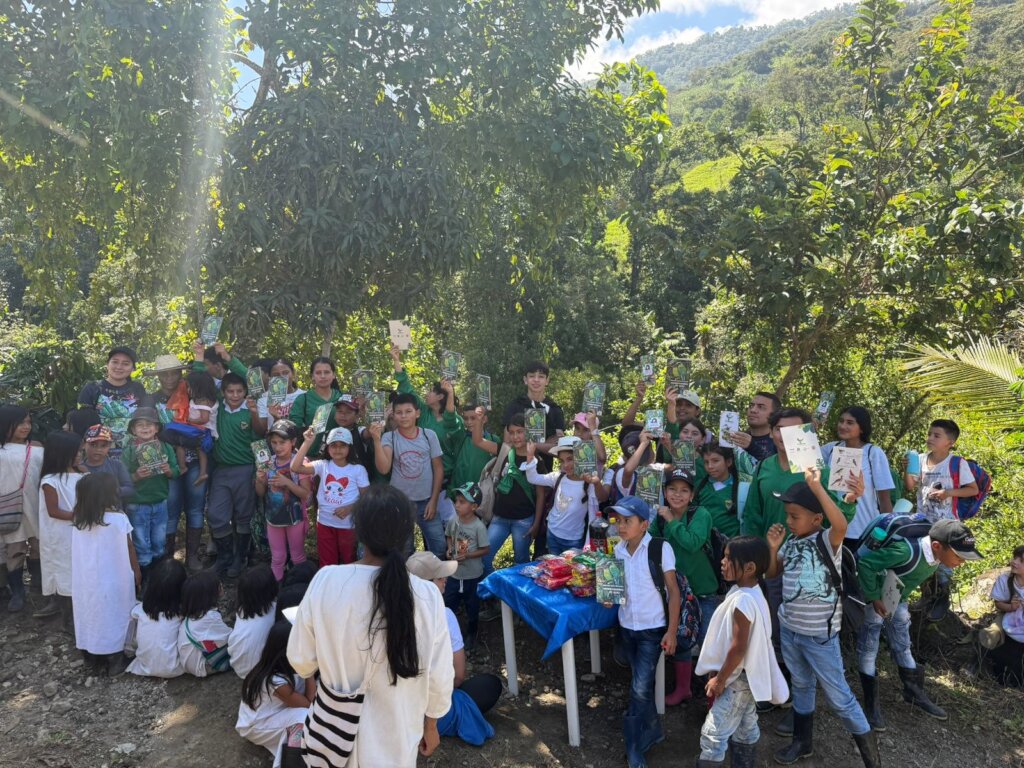
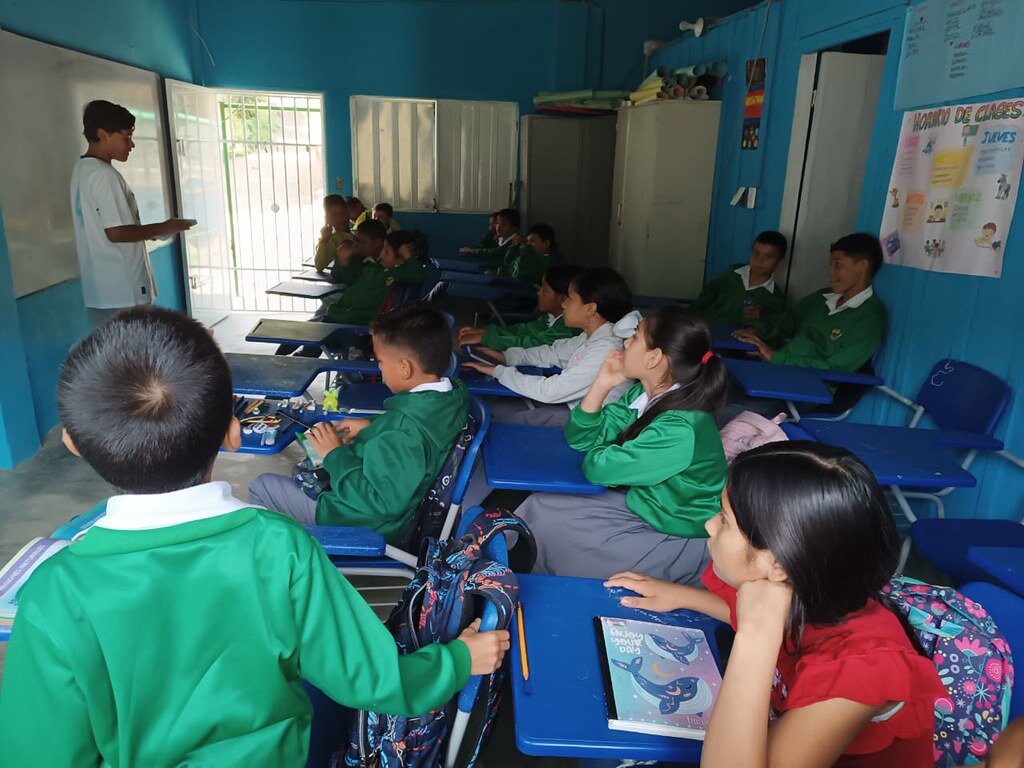
I’d love to share a little about our partnership with Bodega Palestina, a rural school in the Sierra Nevada de Santa Marta, a mountain on the Colombian coast and one of the most biodiverse locations on the planet. Bodega Palestina is a rural education center for students of all ages. Women for Conservation is helping teachers at Bodega Palestina expand their capacity to teach environmental education through hands-on programs, teacher training, and distribution of educational materials. W4C educators led students in constructing a composting system to manage organic waste, facilitated workshops on recycling, community clean-ups, and sustainable lifestyles, and trained students to identify endemic and endangered birds using citizen science platforms such as iNaturalist and eBird.
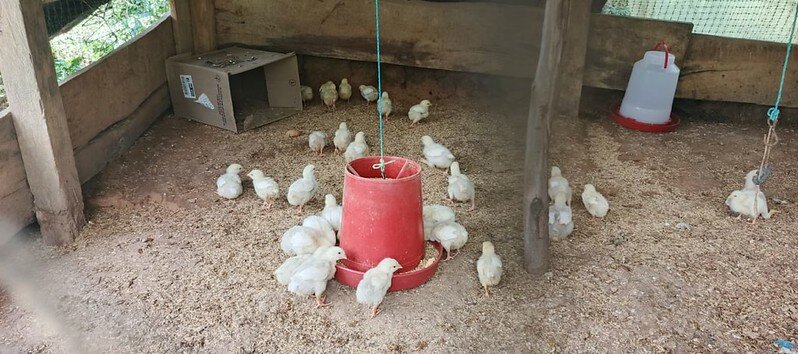
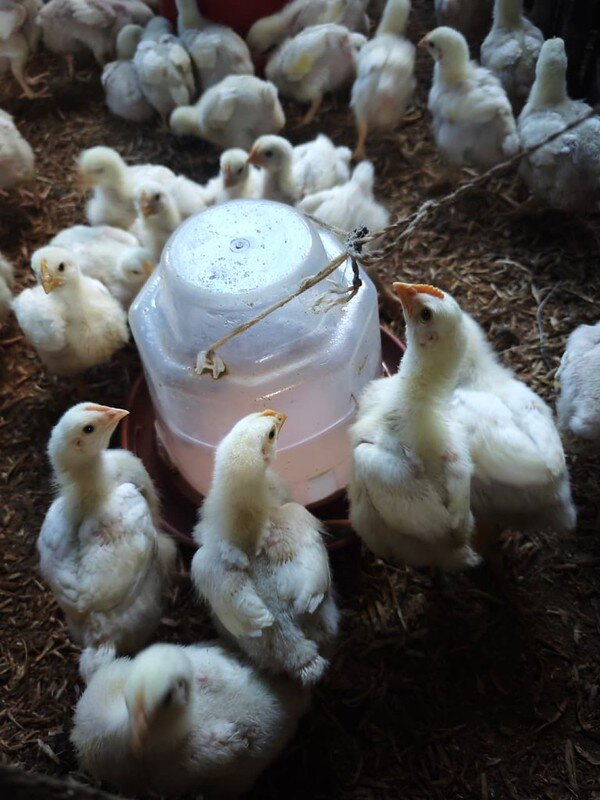
To strengthen sustainable livelihoods, educators delivered 50 chickens and the necessary farming equipment to the school. Teachers and students received training in poultry care and established a sustainable business model that generates income to support the school’s long-term needs. Given the school’s remote location and the difficult road access that frequently limits food deliveries, these initiatives also improve local food security by providing a reliable source of nutritious food for students and staff.
Income generated through these sustainable livelihood activities also helps provide small scholarships, school supplies, and uniforms for the most economically vulnerable students, reducing barriers to education while strengthening community resilience.
Beyond these tangible outcomes, the program is cultivating a new generation of environmental leaders. Students have independently launched and now lead their own conservation initiatives, including Pintando Futuros and Guardianes de la Sierra. These youth-led movements are a direct result of our ongoing two-year environmental education program and demonstrate how sustained investment in environmental education empowers young people to become active stewards of their communities and natural heritage. The project is shaping lifelong environmental values while equipping the Education Center to continue delivering high-quality conservation education for future generations, ensuring that its impact extends well beyond the duration of the project.
This partnership is only possible because of you! Thank you for choosing to support women and youth’s access to education—a universal right, and a critical method for fighting biodiversity loss.
Many thanks,
The Women for Conservation Team
Project reports on GlobalGiving are posted directly to globalgiving.org by Project Leaders as they are completed, generally every 3-4 months. To protect the integrity of these documents, GlobalGiving does not alter them; therefore you may find some language or formatting issues.
If you donate to this project or have donated to this project, you can receive an email when this project posts a report. You can also subscribe for reports without donating.



Support this important cause by creating a personalized fundraising page.
Start a Fundraiser