By Anjani Kumar Harsh | Program Officer
Training Helps Woman Become Role Model in Indian Community
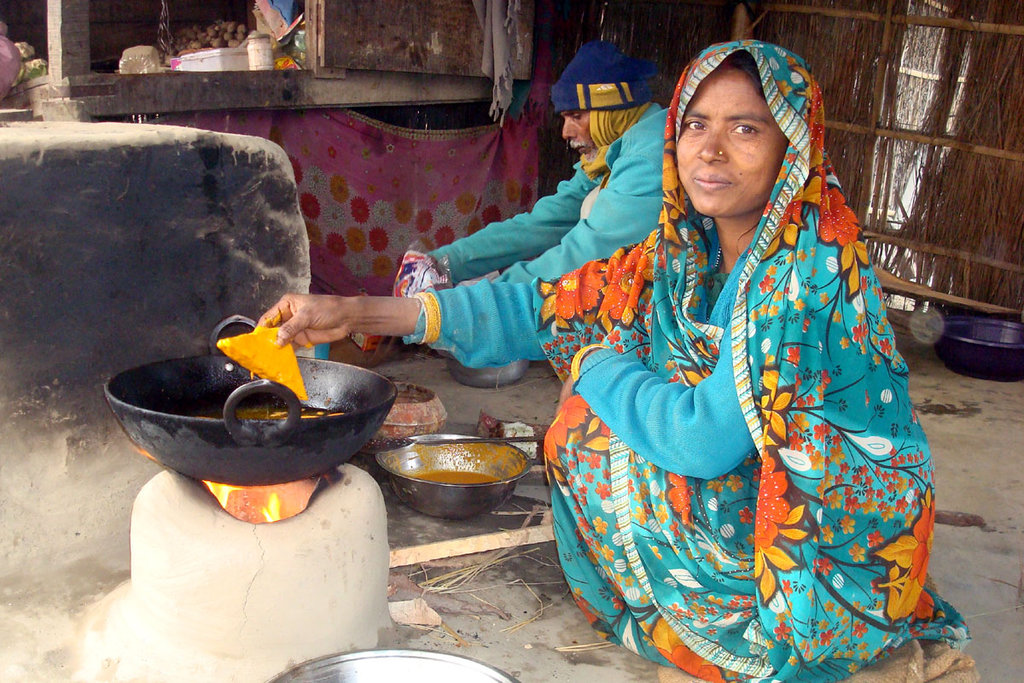
Kaushallya Devi has become an extraordinary example for women in her community. Although she is considered part of the poor, “untouchable” social caste in India, she manages to provide for two daughters and one son.
Before joining Heifer India, her only income was generated from agriculture and working as a day laborer. Her husband had helped support their family, but an accident left him mentally disabled.
Her difficult situation became worse when her brother-in-laws denied her family help. Devi felt hopeless and was now solely responsible for her three children and her husband’s treatment.
Heifer India’s project holder, Ghoghardiha Prakhand Swarajya Vikas Sangh (GPSVS), approached Devi and encouraged her to join the project Promoting Socio-economic Transformation of Marginalized Communities through Agriculture and Livestock Management in Madhubani.
Her poor economic condition led her to join the project. She contributed to the Self-help group’s (SHG) monthly saving fund and received training on SHG management. Devi eagerly participated in every training and group activity in order to build a better life for her family. Heifer’s intervention also allowed her to receive training on Heifer’s 12 Cornerstones for Just and Sustainable Development, gender equality and women’s empowerment.
Her dedication and talent made her an excellent candidate for a Community Animal Health Worker (CAHW). Over 10 days of training, Devi learned about animal care and treatment at the GPSVS Center. She advanced quickly to Improved Animal Management (IAM) training and received a medicine kit to begin treating livestock.
Now, she provides local communities with basic veterinary care and earns enough income to support her family’s needs. Devi generates 125 Indian rupees (about $2) per day and more than 3,500 Indian rupees (about $57) each month. This income may seem meager, but it allows her children to attend school and pays for her husband’s treatment at Dharbhanga Hospital.
Devi said although she still has struggles to overcome, she will continue to learn. “I may walk through dark valleys, but I will still work for my economical sustainability and a better future.”
Project reports on GlobalGiving are posted directly to globalgiving.org by Project Leaders as they are completed, generally every 3-4 months. To protect the integrity of these documents, GlobalGiving does not alter them; therefore you may find some language or formatting issues.
If you donate to this project or have donated to this project, you can receive an email when this project posts a report. You can also subscribe for reports without donating.