Project Report
| Jul 11, 2026
Purchase A Village Ambulance
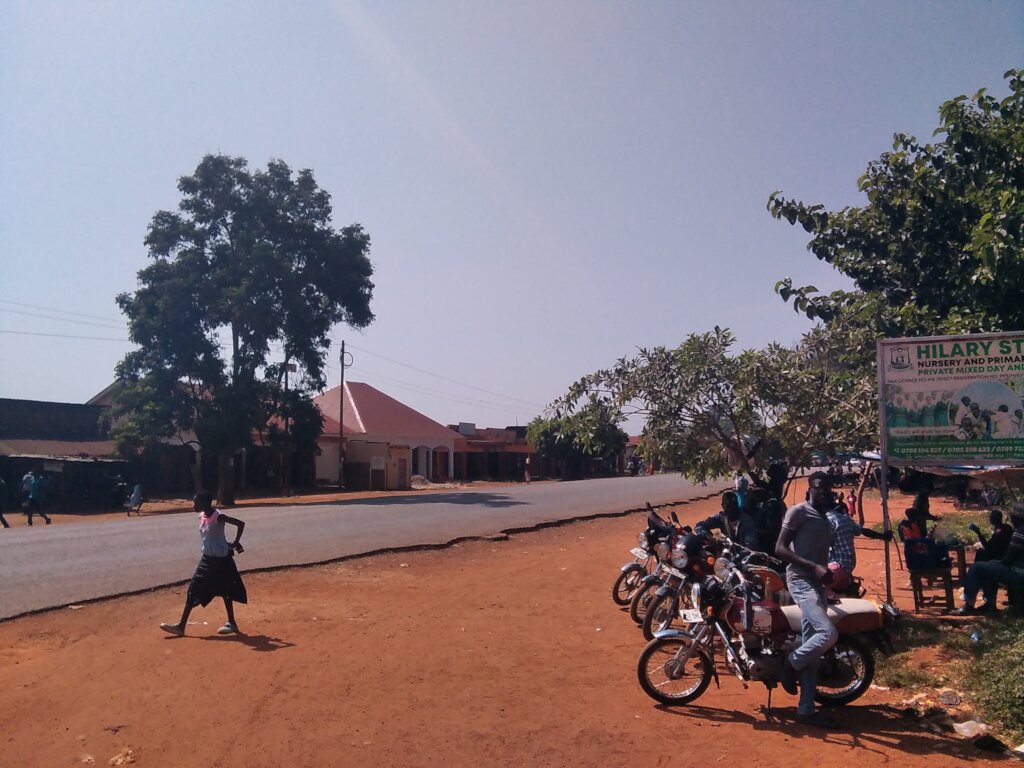
![Highway, hotspot for motorcycle riding villager's]()
Highway, hotspot for motorcycle riding villager's
The Aparis Community ambulance project in Kumi, Uganda, is aiming to raise a $50,000 goal to purchase and equip motorized tricycle or motorcycle trailer ambulances.
Project Status & Funding
- Funding Progress: The project has raised a small portion of its target on the GlobalGiving platform, meaning the primary custom ambulance has not yet been fully purchased.
- Budget Requirements: The project leaders require specific incremental funding to sustain operations. This includes $10 monthly for communication and fuel costs, $15 for rider salaries, and $120 for maintenance.
Operational Goals
- Transport: The pedal-powered or motorized "tuk-tuk" style trailers will transport patients from remote, hard-to-reach areas of Kumi to local health centers.
- Impact: The initiative aims to lower infant and maternal mortality rates by reducing delays in seeking emergency care.
The village ambulance program in Aparis village, Kumi District, hasn't successfully transitioned to active operation. This initiative aims to provide motorized and pedal-powered tricycles designed to transport patients—especially pregnant women, accident cases and sick children—from hard-to-reach rural areas to local health centers.
Program Progress & Status:
- Fleet Deployment: The community hasn't procured and deployed village ambulances (specifically low-cost pedal-powered and motorized tricycles/trailers) to navigate rough dirt roads inaccessible by standard cars.
- Impact: The localized ambulance will reduce travel times drastically, which is critical in preventing maternal and infant deaths.
- Community Management: The program will operate on strong community ownership to coordinate the dispatch and maintenance of the vehicles.
- Operational Costs: Funding for fuel (approximately $10 per month) and driver allowances (approximately $135 per month) is partially will be supported through community solidarity funds and international grants.
The community-driven effort relies on localized funding to maintain operations, purchase bases, and keep the ambulance running smoothly.
- Vehicle Funding: Funds are actively being raised to cover the cost of fabricating and customizing tricycle or motorcycle ambulances.
- Ongoing Operating Costs: Financial support is consistently needed to pay local riders/drivers, purchase safety gear, cover fuel, and manage maintenance, tires, and communication airtime.
- Community Impact: These mobile, local transportation solutions provide a vital, dignified alternative to precarious boda-boda (motorcycle) rides, allowing pregnant women and the sick to access emergency care rather than staying home.
You can view detailed updates on the initiative, read field traveler verifications, and directly support or track the program's funding goals by visiting the
GlobalGiving Buy Tricycle Ambulance report page.
Conclusion
The Aparis Village tricycle ambulance project (located near Kumi) is to procure low-cost, pedal-powered or motorized tricycle trailers to transport patients safely to local health centers. The project will operate on donations and public funding to lower maternal and infant mortality rates by bridging critical transportation gaps in rural Uganda
To view project milestones, track the financial support, or read field reports detailing how these vehicles are lowering maternal mortality in the community. You can track the ongoing funding progress or make a contribution on the GlobalGiving donation and reporting page
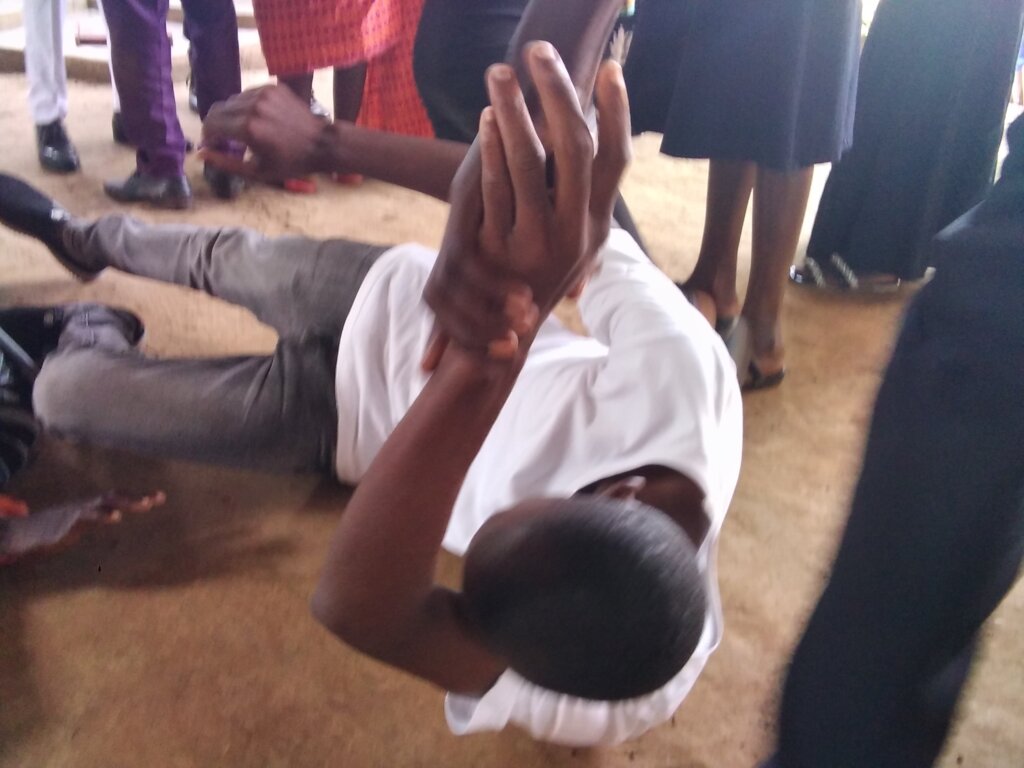
![Road accident victim, no community ambulance]()
Road accident victim, no community ambulance
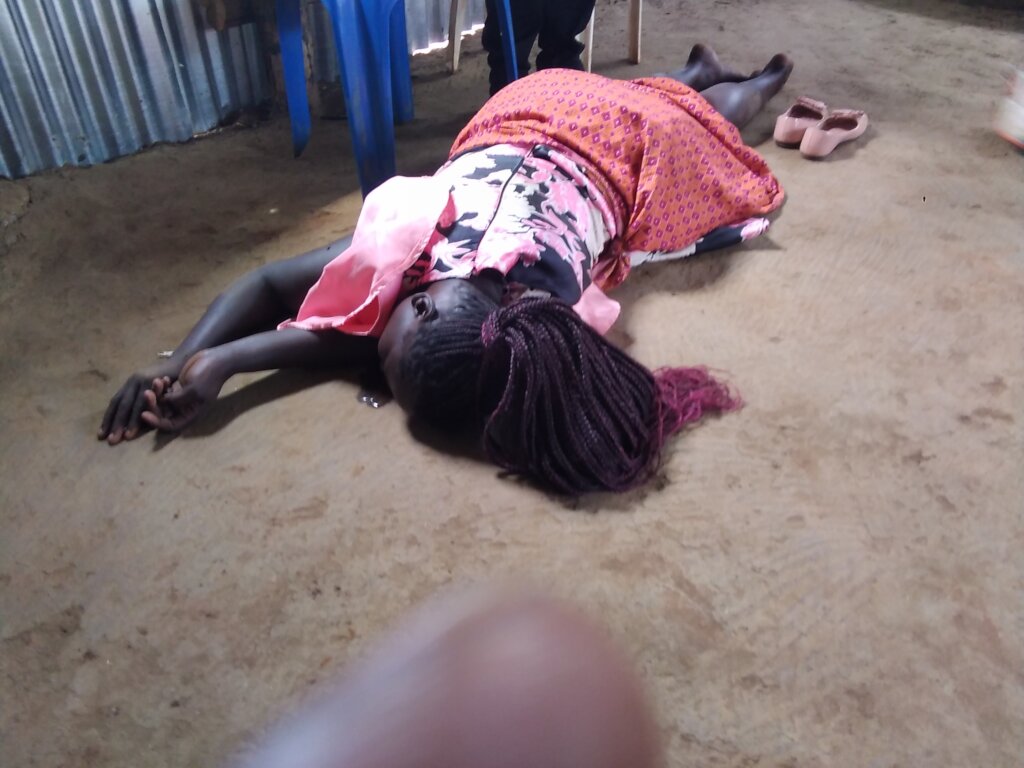
![Road accident victim, woman passenger, no ambulanc]()
Road accident victim, woman passenger, no ambulanc
![Share on Twitter]()
![Share on Facebook]()