By Nikita Nicheperovich | Volunteer Teacher
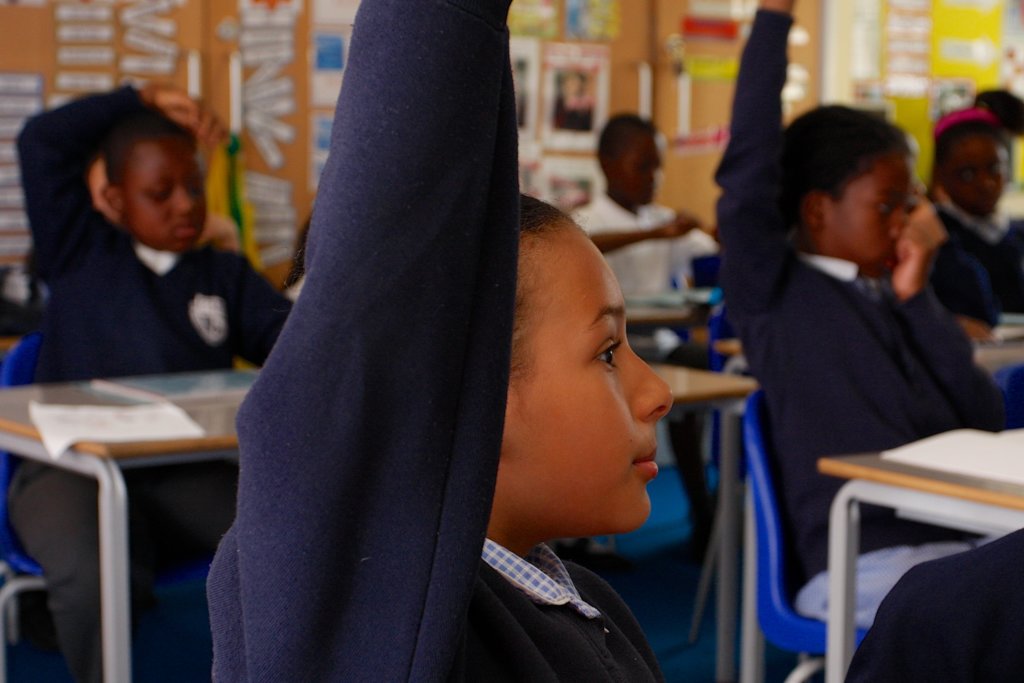
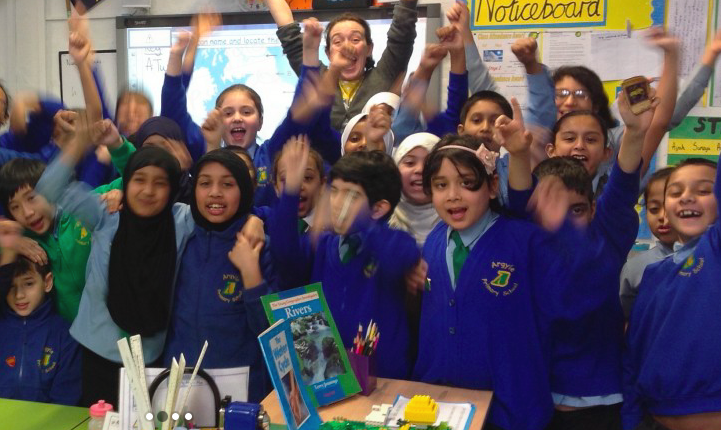
As The Latin Programme seeks to improve English literary in state primary schools through the study of Latin, we use a diverse range of teaching methods to make learning Latin accessible, engaging and fun. One of these involves the use of songs and raps to teach children aspects of Latin grammar.
Any student of Latin dreads learning the endless grammar tables. Surely they can only be learned through mere repetition? Well, it has in fact been scientifically proven that words set to catchy music make it easier to remember those pesky bits of grammar!
Music and education have been talked about as a match made in heaven since the middle of the last century. An article from 1969, for example, states that ‘songs provide a means of increasing the amount of repetition possible without losing the learner’s interest’, and so ‘help the teacher by consolidating his teaching’.[1] Yet new scientific research has come to light since the turn of the millennium, and has shown that rhythmical music lyrics can ‘itch’ our brain into creating memories.[2] What’s even more interesting is that repetitions of that particular piece then ‘scratch’ the itch, and help us to produce clearer memories of the images invoked by the lyrics!
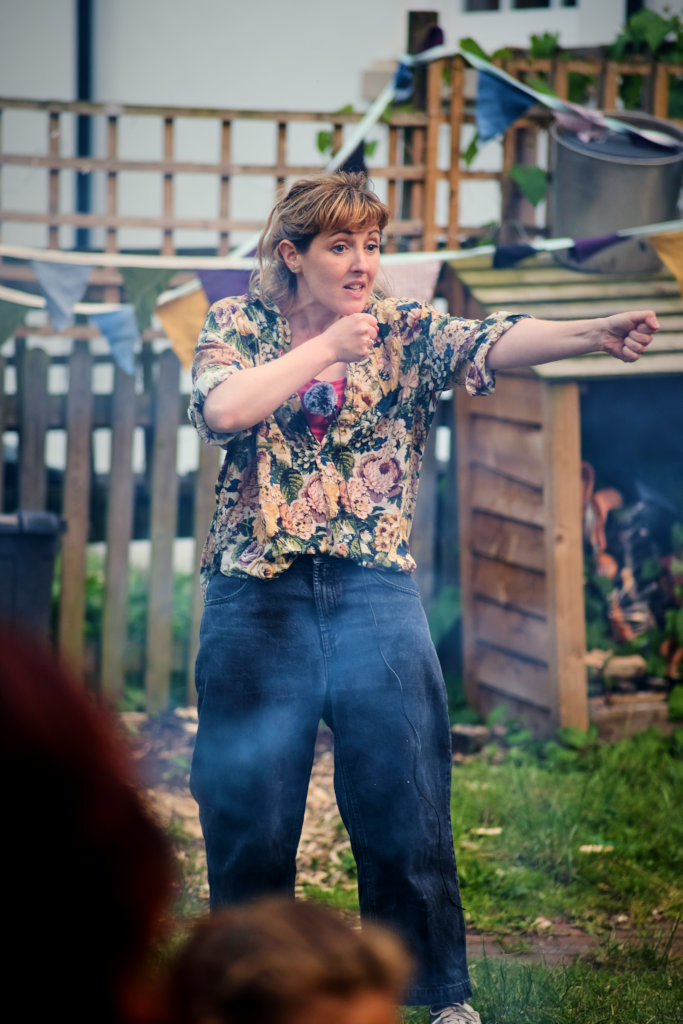
With this in mind, our teaching syllabus aims to use songs to their full potential. Songs composed by our teachers are then sung by the students, which are used to reinforce the teaching throughout the lesson. While we are always looking to increase our repertoire, the current favourites include the ‘Noun Song’ and the ‘First Declension Song’, composed and recorded by our teacher Jonathan Goddard!
Examples of our songs and can be found by following the links below –
‘Noun Song’ – https://soundcloud.com/user-549272957/noun-song
‘Bo Bis Bit Song: The Future Tense Song’ – https://soundcloud.com/user-549272957/bo-bis-bit-the-future-tense-song
‘The Case Song’ – https://vimeo.com/68384986
‘How we teach Latin and literacy’ – https://vimeo.com/139577445
--
[1] Richards, J. (1969) ‘Songs in Language Learning’, TESOL Quarterly, Vol. 3, No. 2, pp. 161-174.
[2] Anuta, J. (2006) Probing Question: What Makes a Song Catchy? (http://news.psu.edu/story/141354/2006/06/05/research/probing-question-what-makes-song-catchy)
Project reports on GlobalGiving are posted directly to globalgiving.org by Project Leaders as they are completed, generally every 3-4 months. To protect the integrity of these documents, GlobalGiving does not alter them; therefore you may find some language or formatting issues.
If you donate to this project or have donated to this project, you can receive an email when this project posts a report. You can also subscribe for reports without donating.