By Kimcha Rajkumar | Programme Director
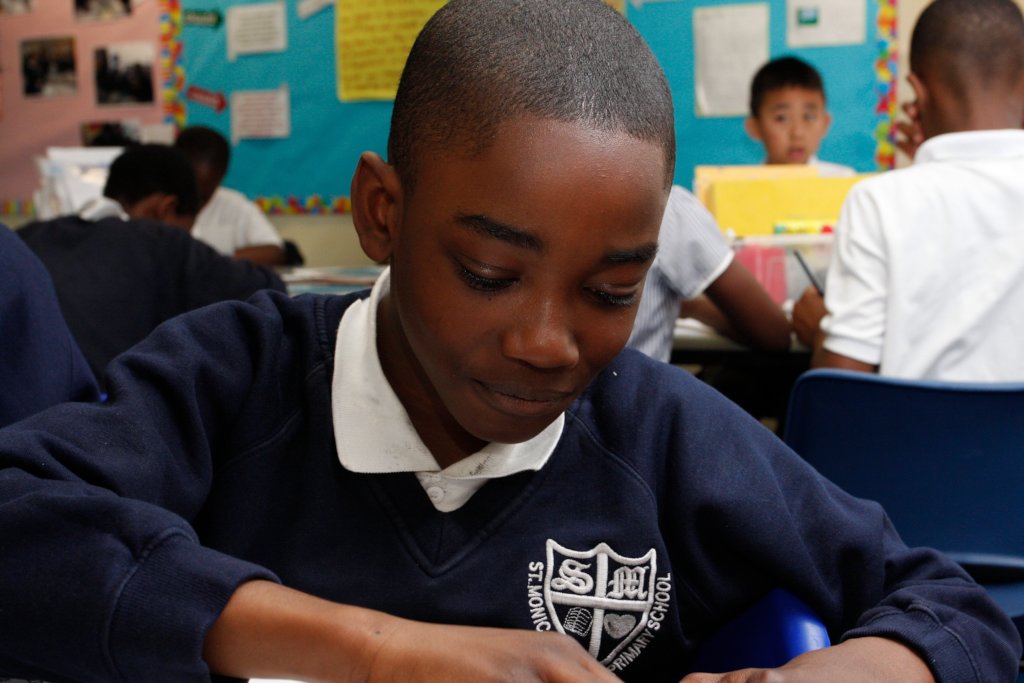
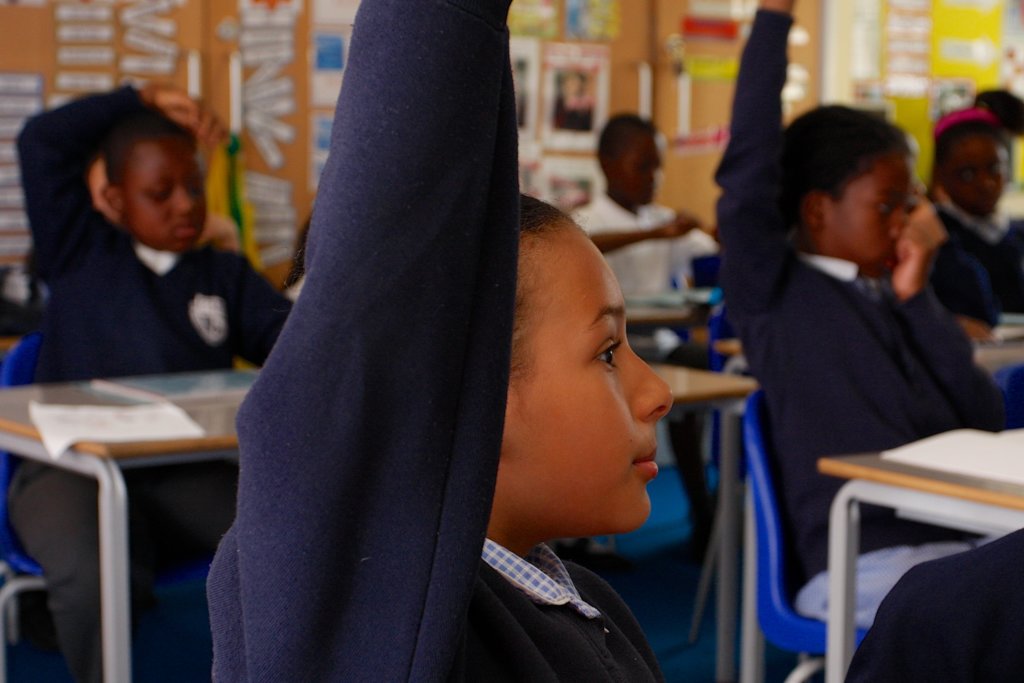
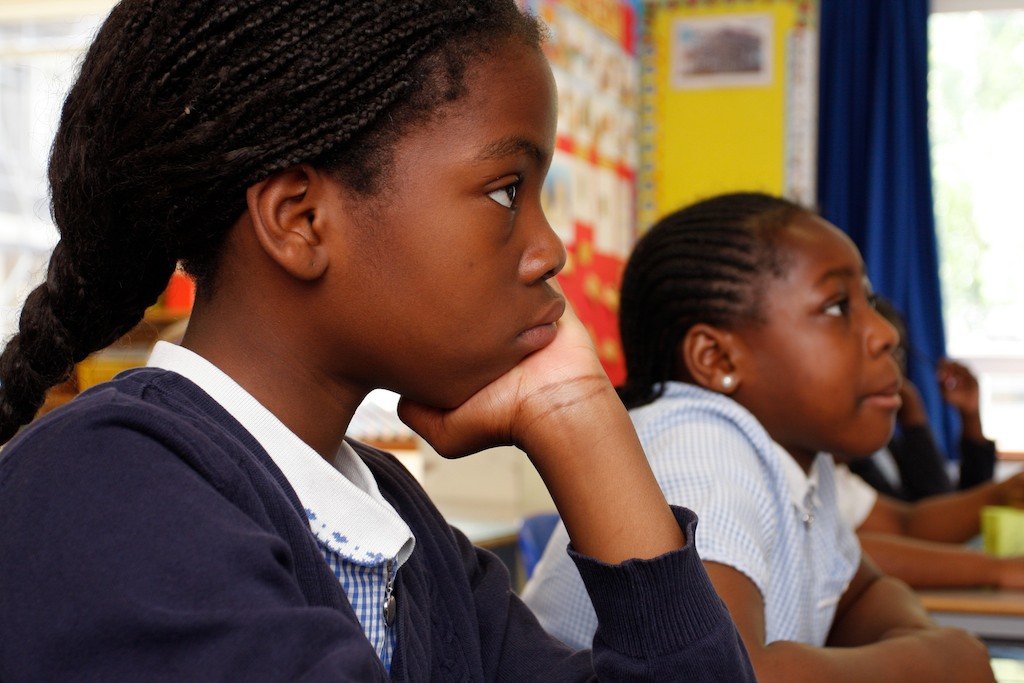
Essential to The Latin Programme approach is the wide variety of teaching techniques we use to excite, inspire and engage children. Games, songs, raps, drama, critical thinking and storytelling are all indispensible to the programme, each offering children different experiences and opportunities for learning.
As National Storytelling Week falls in February we thought we'd focus this update on how The Latin Programme uses stories and storytelling to solidify the Latin and literacy learning of our students.
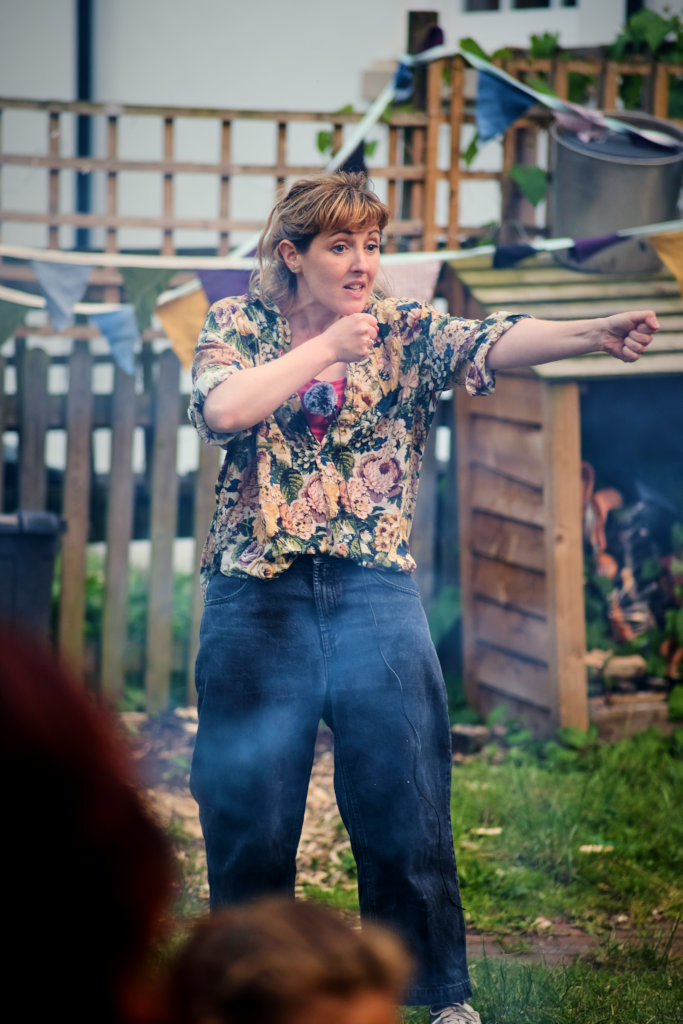
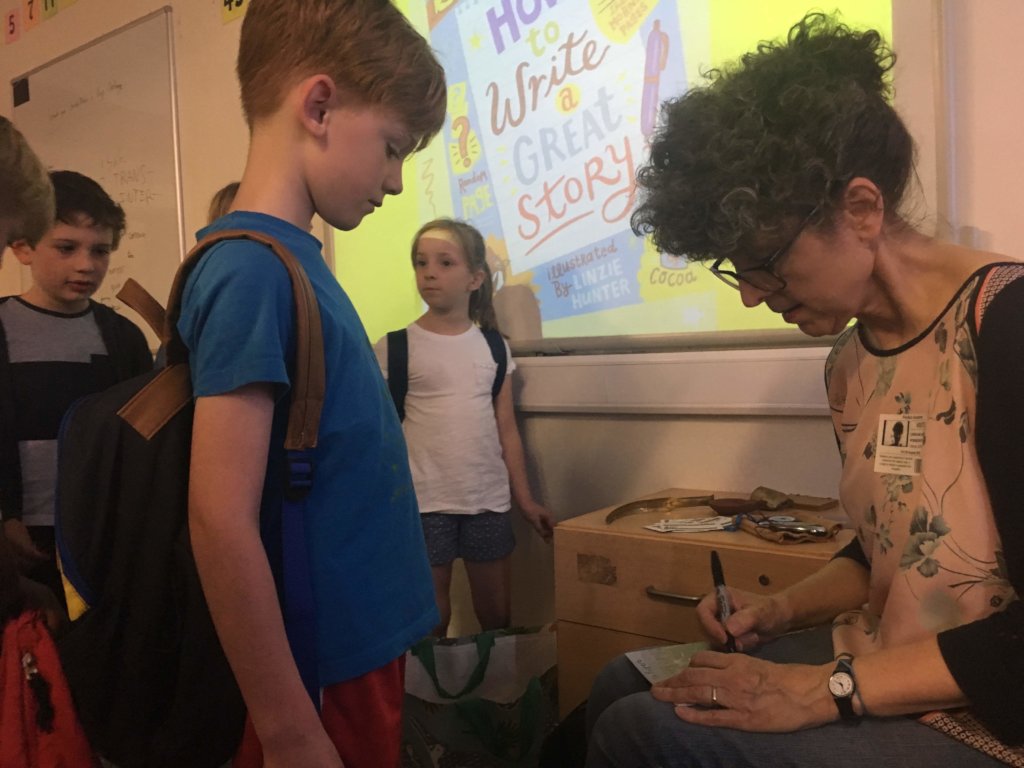
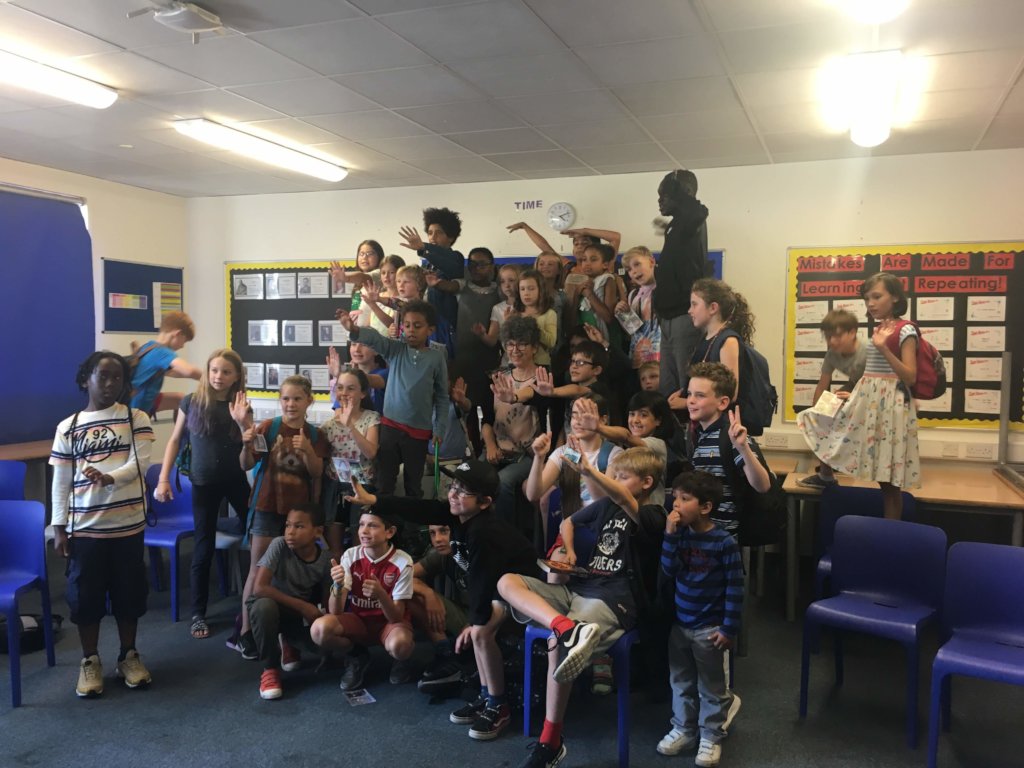
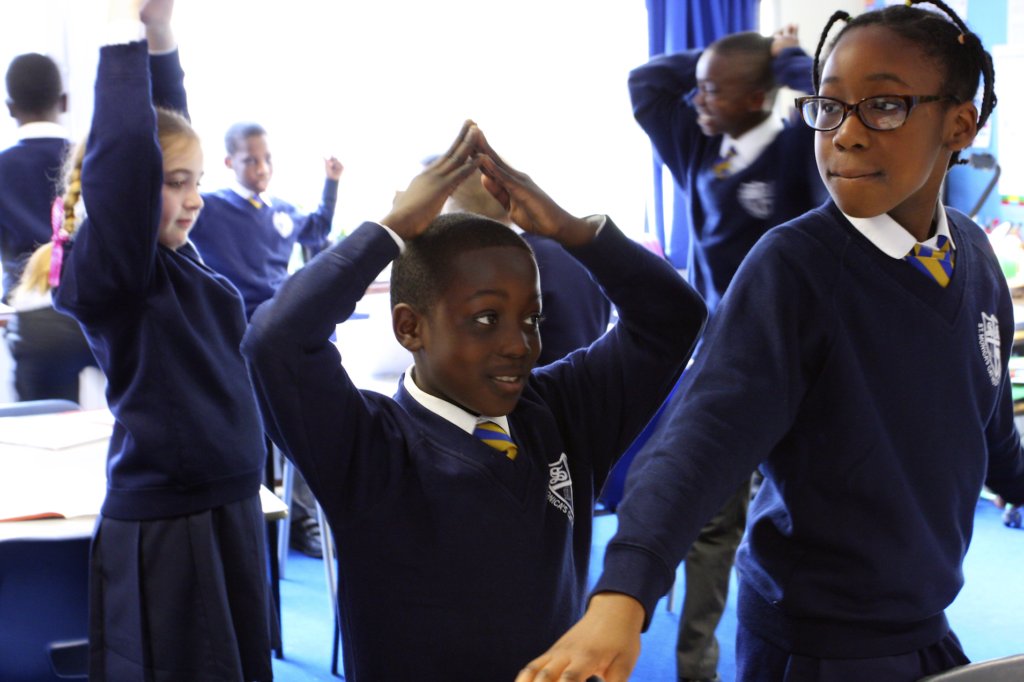
At the end of each term professional storytellers visit our classrooms and recount ancient Greek and Roman myths. Each session begins with a short drama skit in which students play the roles of characters from the story they are about to hear. This kinaesthetic learning solidifies their knowledge of Latin conversation, builds their confidence and offers children who do not excel at paper-and-pen-based activities another way to engage. Our storytellers then perform and by retelling a tale that has been told for thousands of years they invite students to explore universal themes and complex emotions that empower and transport.
In our first ever podcast below we meet and talk to two of our storytellers, Lucy and Alys about telling tales, learning language and accessing culture. Have a listen and let us know what you think.
Links:
Project reports on GlobalGiving are posted directly to globalgiving.org by Project Leaders as they are completed, generally every 3-4 months. To protect the integrity of these documents, GlobalGiving does not alter them; therefore you may find some language or formatting issues.
If you donate to this project or have donated to this project, you can receive an email when this project posts a report. You can also subscribe for reports without donating.