By Kimcha Rajkumar | Programme Director
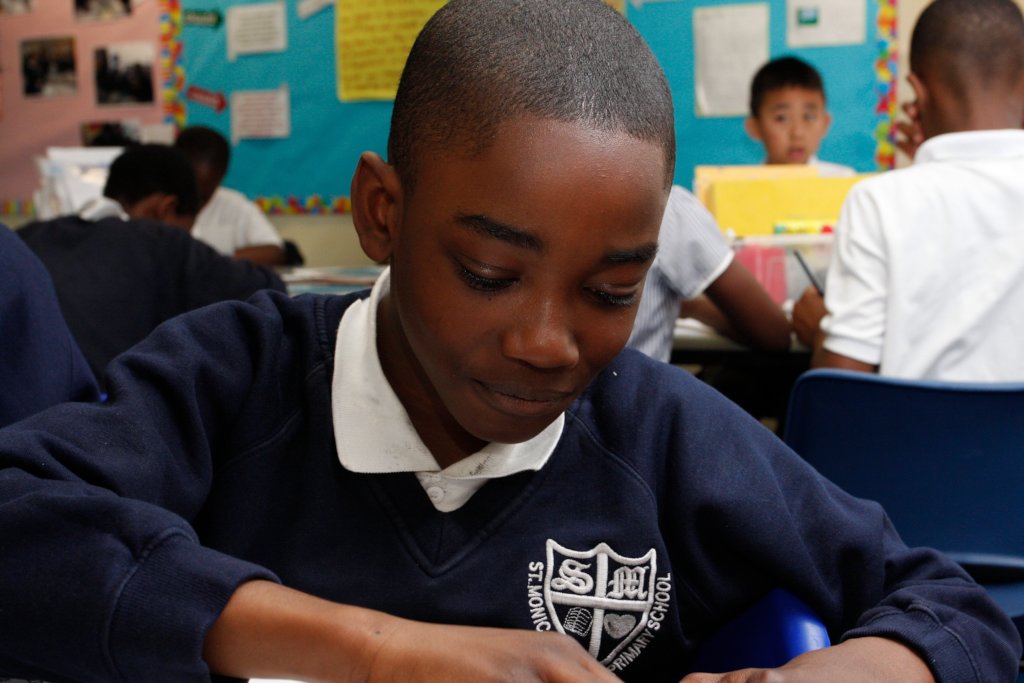
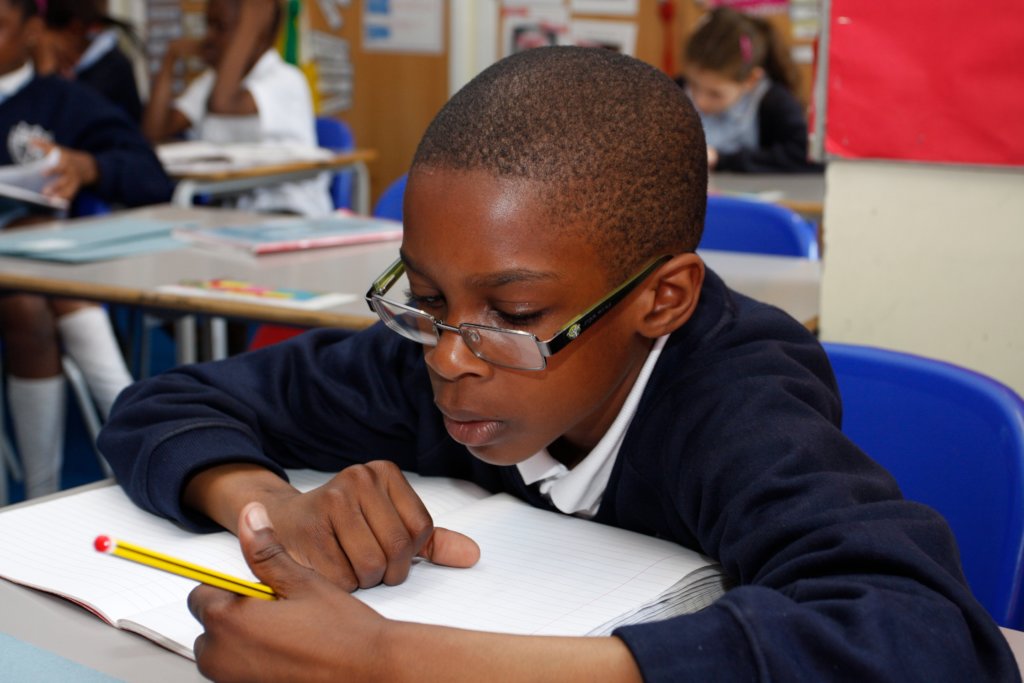
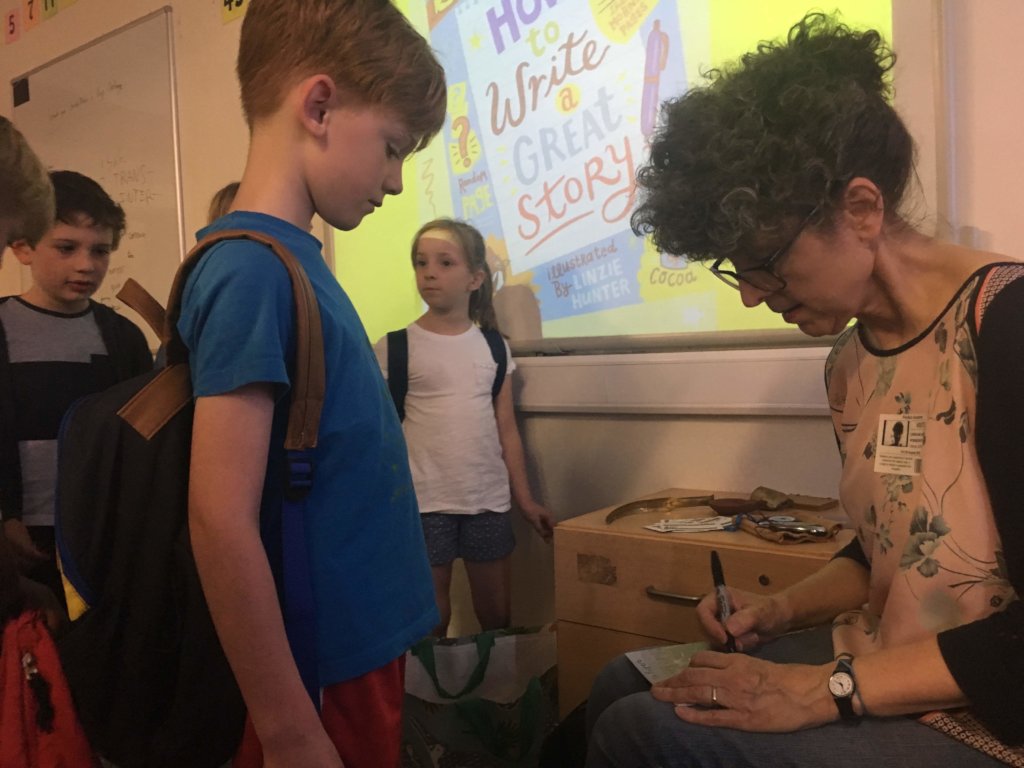
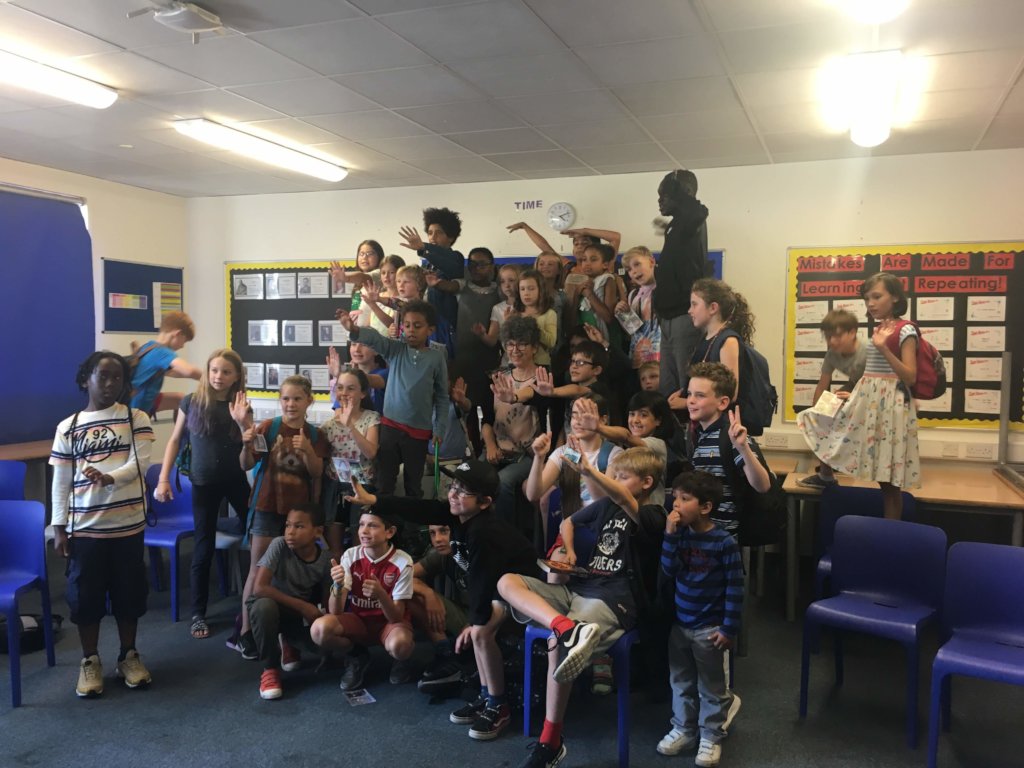
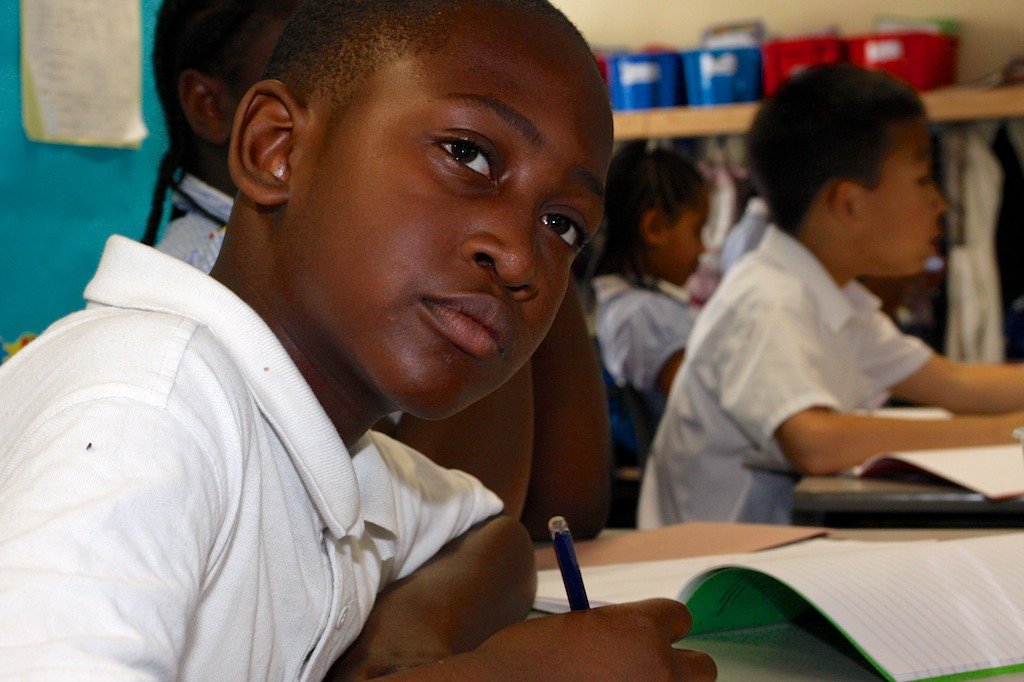
The Latin Programme works in inner-city London state schools to improve children’s literacy through the study of Latin. Based as we are in one of the world’s most cosmopolitan cities our students come from across the globe; last year 71% of the children participating in The Latin Programme were from minority ethnic backgrounds and 57% did not speak English as their mother tongue (this differs significantly from the national average, where 25% of pupils are form a minority ethnic background and 16% do not have English as their first language).
We find Latin plays a surprising and unique role in these diverse classrooms. It is a unifying subject and acts as a ‘tabula rasa’ (‘blank slate’) for all students – as no one speaks Latin at home… except the Pope!
Latin Programme teachers make sure to include non-English speakers in all activities, inviting them to bring words from their home languages into the classroom to compare meanings, spellings and sounds. For example, while the word for queen in Latin is ‘regina’, children might learn that in Polish it’s ‘królowa’ and in Turkish it’s ‘kraliçe’. This cross-cultural sharing encourages children who might otherwise remain on the sidelines to participate in classroom activities, which in turn increases their confidence and gives native speakers a chance to learn new vocabulary. Children who have spoken English for all their lives find that Latin (as the base of over 60% English words and 90% of those with more than 2 syllables) provides them with a magical key to unlock the meanings of ‘difficult’ words, like regal or superiority or aquarium or portable etc. (from the Latin ‘et cetera’ meaning ‘and the rest’).
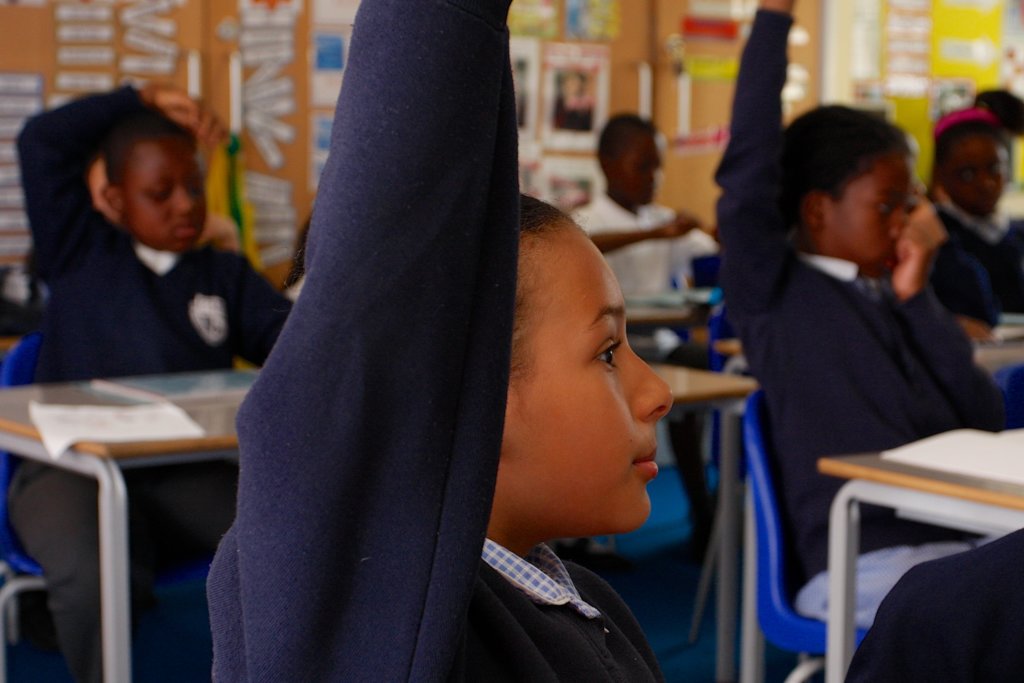
The Latin Programme works to foster a classroom environment where sharing and discovery are central, generating enthusiasm and excitement about learning that spreads across to other subjects too. One of our parents recently wrote to us:
“I can say without a doubt that Aran has found this class to be one of the most enjoyable classes taught at the school. He has told me that everyone in the class is engaged irrespective of their abilities which shows what an excellent teacher can be like and do; an excellent addition to the curriculum which has helped enormously with Aran’s grammar and understanding of language.”
Project reports on GlobalGiving are posted directly to globalgiving.org by Project Leaders as they are completed, generally every 3-4 months. To protect the integrity of these documents, GlobalGiving does not alter them; therefore you may find some language or formatting issues.
If you donate to this project or have donated to this project, you can receive an email when this project posts a report. You can also subscribe for reports without donating.