By Jason Davis | Journalist and Digital Editor
In late May, LightSail 2's partner spacecraft, Prox-1, shipped to the Air Force Research Laboratory in Albuquerque, New Mexico.
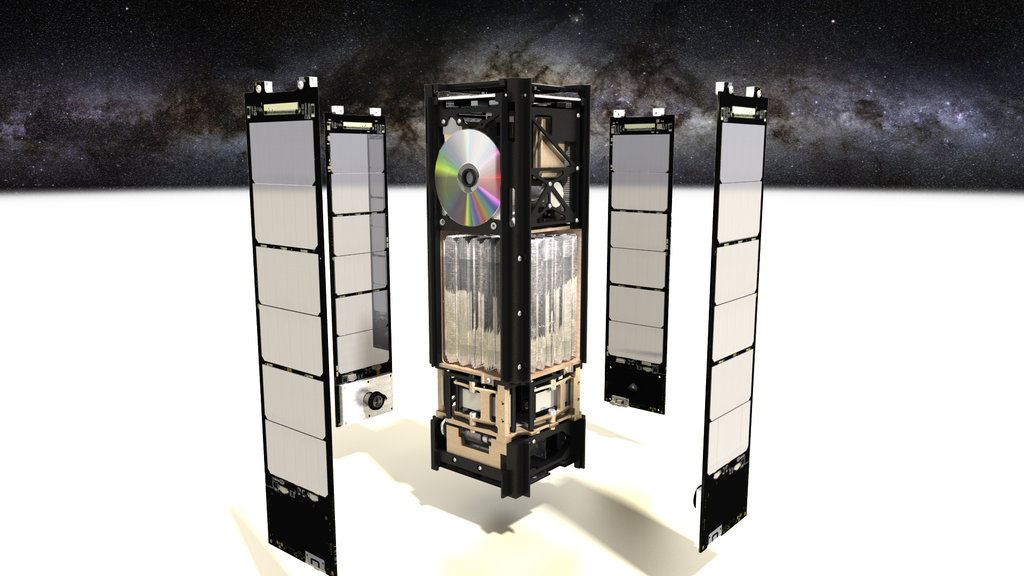
Prox-1 is a Georgia Tech student-built SmallSat sponsored by the Air Force's University Nanosat Program, or UNP. LightSail 2 and Prox-1 are booked as secondary payloads on the Air Force’s STP-2 mission, which will launch on a SpaceX Falcon Heavy rocket.
Prox-1's original mission plan was to deploy LightSail 2, track it down, and image it during solar sail deployment.
In Albuquerque, the UNP and Prox-1 teams conducted a review of the spacecraft, and determined that while the hardware needed for the mission was fully integrated, the flight software required further development.
"After discussions between the Air Force and Nanosat program, the two programs decided to scale back some of Prox-1 mission objectives," said Dave Spencer, LightSail 2’s project manager.
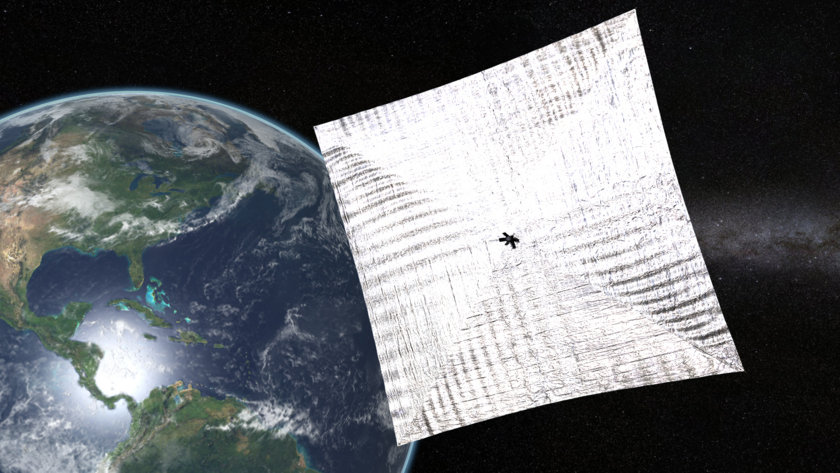
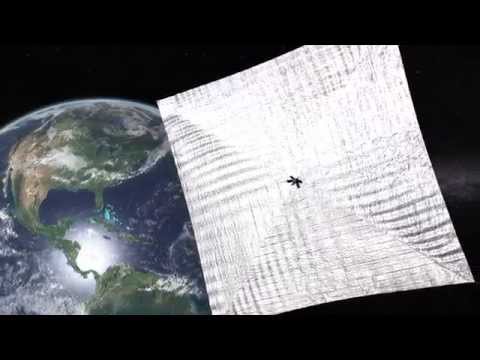
As part of the change, Prox-1 will still deploy LightSail 2, but not track the solar sail CubeSat down and image it during sail deployment. None of LightSail 2’s mission objectives have changed, and fortunately, the spacecraft has its own onboard cameras, which the LightSail team will use to image the solar sail deployment sequence.
Prox-1 and LightSail 2 remain on the STP-2 mission manifest, which will launch aboard either the second or third Falcon Heavy flight. The first flight, a demonstration mission, is expected later this year. After that, SpaceX may launch Arabsat 6A, a Saudi communications satellite, before launching STP-2.
No matter the launch order, the STP-2 mission will occur no earlier than April 30, 2018, according to Air Force officials.
The timing of the demo flight partially depends on how quickly SpaceX is able to prepare its launch infrastructure, but the STP-2 mission will occur no earlier than April 30, 2018, according to Air Force officials.
Project reports on GlobalGiving are posted directly to globalgiving.org by Project Leaders as they are completed, generally every 3-4 months. To protect the integrity of these documents, GlobalGiving does not alter them; therefore you may find some language or formatting issues.
If you donate to this project or have donated to this project, you can receive an email when this project posts a report. You can also subscribe for reports without donating.