By Jason Davis | Journalist and Digital Editor
LightSail 2 Awaits Ship Date
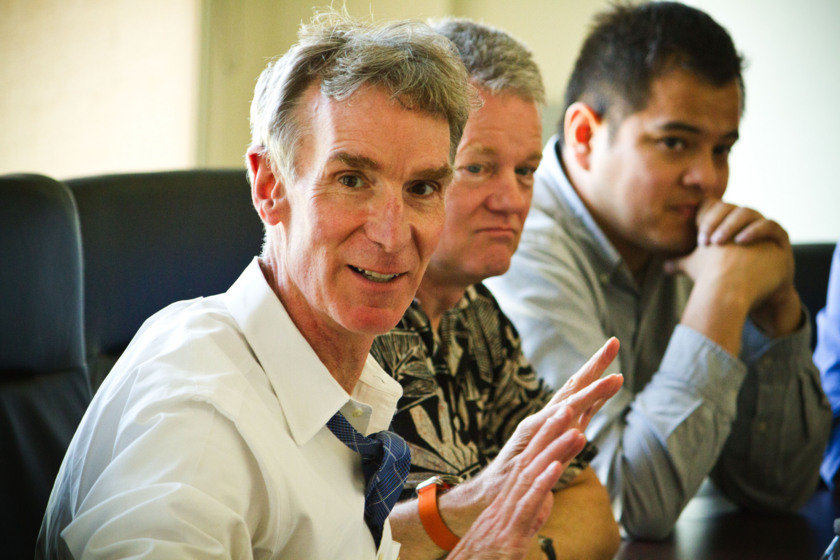
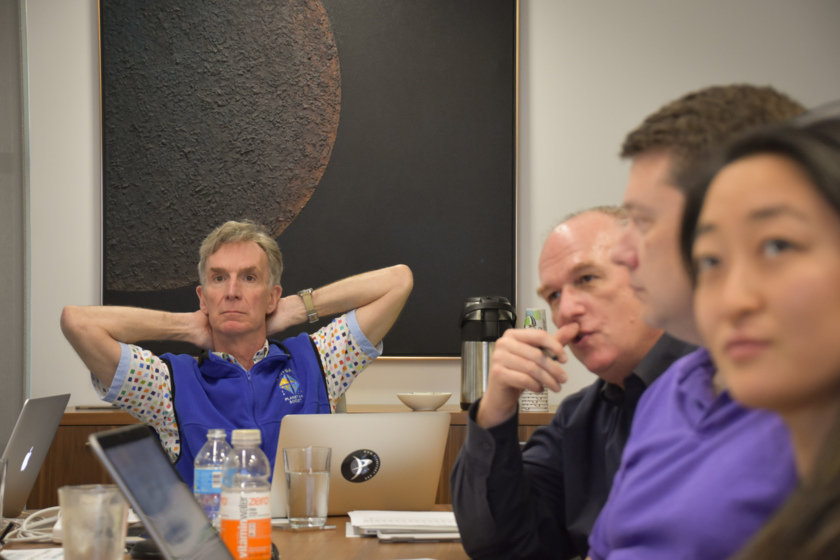
During the last week of March at Planetary Society headquarters in Pasadena, California, Bill Nye listened intently as engineers recapped all the changes they've made to our LightSail 2 spacecraft. Bill has been quite busy lately. A documentary on his life "Bill Nye: Science Guy" premiered at South by Southwest. His new Netflix show is now streaming. He has also reached out to the Trump administration with idea's for American's space program.
Despite all this, Bill spent a day in our conference room for LightSail 2's pre-ship review, a common space mission milestone where engineers and program managers decide whether a spacecraft is ready to be handed off for final integration and launch. Dr. Bruce Betts, our Director of Science and Engineering is also the LightSail mission's program manager. Dr. Betts says the pre-ship review is a good opportunity to take a step back and look at the big picture.
"It is a chance to thoroughly review what has been done to the spacecraft both in terms of software and hardware updates, as well as to review testing that has been done," he said.
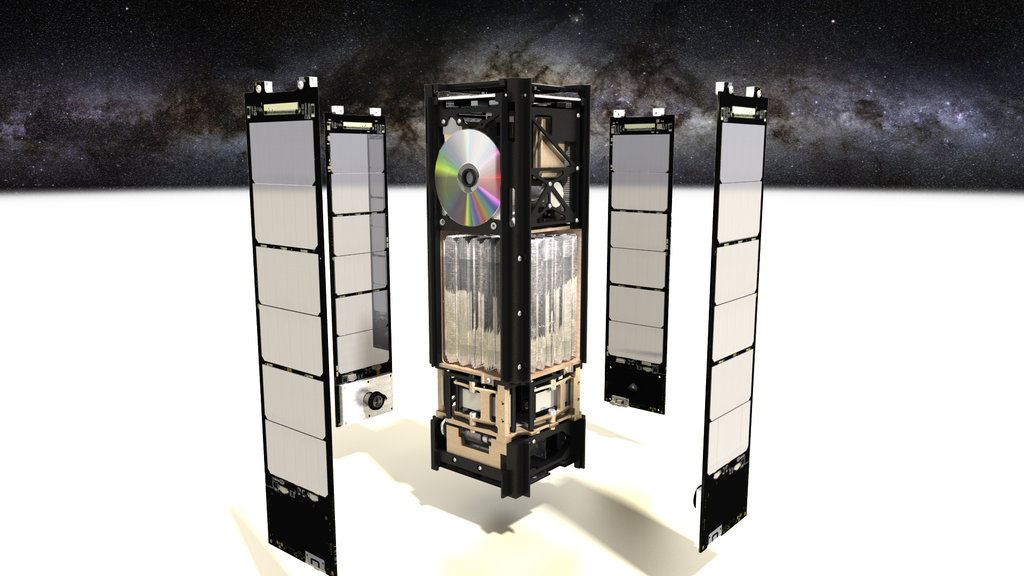
The review is also important because LightSail 2 is ready for P-POD integration, said Dave Spencer, the project manager for LightSail 2 and the principal investigator for its partner spacecraft, Prox-1.
"Once we put the spacecraft in the P-POD, we don't have access to it for testing and updates," he said. "So we want to make sure we're ready."
Upgrades and Testing
In the wake of the drama-filled LightSail 1 mission, 206 action items were created in the team's issue tracking system for LightSail 2. All but four have been resolved.
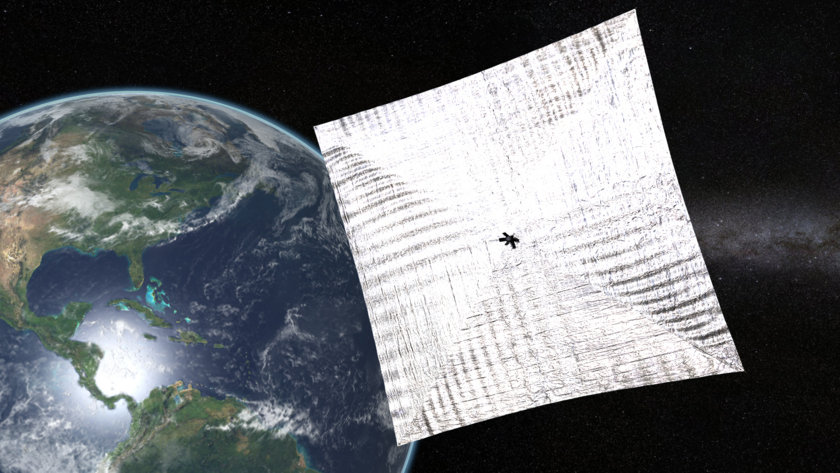
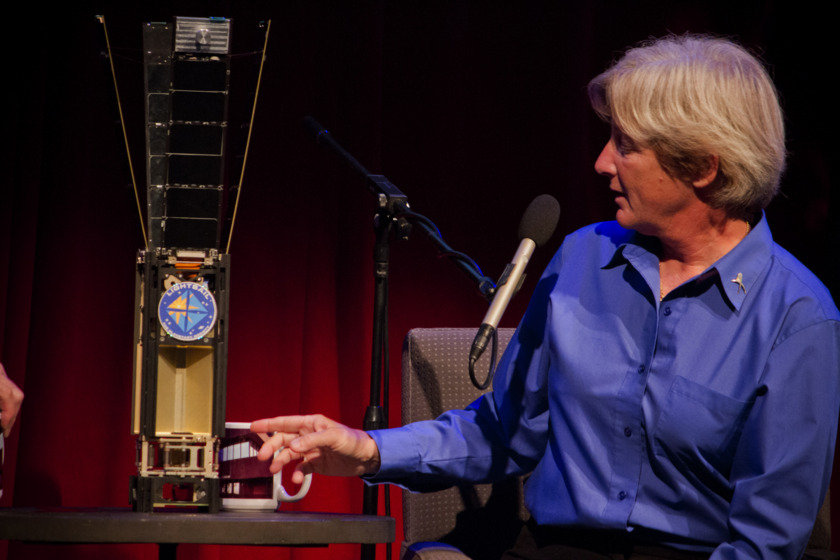
Some notable changes discussed at the meeting include a suite of new software and hardware auto-repair watchdogs, the ability to auto-detect corrupt images the team needn't spend precious ground station time downloading, and extensive testing of the attitude control system that will swing the spacecraft's solar sail into and away from the Sun's photon stream each orbit.
Telemtry is now automatically stored in the flight system, and can be quickly downloaded during ground passes to determine what LightSail has been up to on the other side of the world. A new government requirement to encrypt communication between the ground and spacecraft has also been met (though the spacecraft's automated telemetry beacons and its L-S-2 morse code broadcasts will remain unencrypted for radio enthusiasts).
One important discussion topic at the review was how to prepare LightSail 2 for long-term storage, in the event SpaceX's Falcon Heavy rocket is further delayed. The team is looking into the possibility of a "remove before flight" charging cable that would allow the spacecraft's batteries to be topped off a final time while integrated in the P-POD.
Squishy Schedule
The first flight of SpaceX's new Falcon Heavy rocket is tentatively scheduled for this summer, and the second flight—which will host LightSail 2 and Prox-1—is not expected to occur before September or later.
LightSail 2 will likely remain in storage at Cal Poly through at least May, before being integrated into its P-POD and shipped to the Air Force Research Laboratory in Albuquerque, New Mexico. There, it will be plugged into Prox-1, and the combined spacecraft will be subjected to final environmental testing.
The completion of the pre-ship review and the potential schedule lull puts the team in a comfortable position. At times, last week's meeting was peppered with reminiscing about the first mission, and reflection on all that has been accomplished.
"During LightSail 1, were we ever in nominal operations?" someone joked.
At another point, Spencer asked, "How many times have we tested the new burn wire?"
"A lot," replied Stephanie Wong, a spacecraft engineer from Ecliptic Enterprises Corporation. "Probably over a hundred."
Even though things are sailing smoothly at the moment, the team still plans to take advantage of the break, cramming in as much preparation as they can."We could ship now if we needed to, and feel good about it." Betts said. "But, because we have the time, there are some minor issues identified that we want to look into, and additional tests that we want to run."
Project reports on GlobalGiving are posted directly to globalgiving.org by Project Leaders as they are completed, generally every 3-4 months. To protect the integrity of these documents, GlobalGiving does not alter them; therefore you may find some language or formatting issues.
If you donate to this project or have donated to this project, you can receive an email when this project posts a report. You can also subscribe for reports without donating.